

Houthi: We will not stand idly by
Yemen’s Houthis vow action against any Israeli foothold in Somaliland
One of the Houthis' principal concerns is that any future Israeli military facilities in Somaliland could serve intelligence and surveillance purposes.
Friday 26/06/2026
Houthi: We will not stand idly by
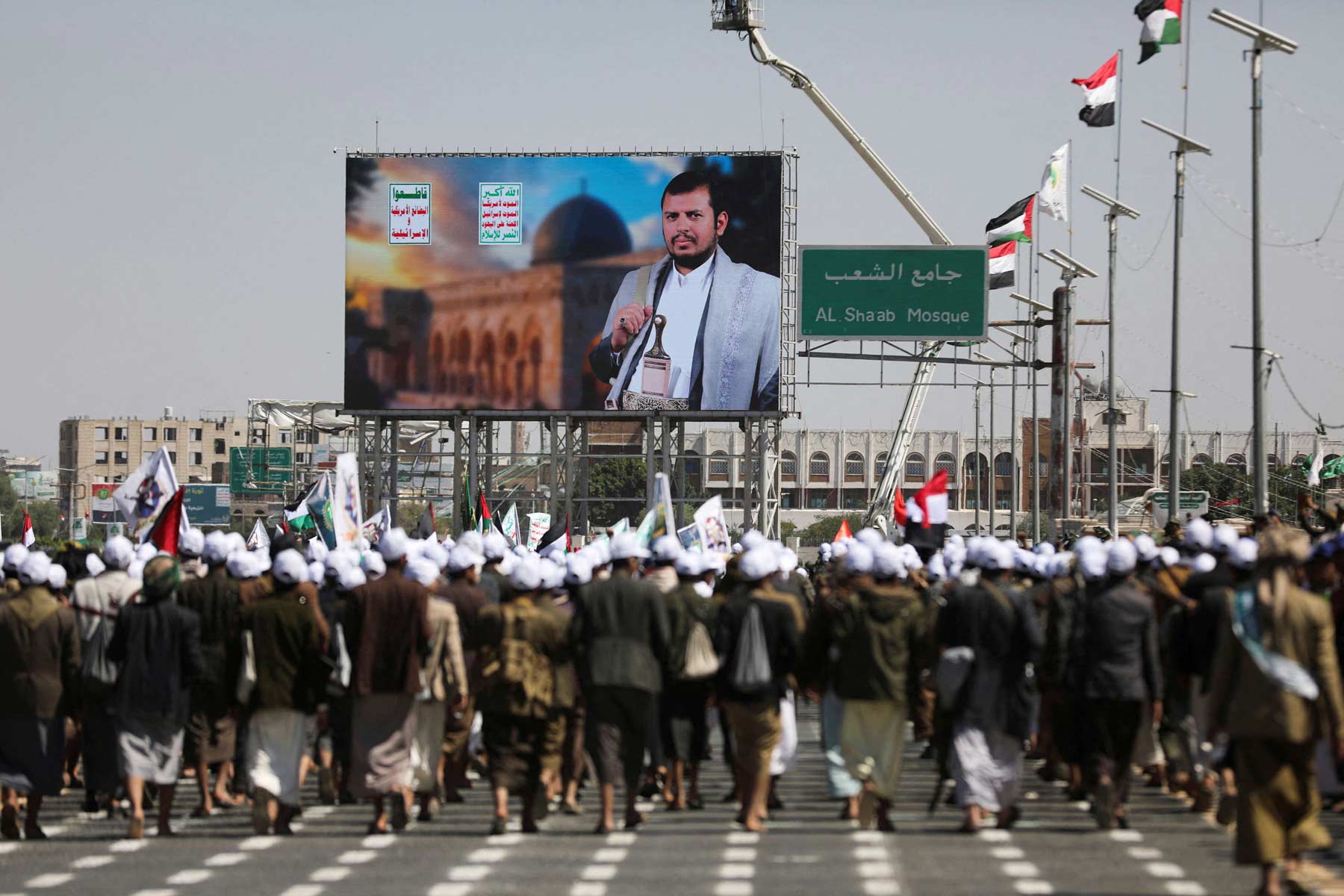
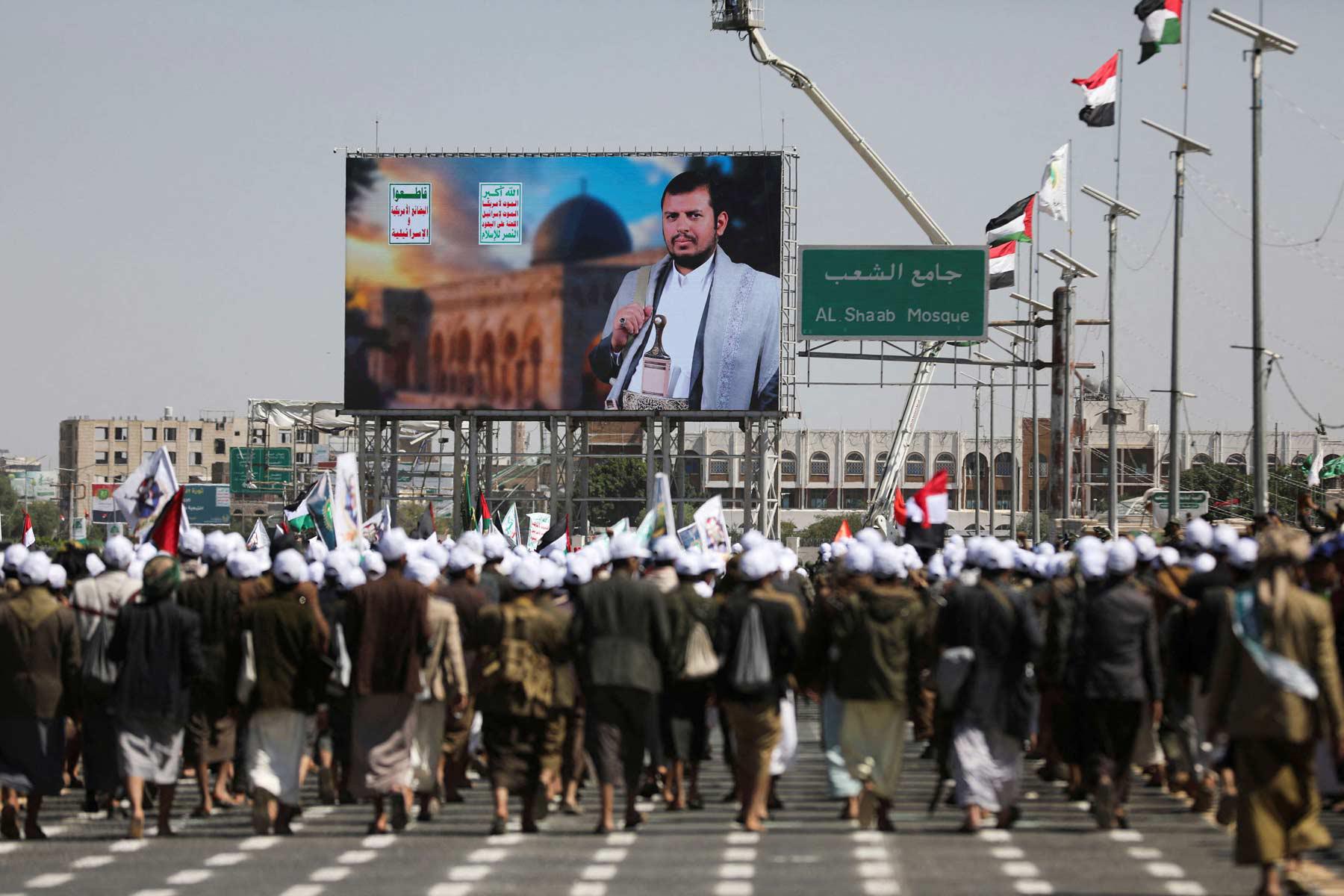
SANA’A – Houthi leader Abdul Malik al-Houthi said on Thursday that his group would "not stand idly by" if Israel established a presence in Somaliland, warning that any Israeli foothold in the breakaway region would become a target as regional concerns mount over the strategic balance in the Red Sea and Gulf of Aden.
In a televised address, Houthi said the group was "closely monitoring developments in Somaliland and the enemy's attempts to transform it into a foothold to control the Gulf of Aden, the Bab al-Mandab Strait, and the Red Sea." He portrayed the developments as part of what he described as broader Israeli efforts to expand influence over one of the world's most important maritime trade corridors.
Calling on countries bordering the Red Sea to coordinate their response, he urged them "to take a unified stance to prevent the enemy from achieving this," arguing that safeguarding the Red Sea and the Bab al-Mandab Strait was a shared responsibility for all littoral states.
"Yemen will neither stand idly in the face of any Israeli presence in Somaliland, nor will it wait for those who fail to act," Houthi said. "The Houthi group will take the initiative, whenever the enemy establishes any presence, to target it by all available means."
He also appealed to regional governments "to reform the situation in Somalia, care for the brotherly Somali people, and support them in confronting the Israeli enemy's aggression."
The warning comes amid growing controversy over expanding ties between Israel and Somaliland after Israel became the first country to recognise the self-declared republic as an independent state in December 2025, a move rejected by Somalia's federal government as a violation of its sovereignty and territorial integrity.
The debate intensified on June 18 when Somaliland President Abdirahman Mohamed Abdullahi said he did not rule out the possibility of an Israeli military base being established in the territory in the future. During a visit to Israel, he met senior Israeli officials and announced the opening of a Somaliland embassy in Jerusalem.
Somali news website Hiiraan Online, citing a representative of the Somali authorities, also reported that Israel had deployed around 50 military personnel to Somaliland shortly after recognising its independence.
Responding to those reports, Yemeni Deputy Chief of Staff Ali Hamoud al-Mushki warned that "the Zionist presence on Somaliland territory represents a threat and a military act against Yemen and the region. This presence will ignite the situation in the region and have wide repercussions for maritime security in the Red Sea, the Arabian Sea and the region."
The Houthis view Somaliland, a self-governing territory that has sought international recognition since declaring independence from Somalia in 1991, as a strategically sensitive location because of its position overlooking the Gulf of Aden and its proximity to the Bab al-Mandab Strait, a vital gateway linking the Red Sea to the Indian Ocean and a key artery for global trade.
The group fears that any Israeli military presence there would significantly strengthen Israel's ability to monitor naval and military movements across the Red Sea, including Houthi operations along Yemen's western coastline.
One of the Houthis' principal concerns is that any future Israeli military facilities in Somaliland could serve intelligence and surveillance purposes, expanding aerial and maritime monitoring across the region. The group believes such a presence would improve Israel's ability to track missile launches, monitor drone operations and observe naval activity originating from Houthi-controlled areas of Yemen.
The movement also argues that an expanded Israeli presence on the African side of the Red Sea would reduce the strategic room for manoeuvre it currently enjoys, weakening its ability to leverage Yemen's geography as part of the wider regional confrontation.
The latest warnings also reflect the Houthis' growing assessment that the Red Sea has become an increasingly contested arena where regional and international powers are competing to secure global trade and energy routes. From their perspective, any Israeli expansion in the Horn of Africa could reshape the military and security balance in ways that undermine the group's strategic interests.
The Houthis also fear that closer military and security cooperation between Israel and regional actors in the Horn of Africa could further restrict their maritime influence while increasing military and intelligence pressure on the movement.
Beyond the military dimension, the issue also carries significant political symbolism. The Houthis have long presented themselves as part of the Iran-backed "Axis of Resistance" opposed to Israel and argue that an expanding Israeli presence close to Yemen would directly challenge both their political narrative and their regional role.
Analysts say raising the issue of Israeli activity in Somaliland also serves the Houthis' broader effort to rally domestic and regional support by portraying any Israeli expansion as a threat not only to Yemen but also to Arab national security and the security of the Red Sea.