

Post-war diplomacy begins in Baghdad
Araghchi in Baghdad to discuss Hormuz, Iraq debts, Khamenei funeral
Araghchi's visit comes amid renewed tensions between Tehran and Washington despite ongoing negotiations aimed at consolidating the recent framework agreement.
Sunday 28/06/2026
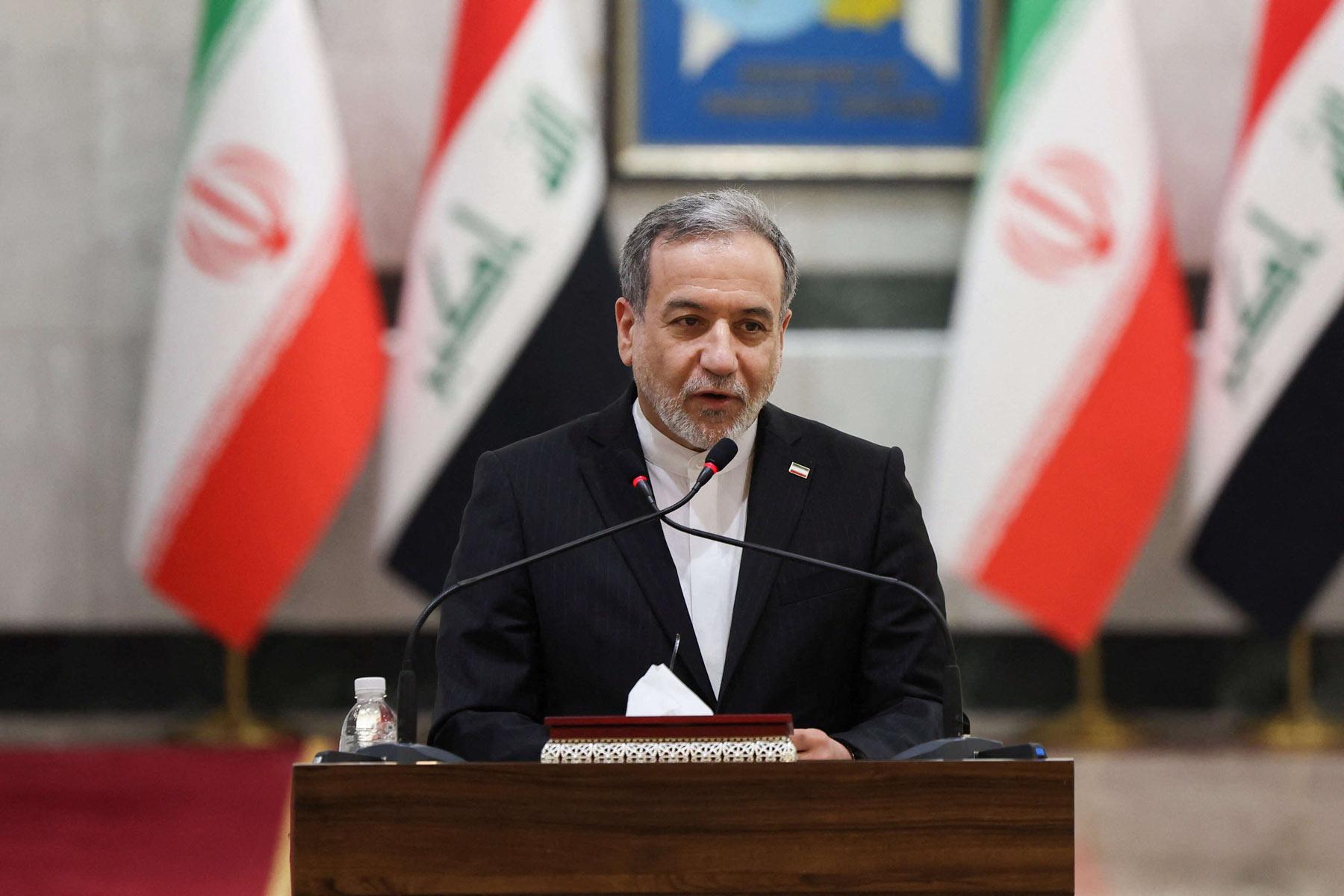
Post-war diplomacy begins in Baghdad
BAGHDAD – Iranian Foreign Minister Abbas Araghchi arrived in Baghdad on Sunday for an official visit focused on coordinating arrangements for funeral ceremonies for Iran's late Supreme Leader Ali Khamenei at Iraq's holy shrines, while also holding talks on a wide range of political and security issues, including the Strait of Hormuz, regional security architecture and Iraqi payments for Iranian gas.
Araghchi's visit comes amid renewed tensions between Tehran and Washington despite ongoing negotiations aimed at consolidating a framework agreement to end the war triggered by what Iran describes as the US-Israeli attack launched on February 28.
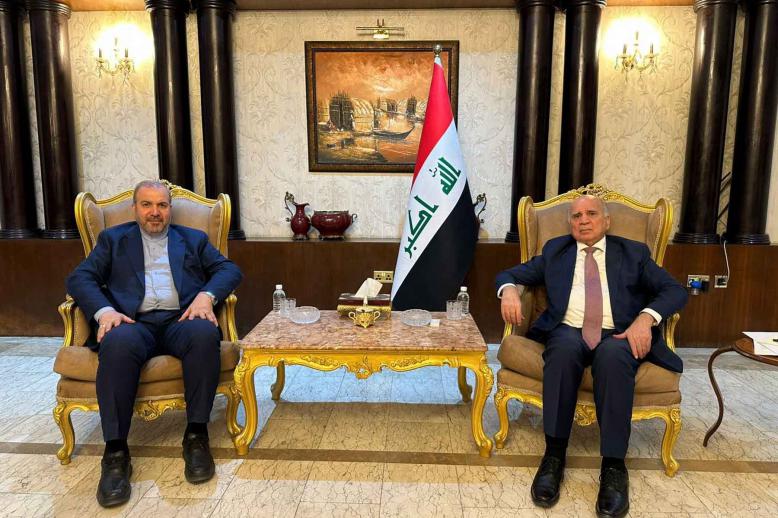
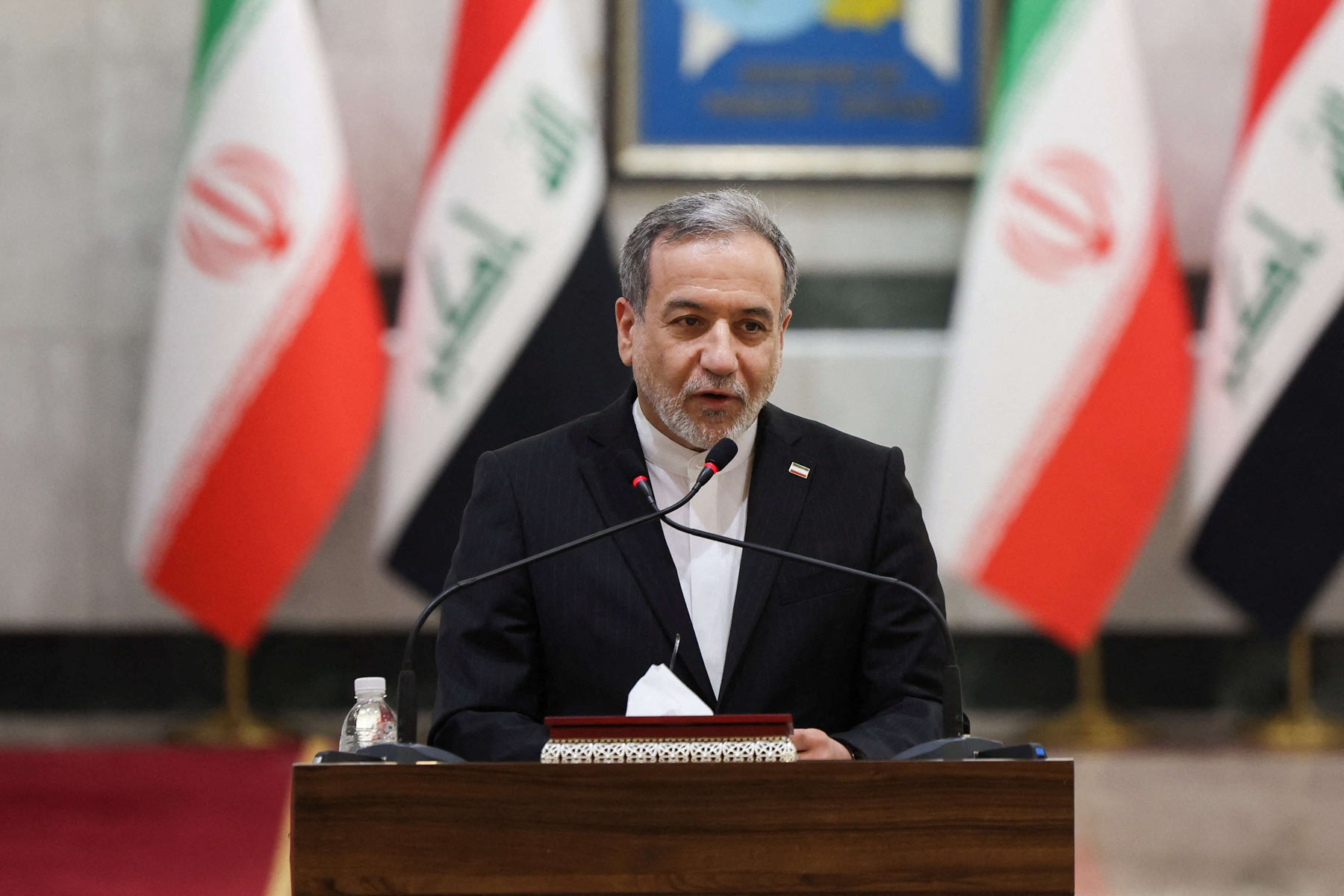
Speaking after talks with Iraqi Foreign Minister Fuad Hussein, Araghchi said this was his first visit to Iraq since the end of the conflict and was intended to thank "the Iraqi government and people for their positions" during the war.
"Iran will continue cooperation with Iraq in various fields," Araghchi said, adding that coordination was under way regarding "the mechanism for the funeral procession (of Ali Khamenei) at the holy shrines in Iraq."
He said he had also briefed Hussein on "developments in the talks with Washington, and the Strait of Hormuz, which is under Iran's administration," adding that the two sides discussed "the regional security structure" as part of broader bilateral consultations.
For his part, Hussein stressed the importance of reopening the Strait of Hormuz and ending what he described as the US naval blockade imposed on Iran, reflecting Baghdad's effort to balance its close ties with both Washington and Tehran.
"Iraq does not support expanding the war to the Gulf states, nor does it support attacks on Iran," Hussein said.
"The closure of the Strait of Hormuz was one of the reasons Iraqi oil exports stopped, and it had a major impact on the economy," he added.
He said Iraq maintains "excellent relations with both the American and Iranian sides" and expressed Baghdad's readiness to work with both countries to help bring the conflict to an end.
Local media had earlier reported that Araghchi's discussions with senior Iraqi officials would cover bilateral relations, regional developments and international issues.
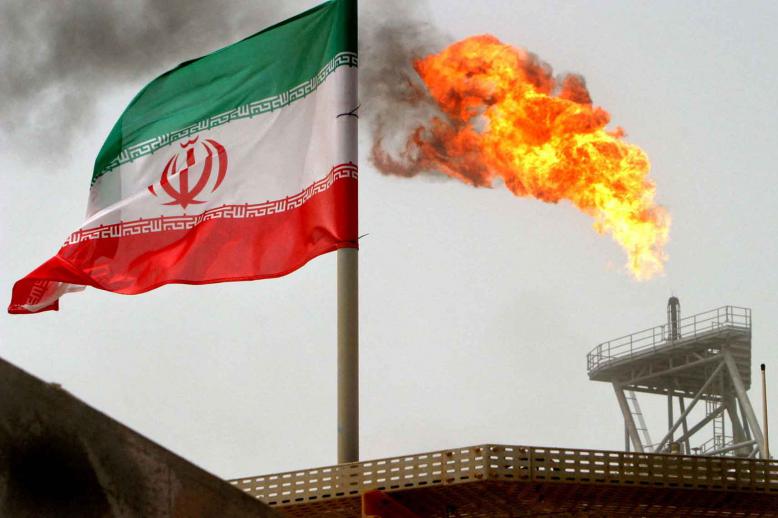
A government source told Shafaq News Agency that one of the main issues under discussion would be Baghdad's readiness to settle outstanding payments owed to Tehran for Iranian gas exports under the preliminary US-Iran agreement that halted the fighting.
The source said the agreement provides for the release of Iranian funds and assets frozen in several countries, including Iraq, while discussions would also cover preventing Iranian opposition groups based in Iraq from launching attacks against Iranian territory, along with other issues of mutual concern.
According to Iraqi and Iranian officials, the visit also aims to reposition Iraq within Iran's new diplomatic framework following the understandings reached with Washington.
Iranian media also reported that Araghchi would brief Iraqi leaders on the negotiations held in Switzerland and continue preparations for Khamenei's funeral ceremonies.
Iranian authorities have announced a six-day programme of mourning and funeral events in July for Khamenei and members of his family. Under the schedule, the body will be transferred to Iraq on July 8 for ceremonies in the holy cities of Najaf and Karbala before being returned to Iran for burial at the Imam Reza shrine in Mashhad on July 9.