

Israel's move invites Turkish countermeasures
Israel's Armenian genocide recognition deepens rupture with Turkey
The Knesset is expected to debate the legislation in the coming weeks amid concerns among some Israeli lawmakers and business leaders over possible Turkish retaliation.
Monday 29/06/2026
Israel's move invites Turkish countermeasures
TEL AVIV/ANKARA – Israel's government unanimously approved formal recognition of the Armenian genocide on Sunday, a landmark policy shift that further deepens its deteriorating relationship with Turkey and triggered an immediate backlash from Ankara.
The cabinet approved a proposal by Foreign Minister Gideon Sa'ar recognising the mass killings of Armenians under the Ottoman Empire during World War One as genocide. The measure still requires parliamentary approval before becoming official policy.
The decision overturns decades of Israeli reluctance to address one of modern history's most contentious issues, reflecting how relations between Israel and Turkey have unravelled since the Gaza war began in October 2023.
"Despite the extensive and unambiguous historical documentation, the Armenian genocide remains to this day the subject of an institutionalised campaign of denial and minimisation, including a manipulative rewriting of history, mainly by the Turkish government," Sa'ar told the cabinet.
"It is widely believed that the Ottoman Empire committed crimes amounting to genocide in a systematic manner, with the aim of destroying the Armenian people," he added.
Historians estimate that up to 1.5 million Armenians were killed between 1915 and 1923. More than 30 countries, including the United States, France and Germany, officially recognise the killings as genocide.
Successive Israeli governments had avoided formal recognition to preserve strategic military, intelligence and economic ties with Turkey, once one of Israel's closest regional partners, as well as maintaining sensitive relations with Azerbaijan.
That calculation has shifted dramatically as Ankara emerged as one of Israel's fiercest critics over the Gaza war.
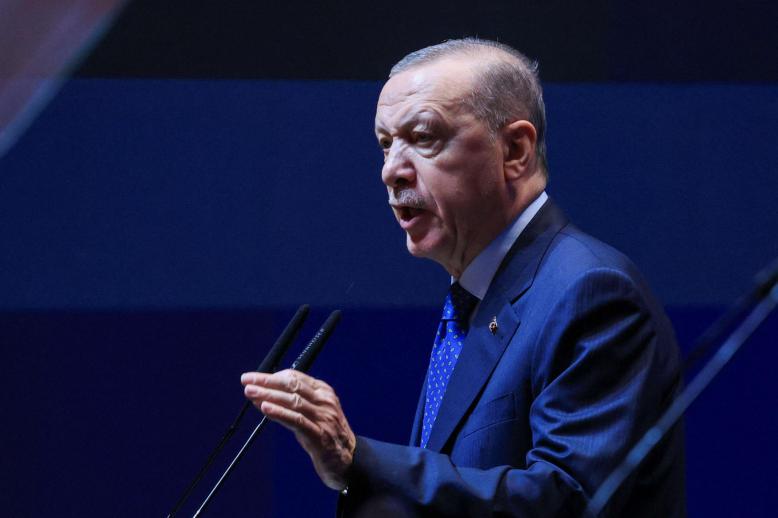
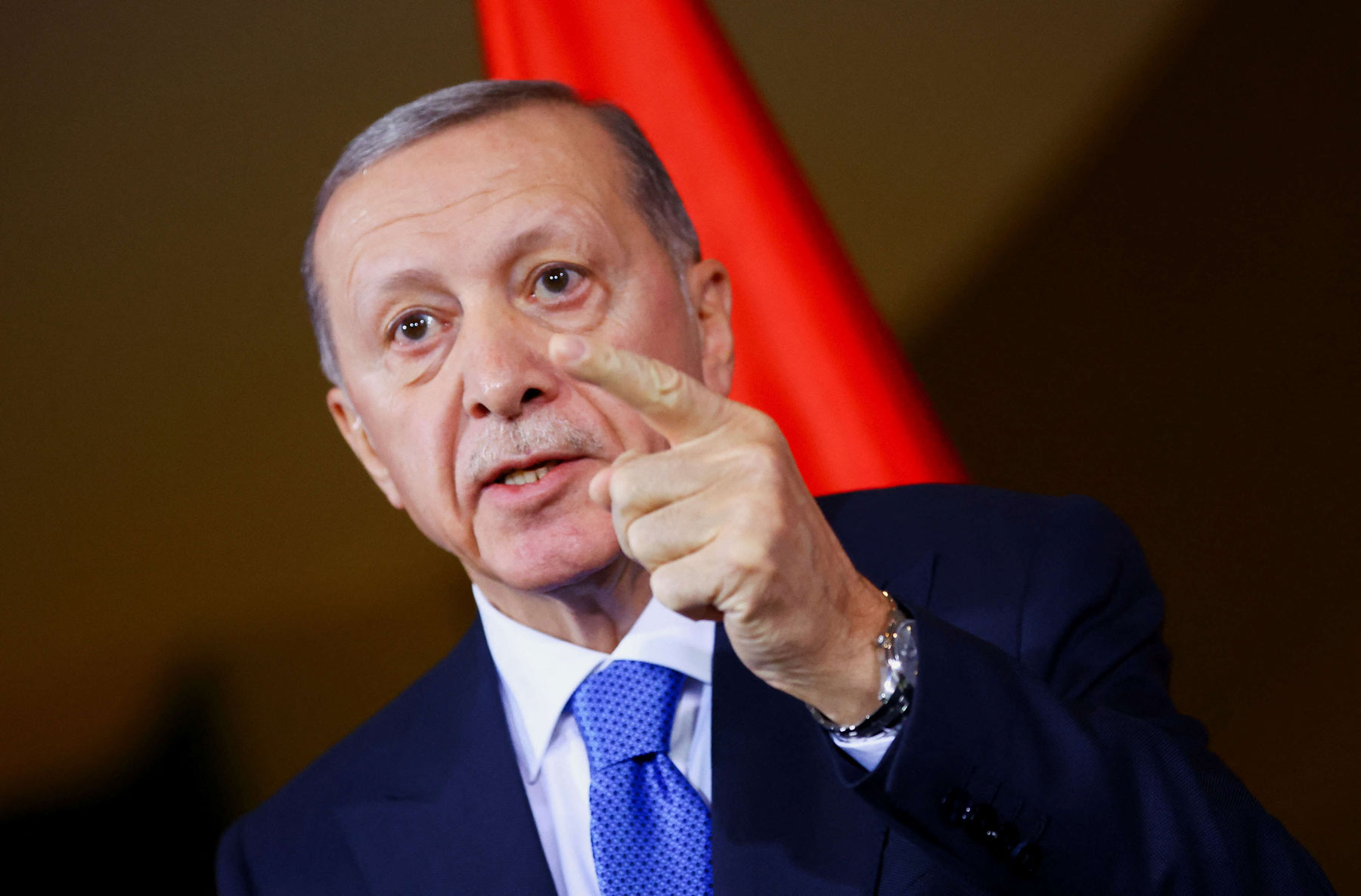
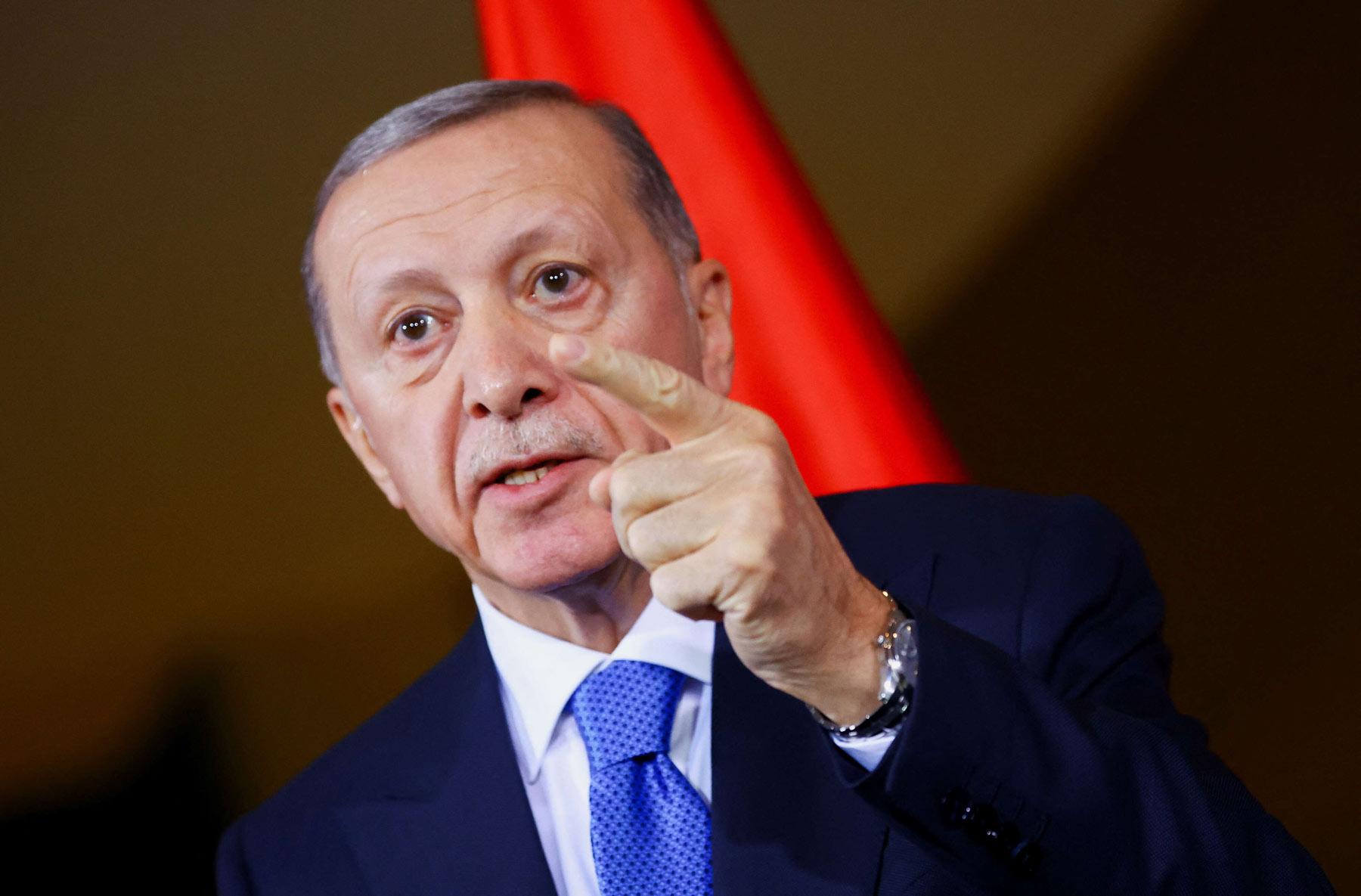
Turkish President Recep Tayyip Erdogan has repeatedly accused Israel of committing genocide against Palestinians in Gaza, allegations Israel rejects.
On Saturday, Erdogan said Israel's criticism of him reflected a broader ideological confrontation.
"The Zionist ideology based on genocide, occupation and expansion does not target only me, the Justice and Development Party or the People's Alliance. It constitutes a threat to all components of the Turkish people," he said.
"Therefore, when we struggle against Zionism, we are not doing so for ourselves or for personal interests, but for the survival of our state and our entire nation," he added.
Turkey swiftly condemned Israel's decision.
"The Israeli government, which has systematically persecuted the Palestinian people before the eyes of the entire world and is being tried at the International Court of Justice on charges of committing genocide against the people of Gaza, is seeking to cover up its own crimes through the political decision it has adopted regarding the events of 1915," Turkey's Foreign Ministry said in a statement.
The ministry described the recognition as politically motivated and said Turkey would continue working to counter what it called Israel's "expansionist and destabilising policies" in the region.
Israeli officials rejected suggestions the move was retaliation for Ankara's stance.
Sa'ar said the recognition was "not an act of retaliation" for what he described as Turkey's hostility under Erdogan, adding that "the fact that Turkey promotes false narratives against Israel does not grant it immunity from historical truths."
The recognition adds another layer of uncertainty to already strained relations between the two regional powers. Turkey has suspended most trade with Israel and become one of Hamas' strongest diplomatic supporters since the Gaza conflict erupted.
Analysts said the decision could also complicate Israel's strategic partnership with Azerbaijan, Turkey's closest ally, highlighting the broader geopolitical implications extending beyond bilateral Israeli-Turkish relations.
The Knesset is expected to debate the legislation in the coming weeks amid concerns among some Israeli lawmakers and business leaders over possible Turkish economic and diplomatic retaliation.