

Seeking common ground
Oman, Iran move to shape future of navigation through Hormuz
The two countries reaffirmed commitment to maintaining safe passage through Hormuz while stressing their sovereign rights over their territorial waters.
Tuesday 23/06/2026
Seeking common ground
MUSCAT – Oman and Iran have agreed to establish a joint working group to develop a framework for managing navigation through the Strait of Hormuz, signalling a potentially significant shift in how the strategically vital waterway could be administered in the future.
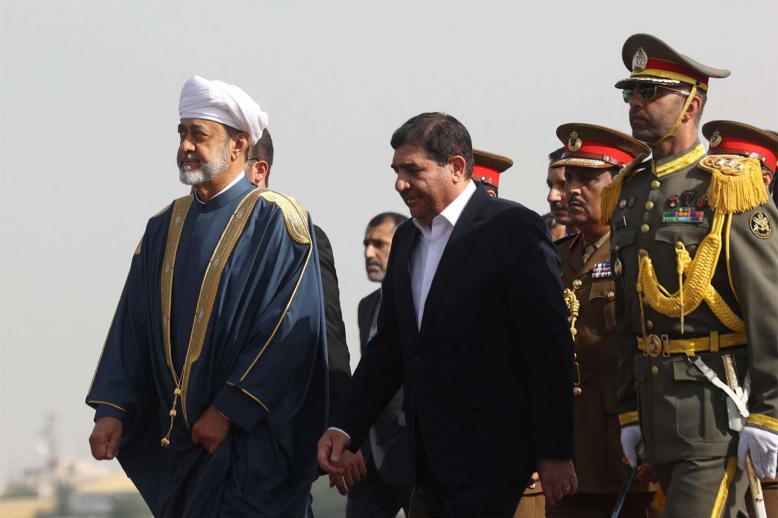
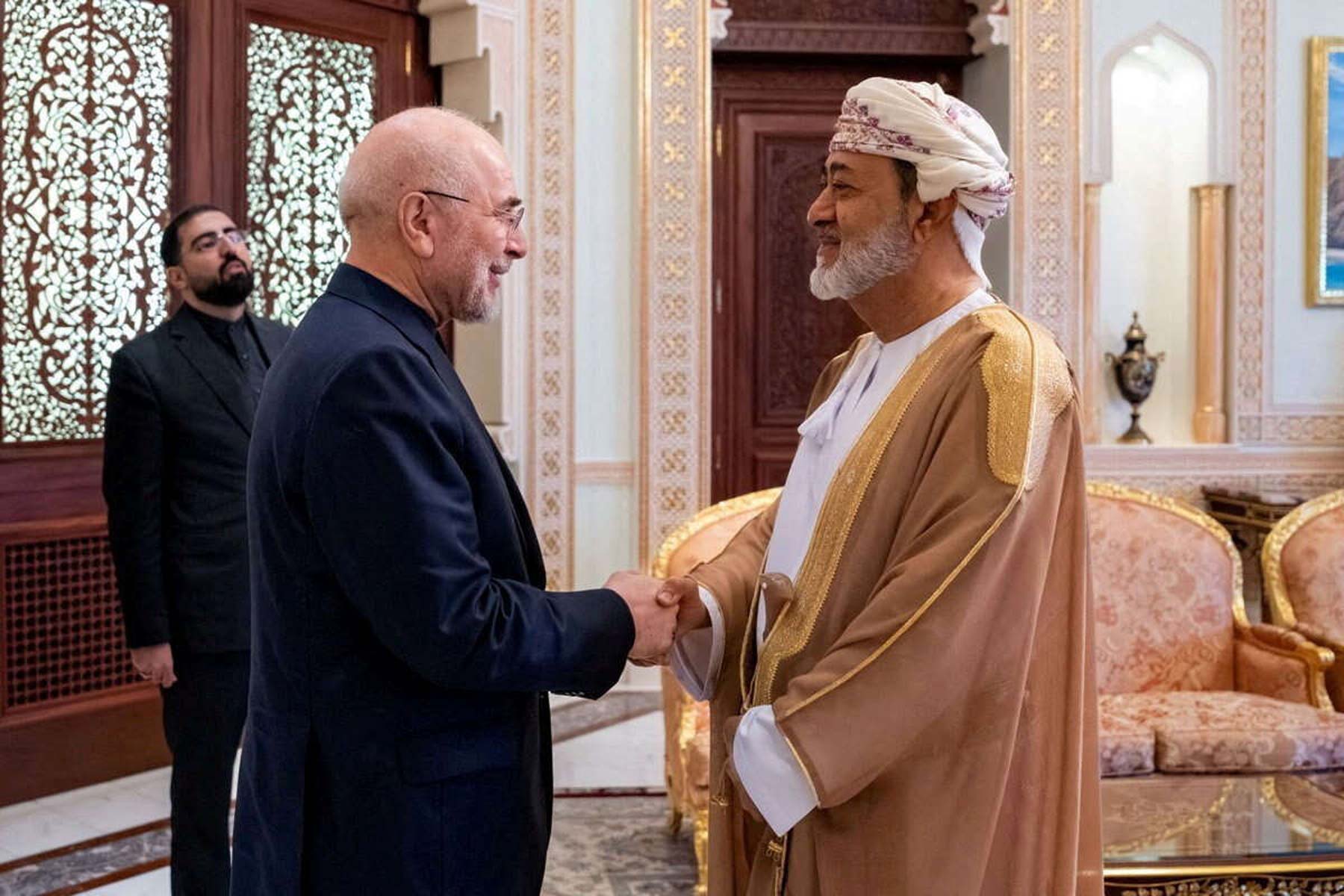
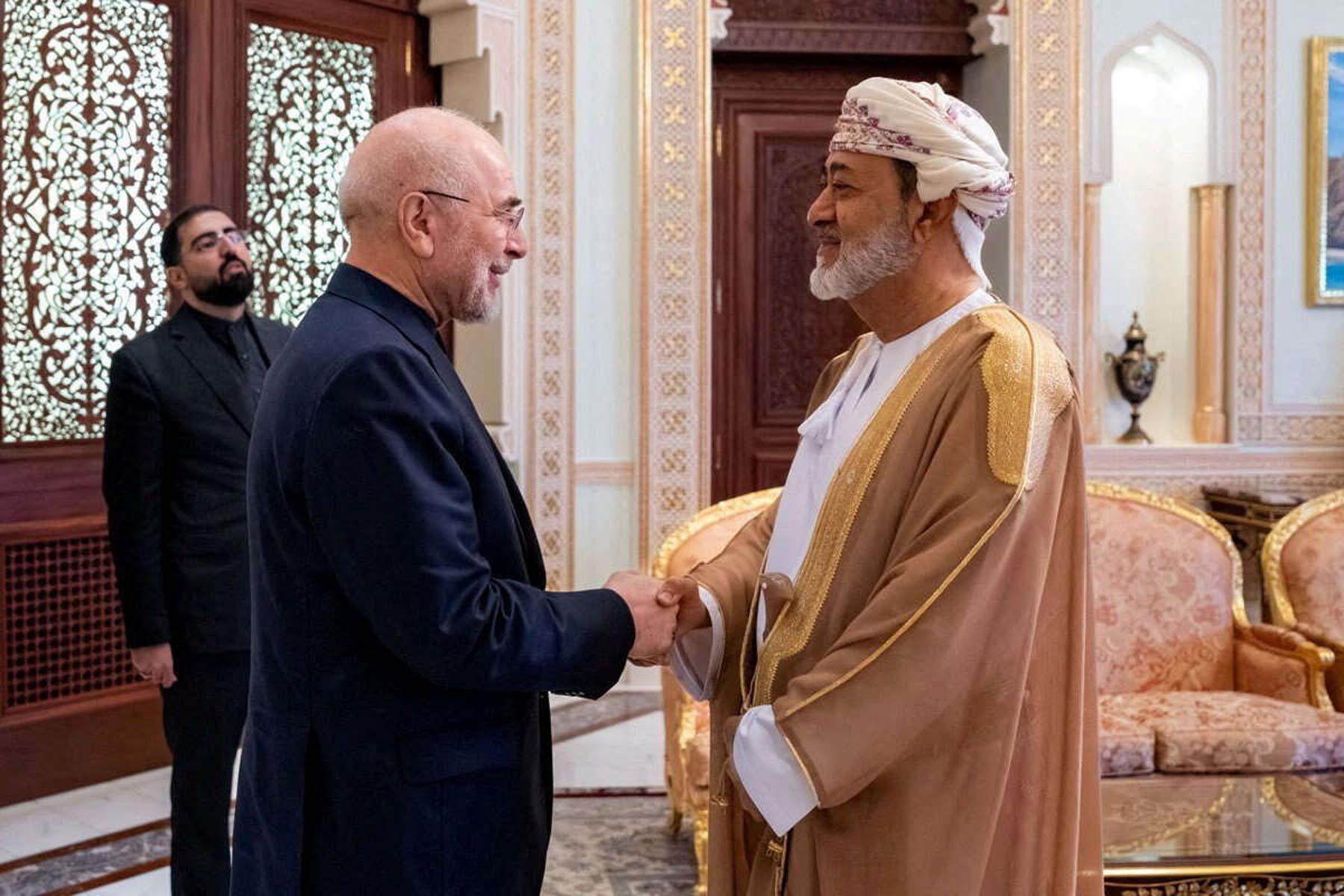
The agreement emerged from high-level talks in Muscat involving Iranian Parliament Speaker Mohammad Bagher Ghalibaf and Foreign Minister Abbas Araghchi, who met Sultan Haitham bin Tarik and Omani Foreign Minister Sayyid Badr Albusaidi.
In a joint statement, the two countries reaffirmed their commitment to maintaining safe passage through the Strait of Hormuz in accordance with international law while stressing their sovereignty and sovereign rights over their territorial waters.
The Strait of Hormuz, through which a substantial share of the world's seaborne oil and gas exports passes, has long been regarded as one of the most strategically sensitive maritime chokepoints in the global economy. Any changes affecting its administration are closely watched by energy markets, shipping companies and major world powers.
Oman and Iran said they would continue discussions through a joint working group between their foreign ministries aimed at reaching agreement on the future administration of navigation in the strait, the maritime services to be provided and the costs associated with those services.
The initiative appears to be linked to provisions contained in the Islamabad Memorandum of Understanding recently signed between the United States and Iran, which both countries described as an important framework for sustaining dialogue and reducing regional tensions.
The two sides also agreed to consult other littoral states and relevant stakeholders as discussions progress, suggesting that any future arrangement could eventually involve a broader regional component.
While no details were provided regarding possible administrative mechanisms or implementation timelines, the move underscores a growing effort by Muscat and Tehran to assert a greater role in shaping the governance of the waterway that lies along their coastlines.
Both governments stressed that any future arrangements concerning the strait must fully respect the sovereignty and sovereign rights of the two coastal states.
The talks come at a time of heightened international attention on maritime security in the Gulf following months of regional conflict that disrupted shipping routes and fuelled concerns about energy supplies. Against that backdrop, Oman and Iran presented their initiative as part of a broader commitment to maritime safety, freedom of navigation and regional stability.