


A comprehensive re-engineering of the Omani state
Oman reshapes state institutions in push towards Vision 2040
Oman is gradually moving from managing fiscal pressures to capitalising on growth opportunities, supported by political stability and improved economic indicators.
Wednesday 14/01/2026
A comprehensive re-engineering of the Omani state
MUSCAT –
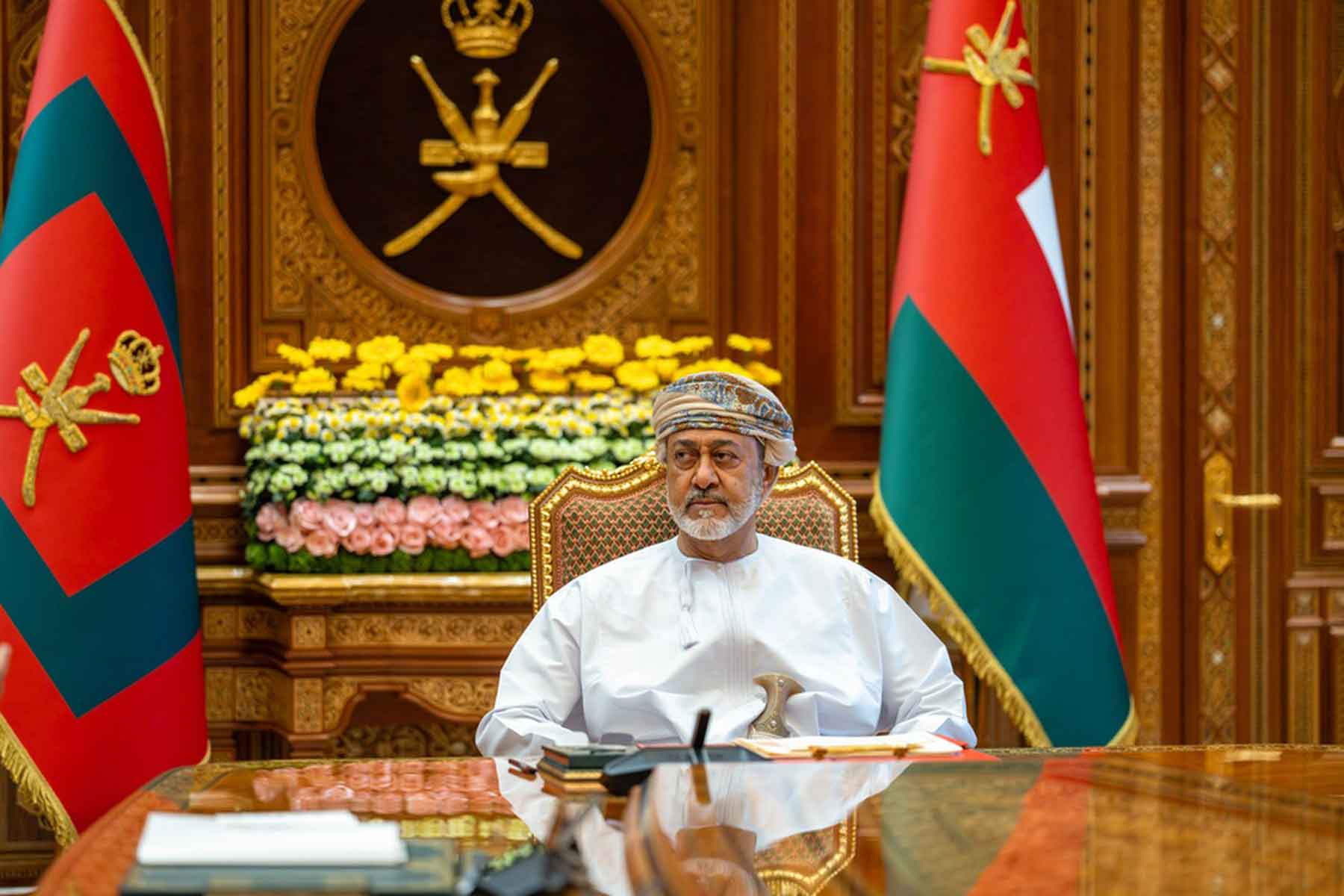
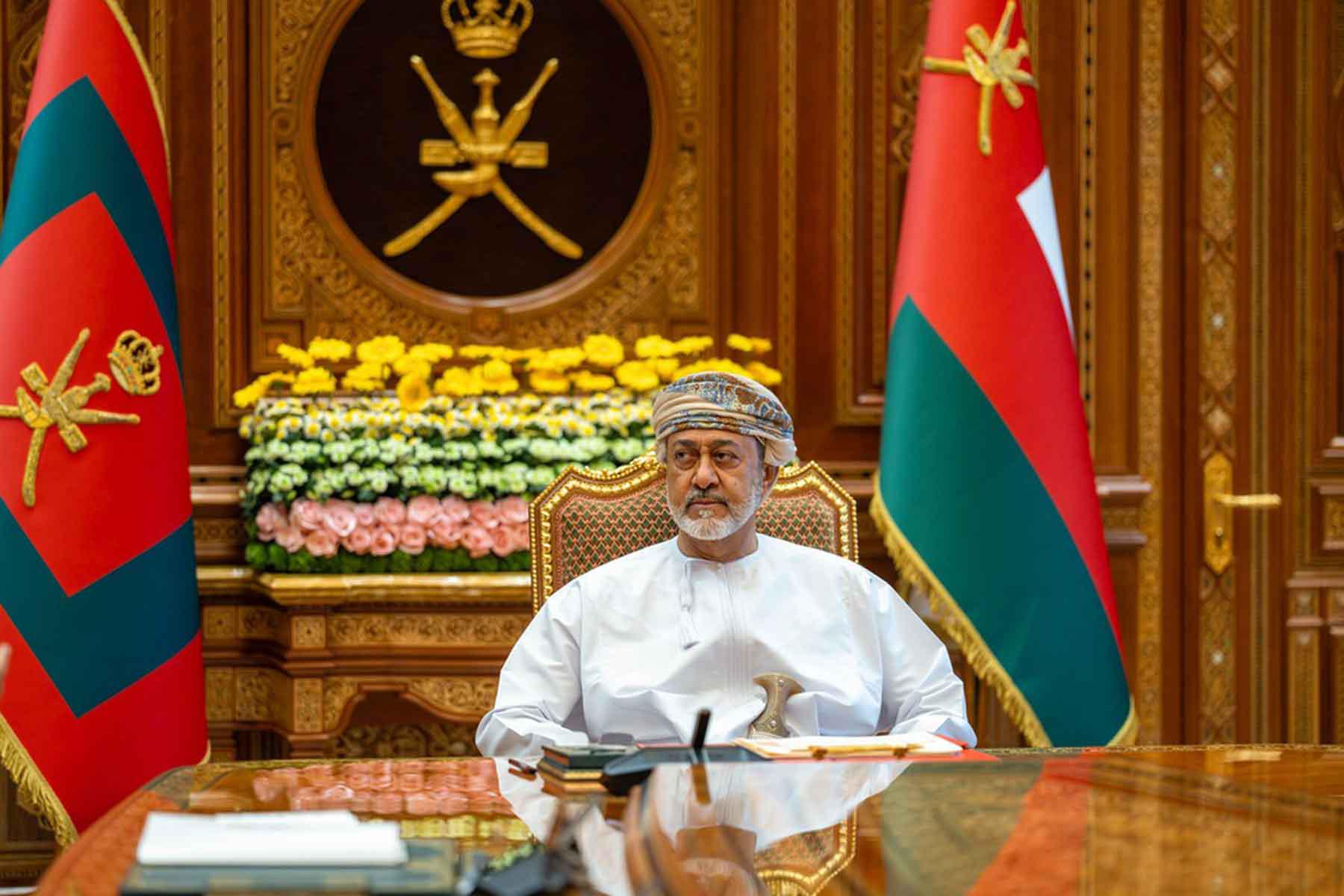
Omani Sultan Haitham bin Tariq issued a sweeping package of 16 royal decrees, marking one of the most far-reaching phases of institutional restructuring since the launch of Oman Vision 2040 and signalling a decisive shift from planning to execution in the sultanate’s reform agenda.
The decrees, announced on Monday, carry strong political, economic and administrative messages, both in their timing and in their substance. Taken together, they point to a transition from a phase of groundwork and preparation to one of empowerment and practical implementation, as Oman accelerates efforts to modernise the state and adapt its institutions to fast-moving regional and global changes.
At the heart of the reforms is a clear emphasis on the economy as the main driver of comprehensive transformation. This was underscored by the creation of the post of Deputy Prime Minister for Economic Affairs, entrusted to Sayyid Theyazin bin Haitham Al Said. The move reflects a growing recognition of the need for centralised coordination of economic, financial and investment policies at a time of heightened regional uncertainty and volatile global energy markets.
By elevating the economic file to a higher political level, the new office is expected to strengthen decision-making mechanisms and link economic policy more directly to the highest executive authority, giving reforms greater momentum and coherence.
The economic focus was further reinforced by the establishment of the Oman Global Financial Centre, a strategic step aimed at positioning the sultanate as a competitive regional financial hub. The move comes amid intensifying competition among Gulf states to attract capital and financial services, with Saudi Arabia seeking to bolster its role as a global financial centre and Dubai maintaining its status as the region’s leading hub.
Placing the new financial centre under the authority of the Deputy Prime Minister for Economic Affairs highlights a drive to unify economic and financial oversight and align investment promotion with broader structural reforms under Vision 2040.
Alongside economic measures, the decrees introduced significant administrative and organisational changes, including the redistribution of mandates and the merger or abolition of several government bodies. The dissolution of the Supreme Committee for Conferences and the reorganisation of the General Secretariat of the Council of Ministers, now granted legal personality and financial and administrative independence, point to a push to streamline state structures, reduce duplication and improve governance and efficiency.
Particular significance is attached to the decision to integrate the Vision 2040 Implementation Follow-Up Unit into the Ministry of Economy. Symbolically, it signals that the national vision is no longer a standalone framework but an integral part of day-to-day economic planning. Practically, the move aims to ensure closer alignment between strategic planning and execution, translating long-term objectives into measurable and accountable policies and programmes.
In education, the decrees reflected a deep reformist approach through the merger of the ministries of Education and Higher Education, Scientific Research and Innovation into a single Ministry of Education. A separate authority for scientific research and innovation was established, alongside the restructuring and renaming of the Oman Authority for Academic Accreditation and Quality Assurance of Education.
These changes suggest a holistic view that treats education, research and innovation as an interconnected ecosystem, reinforcing the bet on human capital as a cornerstone of Vision 2040, particularly in the knowledge economy and global competitiveness.
Revisions to the governance of the Oman Investment Authority, including amendments to its regulatory framework and the appointment of two deputies to its chairman, signal efforts to strengthen oversight and efficiency within the state’s key investment arm. The changes align with broader goals of income diversification and maximising returns on sovereign assets, while allowing greater flexibility in investment decision-making.
The reshaping of the Council of Ministers further reflects the contours of a new phase, balancing continuity with renewal. The introduction of the Deputy Prime Minister for Economic Affairs and adjustments to ministerial portfolios indicate a leadership intent on preserving institutional experience while empowering figures capable of managing economic and social transformation in the years ahead.
The timing of the decrees is also significant. Oman is gradually moving from managing fiscal pressures to capitalising on growth opportunities, supported by political stability, improved economic indicators and an urgent need for a more agile and effective administrative apparatus. Issuing the reforms in a single package gives them added political weight and sends a clear signal of resolve to push ahead with reform.
Overall, the decrees amount to a comprehensive re-engineering of the Omani state, translating Vision 2040 from a strategic blueprint into everyday institutional practice. Beyond reshuffling structures, they seek to redefine the relationship between planning and implementation, and between economic policy and administration, strengthening the sultanate’s capacity to confront future challenges with confidence and sustainability.