France, US and Saudi Arabia hold Paris talks to avert war in Lebanon
PARIS –
A rare French-Saudi-US trilateral meeting on Lebanon will put the Lebanese state under a harsh international spotlight on Thursday, as fears grow of renewed war with Israel and donors demand proof that Beirut can curb Hezbollah’s weapons and deliver long-promised reforms.
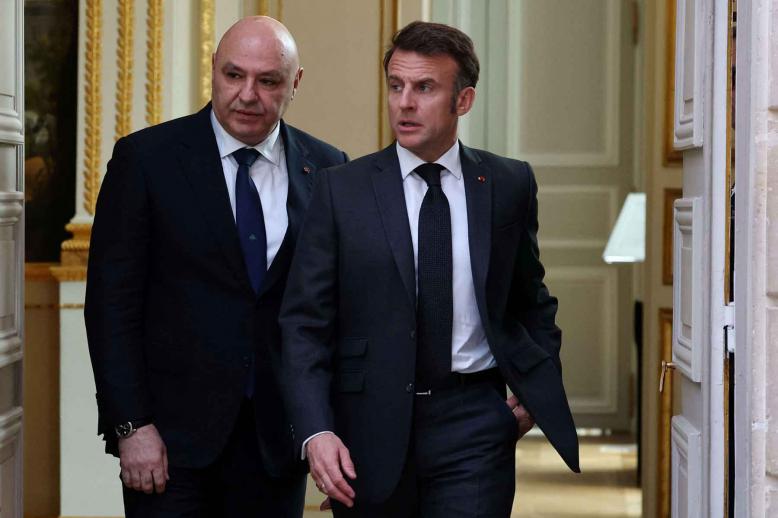
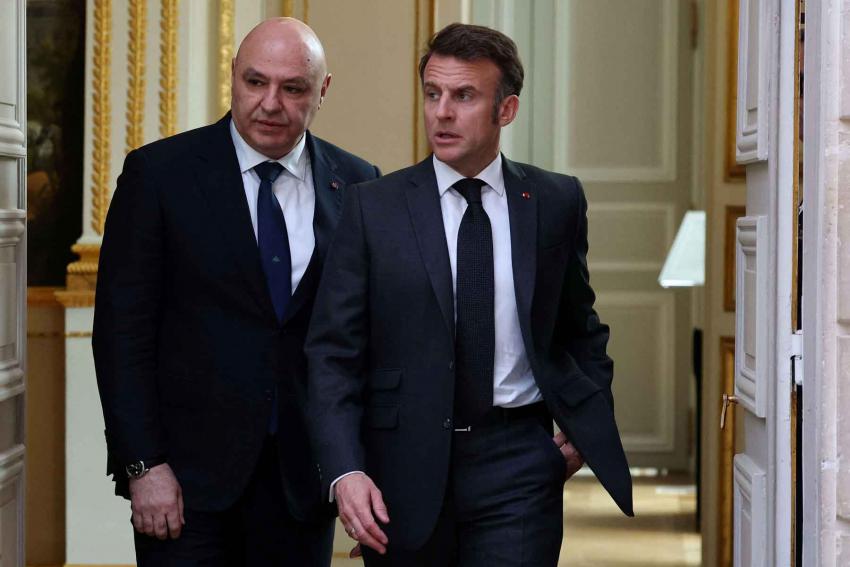
The talks, to be held in Paris with Lebanese army chief Rodolphe Haykal in attendance, are officially aimed at coordinating support for the army and setting a date for a new international conference. In practice, diplomats say, they amount to a high-stakes test of whether Lebanon can convince key partners that it is serious about asserting state authority and preventing another slide into conflict.
The meeting comes nearly a year after a ceasefire agreement in November 2024 ended more than 12 months of fighting between Hezbollah and Israel. While the deal halted large-scale hostilities, it has failed to stabilise the situation. Israel has continued air strikes across Lebanon, saying it is acting to stop Hezbollah from rebuilding its capabilities after suffering heavy losses in the war.
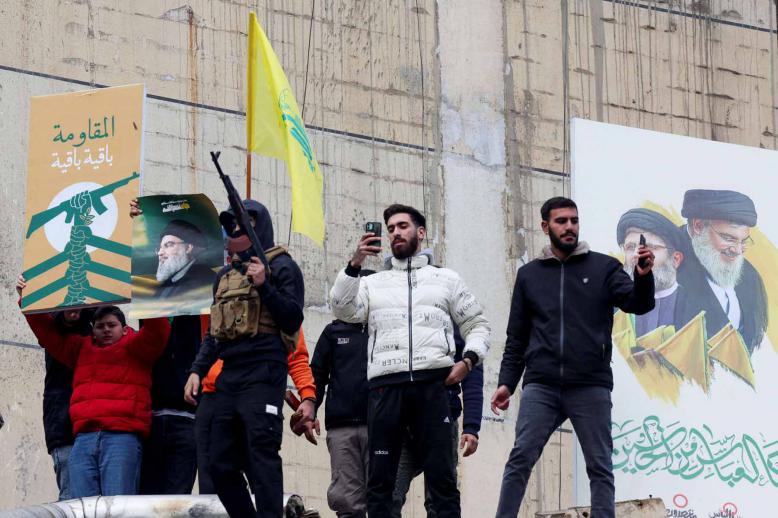
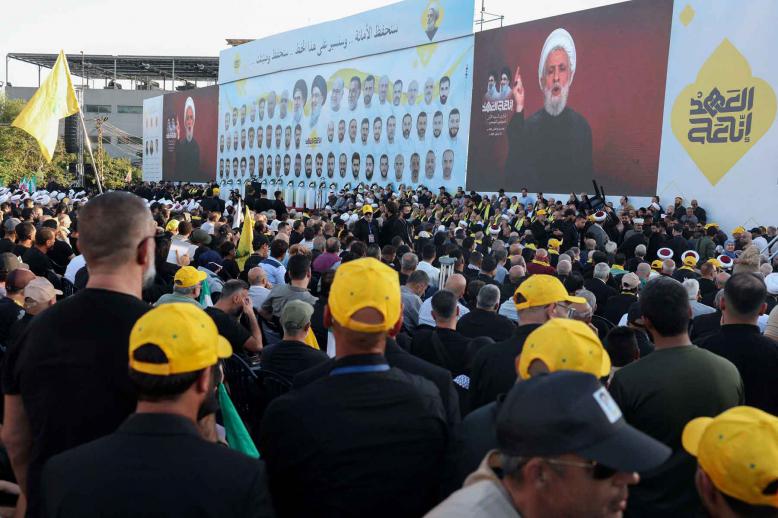
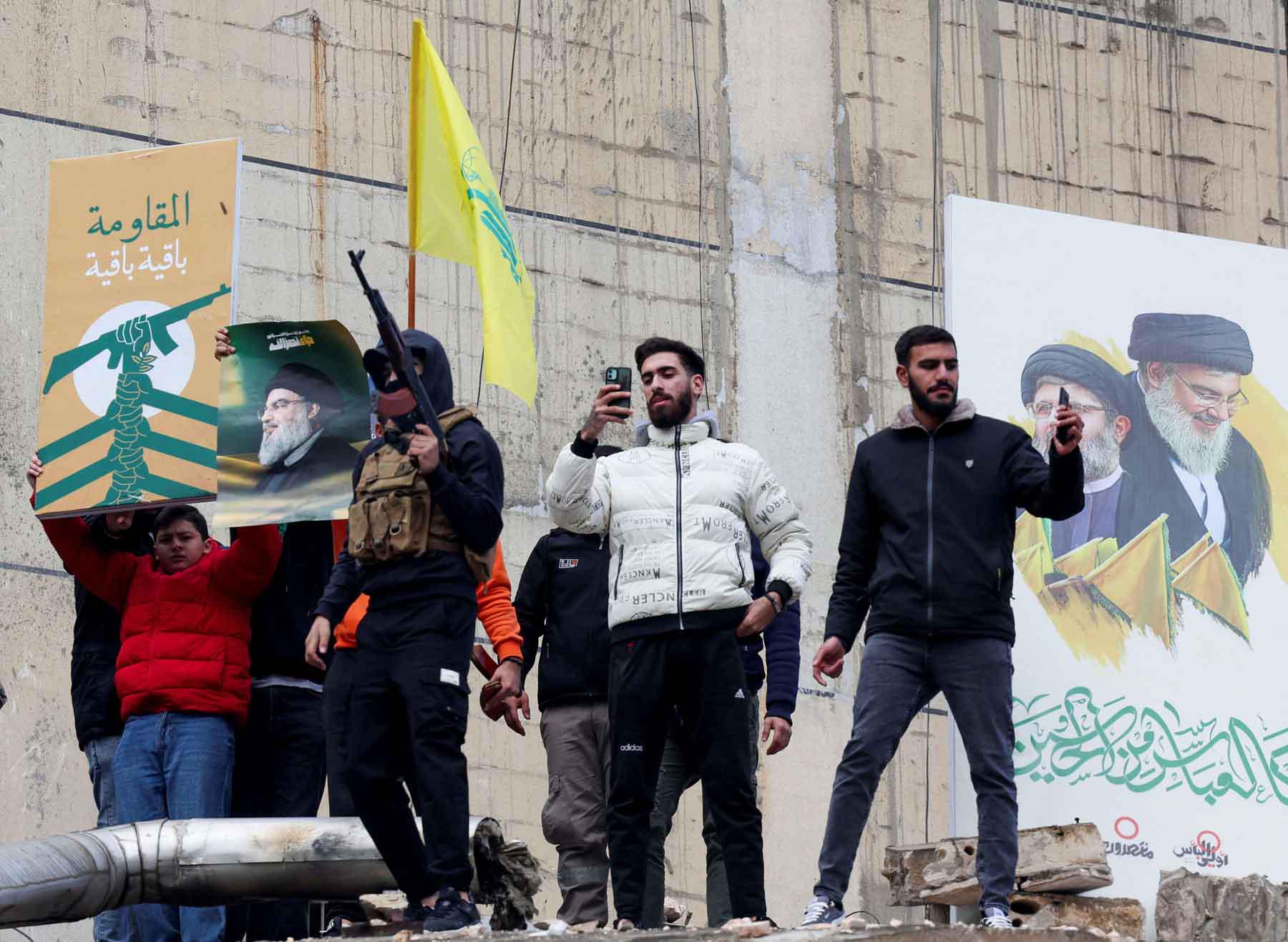
Under the ceasefire, Hezbollah was to withdraw north of the Litani River, paving the way for its eventual disarmament across Lebanon, while Israeli forces were to pull back from areas they seized during the conflict. Yet Israel has retained five strategic positions inside Lebanese territory, and Hezbollah has refused to disarm, arguing that the agreement applies only to the border zone south of the Litani.
Lebanese authorities approved a plan in August to disarm Hezbollah as part of the agreement, and the army has begun implementing it. The first phase, covering areas south of the Litani River, is due to be completed by the end of the year. But progress remains contested, and both Israel and Washington accuse Beirut of falling short.
French officials say Paris senses an imminent threat to Lebanon, pointing to repeated and increasingly public Israeli warnings that the war could resume. At the same time, France is uneasy about uncertainty over Washington’s stance, with a prevailing view in Paris that President Donald Trump’s administration is not inclined to restrain Israel.
Caught between Israeli pressure on one side and Hezbollah’s refusal to hand over its weapons on the other, France has been searching for a way to protect Lebanon, and to demonstrate that the Lebanese army is doing what it can. That effort has crystallised around a proposal for a new mechanism to document disarmament steps in a clear and verifiable way.
French Foreign Minister Jean-Noel Barrot has said France is “working on a second mechanism to monitor the disarmament of Hezbollah.” The proposal would see elements of the UN Interim Force in Lebanon (UNIFIL) accompany army units during inspections and seizures, document operations and make the results public, providing tangible evidence of progress.
In recent weeks, the Lebanese army has stepped up efforts to showcase its role. A large-scale tour of the south on December 15, led by Haykal and attended by ambassadors and military attachés, followed earlier visits by UN Security Council representatives and separate tours for Lebanese and international media. French officials say these moves are meant to rebut claims of foot-dragging and military inadequacy.
Thursday’s meeting caps an intense diplomatic push by Paris, including two visits in less than a month by President Emmanuel Macron’s Middle East adviser Anne-Claire Legendre and his personal envoy to Lebanon Jean-Yves Le Drian. Macron himself has focused on two tracks: a conference to support the Lebanese army and security forces, and a separate meeting on economic aid and reconstruction. Neither has yet been scheduled.
Haykal’s presence in Paris is seen as particularly significant. Diplomats say he is expected to present a detailed account of the challenges facing the army, foremost among them Israel’s refusal to withdraw from five positions it still occupies. He is also expected to outline what the army has achieved over the past four months south of the Litani, and his plans to extend state control elsewhere.
Another sensitive issue will be the role of the existing five-party mechanism monitoring the ceasefire, which now includes a Lebanese diplomat and an Israeli representative. More than a year after its creation, it has failed to stop near-daily Israeli operations. US envoy Morgan Ortagus and Le Drian, both attending Thursday’s talks, are expected to travel to Lebanon afterwards to take part in a meeting of the mechanism.
Washington and Israel are also pressing to broaden discussions to include political and economic issues, including potential negotiations between Lebanon and Israel, a move that has alarmed Lebanese officials and drawn opposition from Hezbollah. Ortagus is expected to outline US timelines for placing all weapons under state control, further raising the stakes.
At the heart of the Paris meeting, however, lies a deeper question: whether international partners are still willing to invest in Lebanon. France openly acknowledges that confidence has been badly damaged, not only among Gulf donors but elsewhere. As a result, assistance is increasingly being tied to concrete results, both on security and on economic reform.
Diplomats say other files could surface, including the poorly demarcated Lebanese-Syrian border, which Paris believes Hezbollah has used to justify retaining its weapons. France says it is ready to help Beirut and Damascus, but insists trust must be rebuilt on both sides.
For now, Lebanon remains suspended between fragile calm and renewed escalation. Thursday’s meeting will not resolve that dilemma, but it may determine whether the country can still persuade its partners that the Lebanese army, and the state behind it, is capable of holding the line.