

Divisive figure
From presidency battle to premiership gamble, Iraq faces turning point
Critics warn that Maliki’s return could reverse that trajectory, pulling Baghdad back into Tehran’s orbit and risking renewed Arab isolation.
Wednesday 21/01/2026
Divisive figure
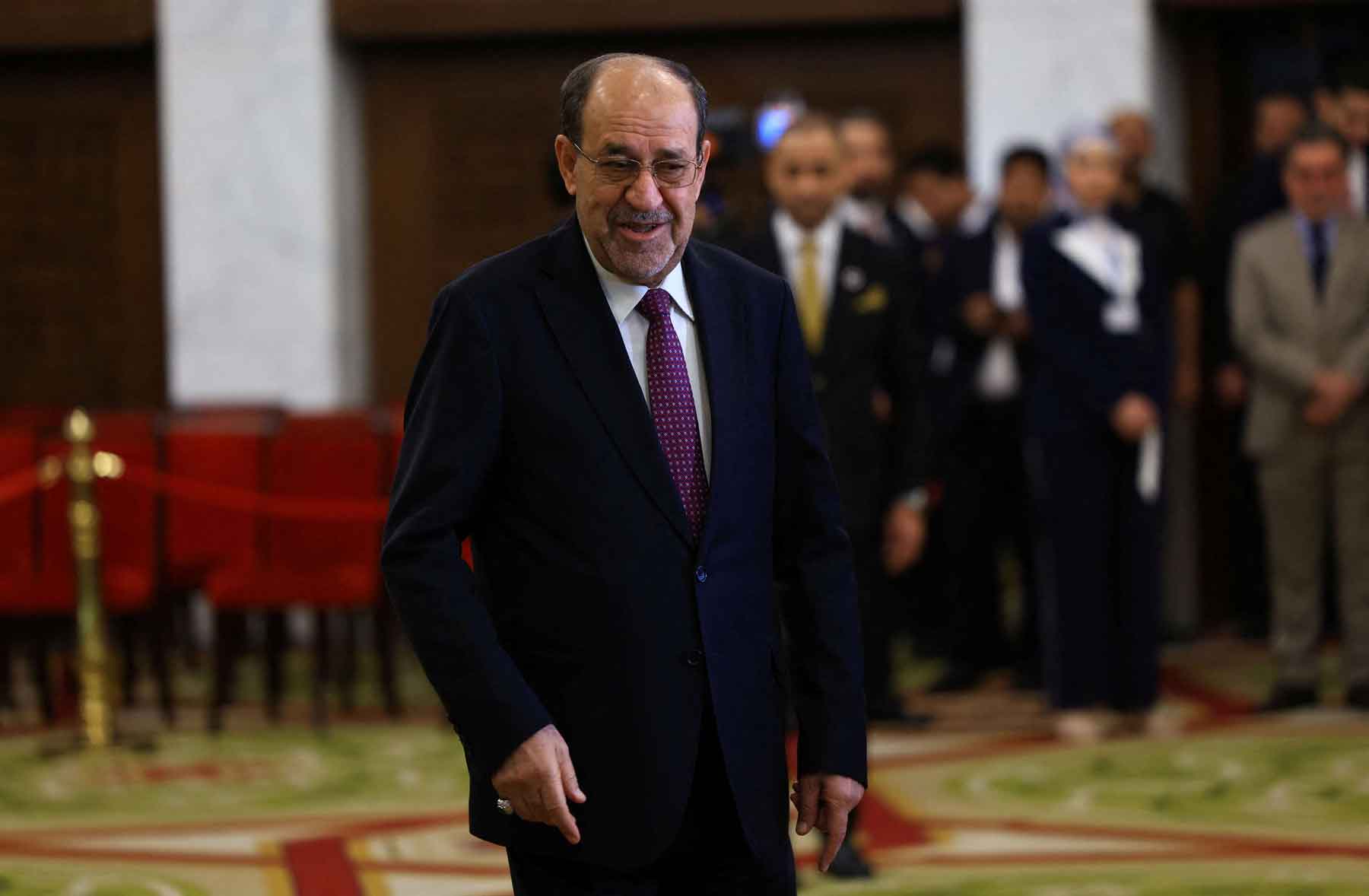
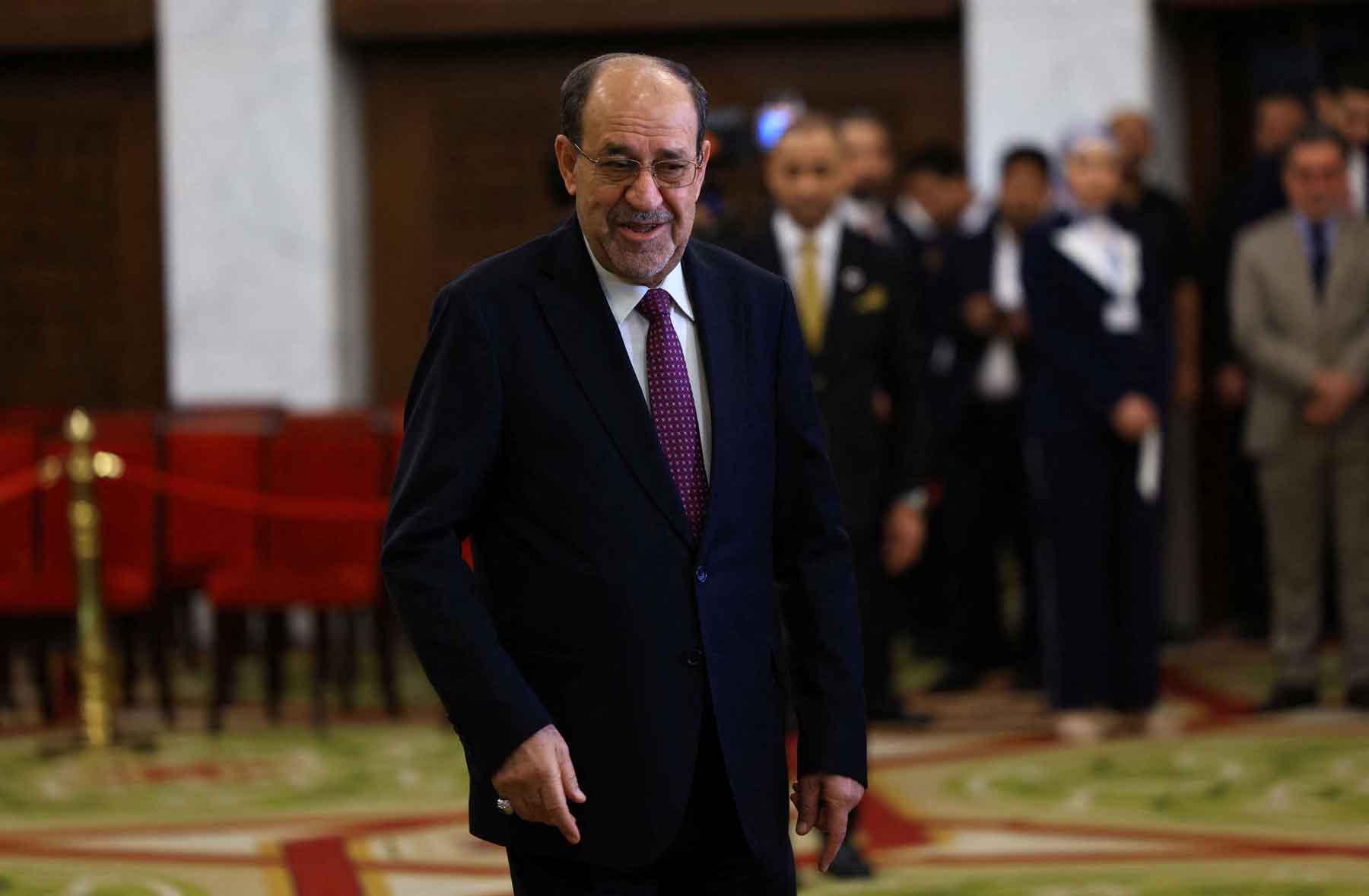
BAGHDAD – Iraq’s Iran-aligned Coordination Framework has effectively settled on nominating former prime minister Nouri al-Maliki to lead the country’s next government, a move senior insiders describe as a “political earthquake” that could redraw alliances and reignite old rivalries at a moment of deep internal and regional tension.
The decision, confirmed by senior figures within the Coordination Framework, the umbrella grouping of Shiite parties close to Tehran, goes far beyond replacing the incumbent Prime Minister Mohammed Shiaa al-Sudani. It signals the potential return of one of the most polarising figures in post-2003 Iraq, reviving memories of a turbulent era marked by sectarian division, security failures and bitter political confrontations.
According to Shafaq News, Hussein al-Battat, a lawmaker from Maliki’s State of Law coalition, said the Framework would convene formally in the coming days to announce Maliki as its sole candidate for the premiership. He stressed that the nomination is tied to constitutional timelines, with the process expected to advance once the battle over the presidency is settled, potentially as early as next week.
The move follows what sources describe as a tactical or forced withdrawal by Sudani, who appears to have failed to secure backing for a second term from influential hardliners within the Framework. Maliki, they argue, is viewed as the strongest figure capable of reasserting control over Iran-aligned armed factions and disciplining the competing power centres inside the alliance.
Yet Maliki’s return is widely seen as a red line for his long-time rival, cleric Muqtada al-Sadr. For the Sadrist movement, the prospect of Maliki reclaiming the premiership amounts to a declaration of political war. Analysts expect Sadr to once again mobilise supporters towards Baghdad’s Green Zone and public squares, rejecting what he calls the “recycling of failed faces.”
The hostility runs deep. The Sadrists have not forgotten the violent confrontations with Maliki’s government in 2008, making any reconciliation virtually impossible and raising fears that Iraq could slide into a dangerous security impasse, not merely a political deadlock.
Maliki’s candidacy also faces strong popular and international resistance rooted in his record. As commander-in-chief during his second term, he has long been accused of grave negligence following the 2014 collapse of Iraqi security forces and the Islamic State group’s seizure of nearly a third of the country. His return is expected to revive calls for long-stalled domestic and international investigations into that period.
In Iraq’s Sunni-majority provinces, Maliki is still widely viewed as the architect of marginalisation policies that fuelled mass protests in 2013. Any new government led by him would likely require extensive political guarantees, potentially in writing, to Sunni and Kurdish forces to secure parliamentary backing.
Washington, meanwhile, is believed to maintain an undeclared veto over figures seen as deepening Iran’s unchecked influence in Baghdad. A Maliki premiership could prompt a reassessment of the US-Iraq Strategic Framework Agreement, alongside a scaling-back of security and financial cooperation, particularly as the US Federal Reserve tightens oversight of dollar flows and Donald Trump’s administration signals a tougher line against Tehran-aligned groups.
Over recent years, Iraq has made notable strides in reopening to its Arab neighbourhood, strengthening ties with Saudi Arabia, Egypt and Jordan. Critics warn that Maliki’s return could reverse that trajectory, pulling Baghdad back into Tehran’s orbit and risking renewed Arab isolation.
Supporters of the former premier, however, promote him as a strongman capable of restoring the “authority of the state” and curbing the chaos of uncontrolled weapons. But the economic reality he would face in 2026 is starkly different from his previous tenure: a global shift away from oil dependency, an Iraqi budget bloated by public-sector employment, and limited fiscal room to deliver on reconstruction promises.
Many analysts now describe Maliki’s nomination as an existential gamble for the Coordination Framework itself. Success could mean imposing central authority through a powerful government; failure could unleash a wave of mass protests that threatens to dismantle the alliance’s influence altogether.
The political stakes were further heightened this week after Iraq’s Federal Supreme Court upheld the exclusion of 24 presidential candidates while overturning the disqualification of four others. The court ordered parliament to reinstate the four approved candidates, stressing that its rulings are final and binding.
The decision comes amid escalating disputes over the allocation of Iraq’s top offices. Under the country’s power-sharing system, the presidency is reserved for the Kurdish component, typically contested between the Kurdistan Democratic Party and the Patriotic Union of Kurdistan. Parliament had earlier announced a list of 15 candidates, including caretaker foreign minister Fuad Hussein and veteran politician Nizar Amedi.
With constitutional deadlines looming, lawmakers are required to elect a president within one month of parliament’s first session, a clock that runs out at the end of January. The newly-elected president will then have 15 days to task the largest parliamentary bloc with forming a government, setting the stage for what could be one of the most consequential political confrontations in Iraq’s post-war history.