

Risk of expanding the scope of any regional conflict
Pro-Iran factions raise spectre of wider conflict amid US naval build-up
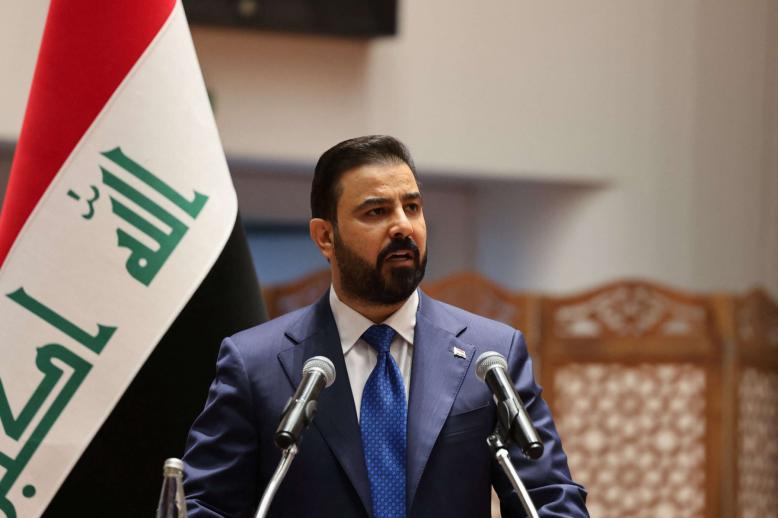
In Iraq, Secretary-General of Harakat al-Nujaba Akram al-Kaabi struck a defiant tone, saying: “With regard to Iran, the Iraqi people will not stand by and watch what happens to their friends.”
Thursday 29/01/2026
Risk of expanding the scope of any regional conflict
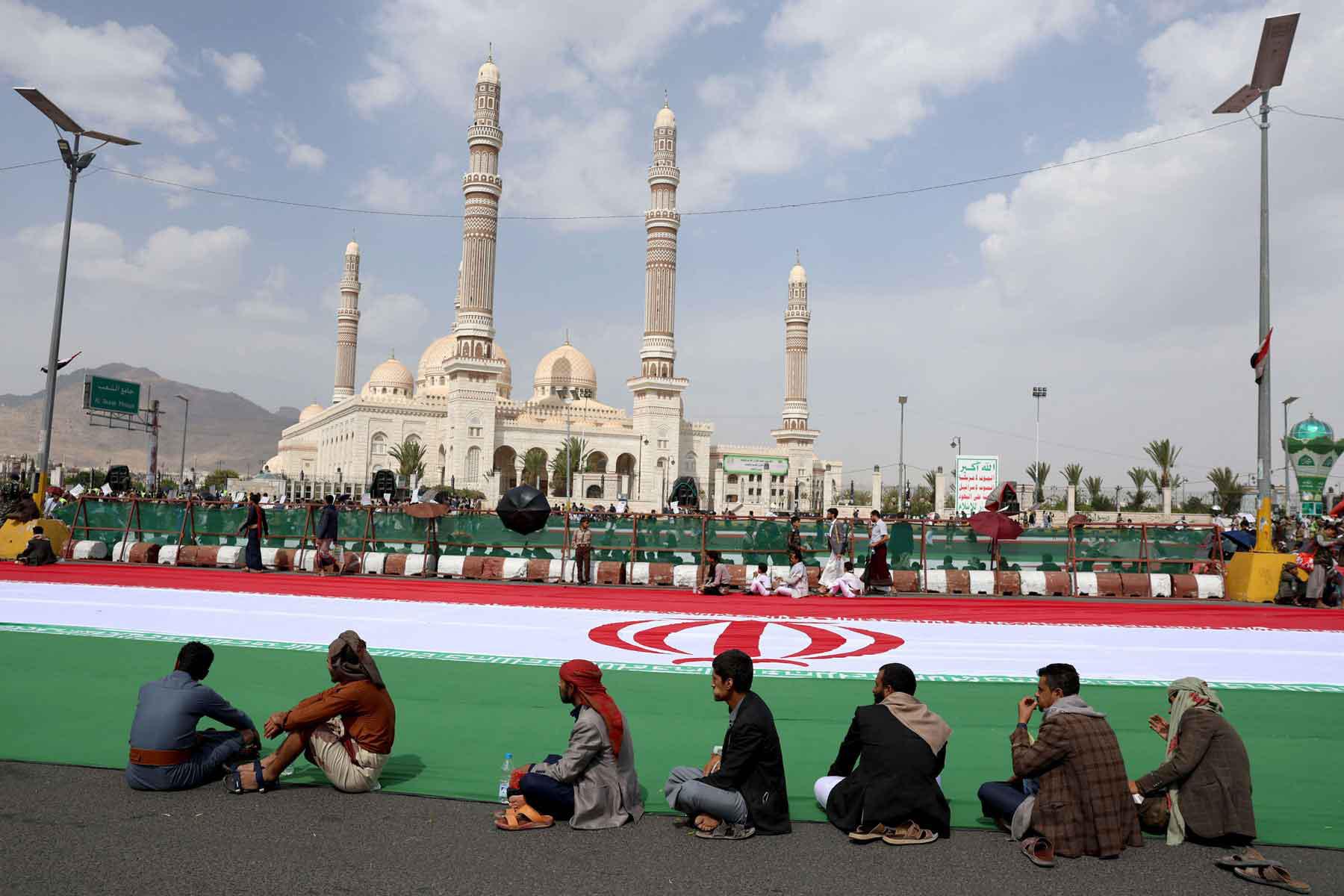
TEHRAN – The growing prospect of a US military strike against Iran has prompted armed factions allied to Tehran in Iraq, Lebanon and Yemen to signal their readiness to support the Islamic Republic and potentially expand the scope of any regional conflict, despite their own weakened positions following major geopolitical shifts in the Middle East.
Warnings from Lebanon’s Hezbollah, Iraq’s Harakat al-Nujaba and Yemen’s Houthi movement have emerged in response to renewed threats by US President Donald Trump, who has warned Tehran of severe consequences unless it agrees to negotiate over its nuclear programme.
The statements come at a time when Iran’s regional allies are grappling with reduced influence and growing isolation, following the fallout from the Gaza war and the collapse of Syria’s former regime, developments that have collectively eroded Tehran’s reach across the region.
Earlier on Wednesday, Trump said a “huge armada” was moving towards Iran, warning that the country must cooperate or face a “far worse attack.” He urged Tehran to quickly return to the negotiating table to “negotiate fair and equitable deal ... one that is good for all parties,” stressing that any agreement would exclude nuclear weapons.
From Lebanon, Hezbollah on Wednesday night hinted at the possibility of intervening should the United States carry out an attack on Iran.
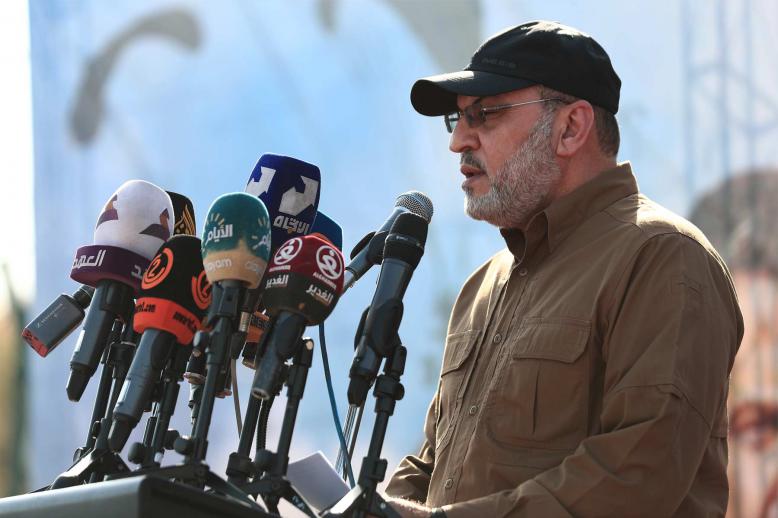
Asked whether the group would step in if Iran were targeted, Hezbollah official Nawaf al-Moussawi, who oversees the party’s resources and border portfolio, replied: “We cross the bridge when we get to it,” according to breaking news carried by Al Mayadeen television.
In Iraq, Secretary-General of Harakat al-Nujaba Akram al-Kaabi struck a defiant tone, saying: “With regard to Iran, the Iraqi people will not stand by and watch what happens to their friends, those who stood with them in times of hardship in the fight against terrorism and extremism.” His remarks were reported on Wednesday by Iran’s official news agency IRNA in Arabic via a verified account on the X platform.
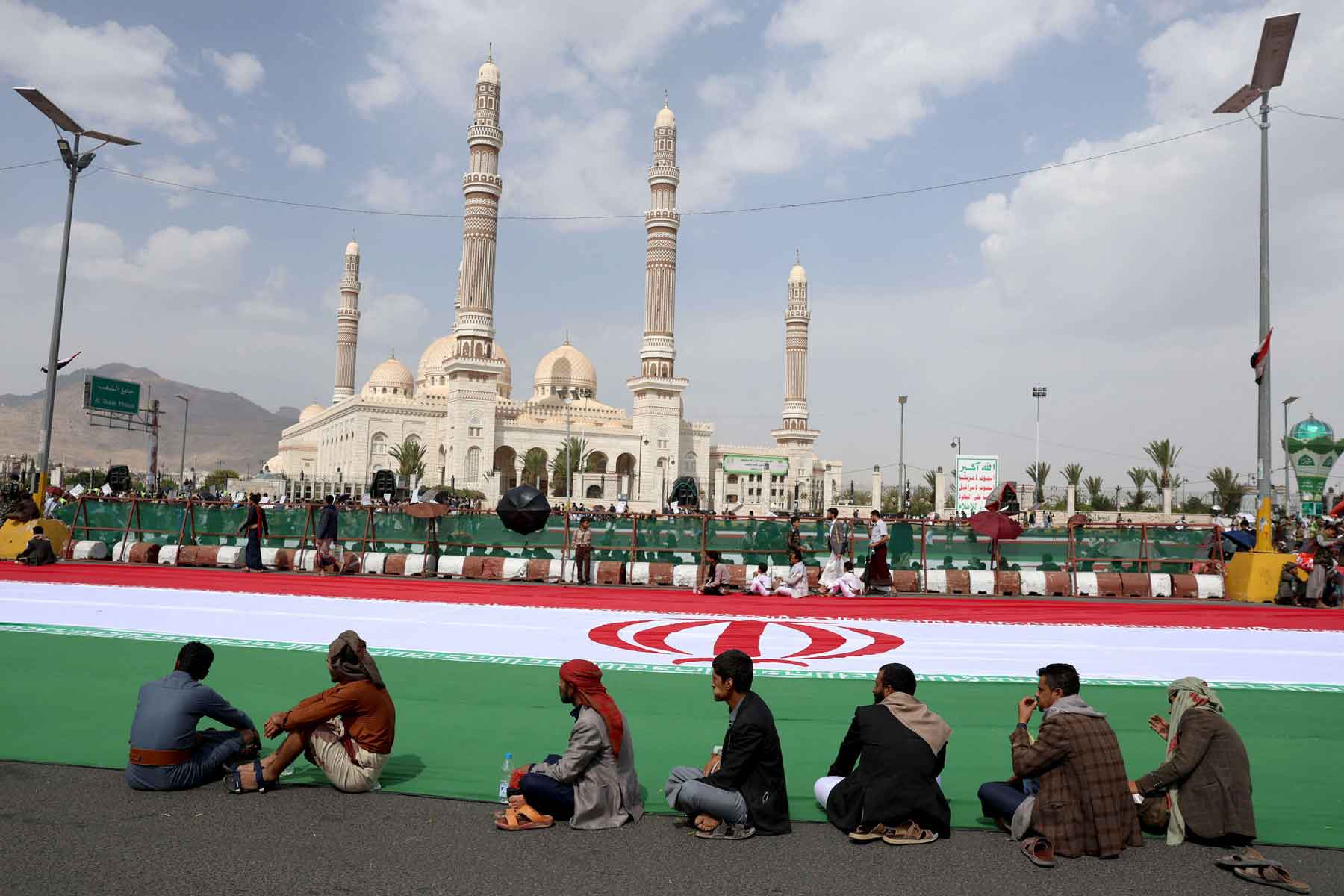
IRNA also quoted a military source in Sana’a as saying the Houthi movement would not allow US warships or aircraft carriers to approach the Red Sea or the Arabian Sea, describing such assets as a threat to Yemen amid rising regional tensions triggered by American threats against Iran.
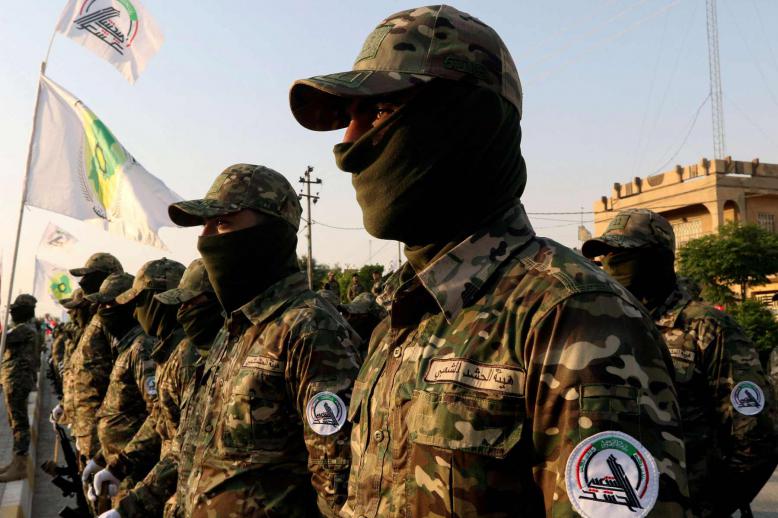
On Tuesday, Iraq’s Kata’ib Hezbollah issued a statement calling for readiness for a “comprehensive war” in support of Tehran, praising Iran for having “stood for more than four decades alongside the oppressed and all just causes of the Muslim nation, without regard to sect, colour or ethnicity.”
These developments coincide with increasingly explicit US signals that a military strike against Iran remains on the table. Tehran believes Washington is seeking to use sanctions, pressure and internal unrest as a pretext for external intervention aimed at regime change.
The New York Times reported on Tuesday that the US military has deployed additional Patriot and THAAD air defence systems to the Middle East to protect American forces from potential Iranian missile attacks should Washington move against Tehran.
US media also reported on Saturday that the aircraft carrier USS Abraham Lincoln, accompanied by three destroyers, arrived in the Indian Ocean on Friday en route to the US Central Command’s area of operations in the Gulf of Oman.
On the Iranian side, Ali Shamkhani, an adviser to Supreme Leader Ayatollah Ali Khamenei, warned on Wednesday that Iran would respond to any attack, even a “limited” one, with a “comprehensive and unprecedented” retaliation.
In a message posted on X in several languages, including Hebrew, Shamkhani said: “The idea of a limited attack is a misconception. Any military action, by any party and at any level, will be considered the beginning of a war and will be met with an immediate, comprehensive and unprecedented response, targeting the heart of Tel Aviv and all those who support the aggressor.”
The escalating rhetoric follows the 12-day Israeli assault on Iran launched on June 13, 2025, with US backing. The offensive targeted military and nuclear sites, civilian infrastructure, and included the killing of senior commanders and scientists. Iran responded by striking Israeli military and intelligence facilities with missiles and drones.
Ten days later, the United States attacked Iran’s nuclear facilities, claiming they had been “neutralised.” Tehran retaliated by striking the US Al Udeid airbase in Qatar, before Washington announced a ceasefire between Israel and Iran on June 24.