




Made by Iran
Probe reveals Yemen’s Houthis acquired Iran's advanced missiles, drones
The Conflict Armament Research documents over 800 weapons components seized in the Red Sea, exposing significant Iranian-supplied arsenal.
Tuesday 12/05/2026
Made by Iran
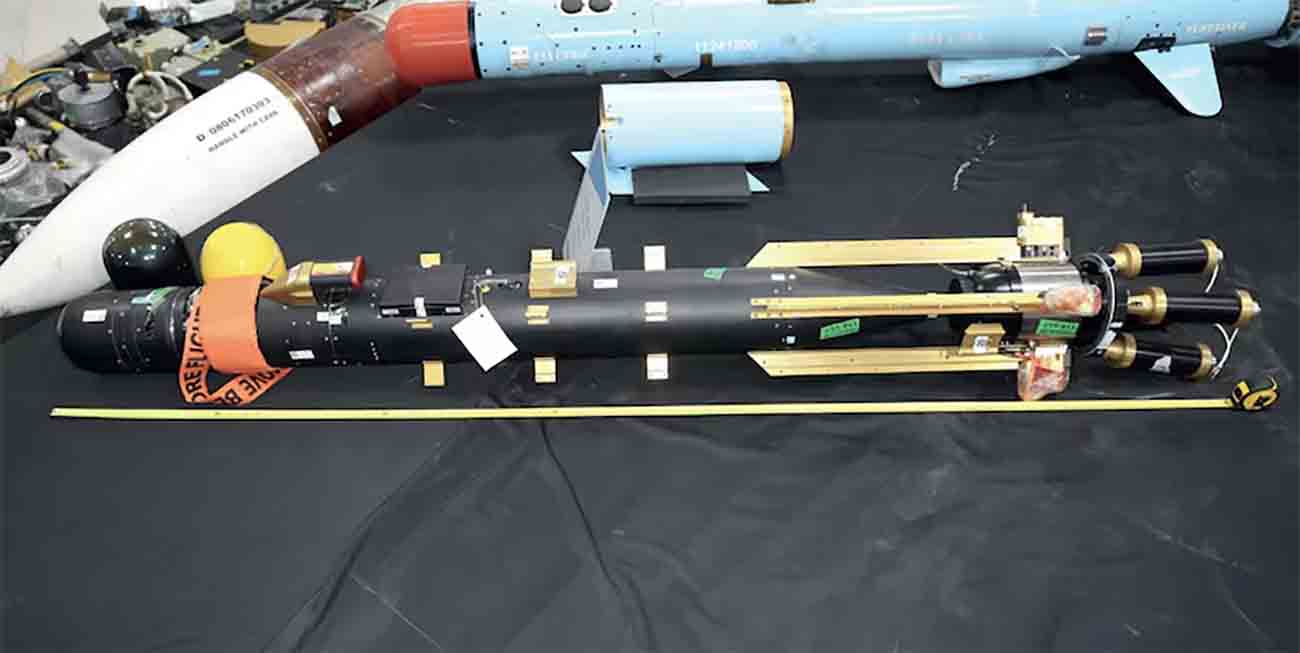
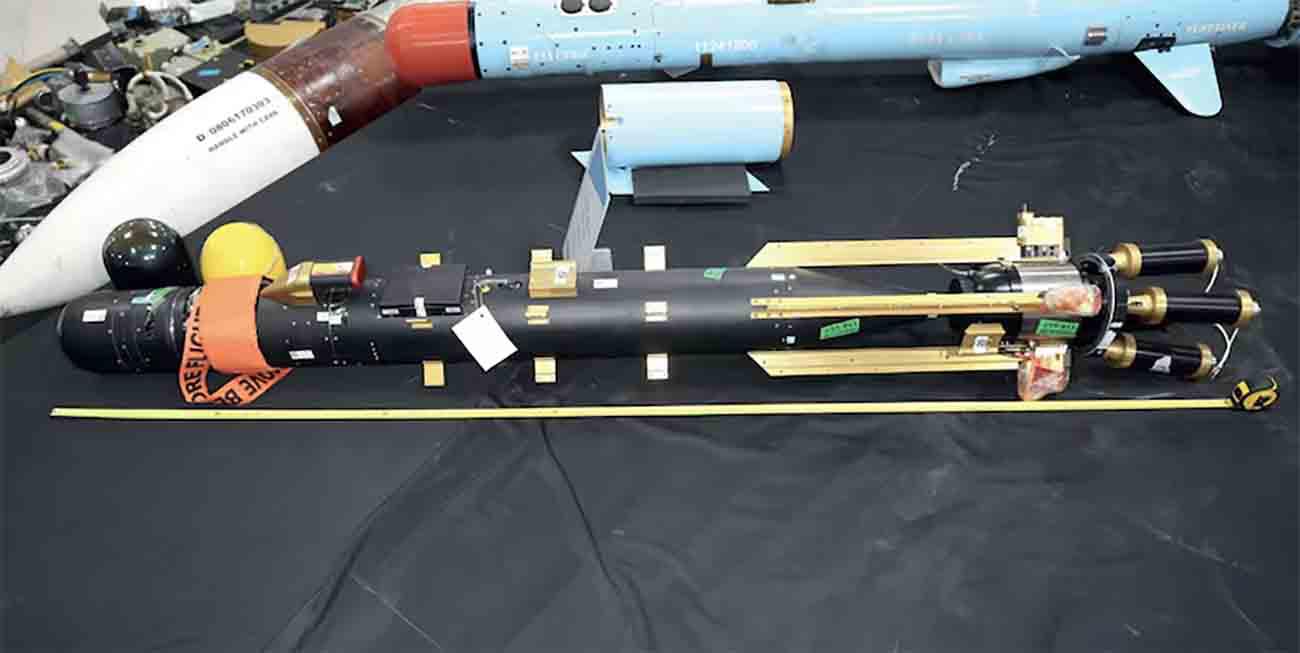
LONDON — A new investigation by Conflict Armament Research (CAR) has uncovered alarming evidence that the Iran-backed Houthi militants in Yemen have obtained a sophisticated array of advanced missiles and uncrewed aerial vehicles (UAVs), based on the analysis of more than 800 weapons components recovered from seizures in the Red Sea.
The detailed report by the London-based conflict monitoring group highlights the growing technical capability of the Houthis, who have repeatedly targeted international shipping in the Red Sea and Gulf of Aden since late 2023.
According to CAR, the examined components — recovered from interdicted vessels and attacks — demonstrate that the Houthis now possess modern guidance systems, propulsion technologies, and drone components far more advanced than previously assessed. Many of the parts show clear links to Iranian manufacturing and design.
The Houthis have acquired advanced anti-ship missiles, ballistic missiles, and long-range attack drones.
“Crucially, the missile names are all Iranian rather than the terms used by the Houthis,” CAR reported.
Several components feature dual-use technologies and precision guidance systems typically associated with state-level military programs.
The scale and sophistication suggest a sustained and organised supply network, primarily from Iran.
“These findings illustrate a significant enhancement in the Houthis’ strike capabilities,” the report states, warning that the group’s ability to threaten one of the world’s most important maritime trade routes has increased substantially.
CAR’s latest investigation provides some of the strongest public evidence yet of the depth of Iranian support to the Houthis, despite Tehran’s repeated denials.
Western officials have long accused Iran of supplying the Houthis with advanced weaponry, including components for ballistic and cruise missiles as well as drone technology. The CAR report adds substantial weight to those claims through physical evidence recovered directly from the battlefield and maritime interdictions.
The findings are likely to increase pressure on the international community to strengthen maritime security operations in the Red Sea and to tighten enforcement of sanctions aimed at disrupting arms flows to the Houthis.
Analysts warn that the Houthis’ expanding arsenal not only threatens commercial shipping but also raises the risk of broader regional destabilisation, particularly amid the wider tensions in the Middle East.