

Call to prioritise reason
Saudi Arabia draws red line in Hadramout amid fears of renewed violence
A spokesman for the Saudi-led coalition said any escalation by the STC that threatens stability in Hadramout would be dealt with to safeguard civilians.
Saturday 27/12/2025
Call to prioritise reason
RIYADH/ADEN –
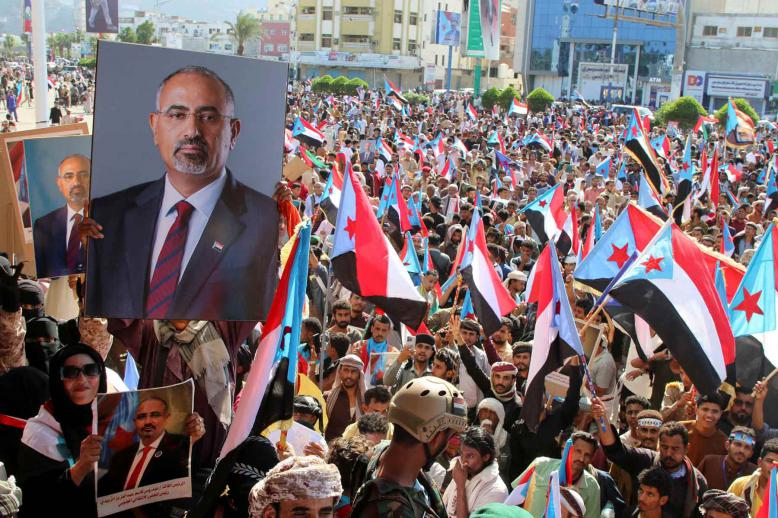
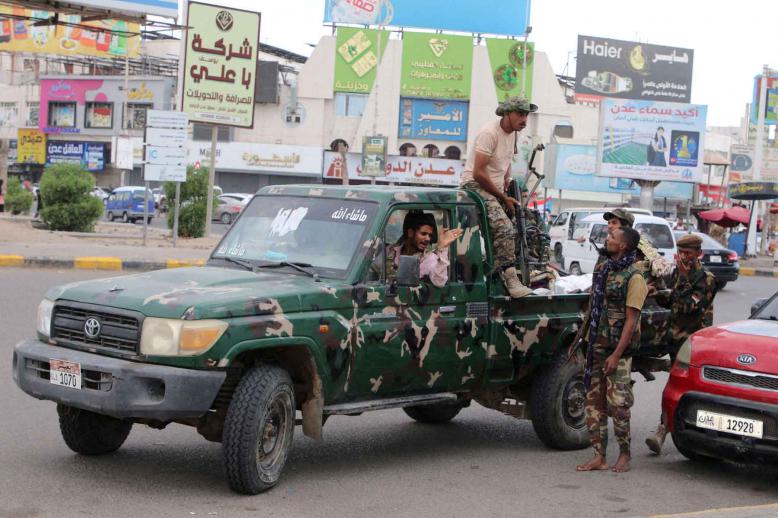
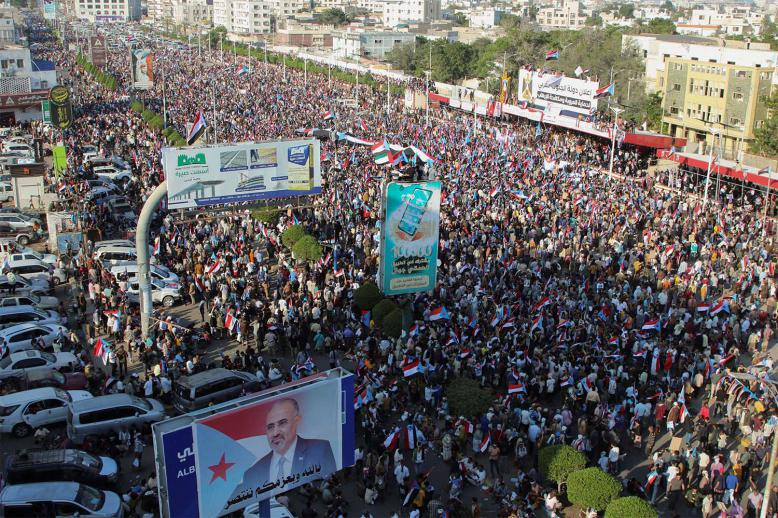
Saudi Arabia said it would take action to protect civilians in Yemen’s eastern Hadramout province if military moves by the Southern Transitional Council (STC) undermine de-escalation efforts, underlining Riyadh’s determination to prevent renewed internal conflict within the anti-Houthi camp.
A spokesman for the Saudi-led coalition said any escalation by the STC that threatens stability in Hadramout would be dealt with to safeguard civilians, a stance that reflects Saudi concern over the risk of Yemen sliding into fresh power struggles away from the front lines with the Iran-aligned Houthis.
The warning came after Yemen’s Presidential Leadership Council (PLC) chief Rashad al-Alimi formally requested immediate coalition intervention to protect civilians in Hadramout, accusing STC forces of committing what he described as “serious humanitarian violations,” according to Yemeni state media.
Saudi officials see Hadramout as a strategic “red line” due to its vast territory, oil resources and location bordering Oman and Saudi Arabia, and fear that instability there could create security vacuums exploited by extremist groups or the Houthis.
Saudi Arabia and the United Arab Emirates are working in parallel to contain divisions within Yemen’s internationally recognised government, which is a fragile coalition of rival factions united mainly by opposition to the Houthis, who control much of northern Yemen including the capital Sana’a.
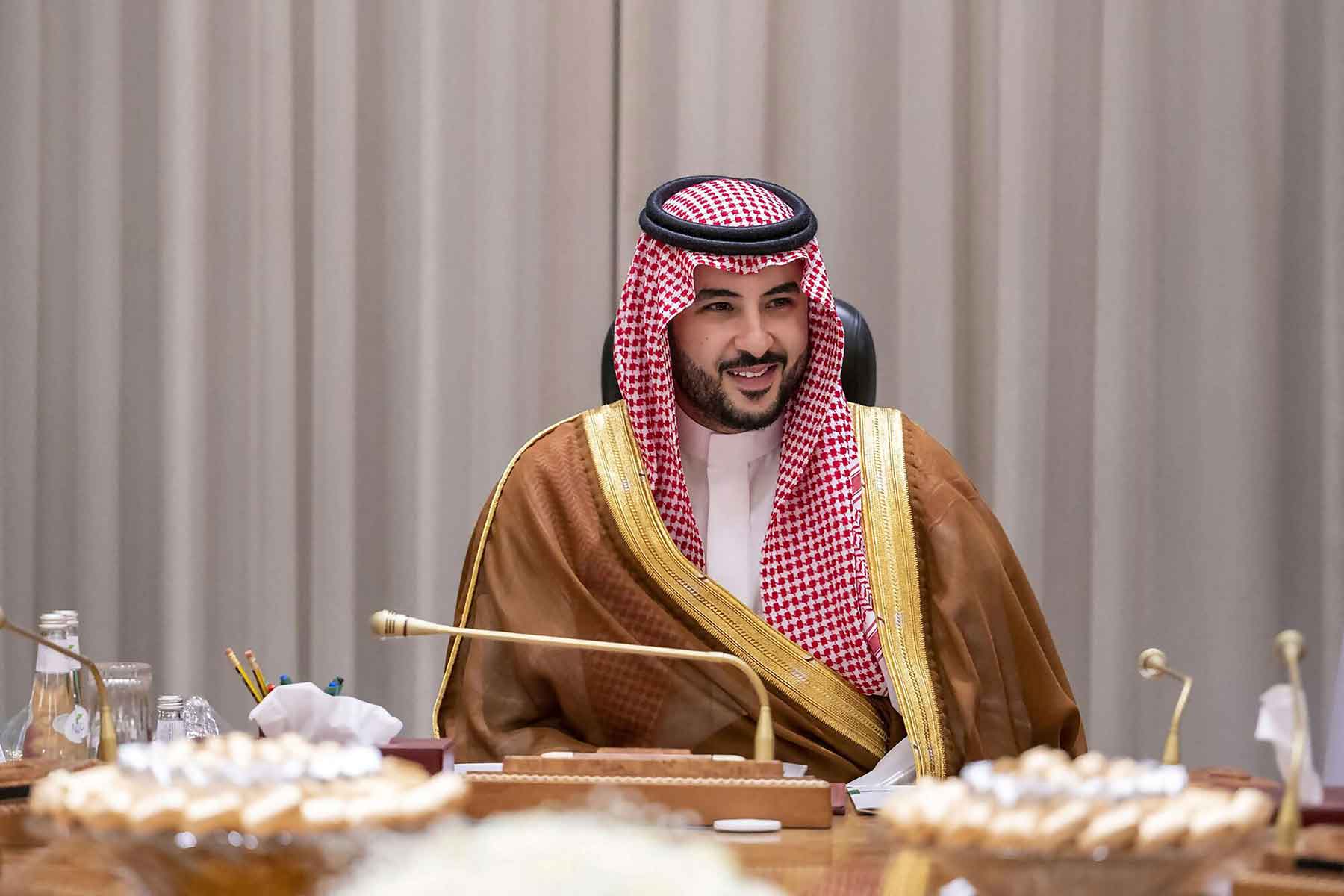
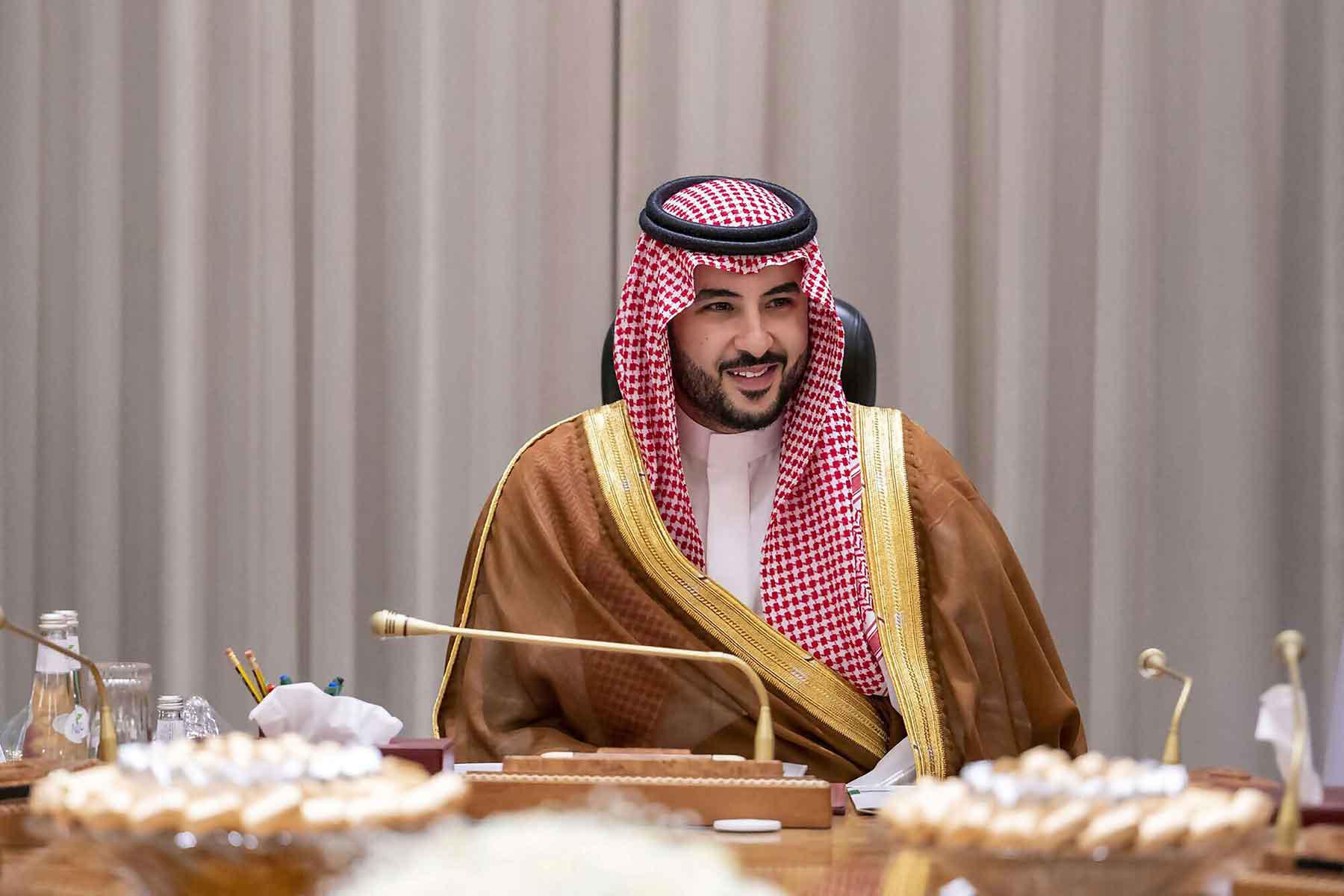
Saudi Defence Minister Prince Khalid bin Salman on Saturday urged the STC to withdraw its forces from Hadramout and neighbouring al-Mahra and to hand over control peacefully to local authorities.
“It is time for the STC, at this sensitive stage, to prioritise reason, wisdom, the public interest and unity of ranks,” Prince Khalid said in a post on X, calling on the group to respond to Saudi-Emirati mediation and end the escalation.
He said the question of southern Yemen was of major importance and could only be resolved through consensus and confidence-building among Yemenis.
The Saudi-led coalition earlier said it was coordinating closely with the UAE to ensure the withdrawal of STC forces, enable local authorities to carry out their duties and maintain calm in the eastern provinces, according to the Saudi Press Agency.
Prince Khalid highlighted Saudi Arabia’s long-standing role in Yemen, recalling efforts such as the Riyadh Conference that brought together Yemeni factions to map out a political settlement, including addressing southern grievances.
“The Kingdom has always been keen that its sacrifices serve the restoration of the state and territory, not become a gateway to new conflicts,” he said, noting Saudi political, economic and humanitarian support to Yemen over years of war.
Saudi Arabia on Thursday had condemned what it called unilateral military actions by the STC in Hadramout and al-Mahra, warning that they risked unjustified escalation.
Analysts say renewed clashes between STC forces, government troops or Hadrami local groups could divert resources from the fight against the Houthis, trigger displacement in relatively stable areas and disrupt oil production, deepening civilian suffering.
Yemen has been at war since 2014, when the Houthis ousted the government from Sana’a. Although fighting has eased since a UN-brokered truce in 2022, internal rivalries continue to threaten fragile stability in parts of the country.