

Futuristic cities reshaping Saudi Arabia's real estate sector
Saudi Arabia's new cities: Redefining the landscape of living and investment
The unprecedented urban and investment boom in the Kingdom is being embodied through mega-projects such as NEOM, Qiddiya, and the Red Sea under the framework of Vision 2030. These smart cities are reshaping the residential map while offering promising, sustainable real estate and investment opportunities through platforms like 'Bayut KSA'.
Tuesday 19/05/2026
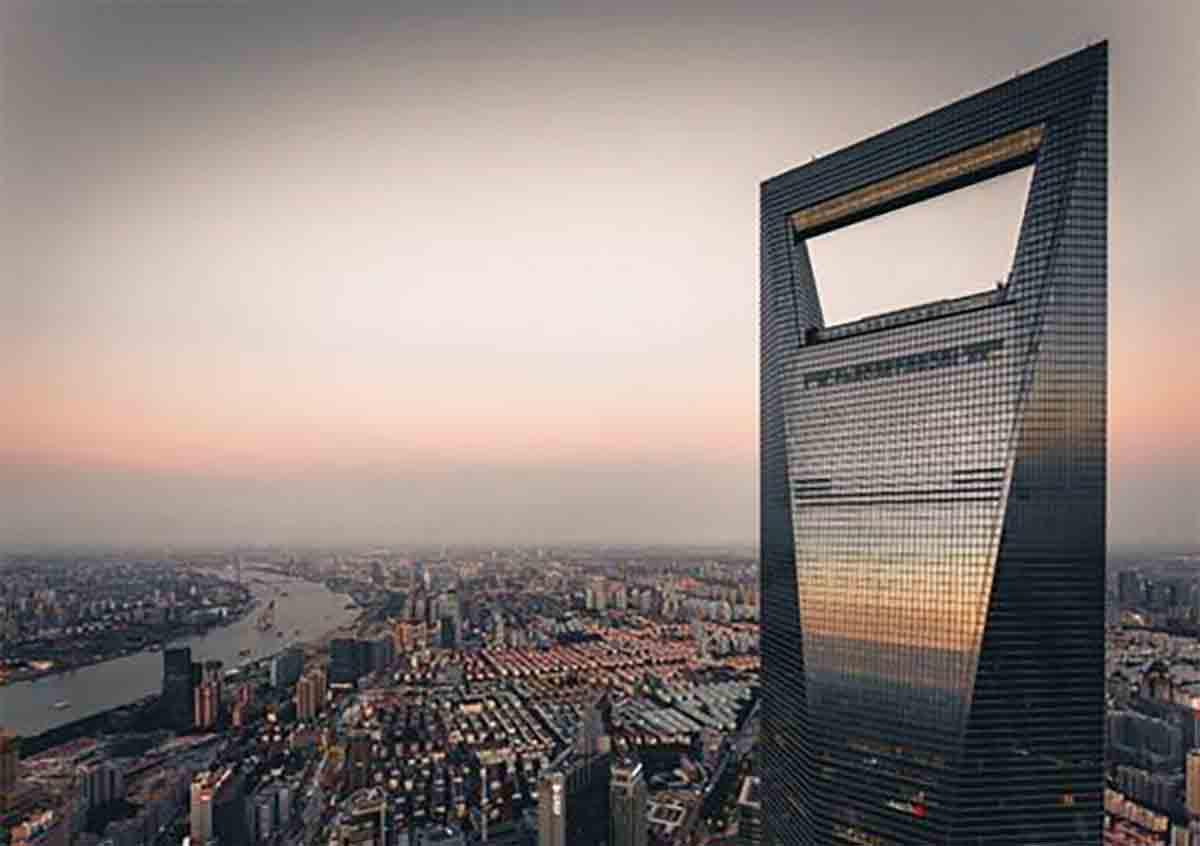
Futuristic cities reshaping Saudi Arabia's real estate sector
The Kingdom of Saudi Arabia is no longer waiting for the future; it is actively shaping it. Amid the ongoing transformations of Vision 2030, unprecedented mega-cities in modern history are rising across its lands. These are cities where the restructuring goes far beyond bricks and asphalt - they are fundamentally reshaping the very concepts of living, working, and investing.
These ambitious projects represent much more than mere new infrastructure; they are an explicit declaration that the Kingdom is positioning itself at the very heart of the global smart city map.
NEOM: The City That Defies the Conventional
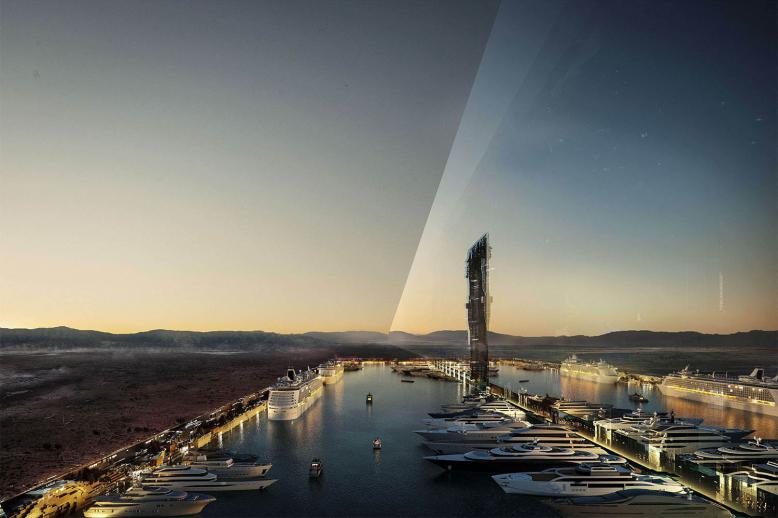
The NEOM project stands at the forefront of the transformative ventures redefining the concept of a "city." Spanning an area of 26,500 square kilometers in the Kingdom’s northwest, it features at its core "The Line" - a linear city stretching over 170 kilometres without cars or traditional streets, relying entirely on artificial intelligence and renewable energy.
What makes NEOM a distinct investment prospect is that it is not being built as an ordinary city, but as a civilizational model designed to be exported globally. NEOM aims to attract over 9 million residents by 2045, translating into massive demand for residential units, commercial facilities, hotels, and entertainment venues. With the Saudi government allocating more than $500 billion to achieve this dream, it ranks among the largest government investments in human history.
Qiddiya
Located 40 kilometers west of Riyadh, Qiddiya is rising to become the region’s capital of entertainment and sports. The city features a Formula 1 circuit, world-class water and theme parks, massive sports stadiums, and fully integrated residential areas.
From a real estate investment perspective, what sets Qiddiya apart is the economic draw generated by clustering entertainment services in a single geographic hotspot.
When major events converge in one location, the value of surrounding real estate inevitably appreciates, rendering nearby residential units a steady source of income through short-term and long-term rentals. Qiddiya has already begun drawing local and international investors eager to capitalize on this unique entertainment hub.
The Red Sea: Virgin Nature Transformed into a Luxury Destination
The Red Sea tourism project is one of the boldest real estate ventures the region has ever seen. Spanning an area of more than 28,000 square kilometres and encompassing over 90 pristine islands and coral reefs, it is designed to cater to luxury and sustainable tourism simultaneously.
The investment aspect of this project is not limited to hotels and resorts; it extends to fully integrated residential units tailored for those seeking second homes or vacation properties—a residential trend rapidly gaining traction among affluent Saudis and Gulf nationals. Thanks to project-specific regulations that allow foreign ownership in designated zones, the Red Sea project has become a genuine attraction for international investors seeking high returns in a stable environment.
Sudair, Trojena and Roshn: Completing the Map
The wave of urban development is not confined to these three mega-projects; it extends to smaller yet equally impactful cities and ventures. Trojena, located in the Tabuk region, is banking on mountain tourism as the first of its kind in the Arabian Peninsula, unlocking untapped opportunities in the mountainous hospitality real estate sector. Meanwhile, ROSHN - the prominent national developer - is working on integrated residential communities across the Kingdom to meet the needs of the middle class, helping advance national homeownership goals toward the target of 70% by 2030.
This geographic and thematic diversity in development projects reflects a profound understanding that the residential landscape cannot be altered by just one or two projects, but rather through a comprehensive ecosystem that accommodates various social segments and geographic regions.
The Impact of New Cities on the Rental and Ownership Markets
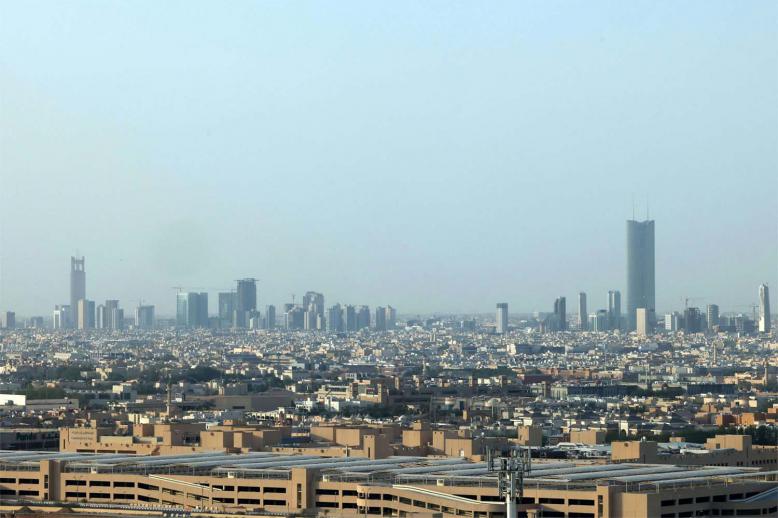
These mega-projects have catalyzed a tangible surge in the Saudi real estate market. Regions such as AlUla, Tabuk, and the northwest of the Kingdom in general have witnessed a notable spike in land and property prices. Concurrently, Riyadh has begun attracting a new segment of expatriate residents, including specialists and skilled professionals tied to these developments.
For those looking to monitor the market and scout available opportunities, platforms like Bayut KSA stand out as premier digital tools. They allow users to browse residential and commercial units available for sale or rent across various regions of the Kingdom, serving as a practical instrument for investors and home-seekers alike. Furthermore, the staffing requirements of NEOM and Qiddiya mean that thousands of professionals will require housing in adjacent areas, generating sustained rental demand for years to come.
Challenges That Cannot Be Ignored
Amid this widespread enthusiasm, legitimate questions arise that investors must take into account. The timelines for these projects are massive and complex, and some have seen adjustments during execution phases. Additionally, actual housing demand in some of these cities will only become completely clear once the initial development phases are wrapped up and residents are successfully drawn in. Moreover, the legislative and regulatory frameworks governing foreign ownership are still evolving, demanding close monitoring before any investment decisions are finalized.
Saudi Arabia's new cities are not merely construction projects or engineering blueprints; they represent a deep structural shift in how Saudis and residents view housing and investment. They serve as an open invitation to reimagine what it means to live, work, and invest in a country stepping confidently toward a completely different future. Anyone analyzing these projects will realize that the opportunity is measured not just by immediate financial returns, but by participating in shaping cities that will define the face of the region for decades to come.
Frequently Asked Questions (FAQs)
Are expatriates allowed to own real estate in new Saudi cities like NEOM?
Yes. Certain projects, such as NEOM and the Red Sea project, allow foreign real estate ownership under specialized regulations unique to each development, which differ from the Kingdom's general ownership laws. It is essential to review the detailed regulations of each specific project to verify exact conditions before making any decisions.
What are the expected timelines for the completion of these cities and when can people move in?
Timelines vary. Some phases of NEOM aim to welcome their first residents between 2030 and 2035, while Qiddiya is progressing through an advanced development stage with some of its facilities opening progressively.
How do these projects affect real estate prices in established Saudi cities like Riyadh and Jeddah?
These projects help boost overall real estate demand across the Kingdom, attracting new talent and residents, which drives up rental demand. However, their specific impact on prices in Riyadh and Jeddah remains tied to how successfully they attract residents to relocate, versus adding to the growth of major metropolitan areas.
What is the minimum real estate investment required for projects like Qiddiya or the Red Sea?
There is no uniform minimum investment, as it is determined by the unit type and the specific investment phase. Some projects are offered via Real Estate Investment Trusts (REITs), allowing entry with smaller amounts, whereas direct ownership requires higher capital. It is advisable to contact authorized developers directly for up-to-date pricing.
Are bank financing or mortgage programs available to purchase units in these new cities?
Certain Saudi banks have begun offering financing products tied to projects like Roshn. However, financing for units in NEOM and the Red Sea project remains limited and phased for the time being. These financial products are expected to expand as delivery dates approach and legal frameworks for ownership become fully clarified.
What is the difference between purchasing a property for personal residence versus investing for rental income in these new cities?
Purchasing a property for personal residence suits those planning to relocate and live within these integrated communities to benefit from their innovative environment. Conversely, investing for rental income is ideal for those targeting recurring yields, particularly in areas with high tourism demand like the Red Sea and Trojena. The core difference lies in the investment horizon, expected returns, and the level of risk involved.