



The Saudi approach to diversifying alliances
Saudi-Pakistan alliance deepens as Riyadh eyes $2bn fighter jet deal
The potential transaction goes beyond a conventional arms purchase, symbolising a strategic intertwining of economic and security interests.
Thursday 08/01/2026
The Saudi approach to diversifying alliances
RIYADH –
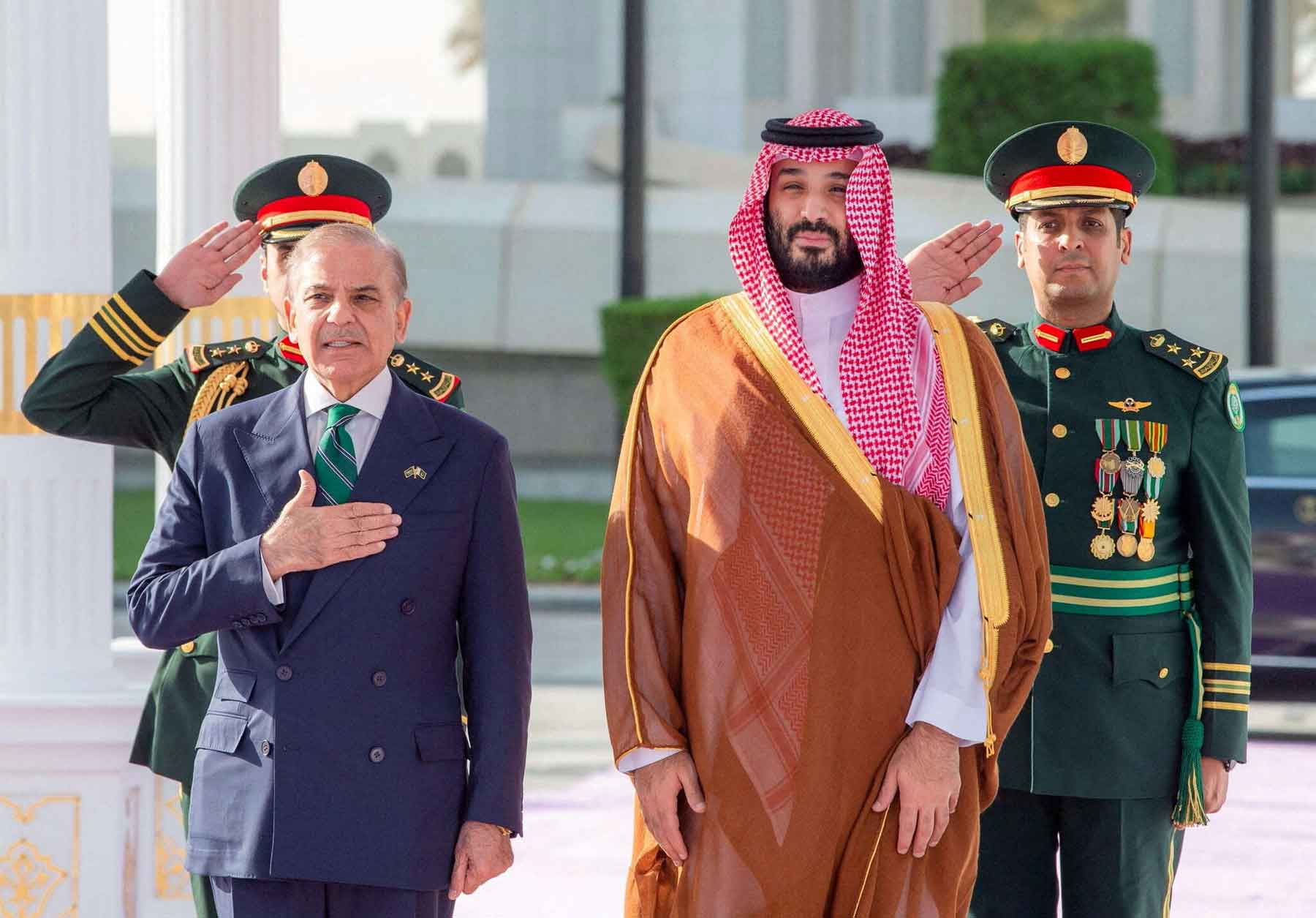
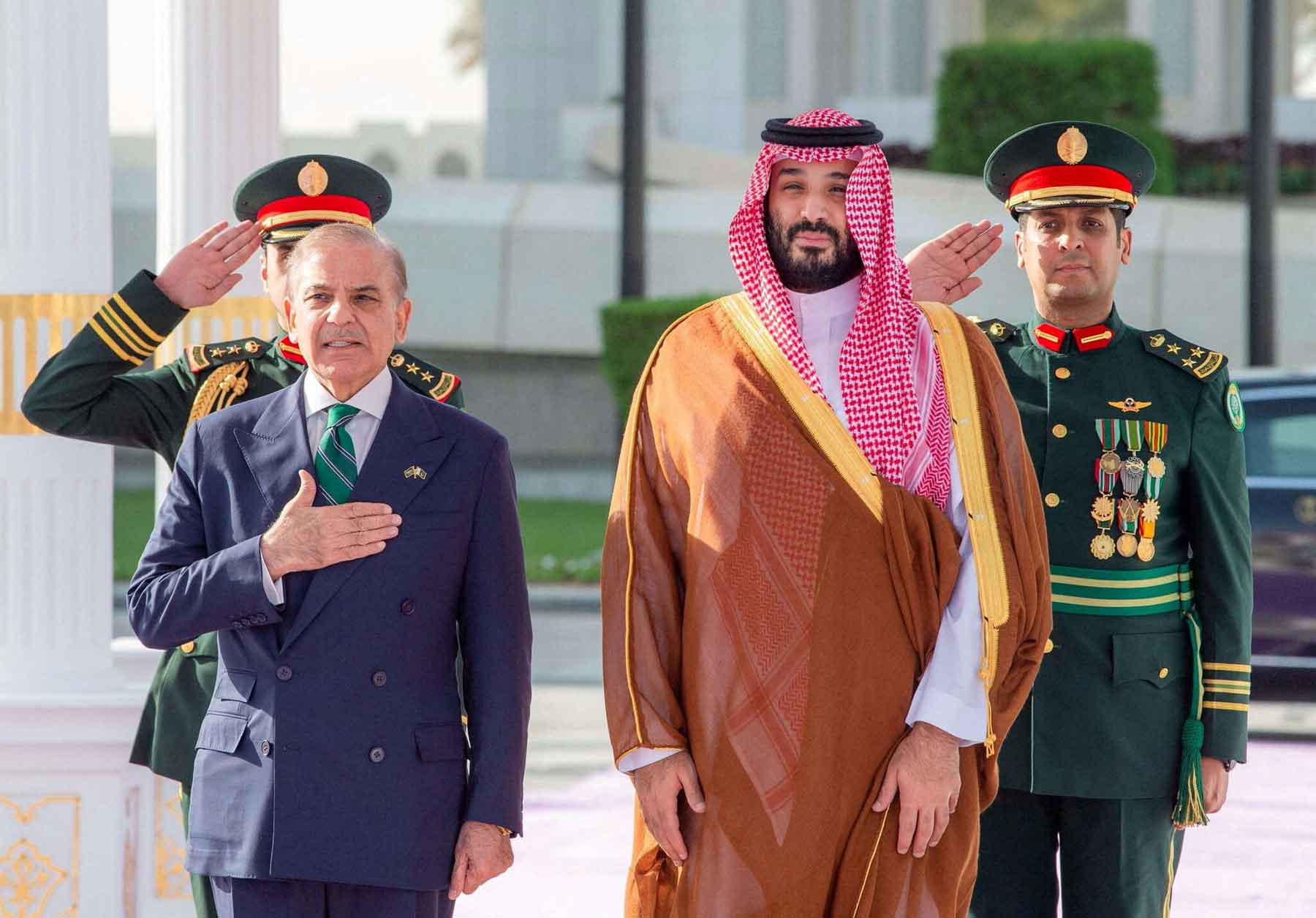
Riyadh and Islamabad are reportedly engaged in advanced negotiations to convert Saudi loans of approximately $2 billion into a military deal for JF-17 fighter jets, marking a significant deepening of defence cooperation between the two nations. The move comes months after the signing of a bilateral defence agreement in September 2025, which included clauses mirroring NATO’s Article 5, committing both countries to consider an attack on one as an attack on both.
The potential transaction goes beyond a conventional arms purchase, symbolising a strategic intertwining of economic and security interests. For decades, Saudi financial support to Pakistan primarily came in the form of loans and deposits aimed at bolstering Islamabad’s foreign reserves. Converting these funds into advanced military hardware, however, offers Pakistan relief from financial pressures while providing Saudi Arabia with access to reliable, regionally sourced military technology.
The JF-17, jointly developed by Pakistan with Chinese support, allows Saudi Arabia to strengthen its concept of “defence integration.” In the event of conflict, the aircraft’s supply chains, maintenance, and spare parts can be secured through a close ally, reducing dependence on Western approval processes.
Islamabad, a nuclear power, is thus formally integrated into Saudi Arabia’s defensive framework, with the JF-17 deal representing the first tangible step in this strategic partnership.
The fighter jets, particularly the advanced Block III version, are cost-effective, lightweight, and easier to maintain than Western alternatives, making them ideal for air defence missions and countering asymmetric threats such as drones, while reserving more expensive aircraft for high-intensity operations.
This procurement aligns with Saudi Arabia’s Vision 2030 goal of localising 50 percent of defence spending and facilitates technology transfer, a process far less constrained than deals with major American defence contractors, which often impose strict intellectual property restrictions.
In an era of fluctuating US policy and potential political roadblocks, including congressional oversight of arms sales, the Riyadh-Islamabad deal guarantees continuity and operational security.
Additionally, the JF-17’s compatibility with a broad range of Chinese, Pakistani, and Brazilian munitions provides the Kingdom with unprecedented flexibility in ammunition choices, further reducing dependence on Western suppliers. Analysts note that this strategy also sends a clear message to Washington, signalling that Saudi Arabia possesses viable alternatives to American and British aircraft, traditionally the backbone of its air force for decades.
In summary, converting loans into fighter jets not only enhances the operational capabilities of the Royal Saudi Air Force but also cements a strategic defence partnership with Pakistan.
The agreement reflects a broader Saudi approach to diversifying alliances, achieving operational independence, and ensuring that its national security strategy remains resilient amid shifting global power dynamics.