


Targeting civilians risks complicating efforts to secure a final settlement
Smara attack highlights Polisario terror tactics, ceasefire breaches
The attack, which Polisario acknowledged carrying out, renewed concerns over the fragility of the ceasefire and the risk of further instability at a time of intensified diplomatic efforts.
Thursday 07/05/2026

Targeting civilians risks complicating efforts to secure a final settlement
RABAT – Morocco accused the separatist Polisario Front of escalating tensions in the disputed Sahara region after projectiles fired from east of the Moroccan security wall struck areas near the city of Smara, wounding a civilian and triggering strong condemnation from the United States.
The attack, which Polisario acknowledged carrying out, renewed concerns over the fragility of the ceasefire and the risk of further instability at a time of intensified diplomatic efforts led by Washington to push for a settlement to the decades-old conflict.
According to local authorities and security sources, three projectiles landed in separate locations around Smara late Tuesday. One shell struck near the entrance to the city’s local prison, another landed behind the facility, while a third fell in the Aguiz area behind the city cemetery.
The blasts injured a woman in her forties, who suffered serious wounds to her shoulder and leg from shrapnel. She was transferred to Smara’s regional hospital for treatment. Material damage was also reported, including to a vehicle parked near one of the impact sites.
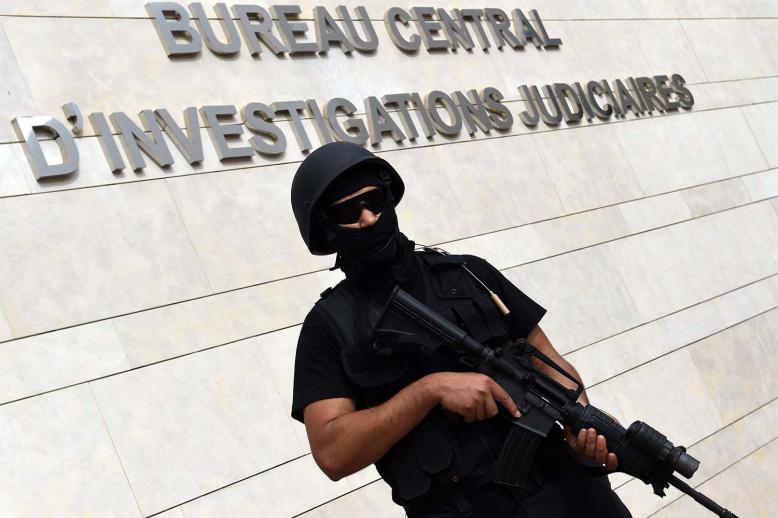
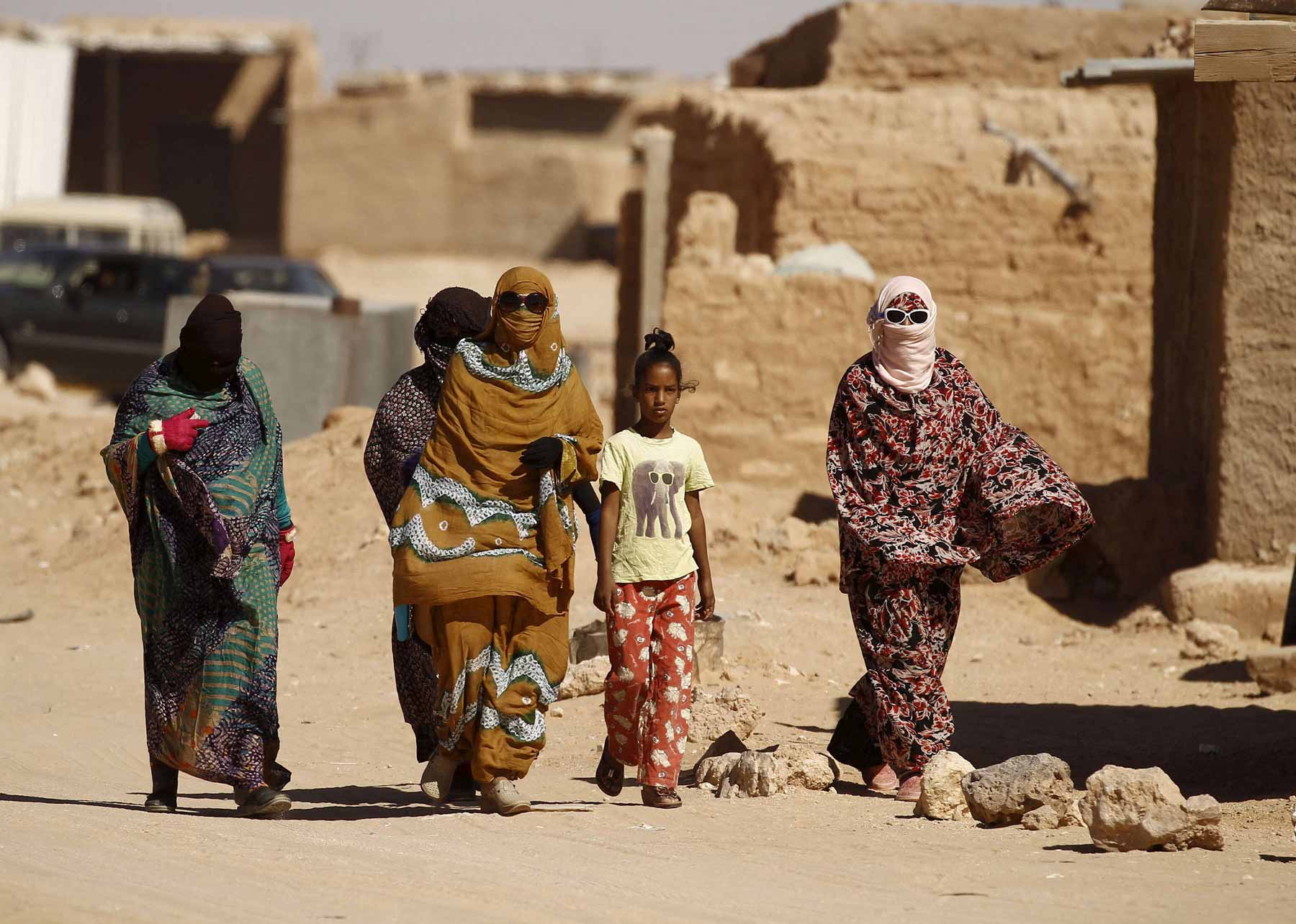
The incident caused panic among residents and prompted a heightened security deployment as authorities sealed off the affected areas and launched an investigation into the origin and trajectory of the projectiles.
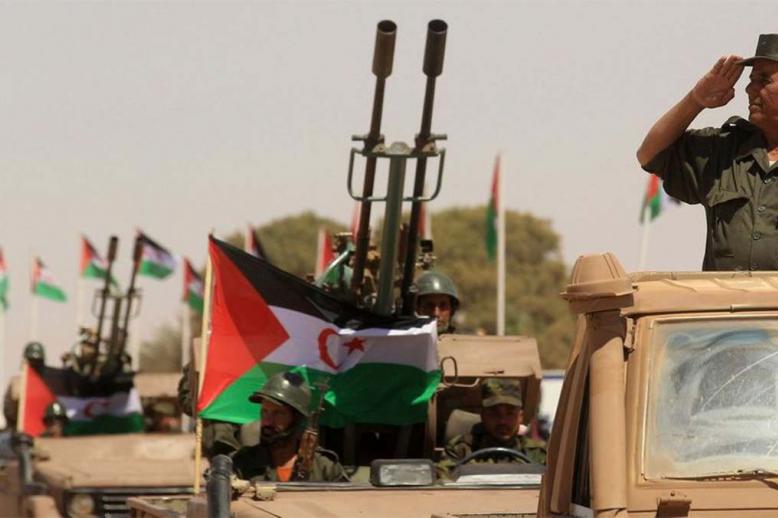
The Polisario Front later claimed responsibility for the attack, saying its fighters had carried out what it described as “focused shelling targeting enemy rear bases on the outskirts of the city.”
Moroccan officials and local observers dismissed the claims as exaggerated propaganda aimed primarily at audiences in the Tindouf camps in Algeria, noting that the shells had fallen in scattered civilian-adjacent locations rather than military installations.
The attack immediately drew a sharp reaction from Washington.
“We condemn the attacks by Polisario Front in Smara,” the US mission to the United Nations said in a statement posted on X. “Such violence threatens regional stability and the progress made towards peace. These actions are contrary to the spirit of recent negotiations.”
The US statement directly referenced UN Security Council Resolution 2797, adopted in October 2025, saying Morocco’s autonomy proposal “charts the only path toward peace in Western Sahara” and urging all parties to engage “in good faith toward a better future.”
The comments marked one of Washington’s strongest public condemnations in recent years of Polisario military actions inside Moroccan-controlled territory and came amid growing US diplomatic pressure linked to renewed congressional efforts to classify the Polisario Front as a terrorist organisation.
Resolution 2797, drafted by the United States, renewed the mandate of the UN mission MINURSO until October 2026 and, for the first time, explicitly framed Morocco’s autonomy initiative as the basis for future negotiations toward a “just, lasting and mutually acceptable” political solution.
Moroccan civil society groups and rights organisations also condemned the attack.
The League of Supporters of Autonomy in the Saharan Provinces described the shelling as a “reckless hostile act” and a “blatant assault on civilians and regional stability,” saying it represented a serious violation of ceasefire arrangements and a “desperate attempt” to undermine de-escalation efforts.
The organisation further denounced what it called the use of border territories as a platform to facilitate “terrorist activities,” urging the United Nations and the international community to assume their “legal and moral responsibilities” by monitoring such violations and taking firm positions consistent with UN resolutions supporting the round-table political process.
Meanwhile, the Sahrawi Association for the Defence of Human Rights, based in Madrid, said the attack came at a “critical moment” amid ongoing diplomatic discussions aimed at ending a conflict that has lasted more than half a century.
The group warned that targeting civilians risked complicating international efforts to secure a final settlement and accused Polisario of attempting to obstruct peace initiatives backed by the international community.
The latest escalation coincided with the ongoing African Lion military exercises organised by US Africa Command (AFRICOM) in partnership with Morocco’s Royal Armed Forces, as well as a renewed diplomatic push by Washington to advance a final resolution to the regional dispute centred on Morocco’s autonomy proposal.
Moroccan officials have increasingly warned in recent years of what they describe as growing links between separatist movements and extremist or destabilising networks operating across the wider Sahel region.
The Sahara dispute has remained one of North Africa’s longest-running conflicts since the mid-1970s. Morocco controls most of the territory and proposes autonomy under its sovereignty, while the Algeria-backed Polisario Front seeks an independent state. Despite a UN-backed ceasefire reached in 1991, tensions have periodically flared, particularly around the security wall separating Moroccan-controlled areas from territory held by the Polisario.