

A record milestone
Strategic planning drives Morocco to top African tourism spot in 2025
In 2025, tourism became Morocco’s largest source of foreign currency, followed by expatriate remittances of 122 billion dirhams ($12.2 billion).
Thursday 05/02/2026
A record milestone
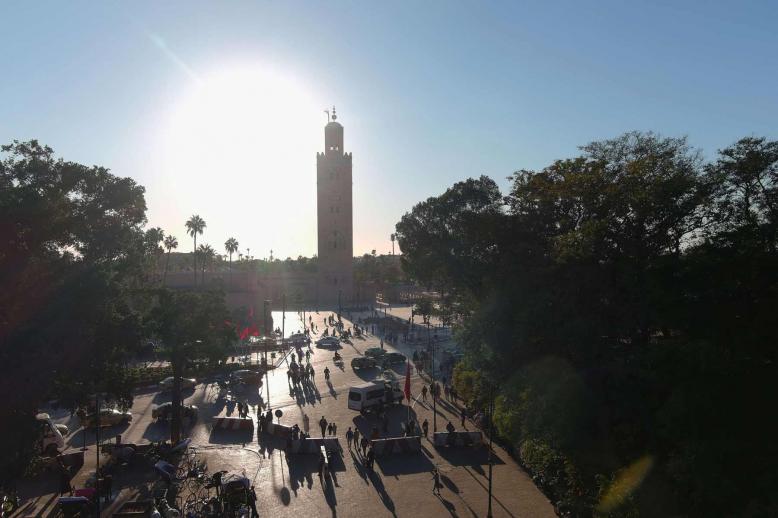
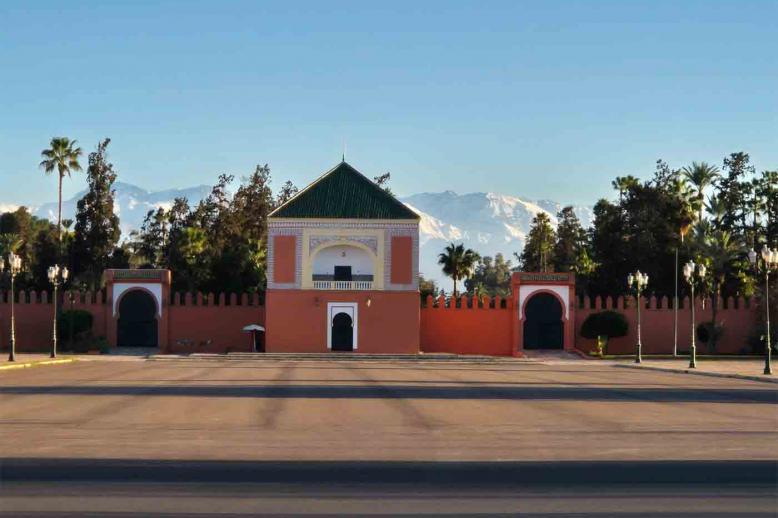
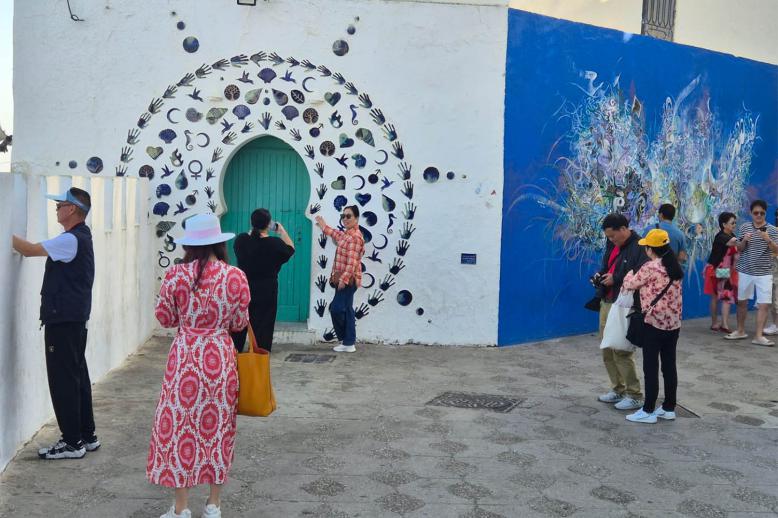
RABAT – Morocco emerged as Africa’s leading tourist destination in 2025, welcoming nearly 20 million visitors, a 14 percent increase on 2024. But this achievement did not happen by chance; it is the result of meticulous planning and a clearly defined roadmap for tourism development.
Tourism revenues in Morocco reached 138 billion dirhams ($13.8 billion) last year, up 21 percent from the previous year. The kingdom had already led the African continent in 2024, hosting 17.4 million tourists, a 20 percent rise compared with 2023. Authorities are now aiming to further increase arrivals, leveraging major international sporting events and conferences.
Morocco hosted the 2025 Africa Cup of Nations and will co-host the 2030 FIFA World Cup with Spain and Portugal. In addition, the country welcomed the 19th World Water Congress in December 2025 and the 93rd INTERPOL General Assembly in November.
Earlier this year, the UN World Tourism Organisation (UNWTO) confirmed Morocco’s position as the top tourist destination in Africa for 2025. According to the UN report, the kingdom received 19.8 million tourists, reflecting continued strong performance and reinforcing Morocco’s global tourism reputation. On January 12, Moroccan authorities officially announced the record milestone of 20 million visitors in 2025.
The Ministry of Tourism described the figures as evidence of “the positive and ongoing trajectory of the tourism sector,” marking a new phase in its development. Tourism Minister Fatim-Zahra Ammor said the record arrivals reflected a “profound transformation in Moroccan tourism.”
Tourism expert Zoubir Bouhoute highlighted the role of a strategic roadmap developed in consultation with industry professionals. He noted, “The authorities focused on air transport, particularly low-cost carriers targeting European tourists as well as Moroccans living abroad. This contributed significantly to the growth of the sector.”
Bouhoute added that Moroccan expatriates were a key driver of tourism, accounting for 6 to 7 million of last year’s visitors. The rise of Moroccan football has also enhanced the country’s image, with the national team reaching the semi-finals of the 2022 Qatar World Cup, drawing global attention to Morocco.
The 2025 Africa Cup of Nations set new digital engagement records, the Confederation of African Football (CAF) reported, with six billion digital views across social media during the tournament, which featured 24 teams from December 21, 2025 to January 18, 2026. Senegal claimed the title after defeating Morocco in the final. CAF described the event as “the most-watched continental football competition ever.”
For the first time in the history of Maghreb and Arab football, Morocco’s U-20 team won the World Cup in Chile in October 2025. Bouhoute said, “The Qatar World Cup gave Morocco tremendous visibility, especially after the senior team reached the semi-finals. Online searches for ‘Morocco’ jumped from roughly 500,000 annually to 13 million in a single month, coinciding with the tournament.”
This international exposure has been leveraged to promote Morocco as a tourist destination, encouraging visitors to explore the country’s natural and cultural offerings. Bouhoute noted that tourists often express admiration for Morocco’s stability, infrastructure and cultural richness, highlighting areas such as traditional cuisine, cultural industries and diverse travel experiences.
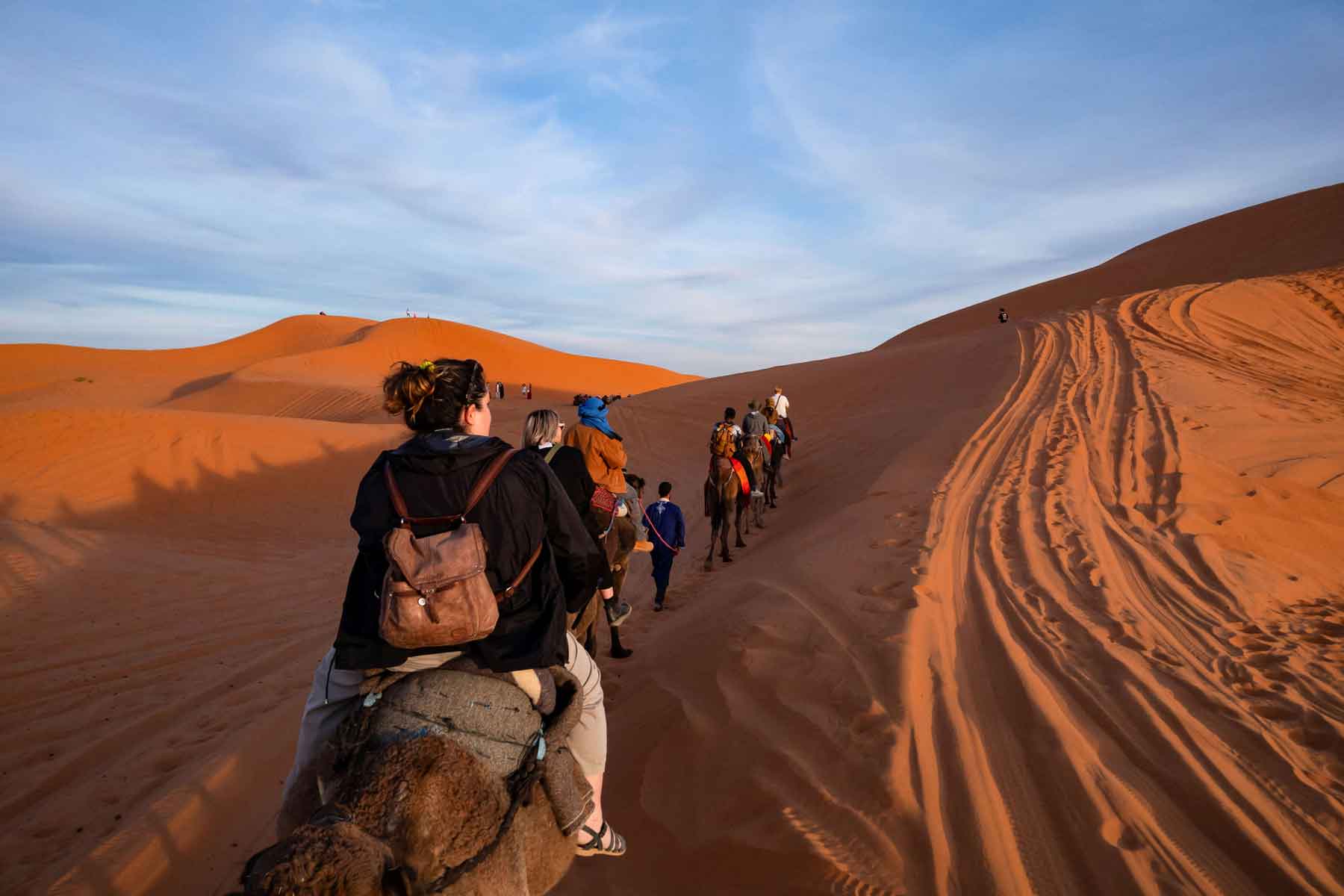
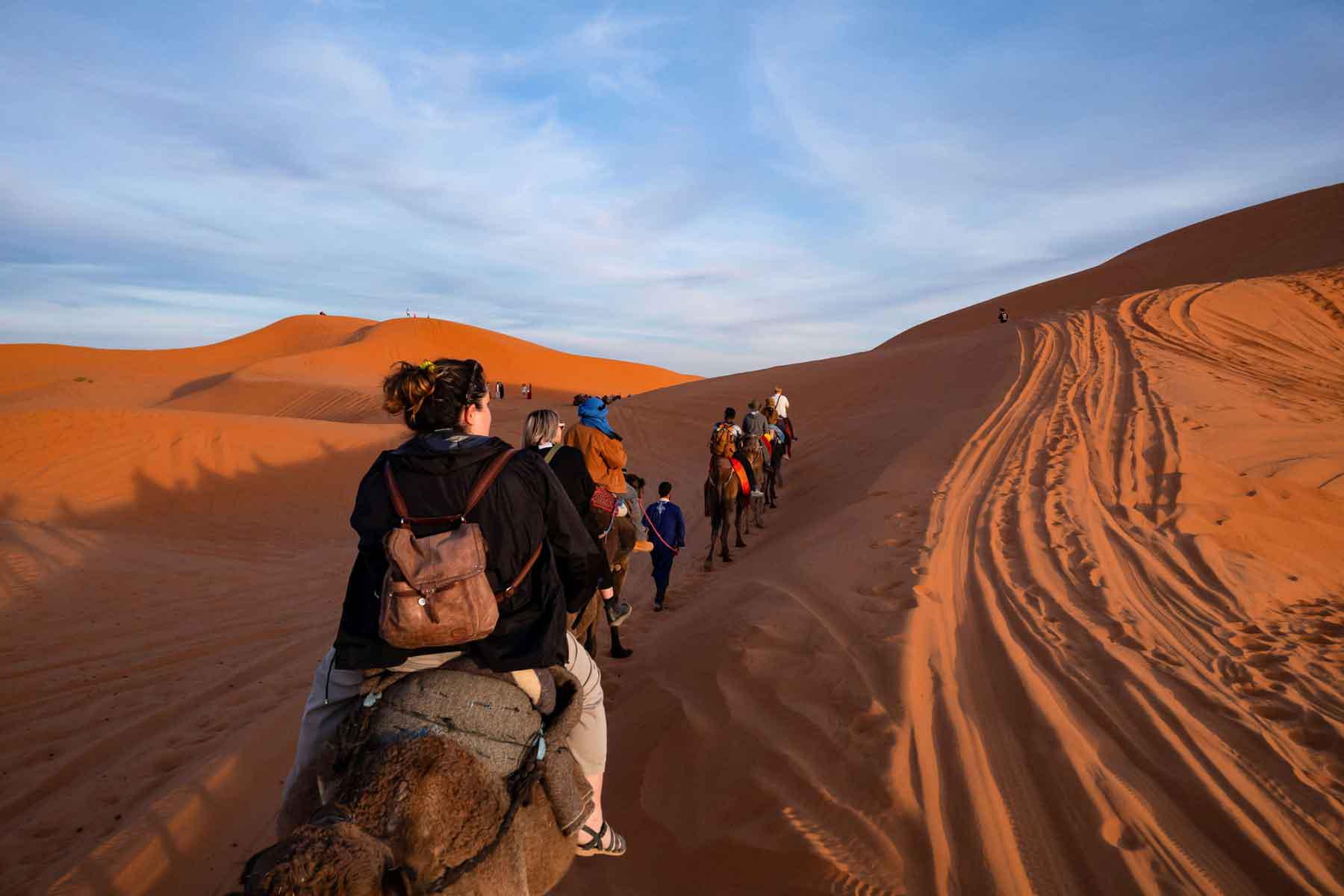
Looking ahead, Morocco aims to attract 30 million visitors by 2030, assuming an average annual growth rate of 7.5 percent. Achieving this target will require investments in air transport, hotel capacity and tourism infrastructure, as well as competitiveness with European destinations. Morocco’s diverse tourist offerings, from the desert and mountains to coastal areas, ensure balanced geographic distribution of tourism growth and investment.
In 2025, tourism became Morocco’s largest source of foreign currency, followed by expatriate remittances of 122 billion dirhams ($12.2 billion), according to the official Office des Changes.