

The situation remains highly volatile
Suweida violence underscores instability, regional stakes in Syria
Syrian sources accuse Israel of seeking to keep the south unstable and prevent the emergence of a strong central authority
Tuesday 05/05/2026
The situation remains highly volatile
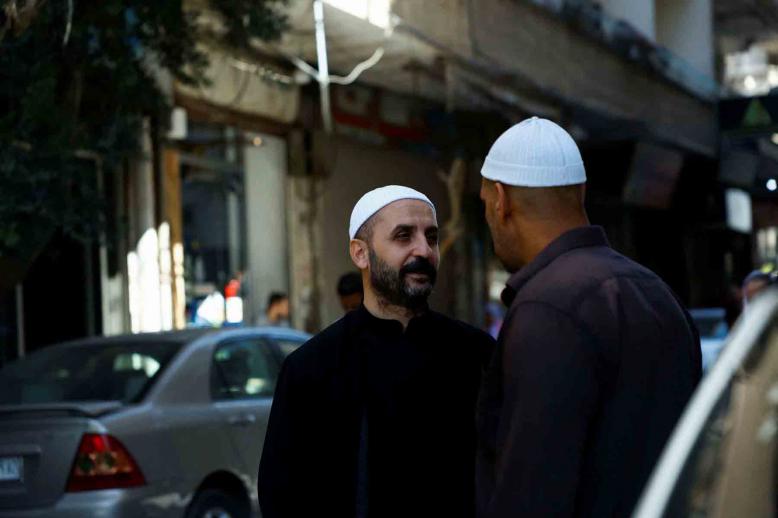
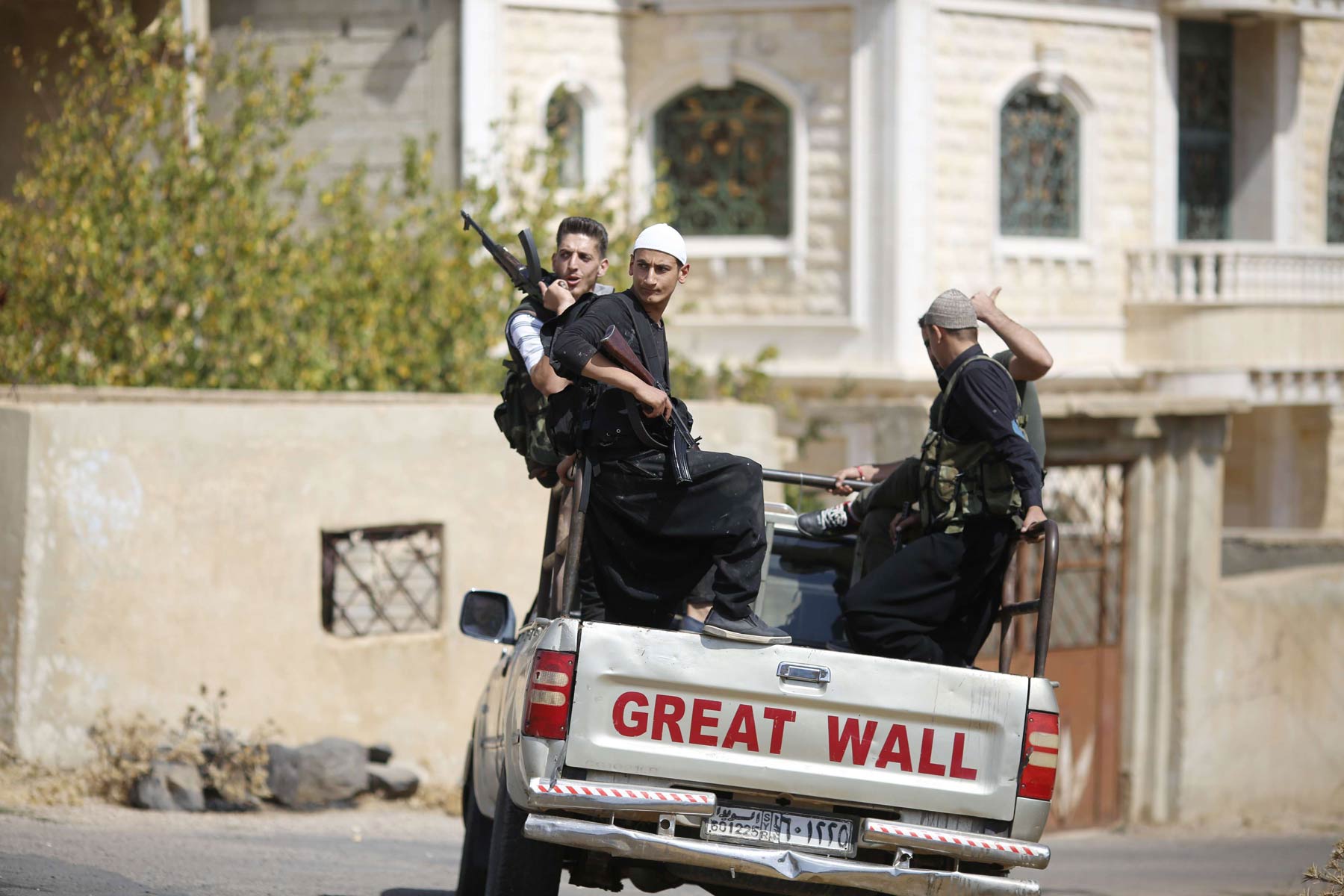
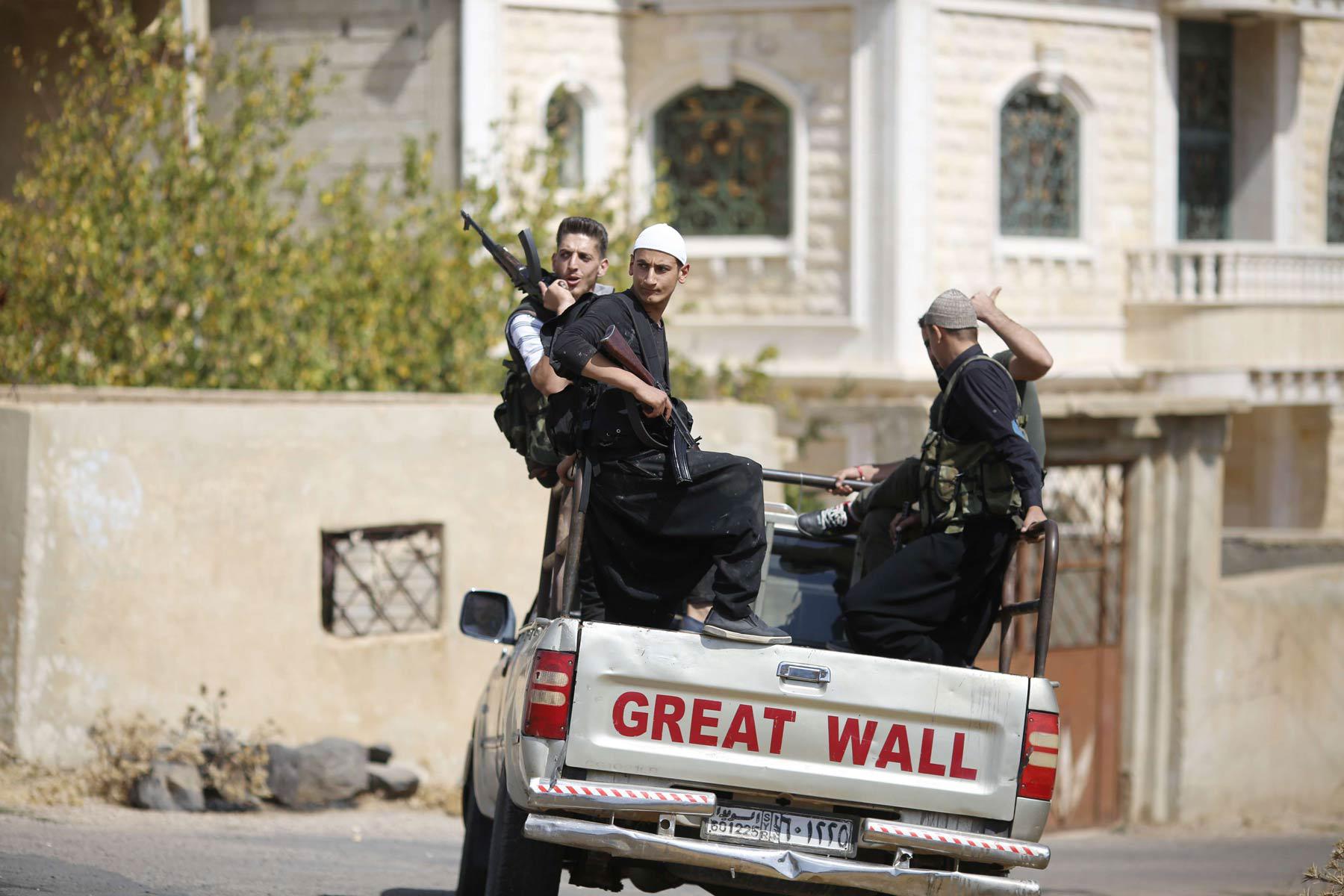
DAMASCUS – Clashes broke out early on Monday in western Suweida between Syrian internal security forces and Druze armed groups linked to the so-called National Guard, in an escalation that underscores the fragile security situation in southern Syria.
Local reports said the fighting began after attacks on security positions in Rima Hazem and Walgha, triggering exchanges of fire involving heavy and medium weapons, including mortars. No confirmed casualty figures were immediately available.
The National Guard declared a state of alert, saying it was ready to confront any attacks targeting civilians, while government forces responded with artillery fire across several areas in the province’s western countryside.
The clashes come against the backdrop of a complex relationship between the authorities in Damascus and the Druze community in Suweida, which has historically maintained a cautious distance from the central government.
Since the fall of former president Bashar al-Assad in 2024, the new administration led by Ahmad al-Sharaa has sought to reassert control over the country, while local factions have resisted full integration.
The escalation coincided with reported Israeli military activity in southern Syria. Local sources said Israeli forces carried out incursions in parts of Daraa and shelled areas in the countryside of Daraa and Quneitra.
Israel has expanded its presence in southern Syria following Assad’s fall, moving beyond the long-standing buffer zone in the Golan Heights and conducting repeated strikes and raids.
Syrian sources accuse Israel of seeking to keep the south unstable and prevent the emergence of a strong central authority, while Israel says its actions are driven by security concerns.
Tensions in Suweida have been building since mid-2025, when local clashes and kidnappings between Druze fighters and Bedouin groups escalated into broader violence.
The latest fighting highlights ongoing instability in southern Syria, where local grievances, factional divisions and regional dynamics intersect.
Analysts say the situation remains highly volatile, with the risk of further escalation if underlying political and security issues are not addressed.
For Syria’s new leadership, the unrest represents a major test of its ability to restore stability in a country still grappling with the legacy of more than a decade of conflict.