

Humanitarian crisis far from over
Syria aid lifeline from Turkey closes as UN pivots to post-war recovery
The UN estimates that more than 13 million Syrians require food assistance, while 12 million lack access to clean water and a similar number depend on health services.
Wednesday 06/05/2026
Humanitarian crisis far from over
DAMASCUS/NEW YORK – The United Nations has ended its cross-border humanitarian aid operations from Turkey into Syria after more than a decade, citing improved access through reopened commercial crossings and regular supply routes, a UN spokesperson said on Monday.
“More than a decade after it began, the United Nations has now concluded its cross-border humanitarian operations from Turkey into Syria, following the reopening of border crossings to commercial traffic and improved access via regular supply routes,” said Stephane Dujarric.
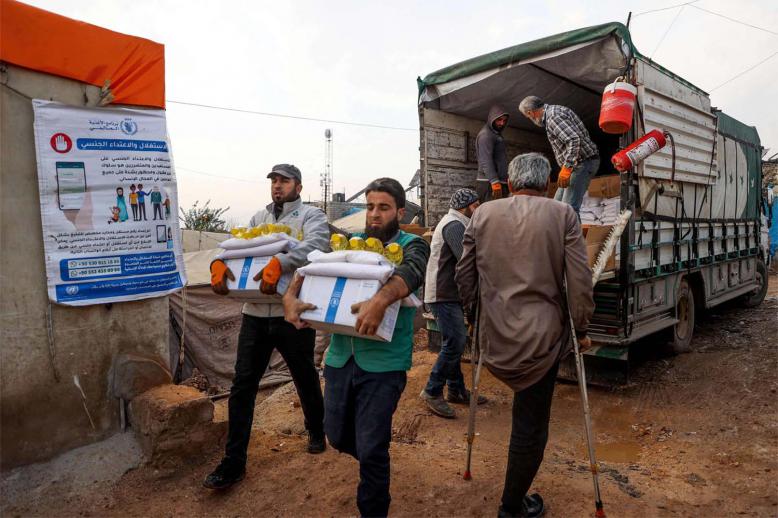
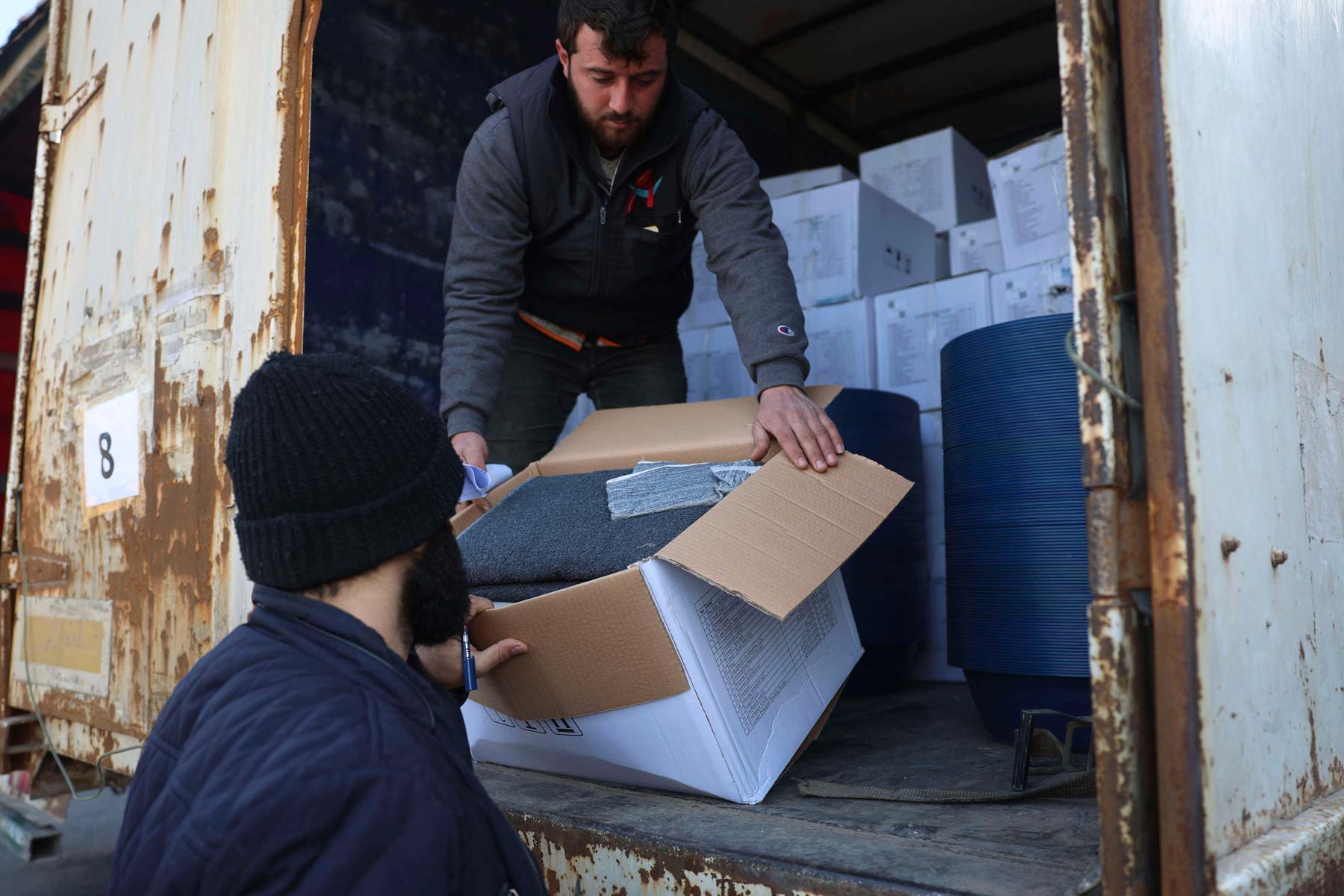
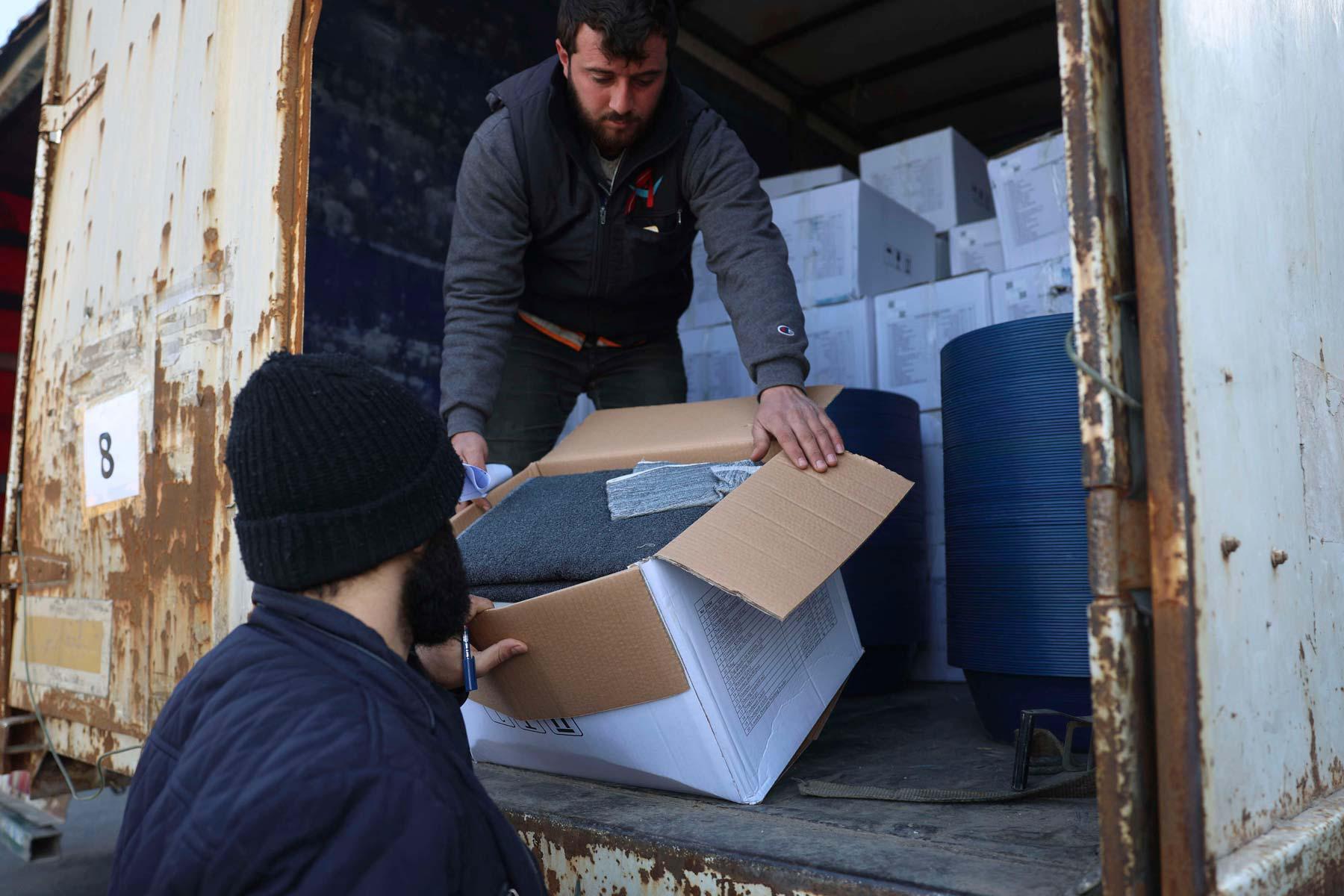
The mechanism, established in 2014 to bypass conflict-related restrictions, became a key lifeline for millions in northwest Syria, particularly in Idlib province. UN officials said more than 65,000 trucks delivered aid during the operation, supporting around 1.25 million people annually.
“Our humanitarian colleagues say that this was one of the largest and most complex humanitarian supply chains,” Dujarric said, pointing to the challenges of operating across shifting front lines and multiple authorities.
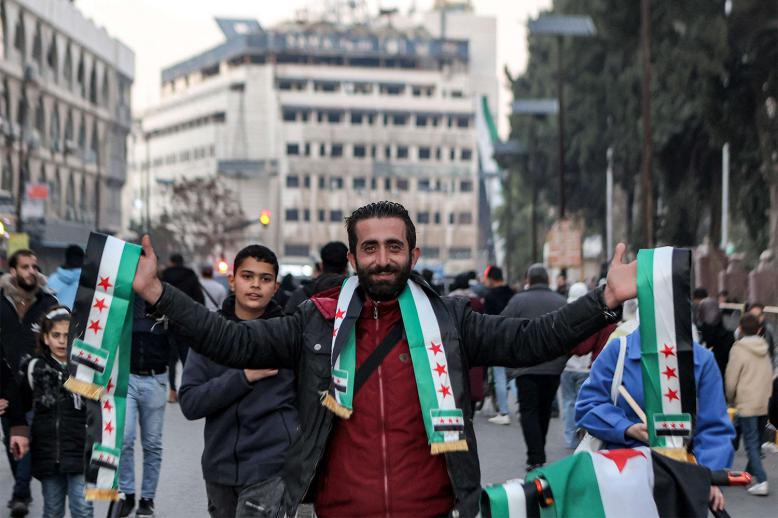
The UN said the closure reflects a transition towards more conventional aid delivery methods as Syria’s trade links and supply routes gradually recover following the fall of Bashar al-Assad’s government in late 2024.
Despite the shift, humanitarian needs remain high. The UN estimates that more than 13 million Syrians require food assistance, while 12 million lack access to clean water and a similar number depend on health services.
The end of the cross-border mechanism comes as Syria’s new authorities push to address widespread displacement. Minister of Emergency and Disaster Management Raed al-Saleh said surveys had identified 1,523 displacement camps housing around 400,000 families, primarily in the northwest.
He said the government aims to close the camps by the end of the year under a plan dubbed “Syria without camps”, in coordination with UN agencies and other partners.
The development coincides with broader regional shifts, including efforts by Turkey to expand trade infrastructure and restore cross-border economic links, signalling a move from emergency relief towards reconstruction and economic reintegration.
However, analysts say the transition carries risks, as humanitarian needs remain acute and the success of the new model will depend on sustained international support and the stability of supply routes.