

From defector to diplomat
Syria brings back veteran diplomat Makdissi in push to rebuild US ties
Makdissi, 52, served as Foreign Ministry spokesman until late 2012, when he left Syria and broke with the Assad government, citing opposition to the crackdown on popular protests.
Monday 22/06/2026
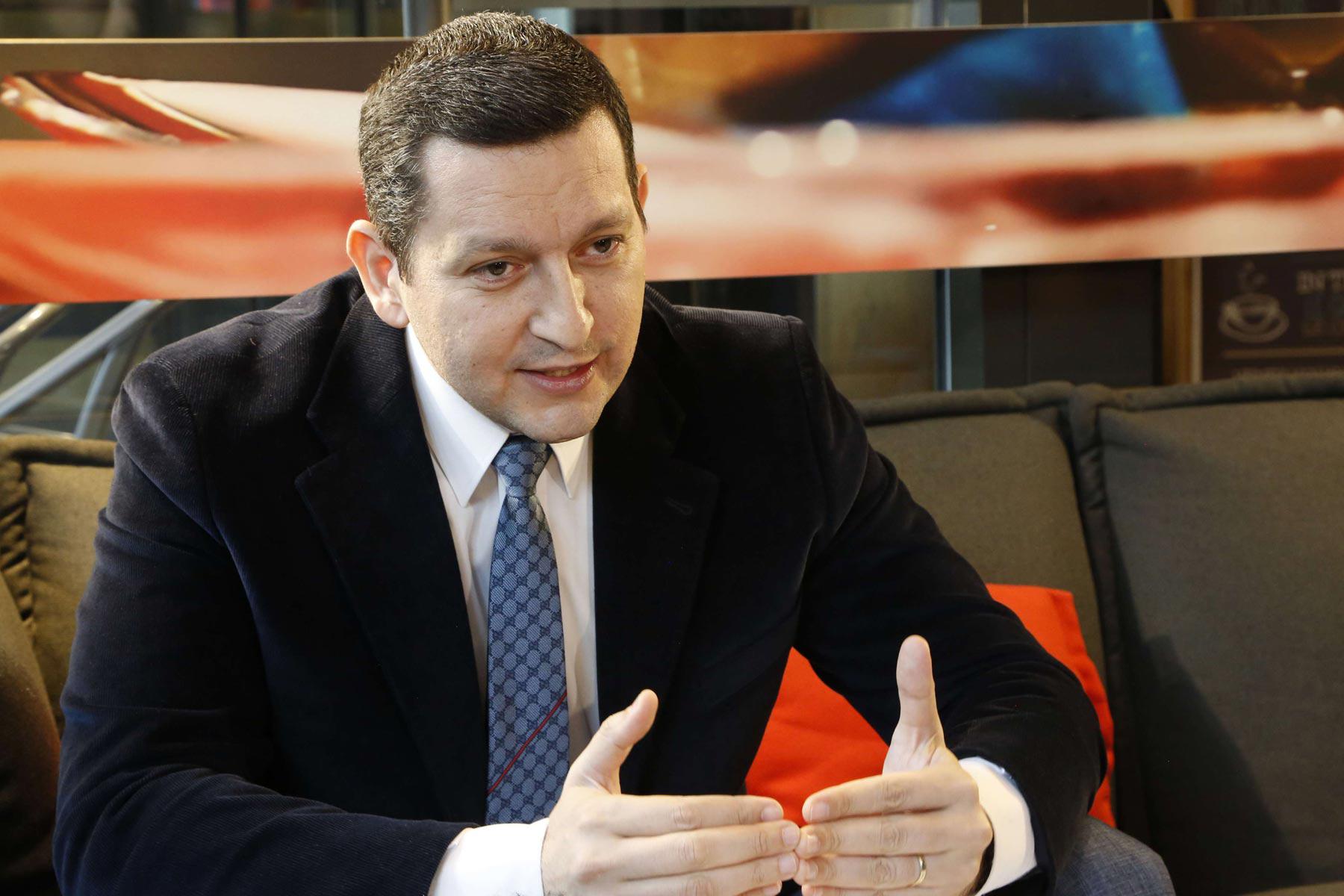
From defector to diplomat
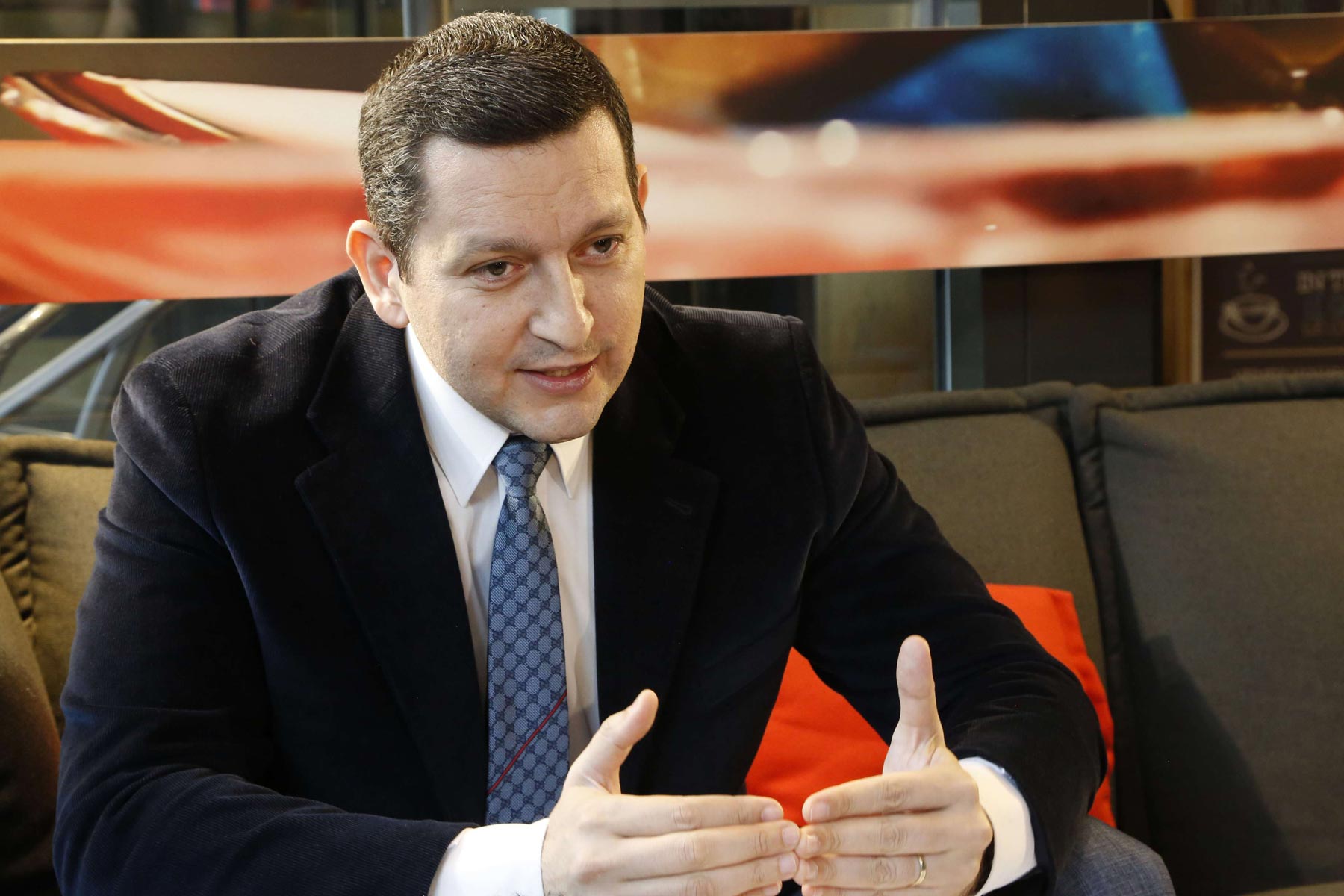
DAMASCUS – Veteran Syrian diplomat Jihad Makdissi, once one of the most recognisable faces of Bashar al-Assad's government before defecting during the country's civil war, has returned to official service after being appointed adviser for American affairs at the Foreign Ministry and granted the rank of ambassador.
The appointment, announced on Sunday as part of a broader reshuffle of directors and advisers at the ministry, reflects a growing effort by Syria's new authorities to draw on the experience of seasoned diplomats as they seek to rebuild the country's foreign policy apparatus after years of war, isolation and diplomatic upheaval.
Makdissi, 52, served as Foreign Ministry spokesman until late 2012, when he left Syria and broke with the Assad government, citing opposition to the military crackdown on the popular protests that erupted in 2011.
The ministry's list of appointments included Makdissi as adviser for American affairs alongside a series of new assignments covering Arab, European and other diplomatic portfolios.
Reacting to the decision, Makdissi wrote on X: "With pride and gratitude, I return today to the ranks of the new Syrian diplomacy."
He added: "I extend my sincere thanks and appreciation to Foreign Minister Asaad al-Shibani for his generous confidence in granting me the title of ambassador of the Syrian Arab Republic and appointing me as his adviser for American affairs at the Ministry of Foreign Affairs and Expatriates."
Makdissi described the appointment as both an honour and a responsibility, pledging to use his experience to serve Syrian interests and strengthen constructive relations with the United States.
Once regarded as a loyal representative of the Assad government, Makdissi became one of the regime's most visible diplomatic figures during the early years of the conflict. A native of Damascus, he was appointed Foreign Ministry spokesman shortly after the uprising began and became known internationally through frequent media appearances and an active social media presence.
He disappeared from public view in December 2012 before later revealing that he had left Syria because the country's polarisation had reached "a deadly and destructive stage."
"I wish I could have stayed ... but there is no longer room for moderation in this chaos," he said at the time.
During his years in exile, Makdissi emerged as a prominent member of the opposition's Cairo Platform and took part in United Nations-sponsored negotiations in Geneva. He positioned himself as a moderate and independent figure advocating political transition through dialogue rather than militarisation or foreign military intervention.
In recent years he largely withdrew from frontline political activity, eventually settling in the United States. Following the fall of Assad's government in December 2024, he made several visits to Syria and held meetings with officials from the new administration.
His return comes as Damascus seeks to reset its international relations after nearly 14 years of civil war and diplomatic isolation. The new leadership has increasingly emphasised engagement with Western and regional capitals, while working to attract investment, secure reconstruction support and ease the impact of sanctions.
Observers view Makdissi's appointment as part of a broader strategy aimed at combining younger officials with veteran diplomats who possess deep knowledge of international institutions, negotiation processes and Western policymaking circles.
The decision also signals a willingness by Syria's new authorities to reintegrate experienced former officials and defectors into state institutions, provided they can contribute to rebuilding the country's diplomatic capacity.
The importance of the American affairs portfolio has grown in recent months as relations between Damascus and Washington improve. The United States has emerged as one of the key international backers of Syria's political transition, making expertise in US policymaking and diplomatic engagement particularly valuable.
Makdissi's extensive experience dealing with Western governments and international media is widely seen as a factor behind his selection for the role.
His appointment follows a broader reintegration initiative launched by Foreign Minister Shibani. In November 2025, the ministry reinstated 19 diplomats and employees who had defected during the conflict, seeking to benefit from their experience as ambassadors, consuls and advisers.
The move underlines a wider effort to rebuild Syria's diplomatic service and strengthen its ability to navigate a rapidly changing regional and international environment, as Damascus attempts to reposition itself after years of conflict and isolation.