


Point of no return
Tabboubi’s resignation shakes Tunisia’s powerful union at critical moment
Tabboubi’s resignation underscores the depth of the crisis within Tunisia’s largest union and reflects the fractures in its leadership.
Tuesday 23/12/2025
Point of no return
TUNIS –
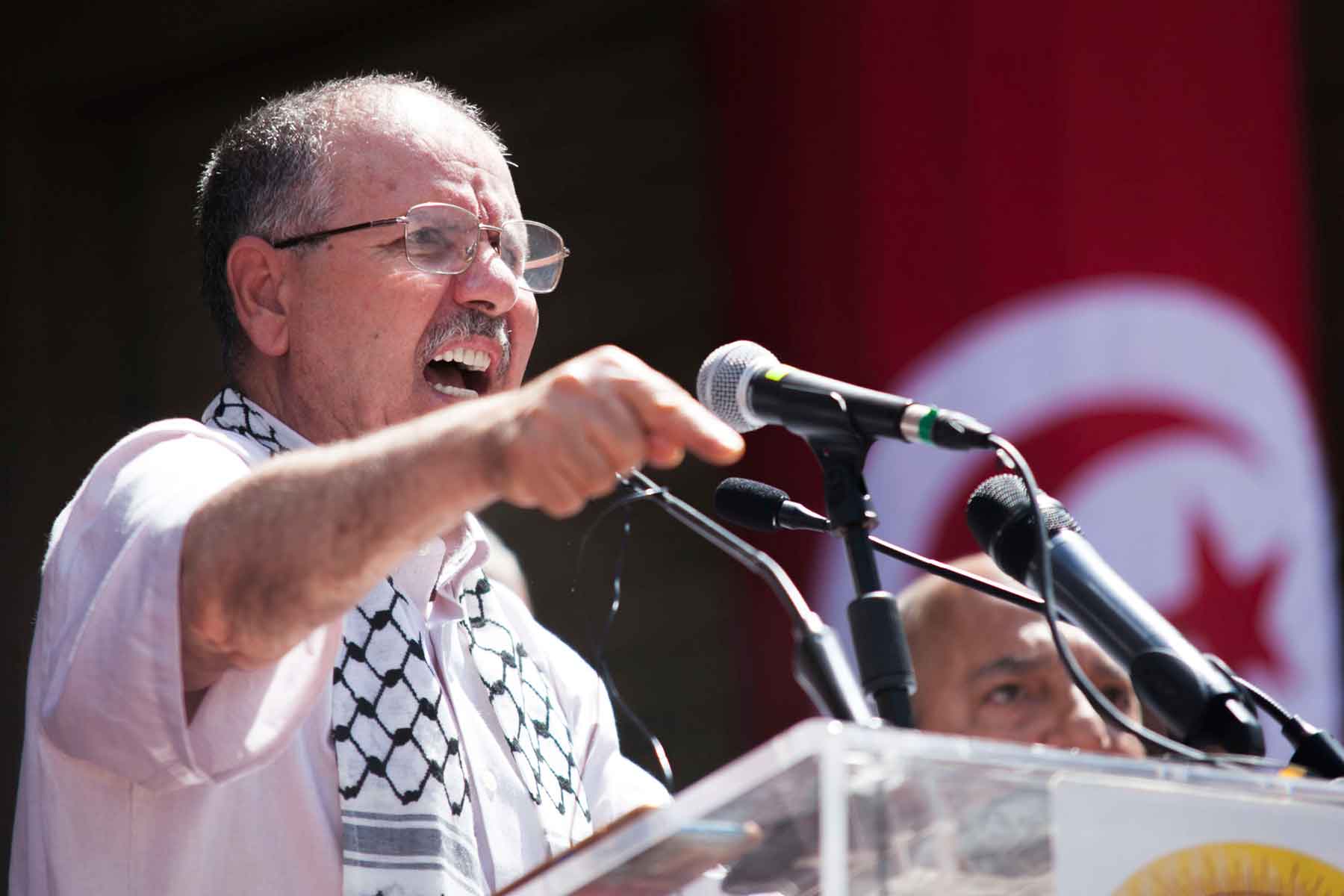
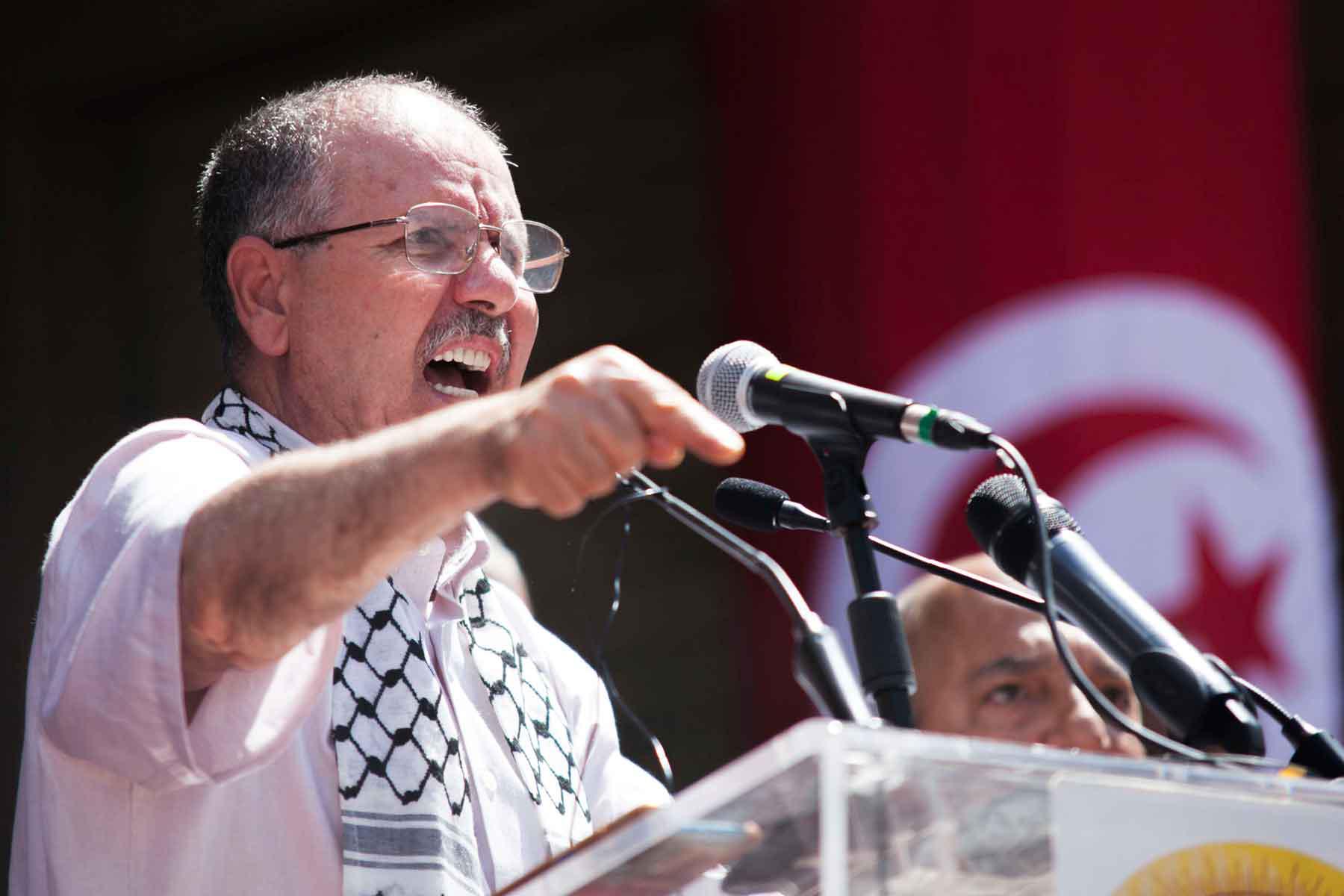
Noureddine Tabboubi, the longstanding head of Tunisia’s influential labour confederation, the UGTT, submitted his resignation on Tuesday, highlighting mounting internal divisions and escalating tensions with the government.
Tabboubi, who has led the union since 2017, handed in his resignation to the registry, a move confirmed by the UGTT’s assistant secretary-general and spokesman Sami Tahri. Under the union’s internal rules, the resignation will not take effect immediately, giving union authorities 15 days to discuss the reasons behind it and attempt to persuade him to reconsider.
“The resignation comes amid a deep crisis within the union’s executive bureau, which has reached a point of no return,” Tahri told Tunisia’s state news agency, TAP, noting that a series of meetings will be held over the coming days to determine the next steps.
The internal tensions have centred on the timing and organisation of the UGTT’s next congress, initially scheduled for early 2026. Sources within the union indicated that disagreements over holding the congress in March 2026 versus postponement were a key factor prompting Tabboubi’s departure.
Tabboubi’s resignation comes amid a turbulent period for the UGTT, which boasts around one million members and has historically played a leading role in Tunisia’s democratic transition following the 2011 revolution. The union, which shared the Nobel Peace Prize in 2015 with other civil society organisations, has in recent years faced criticism for its political positions and its frequent use of strikes to pressure the government.
Relations with President Kais Saied’s administration have been particularly strained. Saied has repeatedly dismissed the union’s calls for dialogue as attempts at political blackmail and criticised the UGTT as part of the country’s entrenched corrupt structures. Recent government measures, including the annulment of public sector union leave privileges, have further undermined the union’s influence, forcing some of its senior officials to return to civil service roles or resign.
Tabboubi, who began his career in trade unionism in 1990 with Tunisia’s state meat company, rose through the ranks to lead the UGTT’s regional branch in the capital and later became secretary-general in 2017, following the victory of his “Union Unity” slate in the union’s 23rd congress. His leadership has been marked by attempts to restore the UGTT as a key player in national politics while managing growing internal dissent.
Union analyst Sofiane Lassoued said Tabboubi’s resignation underscores the depth of the crisis within Tunisia’s largest union and reflects the fractures in its leadership.
“This is a pivotal moment for the UGTT. The organisation must now navigate both internal divisions and its strained relations with the authorities,” he said.
Looking ahead, the union is expected to hold urgent meetings to discuss succession plans, with several names already circulating as potential candidates to assume the top post. Meanwhile, the UGTT has announced a nationwide general strike for January 21, signalling its continued readiness to mobilise members despite the leadership turmoil.