

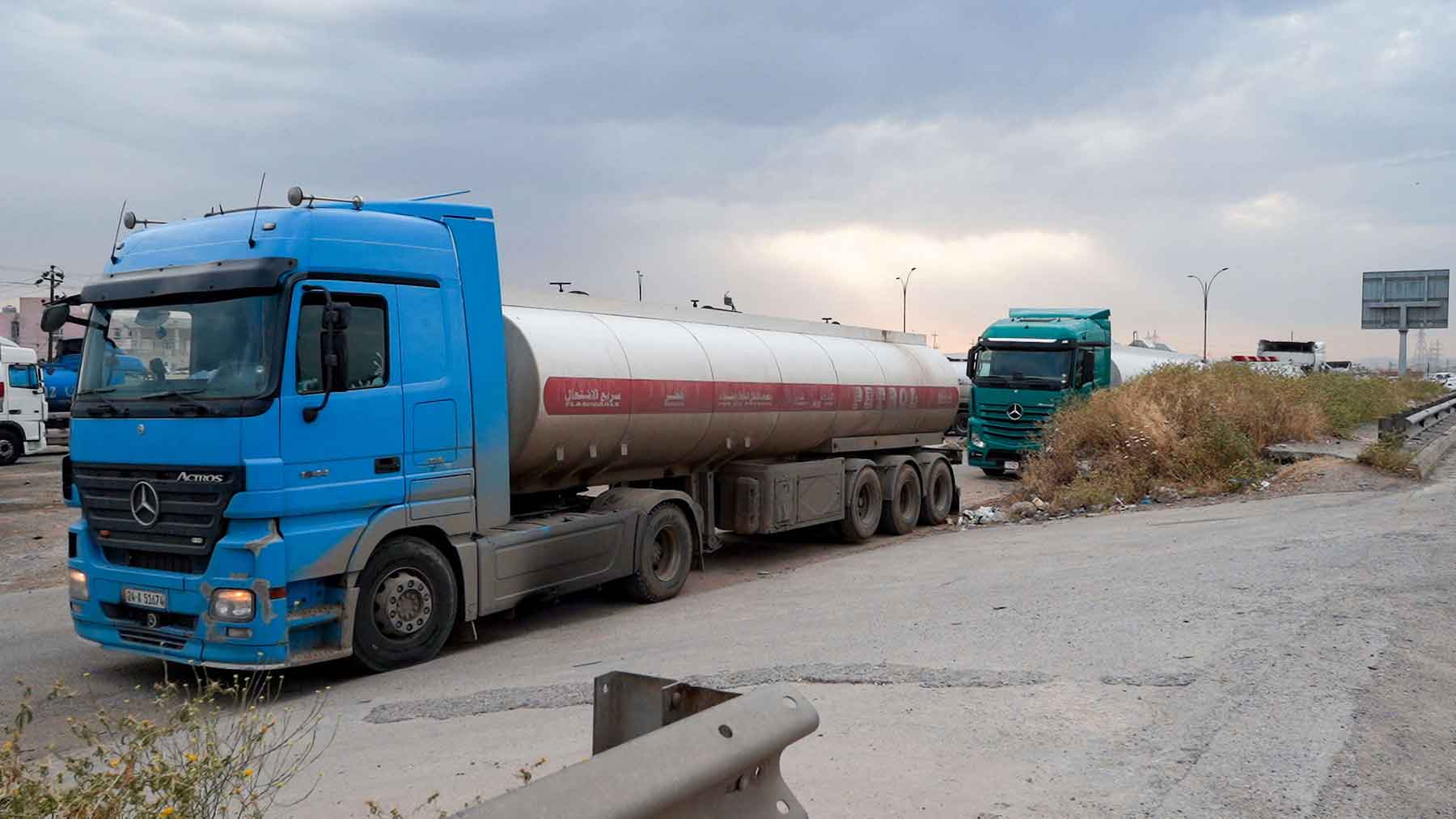
Calls are growing to insulate economic file from political disputes
Tariff hikes deepen economic rift between Baghdad, Erbil
Tariffs on staples such as meat, fish and tea have surged from around one percent to levels ranging between six and 30 percent.
Wednesday 07/01/2026
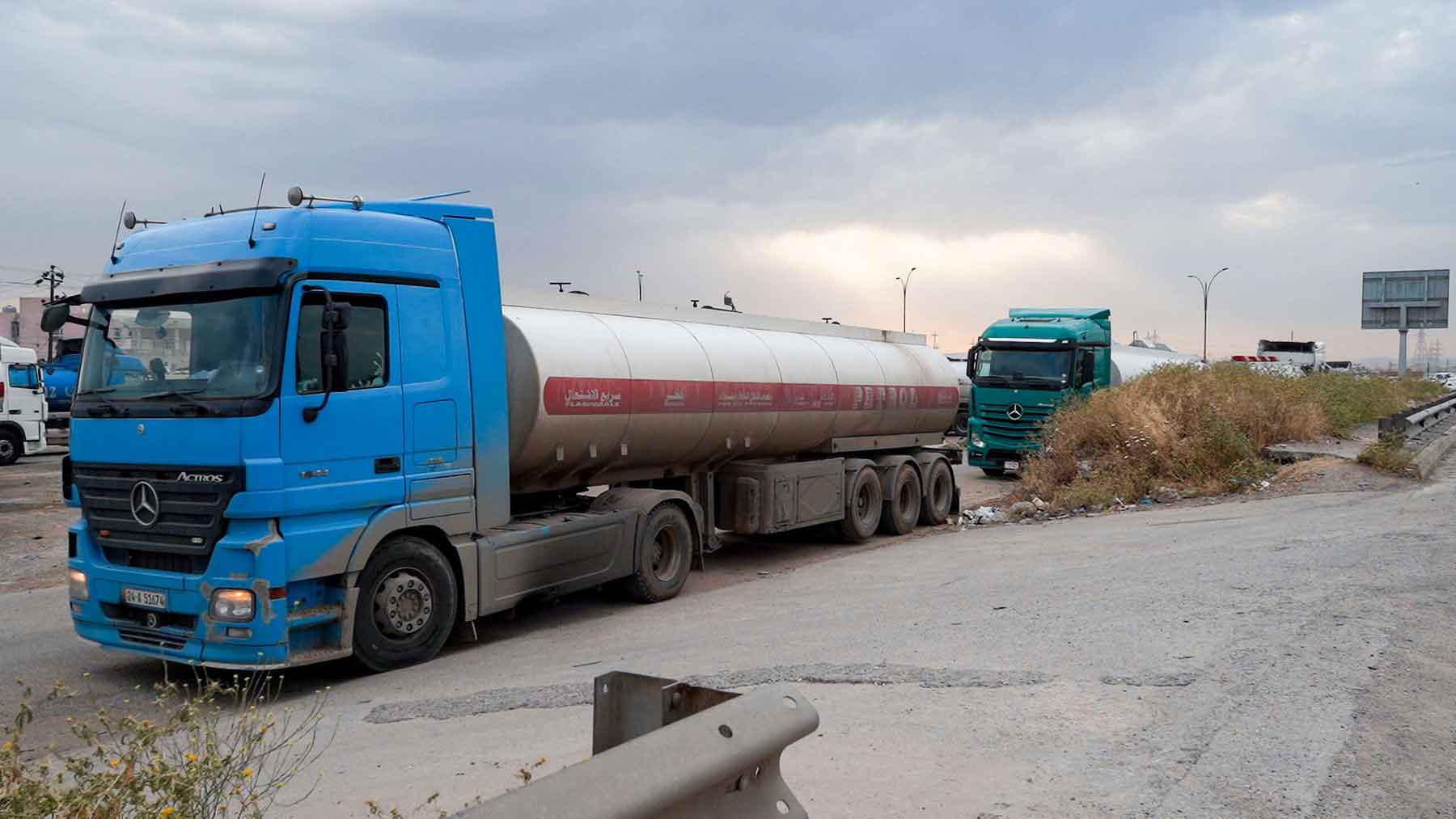
Calls are growing to insulate economic file from political disputes
ERBIL –
As 2026 begins, the question of financial sovereignty has re-emerged as a quiet but deepening fault line between Iraq’s federal government in Baghdad and the Kurdistan Regional Government (KRG), with a sharp rise in customs tariffs exposing a growing crisis of trust and coordination between the two sides. What began as a technical adjustment to customs policy is now rippling through local markets, raising fears that border crossings are turning from gateways of trade into tools of political pressure.
The Duhok Chamber of Commerce and Industry described the latest customs increases as abrupt and poorly-planned, warning that they disproportionately target essential food items that form the backbone of the Iraqi household basket. According to the chamber, tariffs on staples such as meat, fish and tea have surged from around one percent to levels ranging between six and 30 percent, a jump that is already feeding through to retail prices and placing additional strain on low-income consumers.
At the heart of the dispute lies a fundamental disagreement over what constitutes “essential goods.” While Baghdad insists the measures are designed to shield citizens from price shocks and protect domestic production, traders in the Kurdistan Region say official lists have failed to exempt daily consumer necessities. The gap has highlighted weak technical coordination between federal and regional trade and finance authorities, with policy decisions taken in isolation rather than through joint mechanisms.
The Ibrahim Khalil crossing in Duhok province, the Kurdistan Region’s most vital commercial artery with Turkey, has become a focal point of the tensions. Business leaders report growing administrative congestion and renewed obstacles to the smooth flow of goods from the north to central and southern Iraq. President of the Duhok Chamber of Commerce Shukri Jamil warned that practices resembling internal customs checkpoints are resurfacing, complicating logistics and raising costs across supply chains.
From Erbil’s perspective, the measures amount to a form of “soft economic blockade” or at least a pressure tactic aimed at forcing the full handover of non-oil revenues to the federal government.
Baghdad, by contrast, frames the policy as part of a broader national strategy to boost non-oil income and curb the budget deficit, arguing that unified customs enforcement is a sovereign right.
Federal finance officials say the objective is to prevent the dumping of cheap foreign goods and to end what they describe as unfair competition created by differing tariff regimes between northern and southern border crossings.
Yet in the Kurdistan Region there is growing concern that imposing tighter electronic and administrative control over regional border points without a comprehensive political agreement could undermine the KRG’s ability to manage its finances, pay public sector salaries and maintain economic stability. In this reading, the economy itself is becoming a political lever, deployed in the absence of a broader settlement on revenue-sharing and fiscal authority.
Commercial circles warn that the continuation of this low-level standoff is likely to fuel public frustration, particularly as rising living costs affect both the region and the rest of Iraq. Analysts caution that higher official tariffs combined with more complex procedures could also encourage smuggling, ultimately depriving both Baghdad and Erbil of revenues while distorting markets further.
To avert a wider economic crisis, calls are growing to “humanise” the economic file by insulating it from political disputes. Proposals include the formation of a joint technical delegation to immediately unify tariff schedules, eliminate double taxation and restore predictability for traders. There are also appeals for Kurdish lawmakers in the federal parliament to play a more active role in reviewing decisions by the General Authority of Customs, ensuring that national economic policy is guided by integration rather than punishment.
As Iraq heads deeper into 2026, the customs dispute is emerging as a critical test of whether Baghdad and Erbil can move beyond transactional pressure towards a cooperative fiscal framework. For now, markets, traders and consumers remain caught in the middle, waiting to see whether dialogue or escalation will define the next phase of the relationship.