

Argentina's second-largest trading partner in Africa
Trade surpasses $1 billion as Morocco, Argentina expand cooperation
According to 2025 figures, trade between Morocco and Argentina reached approximately $1.09 billion, including $666.41 million in Argentine exports and $425.7 million in Moroccan imports.
Monday 15/06/2026
Argentina's second-largest trading partner in Africa
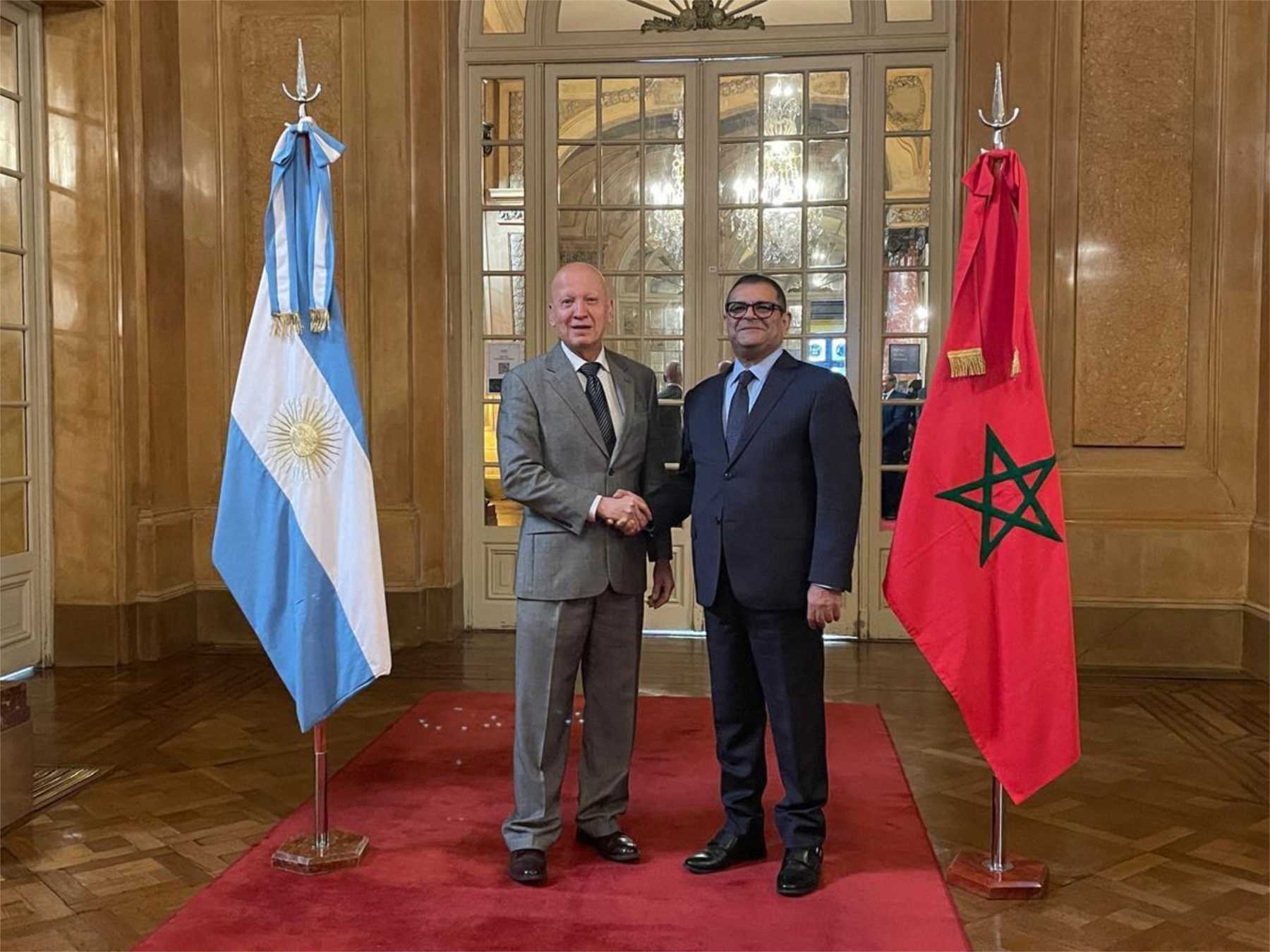
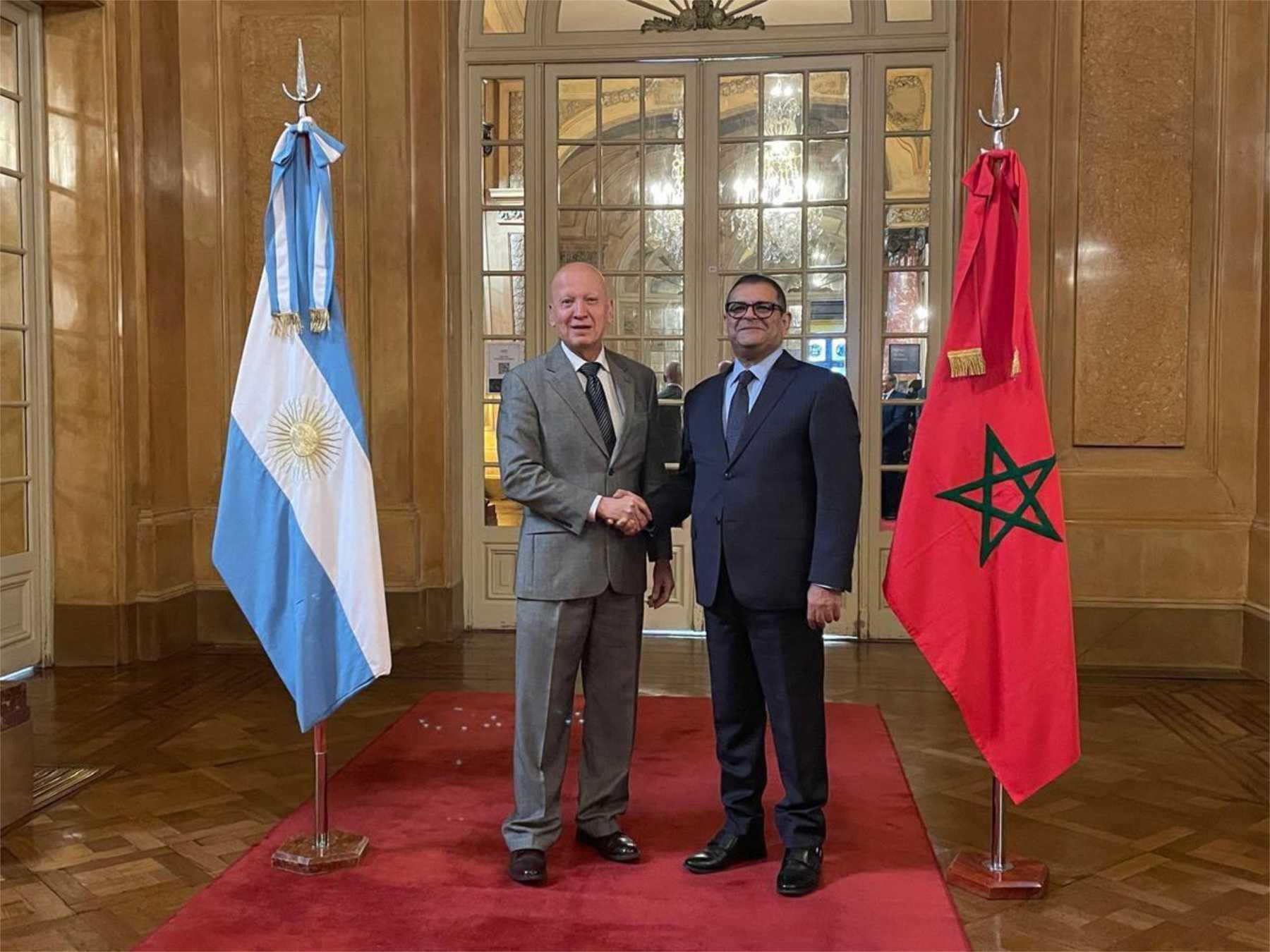
RABAT/BUENOS AIRES – Morocco and Argentina are accelerating efforts to transform their economic relationship into a broader strategic partnership as both countries seek to adapt to rapidly changing global trade patterns, diversify markets and strengthen links between Africa, the Arab world and South America.
The renewed momentum emerged from the eighth session of the Morocco-Argentina Joint Commission in Buenos Aires, where officials outlined ambitions to move beyond conventional trade towards cooperation in high-value sectors including technology, pharmaceuticals, automotive components, renewable energy and advanced services.
The talks come as countries worldwide seek more resilient supply chains and alternative commercial partners amid shifting geopolitical and economic realities.
Both governments reaffirmed their commitment to deepening political dialogue, expanding consultation mechanisms and encouraging greater engagement between businesses and investment institutions.
Officials also highlighted the importance of preserving and modernising the institutional frameworks underpinning bilateral cooperation, including the Trade, Economic and Technical Cooperation Agreement signed in 1978.
According to official 2025 figures, trade between Morocco and Argentina reached approximately $1.09 billion, including $666.41 million in Argentine exports and $425.7 million in Moroccan imports.
Analysts say the figures reflect a transition from occasional commercial exchanges to a more structured partnership centred on strategic products and complementary economic strengths.
A major focus of discussions was the development of cooperation in software, automotive components, pharmaceuticals and healthcare management, including pharmaceutical policy, drug production and regulation, combating counterfeit medicines and improving healthcare coverage systems.
Argentina has also shown growing interest in Morocco's industrial and technological sectors. Argentine business missions have increasingly targeted the Moroccan market, viewing the kingdom as a strategic gateway to Africa, Europe and the Middle East.
Moroccan Ambassador to Argentina Faris Yassir said Morocco's strategic choices have transformed it into an emerging regional model through economic diversification, openness and major infrastructure investments.
He pointed to Morocco's extensive investments in ports, roads, airports and high-speed rail, as well as the rapid development of its automotive and aerospace industries.
Yassir also highlighted Morocco's geostrategic position as a logistics and aviation hub linking continents, citing the key role of Casablanca and Tanger Med in facilitating international trade and connectivity.
Argentina, meanwhile, is pursuing a strategy aimed at reducing reliance on traditional markets and expanding economic engagement with Africa and the Middle East through Morocco.
Argentina's Ministry of Foreign Trade recently launched a new strategy to strengthen economic ties with Morocco as part of a broader effort to diversify partnerships and access emerging markets.
Mariano Simón Padros, Director of Economic Relations with Africa and the Middle East at Argentina's Foreign Ministry, said bilateral relations were advancing steadily and reflected significant potential for an economically complementary partnership.
He noted that Morocco has become Argentina's second-largest trading partner in Africa and the third-largest destination for Argentine exports on the continent.
As Argentina pursues economic reforms and seeks new investment opportunities, officials increasingly view Morocco as an ideal partner because of its advanced infrastructure and extensive network of trade agreements, which provide access to more than one billion consumers.
For Morocco, the strengthening of ties with Argentina forms part of a broader strategy to expand its presence in Latin America and diversify international partnerships beyond traditional spheres, at a time when many countries in the region are looking to Africa as one of the world's fastest-growing consumer and investment markets.
The latest agreements and discussions suggest both countries are seeking not only to increase trade flows but also to establish a long-term strategic partnership capable of linking South America, Africa and the Arab world through investment, industry and technological cooperation.