

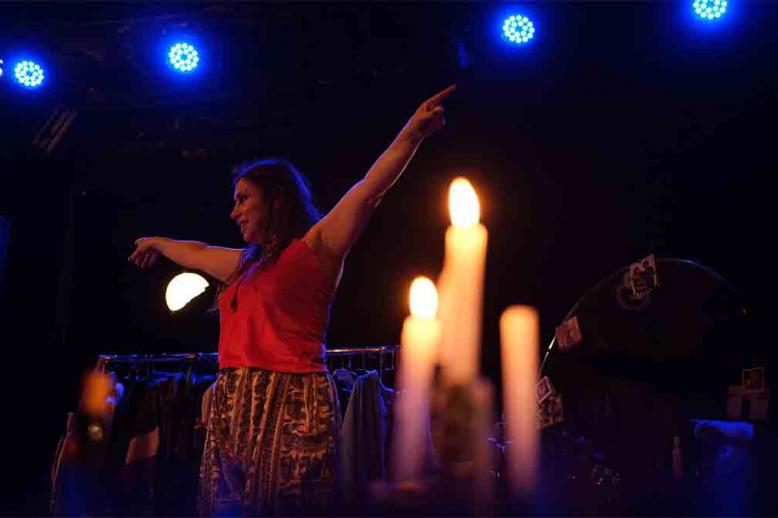
“Rêve(s)” (Dream(s)) is produced by Familia Production and directed by Fadhel Jaibi
Tunisia’s Kairouan celebrates modern theatre with international reach
The new edition promises a dense and immersive programme combining stage performances, intellectual reflection, training workshops and community outreach.
Friday 08/05/2026
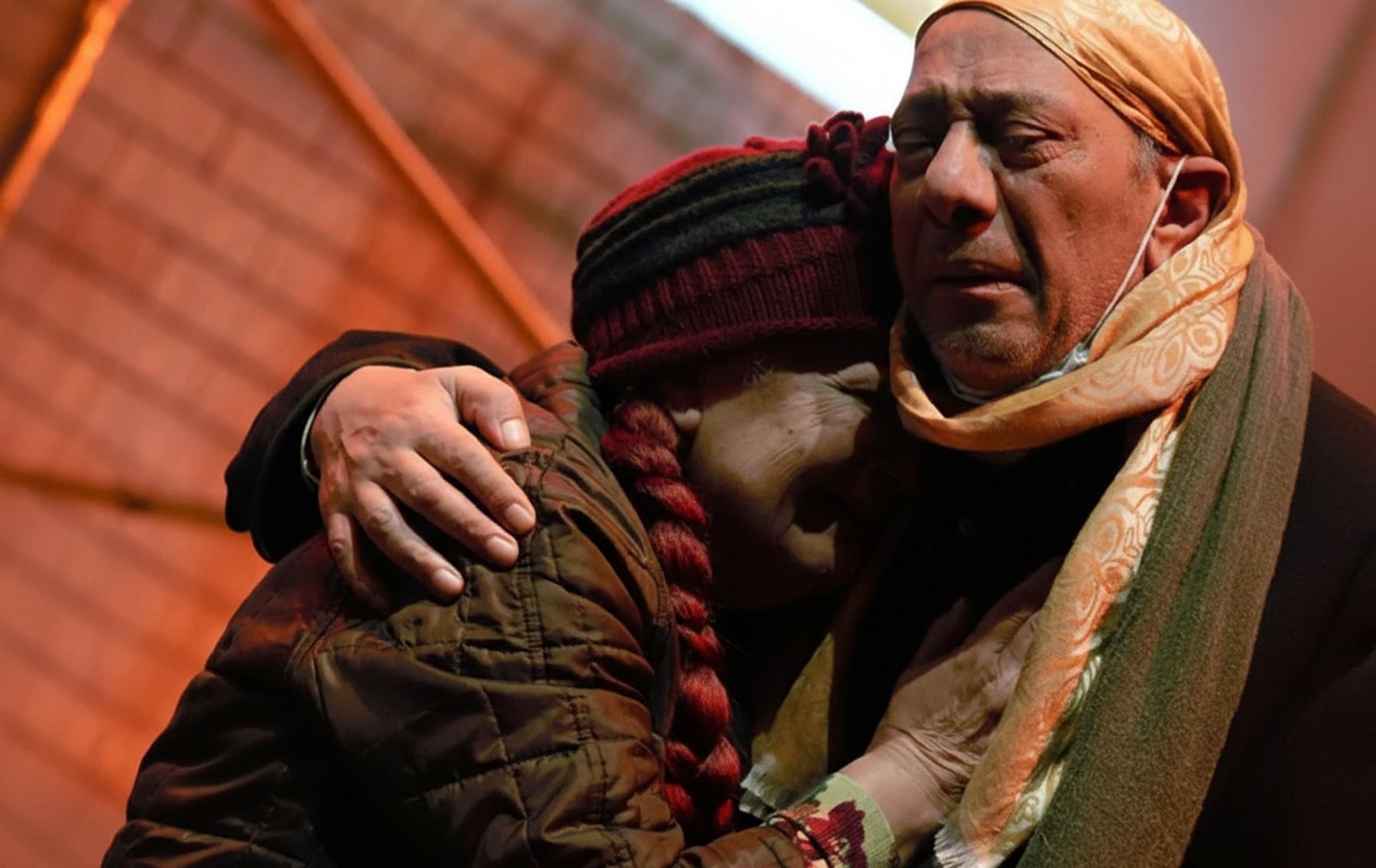
“Rêve(s)” (Dream(s)) is produced by Familia Production and directed by Fadhel Jaibi
KAIROUAN, Tunisia – Tunisia’s central city of Kairouan is set to come alive with theatre, debate and performance as it prepares to host the 30th edition of the Modern Theatre Festival from May9 to 14, a milestone cultural event that has steadily grown into one of Tunisia’s most significant artistic gatherings.
Unveiled on Thursday, during a news conference at the National Centre for Dramatic and Scenic Arts in Kairouan, this anniversary edition promises a dense and immersive programme combining stage performances, intellectual reflection, training workshops and community outreach, reaffirming the festival’s role as both artistic platform and civic space.
This year’s edition marks a turning point, with organisers placing stronger emphasis on the festival’s international reach and academic depth. Under the direction of Sami Nasri, the programme is designed not only to showcase theatre but also to pass on knowledge and support a new generation of practitioners.
Specialised workshops will be offered to students, emerging artists and theatre enthusiasts, focusing on themes such as pedagogy of performance, theatrical didactics, as well as stage performance and dance. These spaces of exchange are intended to foster new creative approaches and critical reflection on contemporary theatrical practice.
In parallel, the initiative, Theatre in Popular Neighbourhoods, will bring performances and artistic engagement directly into urban communities, reflecting a clear commitment to making theatre more accessible and socially rooted. The aim is to position theatre as a tool for dialogue, cohesion and awareness beyond traditional cultural venues.
The festival’s intellectual programme also plays a central role in this anniversary edition. Conferences and academic discussions will bring together researchers, scholars and theatre specialists to explore the relationship between theatre and heritage in a contemporary context.
These exchanges are expected to address how cultural memory can be preserved while remaining responsive to evolving artistic and social realities, reinforcing theatre’s role as both an artistic and historical medium.
On the artistic front, the festival will present a wide-ranging selection of Tunisian, Arab and international productions, spanning experimental theatre, contemporary creation and reinterpreted classics.
Among the most anticipated works is “Rêve(s)” (Dream(s)), produced by Familia Production, directed by Fadhel Jaibi and written by Jalila Baccar, two leading figures of Tunisian theatre. Other highlights include “Othello and After” by Hamadi Ouhibi, alongside several productions from Egypt and other international theatre scenes.
A strong inclusive dimension runs through this edition, particularly through programmes dedicated to children, including workshops and performances designed for young audiences and children with autism spectrum disorders. This approach highlights theatre’s potential as a tool for social development, emotional expression and integration.
In this context, Zouheir Ben Terdayet will present his experience with the Laboratory of Will, a project widely noted for its human-centred and innovative approach to therapeutic and educational theatre practices.
Another key moment will be a meeting with prominent theatre critic Abdelhalim Messaoudi, who will reflect on his career and the role of criticism in shaping theatrical discourse, offering audiences a rare insight into the analytical dimensions of stage performance.
In keeping with tradition, the festival will also pay tribute to two major figures of Tunisian theatre: Lotfi ManaI and Jamal Sassi, recognising their long-standing contributions to the national stage and their artistic legacy.
The festival will conclude with a celebration of emerging talent, as competition results are announced and awards presented to young performers and creators. This final moment underscores the festival’s core mission: nurturing new artistic voices while strengthening the place of Tunisian theatre on the regional and international stage.