


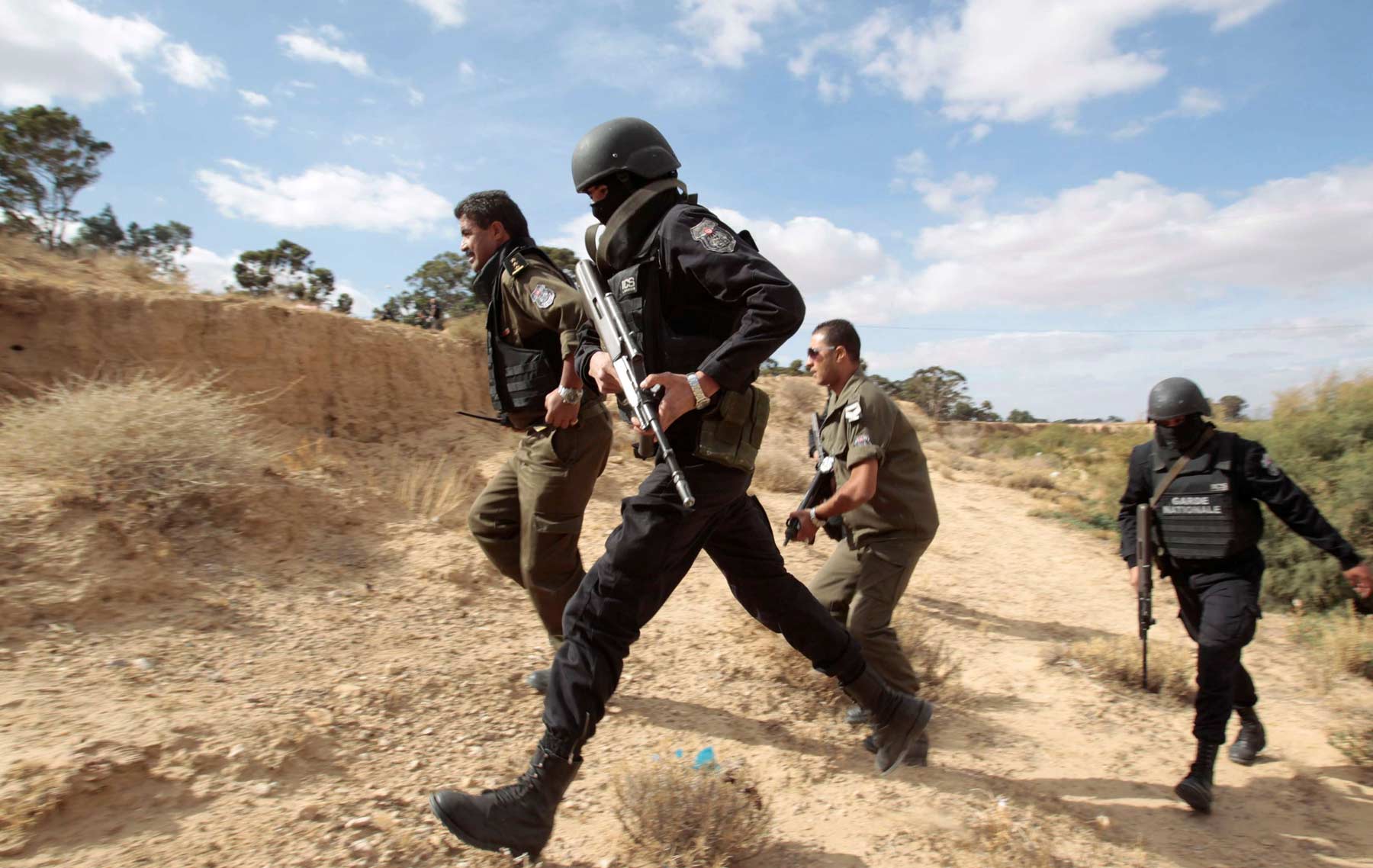
A sweeping crackdown
Tunisia anti-drug campaign intensifies amid addiction concerns
Observers say drug abuse has become one of the country’s most dangerous social threats, affecting a growing number of young people and infiltrating schools and universities.
Thursday 21/05/2026
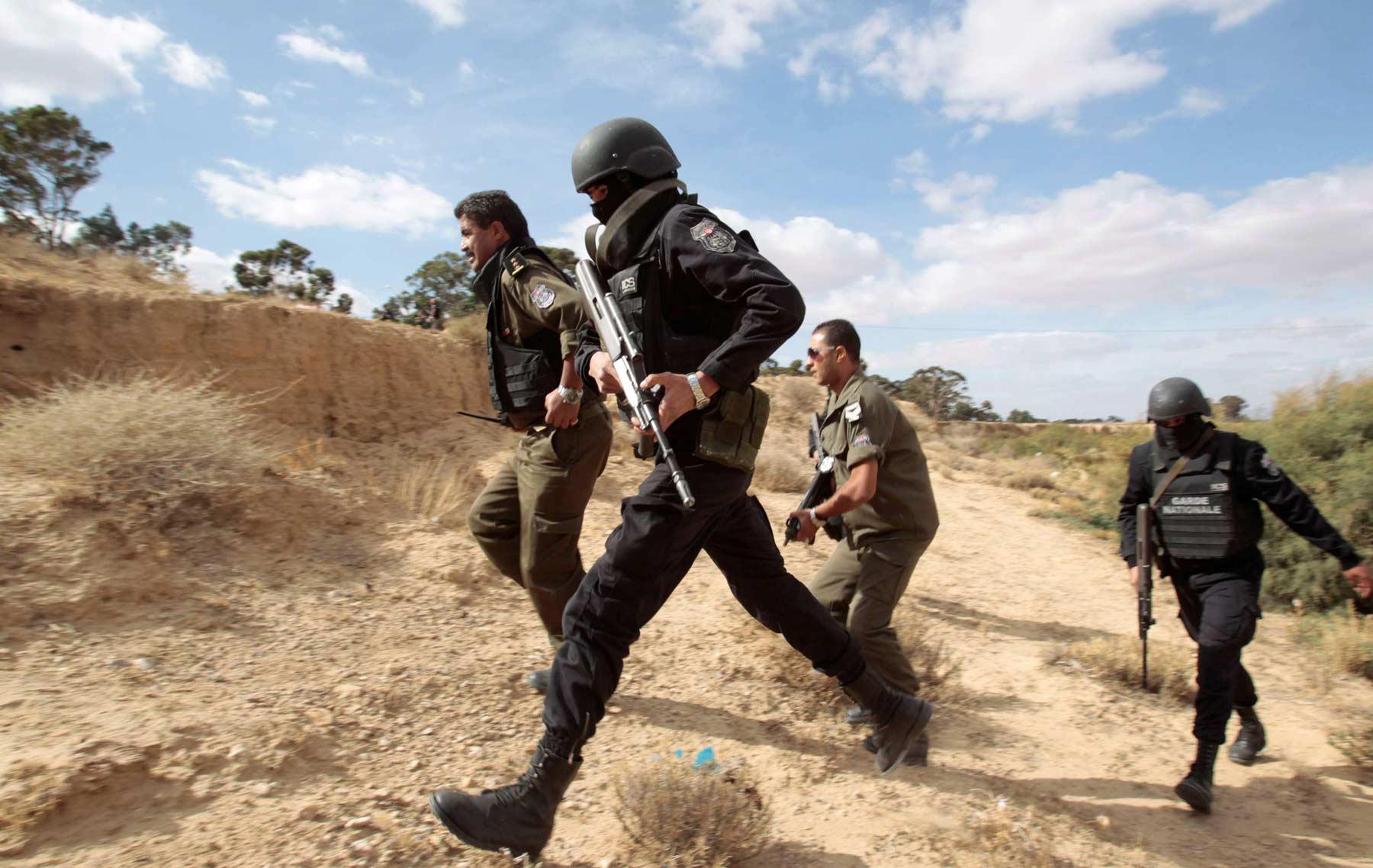
A sweeping crackdown
TUNIS – Tunisian security forces have intensified a sweeping crackdown on drug trafficking networks, scoring a series of major operations against international smuggling rings amid mounting concern over the rapid spread of narcotics across the country and growing fears that Tunisia is shifting from a transit route into a major consumer market.
The latest operation, led by the National Guard’s Central Anti-Narcotics Brigade in coordination with the maritime intelligence unit in Monastir in eastern Tunisia, dismantled what authorities described as an international criminal network involved in importing drugs from a European country.
The operation, carried out in the coastal town of Teboulba in Monastir province, resulted in the arrest of 12 suspects while seven additional individuals linked to the network were placed on wanted lists, according to a security source.
Authorities seized around 250,000 ecstasy pills that had been carefully concealed inside insulated fish storage containers, highlighting what investigators described as the sophisticated methods increasingly used by transnational trafficking groups.
Security forces also confiscated a metal detector, a fishing boat, two trucks, two luxury cars, a motorcycle and large sums of foreign currency.
Investigations and field inquiries revealed that members of the network were allegedly involved in several cross-border crimes beyond drug trafficking, including organising illegal maritime migration operations to Europe and trafficking in antiquities and illicit cultural property.
The latest seizure comes as Tunisia steps up efforts to combat narcotics smuggling through ports, airports and land crossings amid growing alarm over the spread of drugs, violent crime and gang activity in working-class districts and around schools and educational institutions.
Observers say drug abuse has become one of the country’s most dangerous social threats, affecting a growing number of young people and infiltrating schools and universities.
The repeated large-scale seizures carried out across multiple regions in recent months have highlighted both the scale of trafficking operations and the growing international dimension of the networks involved.
Analysts warn that the steady influx of synthetic drugs, particularly ecstasy pills, points to increasingly organised cross-border operations aimed at turning Tunisia from a transit point into a consumer market.
The phenomenon has also fuelled concerns over rising violence, social instability and the vulnerability of educational environments, with officials and observers increasingly describing the narcotics threat as a major national security issue comparable in severity to other forms of organised crime and extremism.
In recent months, Tunisian authorities have dismantled several large-scale trafficking operations, including the discovery of a sophisticated drug manufacturing facility in Ariana province capable of producing millions of narcotic tablets.
Security forces previously foiled a plot to manufacture and distribute around 10 million drug pills and separately broke up another international network involved in smuggling more than 1.2 million ecstasy tablets worth over 40 million Tunisian dinars.
Targeted raids across Greater Tunis and tourist areas such as Gammarth have also led to the arrest of hundreds of suspected traffickers and organised crime figures.
Non-governmental organisations estimate that detainees held on drug-related charges now account for nearly one-third of Tunisia’s prison population, underlining the scale of the crisis facing the country.
Officials say international criminal groups are attempting to flood Tunisia with narcotics through maritime, air and land routes, with many of the shipments intended for distribution among teenagers, students and young adults.
Drug networks have increasingly exploited schools and vulnerable communities, viewing pupils and adolescents as easy targets for recruitment and consumption, according to analysts and educators.
The growing crisis has also fuelled debate inside Tunisia over how addiction should be treated.
Earlier, Rim Mansouri Hajri, inspector-general at the Health Ministry’s Directorate of Pharmacy and Medicine, said the ministry was preparing draft legislation that would classify drug addiction as a chronic illness requiring treatment rather than solely a criminal offence punishable by law.
The proposed reform reflects broader concerns among health officials and civil society groups that punitive policies alone will not be enough to confront a crisis that many Tunisians now regard as one of the country’s most pressing security and social challenges.