



Despite the progress, significant challenges remain
Tunisia pushes voluntary repatriation drive amid migration pressures
The Tunisian authorities have increasingly highlighted the results of the programme in recent weeks as they seek to demonstrate progress on a politically sensitive issue.
Monday 08/06/2026
Despite the progress, significant challenges remain
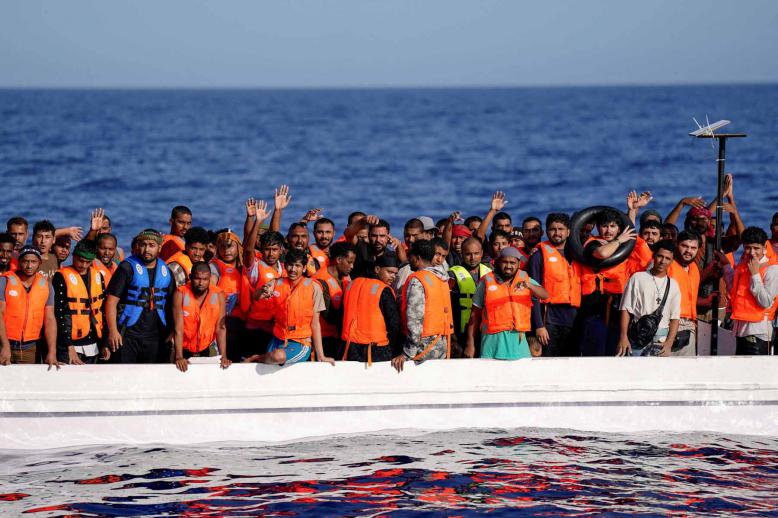
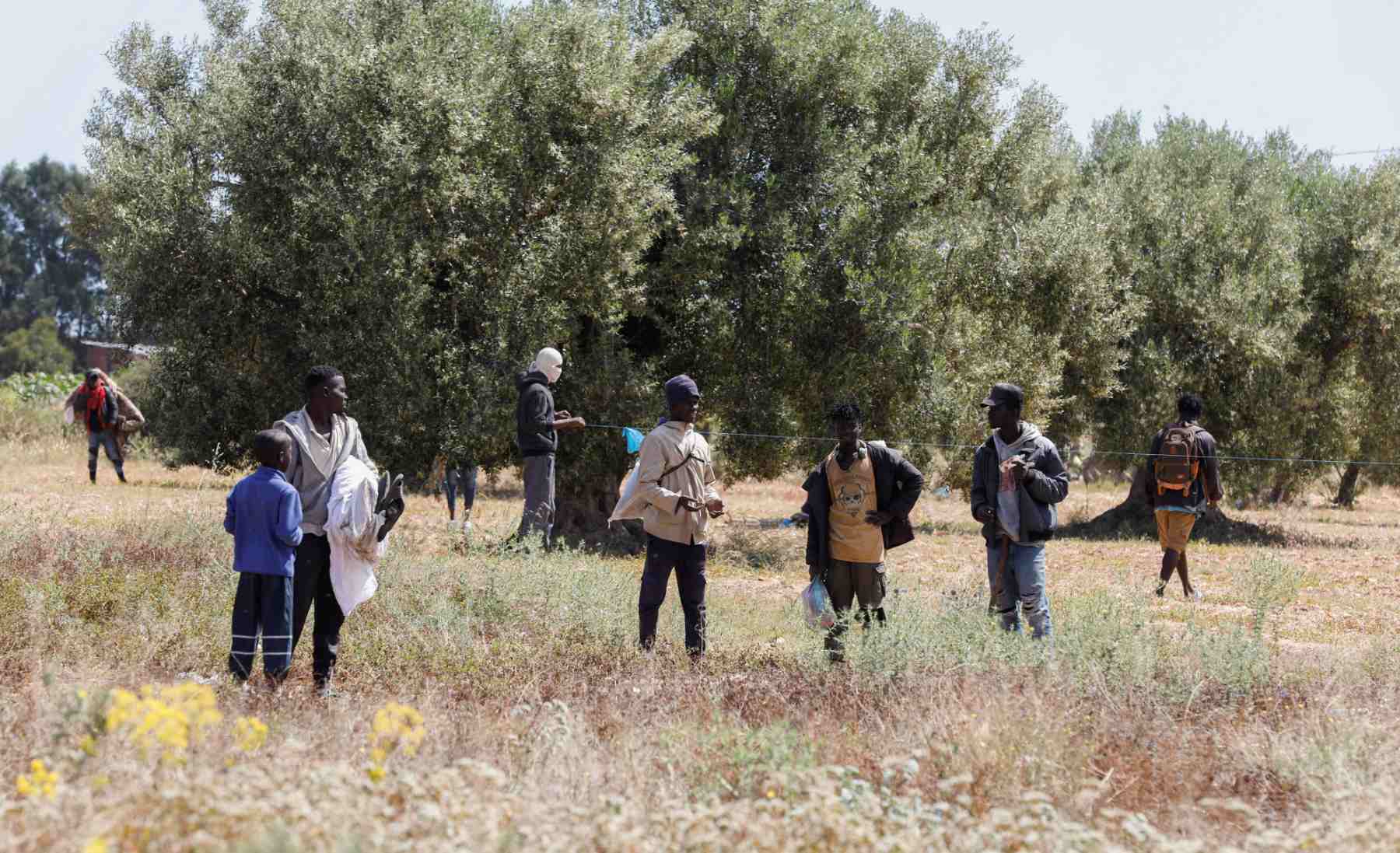
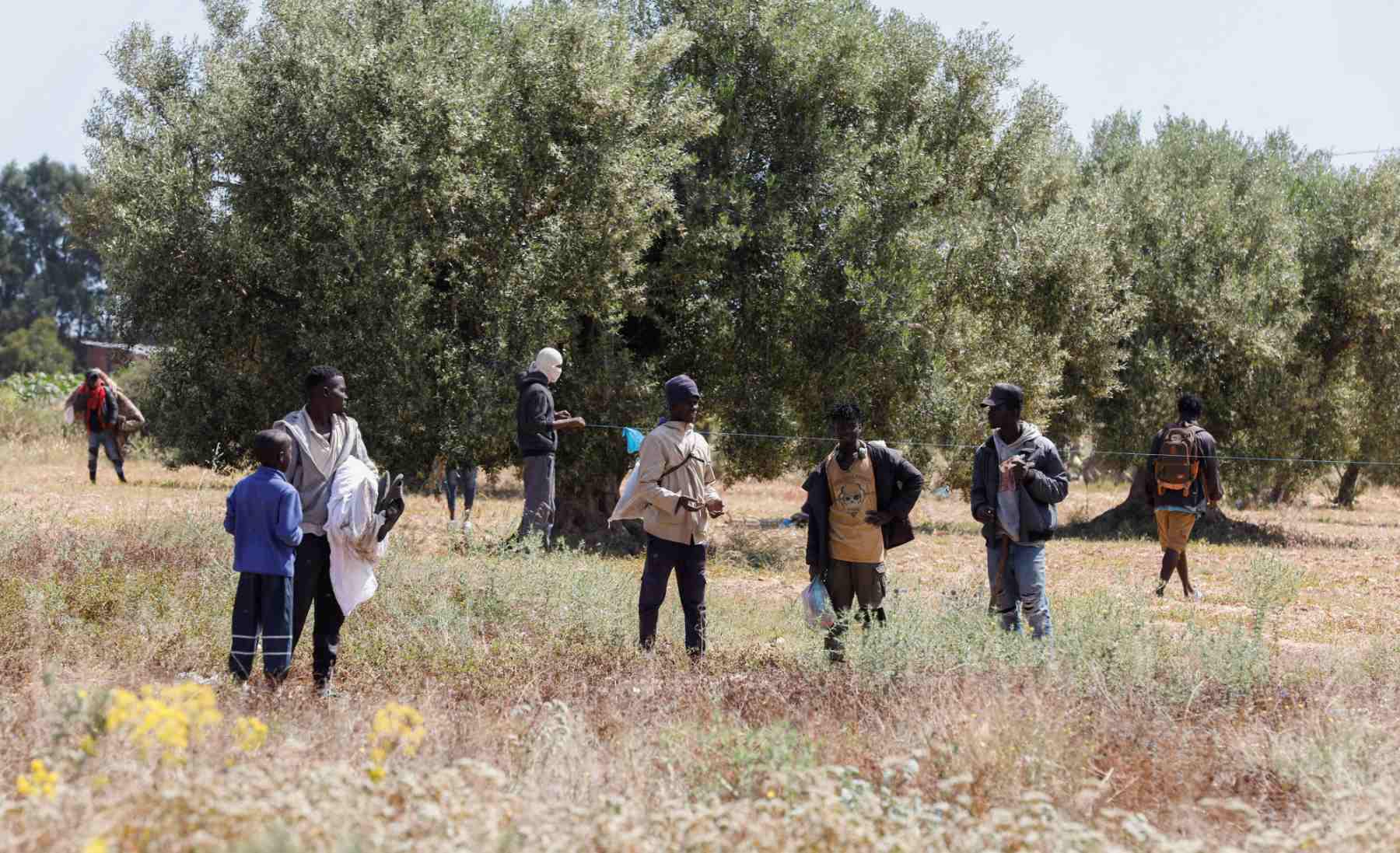
TUNIS – Tunisia is intensifying its reliance on voluntary repatriation programmes for irregular migrants from sub-Saharan Africa, presenting the policy as its principal response to mounting migration pressures while seeking to ease overcrowding in coastal regions and discourage dangerous crossings to Europe.
The latest operation saw 210 migrants transferred on June 6 by National Guard units from Tunis, Nabeul and Sousse to the Kilometre 21 transit camp in El Amra, in Sfax governorate.
The transfer brought the number of migrants moved to the facility this week to 420, double the usual pace, according to figures released by the Interior Ministry.
Operational since July 2025 following the dismantling of several informal migrant encampments in the region, the Kilometre 21 facility has become Tunisia’s main transit platform for voluntary return candidates.
Authorities use the site to centralise reception, registration procedures and logistical preparations before departures organised in coordination with embassies, international organisations and other partners.
The migrants transferred in the latest operation were mainly from Côte d’Ivoire, Guinea, Mali and Nigeria.
Around 150 had gathered in the Berges du Lac district of Tunis, while the remainder came from Nabeul and Sousse.
Houssem Eddine Jebabli, spokesman for the National Guard’s General Directorate, said the programme had enabled approximately 4,500 sub-Saharan African nationals to return to their countries of origin through operations coordinated with the Tunisian Red Crescent and regional authorities, particularly in Sfax.
He attributed the increase in voluntary returns to three years of efforts aimed at reducing irregular sea crossings and limiting infiltration through land borders, developments that have encouraged growing numbers of migrants to choose organised departures.
The Tunisian authorities have increasingly highlighted the results of the programme in recent weeks as they seek to demonstrate progress on a politically sensitive issue, especially in the Sahel region and the country’s south-east.
Official figures from local authorities indicate that approximately 27,000 migrants have returned to their home countries through voluntary return programmes implemented in cooperation with the International Organization for Migration and Tunisia’s Interior Ministry.
Officials say demand for voluntary return remains strong, with new groups arriving at the El Amra camp almost daily while preparations continue for further repatriation flights.
Despite the progress claimed by authorities, significant challenges remain.
Many migrants lack identity documents needed for travel, while fluctuating levels of participation can complicate planning and logistics.
The latest operation also comes during a week marked by renewed debate over migration issues in Tunisia.
Attention was drawn to the issue following the circulation of a video showing the assault of a sub-Saharan African woman, an incident that resulted in several arrests.
Although there is no established link between the assault case and the repatriation programme, their close timing has once again highlighted the sensitivity of migration issues in Tunisia.
Most migrants arriving in Tunisia come from countries affected by economic hardship, political instability or insecurity. Many see Tunisia as a staging post for attempts to reach Italy and other European destinations across the Mediterranean.
For Tunis, voluntary return is increasingly being presented not only as a humanitarian option but also as a practical tool for managing migration flows, reducing pressure on local communities and addressing one of the country's most politically charged challenges.