Tunisia reaffirms refusal to host migrants, calls for global action
President Kais Saied and Foreign Minister Mohamed Ali Nafti have repeatedly emphasised that Tunisia will not accept migrant settlement.
Monday 08/12/2025

TUNIS
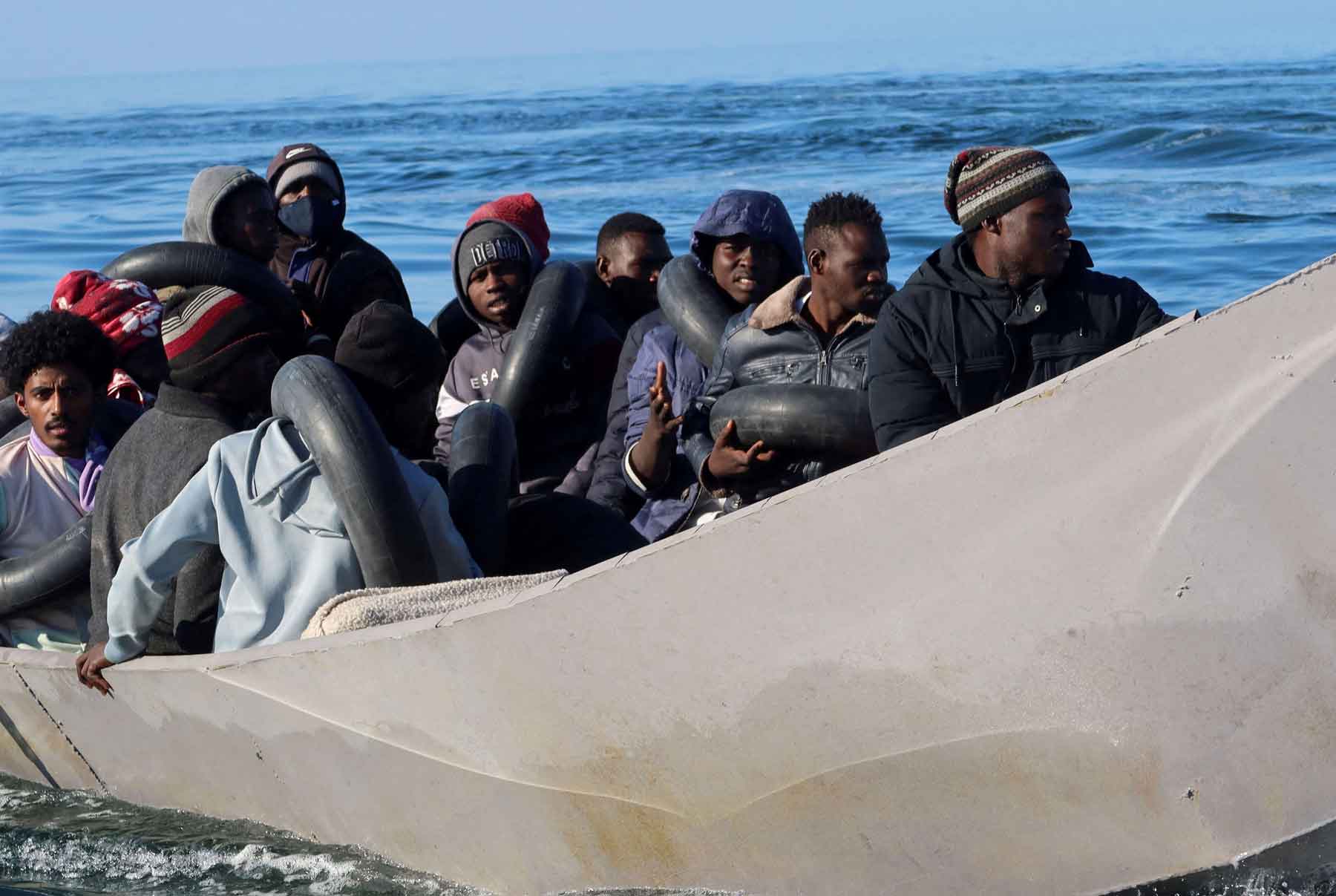
Tunisia has once again rejected becoming a transit or settlement hub for irregular migrants, stressing it will not bear the burden alone and urging international support to tackle the root causes, even as it continues to treat migrants humanely.
President Kais Saied and Foreign Minister Mohamed Ali Nafati have repeatedly emphasised that Tunisia will not accept migrant settlement.
“Tunisia is not a furnished apartment for sale or rent,” Saied earlier said, rejecting previous attempts to relocate migrants from sub-Saharan Africa.
Speaking at an IOM ministerial roundtable in Geneva, Nafati underlined Tunisia’s stance against serving as a transit or residence country.
“Tunisia will remain a land where civilisations meet, provided that residency rules are respected,” he said, stressing that border protection is not a rejection of migrants.
Nafti highlighted Tunisia’s efforts to address irregular migration through a humane, comprehensive approach that respects migrants’ dignity, combats human trafficking and saves lives.
He called for stronger regional and international coordination to dismantle trafficking networks and for funding development projects to support returning migrants in their home countries.
The ministerial roundtable, “Migration in Africa at a Crossroads: From Cooperation to Solutions,” brought together officials from across the continent. Nafti also met IOM Director-General Amy Pope to accelerate voluntary return programmes and support reintegration projects, and with his counterpart from Benin to expand bilateral cooperation.
According to observers, voluntary return programmes are proving effective, with migrant flows to Tunisia and Italy falling sharply, by around 60 percent for the latter.
Observers attribute the decline to tighter border controls with Libya and Algeria, and stricter maritime monitoring of routes to Italy, encouraging some migrants to return home voluntarily.
In July 2023, Tunisia and the EU signed a “strategic and comprehensive partnership” focused on economic development, renewable energy and tackling irregular migration, while also supporting Tunisia in its economic recovery.