

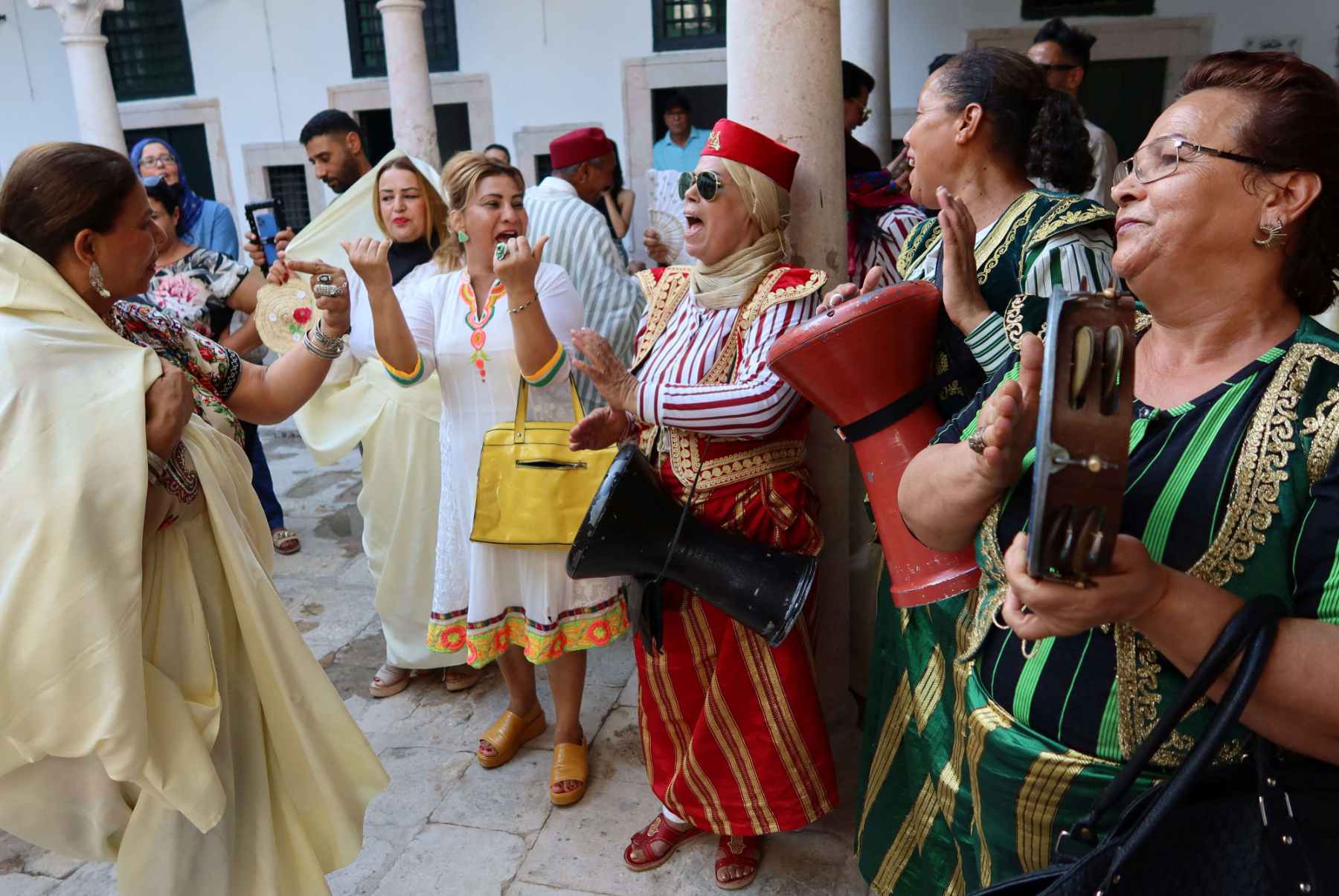
Where heritage meets celebration
In Tunisia, wedding season keeps tradition in vogue
For many artisans, the wedding season generates a substantial portion of their annual income.
Friday 19/06/2026
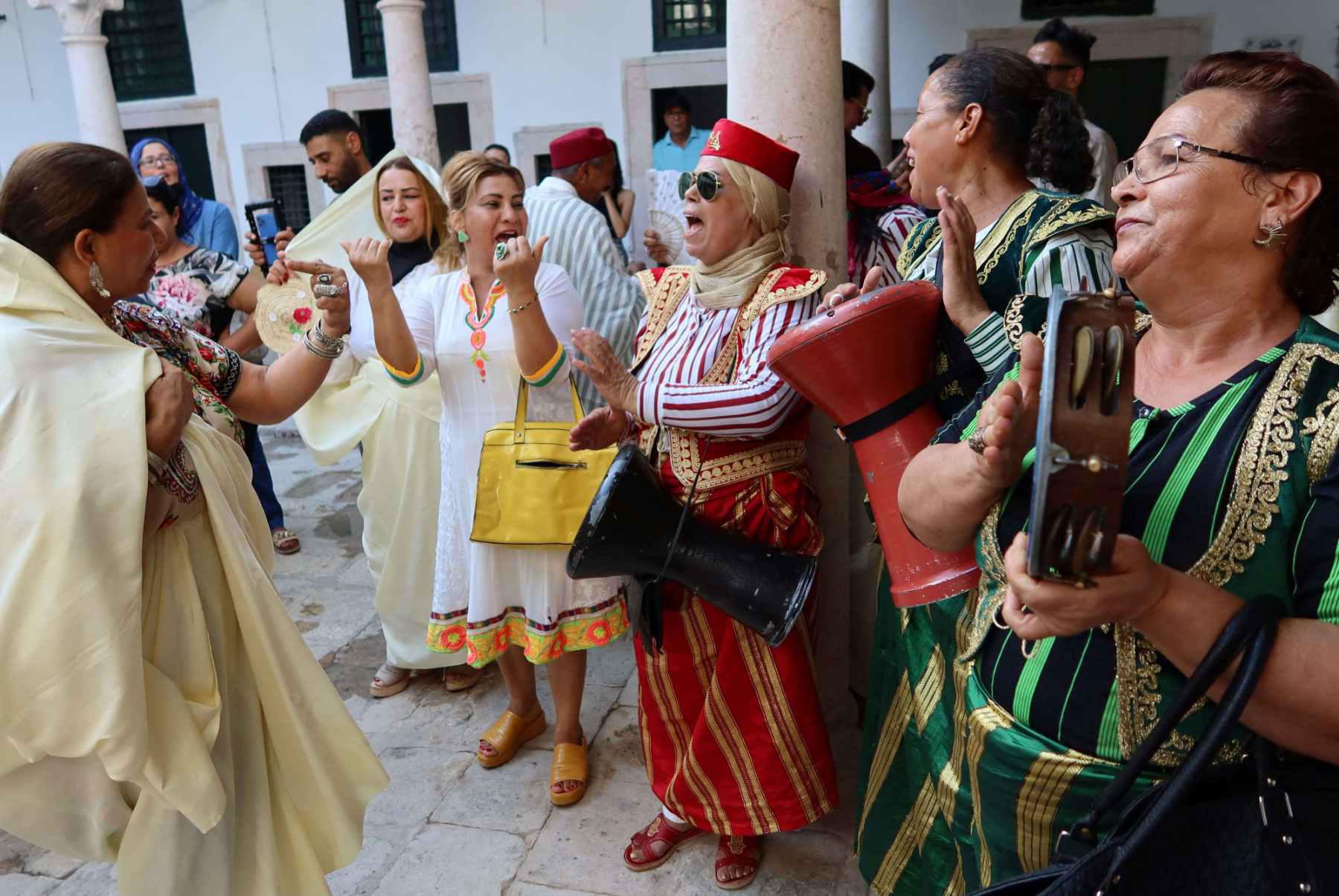
Where heritage meets celebration
TUNIS – Every summer, as wedding season sweeps across Tunisia, traditional clothing boutiques and embroidery workshops come alive with a renewed sense of purpose. Customers crowd into shops to choose garments, fittings and accessories, while artisans work long hours to complete intricate orders, reflecting the enduring place of traditional dress in Tunisian wedding celebrations.
As the number of weddings rises during the summer months, workshops become bustling hubs of activity, filled with brides selecting embroidered garments and families searching for the perfect accessories. The seasonal surge highlights the deep attachment Tunisians maintain to their cultural traditions and underscores the role of traditional attire as more than a ceremonial costume. For many, it remains a powerful symbol of identity and a collective heritage passed down from one generation to the next.
Professionals in the handicrafts sector say demand climbs sharply during this period of the year, with brides opting for outfits inspired by local traditions to accompany them through every stage of the celebrations, from the henna ceremony to the wedding night and the festivities that follow.
Amina Ben Salem, an artisan specialising in traditional clothing in the capital Tunis, says the wedding season is the most important period of the year for craftspeople.
“Orders begin arriving months before summer starts,” she said. “The pace of work gradually intensifies as the season approaches and demand increases.”
Many brides choose to wear several traditional outfits during the various wedding celebrations, significantly increasing demand for handmade garments and reinforcing the importance of the sector within the local economy.
Some pieces require weeks of continuous work because of the dense hand embroidery and painstaking attention to detail involved in every stitch. This is particularly true for the Tunisian Keswa and the traditional Jebba, widely regarded as among the most complex garments to produce.
Other designs draw inspiration from the traditions of specific regions, each distinguished by unique colours, motifs and decorative styles. These details give every garment a distinct identity, bearing the signature of the artisan who crafted it by hand. The result is often viewed not simply as clothing but as a work of art that preserves and celebrates Tunisia’s cultural heritage.
Mohamed Ayari, a craftsman from the coastal governorate of Nabeul, says demand extends far beyond Tunisia itself.
“The interest is not limited to people living here,” he said. “Many Tunisians living abroad buy traditional garments for their weddings so they can celebrate according to local customs, even while living far from home.”
The continued enthusiasm among the Tunisian diaspora reflects a strong attachment to cultural roots and a desire to preserve traditional customs. Many families also seek to pass these traditions on to younger generations born overseas, ensuring that ties to their national identity remain strong despite the distance.
Social media has played a significant role in promoting traditional clothing. Photographs and videos from weddings are widely shared online, boosting interest in heritage garments and helping revive styles that had been at risk of disappearing.
Digital platforms have become modern shop windows for artisans, connecting them with customers far beyond their local communities and even beyond Tunisia’s borders. Traditional attire now enjoys a global visibility that was unimaginable when promotion relied primarily on word of mouth and visits to physical stores.
Among the most popular garments during the wedding season are the Tunisian Keswa, the caftan, the Jebba, the Farmla and the Takhlila. These are often complemented by traditional jewellery crafted from gold and silver, an essential element of the bridal appearance.
Fatma Zouari, another artisan specialising in traditional accessories, says such items have become indispensable to modern bridal fashion.
“Traditional accessories are now a key part of the bride’s look, whether embroidered belts, decorated headpieces or jewellery inspired by historical designs,” she said.
For many artisans, the wedding season generates a substantial portion of their annual income, making it a critical period not only for individual craftspeople but also for their families and communities.
Yet despite the seasonal boom, the sector faces mounting challenges. Artisans say the rising cost of fabrics, threads and raw materials has become one of their greatest concerns.
Ayari said production costs have increased significantly in recent years, directly affecting the prices of finished products.
“We are doing everything we can to maintain the quality of handmade work despite the growing financial pressures,” he said.
The challenge of preserving quality while coping with rising costs continues to place strain on the sector and raises concerns about its long-term sustainability unless further support measures are introduced.
Heritage specialists argue that the continued prominence of traditional dress at weddings demonstrates Tunisians’ determination to preserve their social customs and cultural identity despite significant changes in wedding celebrations and fashion trends over recent decades.
They note that a growing number of designers have successfully modernised traditional garments by incorporating contemporary touches while preserving their authentic character. This balance between innovation and tradition has helped make heritage attire increasingly appealing to younger generations, ensuring that centuries-old craftsmanship continues to thrive in modern Tunisia.