Strong vision
Turning challenges into opportunities, Morocco ends 2025 on strong strategic footing
The king’s vision blends political realism with social responsibility, building the present while anticipating the future.
Thursday 18/12/2025
Strong vision
RABAT –
As 2025 draws to a close, Morocco reflects on a year defined by profound transformations across politics, diplomacy, economics, security and social affairs. These developments underscore the clarity and foresight of the kingdom’s strategic vision, demonstrating its ability to convert challenges into opportunities and lay the groundwork for sustained progress.
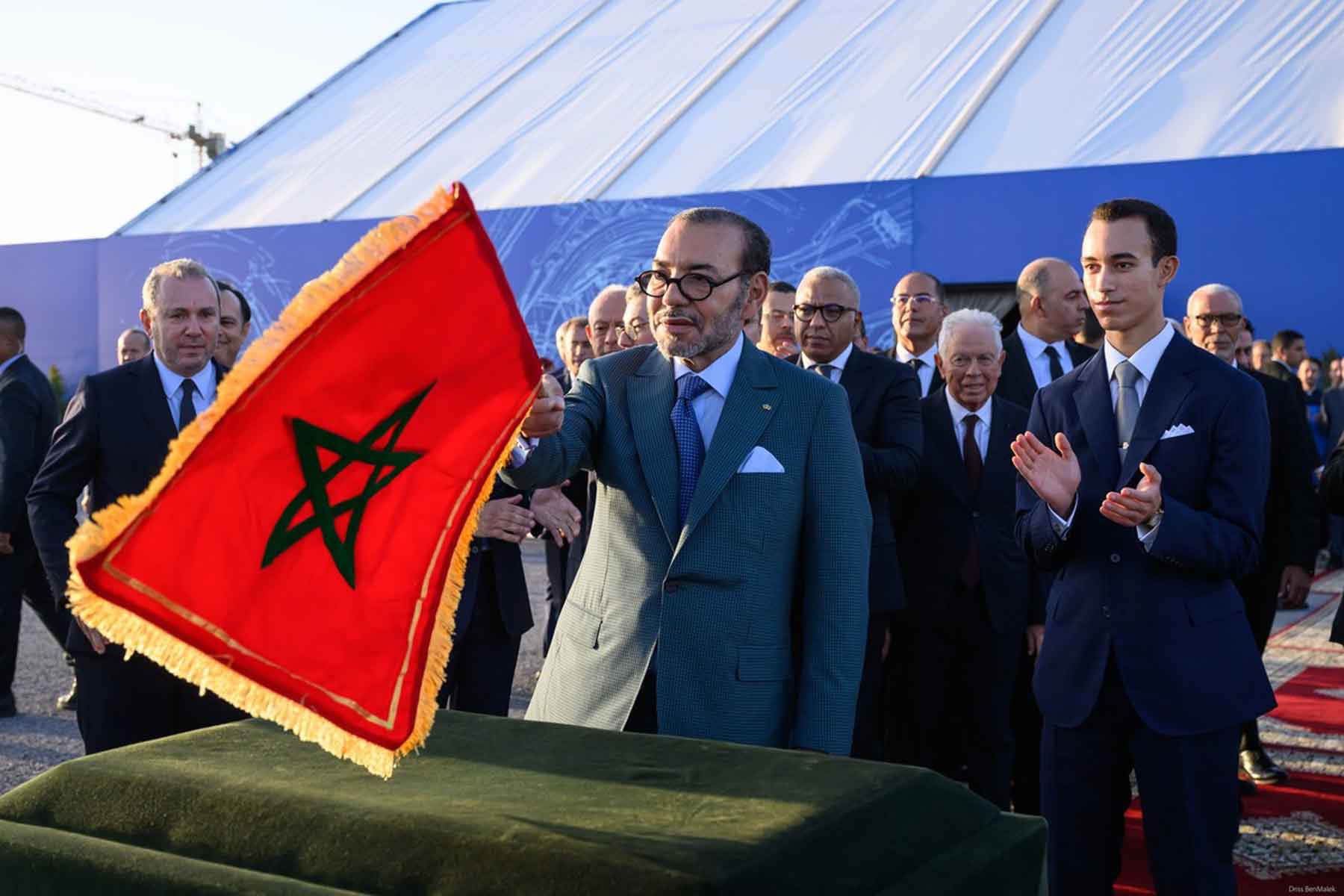
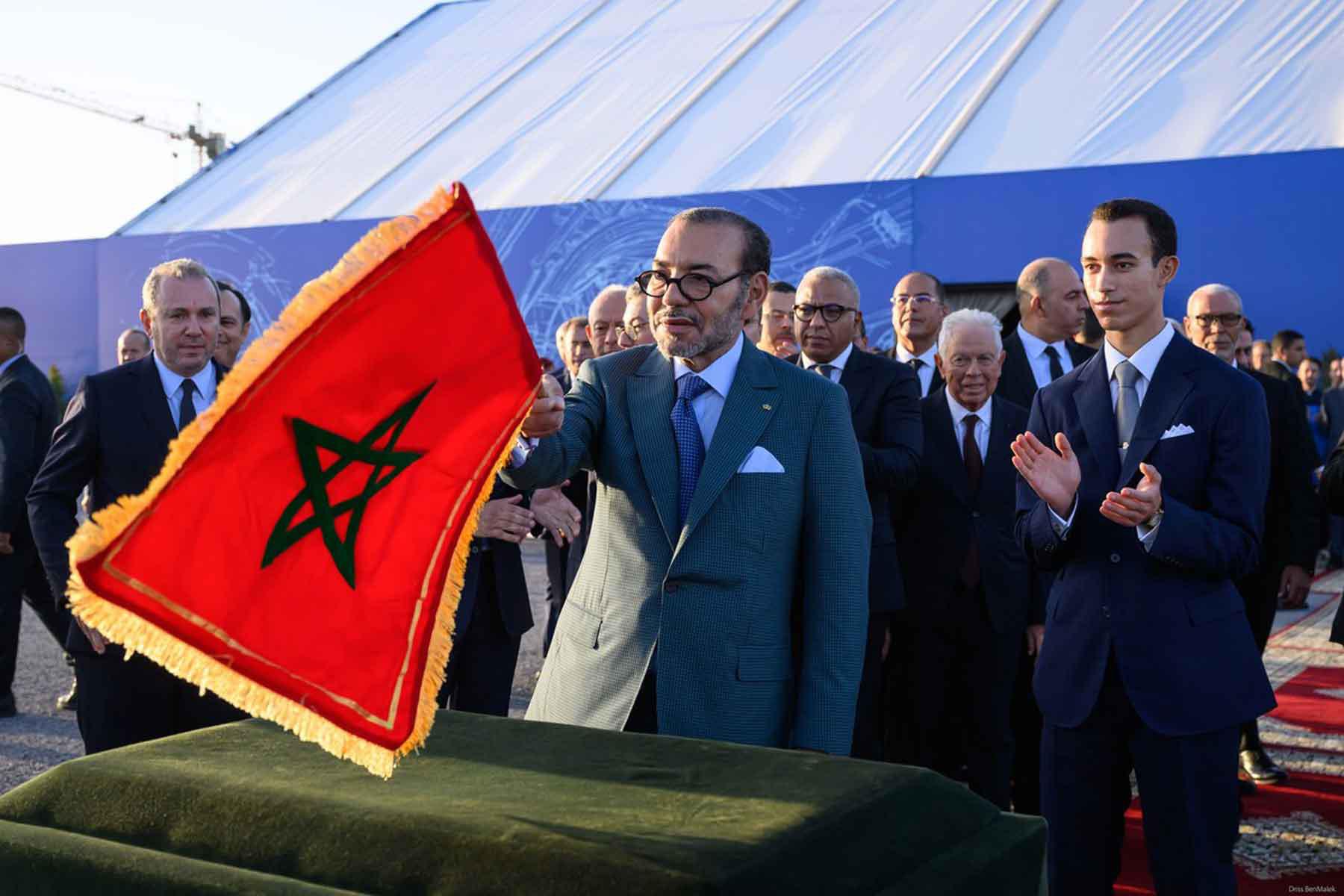
The year has strengthened Morocco’s standing as a regional anchor of stability, a trusted international partner and a model of gradual reform led by King Mohammed VI. The monarch’s vision blends political realism with social responsibility, building the present while anticipating the future and ensuring that policy decisions are guided by a long-term strategic perspective rather than short-term fixes.
In recent years, Morocco’s political and developmental trajectory has been shaped by this clear royal vision, which directs reforms across governance, diplomacy, the economy and social development. By prioritising long-term planning and citizen-centric policies, Morocco has managed to balance internal stability with outward engagement, positioning its population as both the goal and instrument of public development.
This strategic continuity has fostered resilience, allowing Morocco to navigate a turbulent regional environment with minimal disruption. Strengthened constitutional institutions, promotion of good governance and a commitment to gradual reform have enabled the country to avoid major shocks and maintain adaptability in the face of shifting regional dynamics.
Diplomatic breakthroughs and regional influence
Morocco has achieved significant diplomatic milestones, particularly regarding the Western Sahara issue. Its diplomacy has broadened international support for the autonomy initiative, positioning it as a credible and realistic solution to the longstanding dispute. A major development came on October 31, 2025, when the UN Security Council reaffirmed the initiative as the exclusive framework for negotiations, renewing the MINURSO mandate and signalling a pivotal shift toward a sustainable political solution.
Recognition of Morocco’s proposal from major global powers, alongside African, European and Latin American states, reflects growing international consensus that outdated approaches to the dispute are no longer viable. Morocco’s sustained diplomatic engagement, grounded in historical and legal legitimacy and the stability of its southern regions, has been central to this momentum.
Beyond the Sahara issue, Morocco has diversified its strategic partnerships, deepened ties with Africa, expanded its presence in the Arab and Mediterranean spheres and forged advanced relations with leading international powers. The kingdom has also solidified its role as a stabilising force in a volatile region, particularly in Africa and the Sahel, offering a reliable partner in security, intelligence cooperation and economic development initiatives addressing the root causes of instability.
Internationally, Morocco has reinforced its reputation as a trustworthy actor in counterterrorism and organised crime, leveraging accumulated expertise and a proactive strategy linking security, development and forward-looking governance.
Economic and social development
Domestically, Morocco’s royal vision has translated into structured projects reshaping the country’s developmental landscape. Investments in infrastructure, modernisation of ports and transport networks, renewable energy and strategic industries have enhanced competitiveness, attracted investment and created employment opportunities, despite global economic challenges.
Social balance has also been a priority. Major initiatives in social protection, regional development and support for vulnerable populations reflect an integrated strategy that combines steady economic growth with social equity. Morocco has advanced structural projects connecting regions through modern transport, logistics and energy networks, reinforcing its position as a regional trade and investment hub.
Economic diversification has also been a focus, with Morocco strengthening partnerships with influential international actors and attracting investment in sectors such as renewable energy, automotive and aerospace industries and the digital economy. Politically, the kingdom has consolidated a reform model grounded in stability and gradualism, enhancing accountability, strengthening elected institutions and advancing decentralisation to bring governance closer to citizens.
The social state model, championed by King Mohammed VI, has been further expanded in 2025 through programmes aimed at improving living standards, extending healthcare coverage, reforming social protection and supporting vulnerable communities. These policies integrate economic growth with social and spatial equity, promoting a fairer, more balanced development trajectory.
Culturally and intellectually, Morocco has remained a platform for tolerance and moderation, drawing on its religious heritage, including the monarchy’s spiritual authority, Maliki jurisprudence and Ash‘ari theology. This approach reinforces Morocco’s image as an open, cohesive society capable of addressing extremism at its ideological roots. Sport has also contributed, with international football successes enhancing soft power, demonstrating organisational capacity and raising Morocco’s global profile.
As 2025 concludes, Morocco emerges with strategic gains across diplomacy, economy, society, culture and security. These achievements reflect a long-term royal vision aimed at building a socially cohesive, regionally influential and internationally-trusted Morocco, equipped to navigate the rapid transformations of the global stage with ambition, realism and resilience.