EMIR is a consulting and research firm whose work methodology begins at the highest levels of decision-making


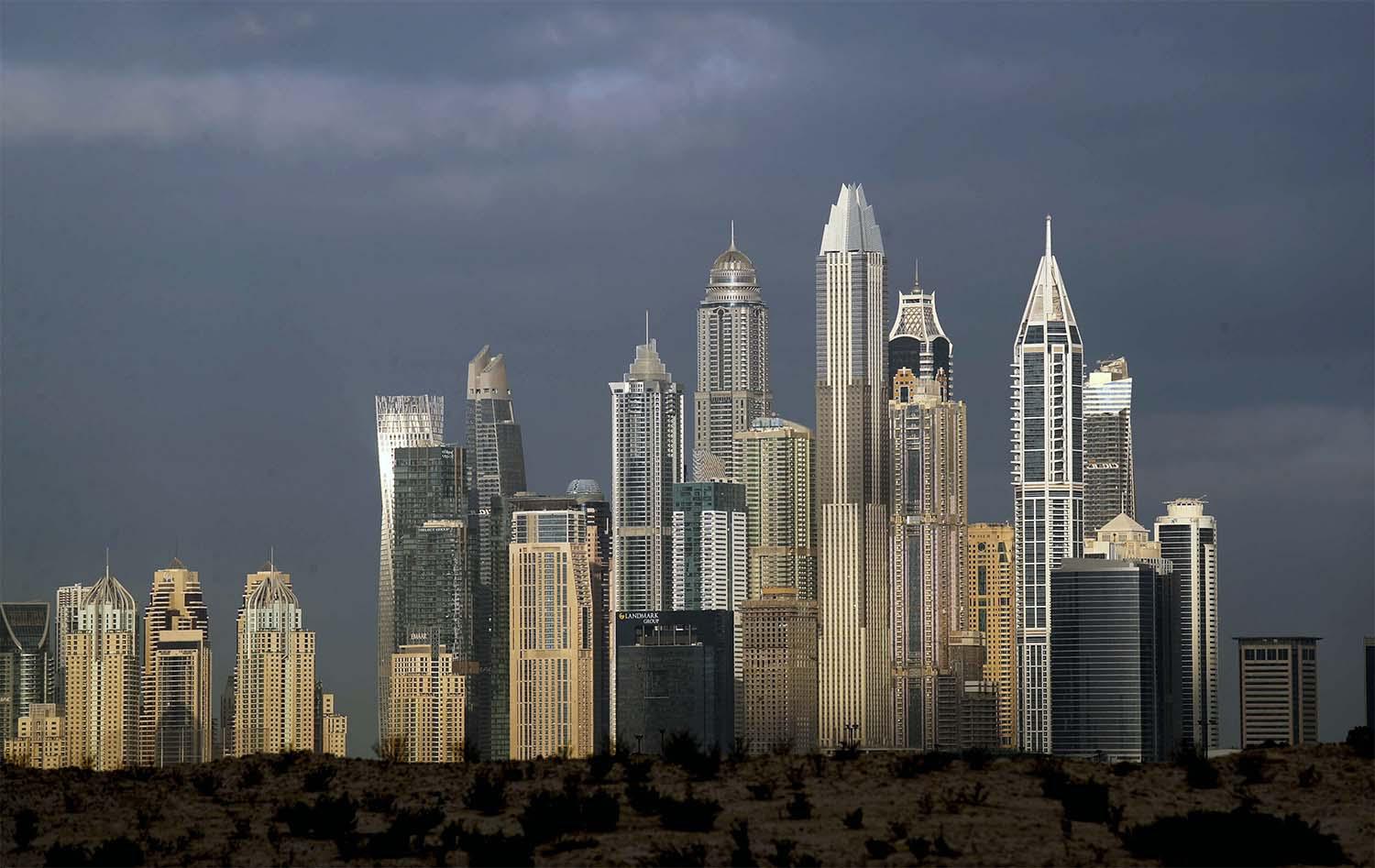
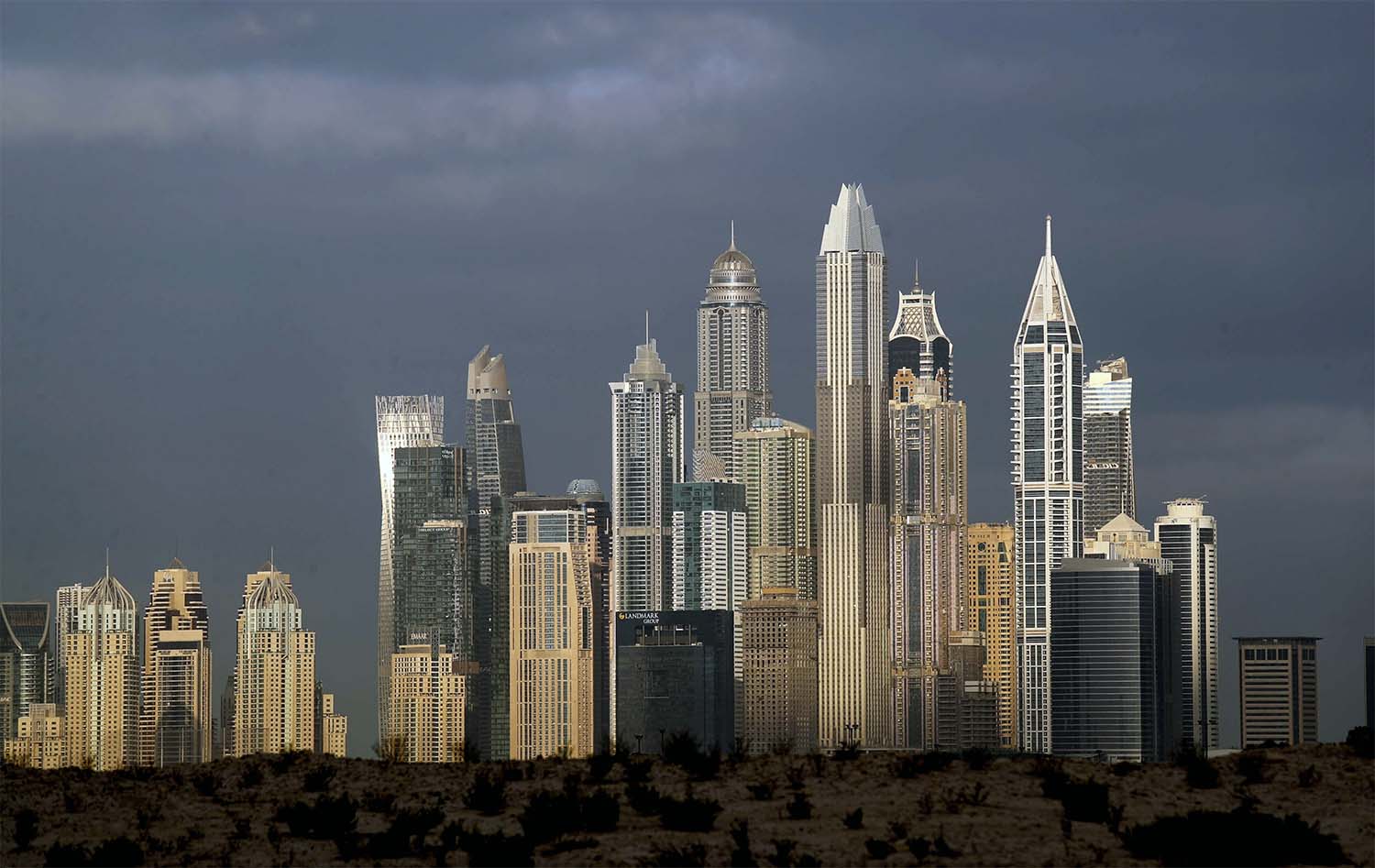
ABU DHABI – At a time when the global economy is undergoing profound transformations characterized by escalating geopolitical tensions, slowing globalization, and increasing investment caution, the UAE stands out as a model for an economy capable of converting international challenges into opportunities for growth.
A new report by Emerging Markets Intelligence & Research (EMIR), supported by Qashio, revealed that Abu Dhabi has successfully cemented its position as one of the most attractive financial destinations for capital, drawing approximately $40 billion in Foreign Direct Investment (FDI) between 2019 and 2024. This achievement reflects the strength of its economic structure and regulatory flexibility.
Titled "The UAE as a Global Financial Gateway," the report offers an analytical reading of the reasons behind the nation's success in attracting increasing financial flows at a time when many traditional markets are experiencing a decline in foreign investment.
It indicates that FDI constituted about 40 percent of the total capital in the country during 2024, compared to no more than 4.3 percent in advanced economies. This underscores the rich Gulf state's transformation into a trusted hub for long-term capital seeking stability and clarity.
This exceptional performance did not come out of nowhere; rather, it resulted from a combination of structural factors, most notably a sophisticated regulatory environment, speed in economic decision-making, and the ability to adapt to international changes.
The Gulf Arab state registered 1,362 FDI projects in 2024 alone, an increase of 350 percent compared to 2020, which is an indicator of the accelerating momentum of economic activity and the state's ability to attract investors even amidst global uncertainty.
Among the striking indicators mentioned in the report is the strong growth in assets under management within the Dubai International Financial Centre (DIFC), which reached $700 billion, recording an annual growth of 58 percent. This figure reflects the growing role of UAE financial centers in managing regional and international investment flows, in addition to the country's success in building an integrated financial system that combines advanced infrastructure with strict regulatory oversight.
The report's authors believe that one of the most prominent reasons for this success is the balanced approach the UAE adopts in its international economic relations. According to the report, the country does not align itself with conflicting axes but builds cooperative relationships with various parties, giving it a unique position that allows it to benefit from geopolitical shifts and the reshaping of global finance and trade chains. Furthermore, the government's ability to anticipate economic changes and rapidly adapt to them has contributed to enhancing the confidence of investors and international institutions.
The UAE's role is not limited to being a safe haven for capital; it extends to being an operational platform for global companies that manage their cross-border operations from the region.
The country has become a regional hub for payments and financial transactions thanks to its adoption of the latest financial technologies and its implementation of robust compliance frameworks, which enhances transparency, reduces operational risks, and provides companies with an accurate view of their cash flows.
Qashio affirms that the UAE's rise as a global financial center is closely linked to the availability of modern financial tools that help institutions manage their expenses efficiently and clearly.
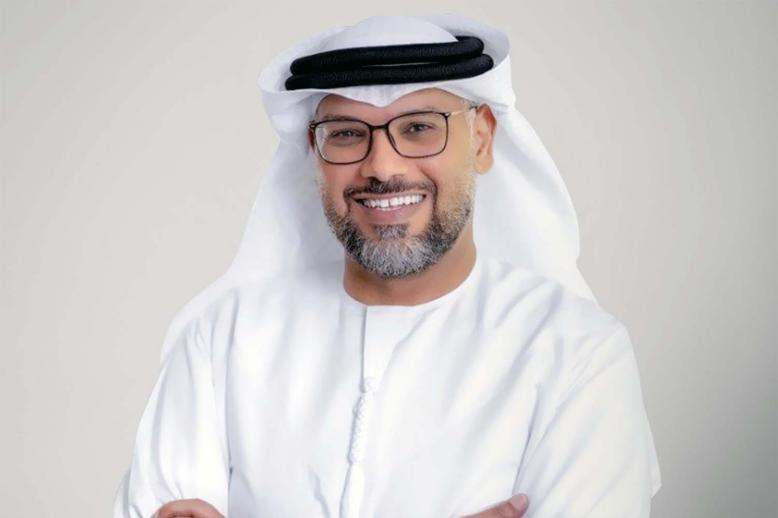
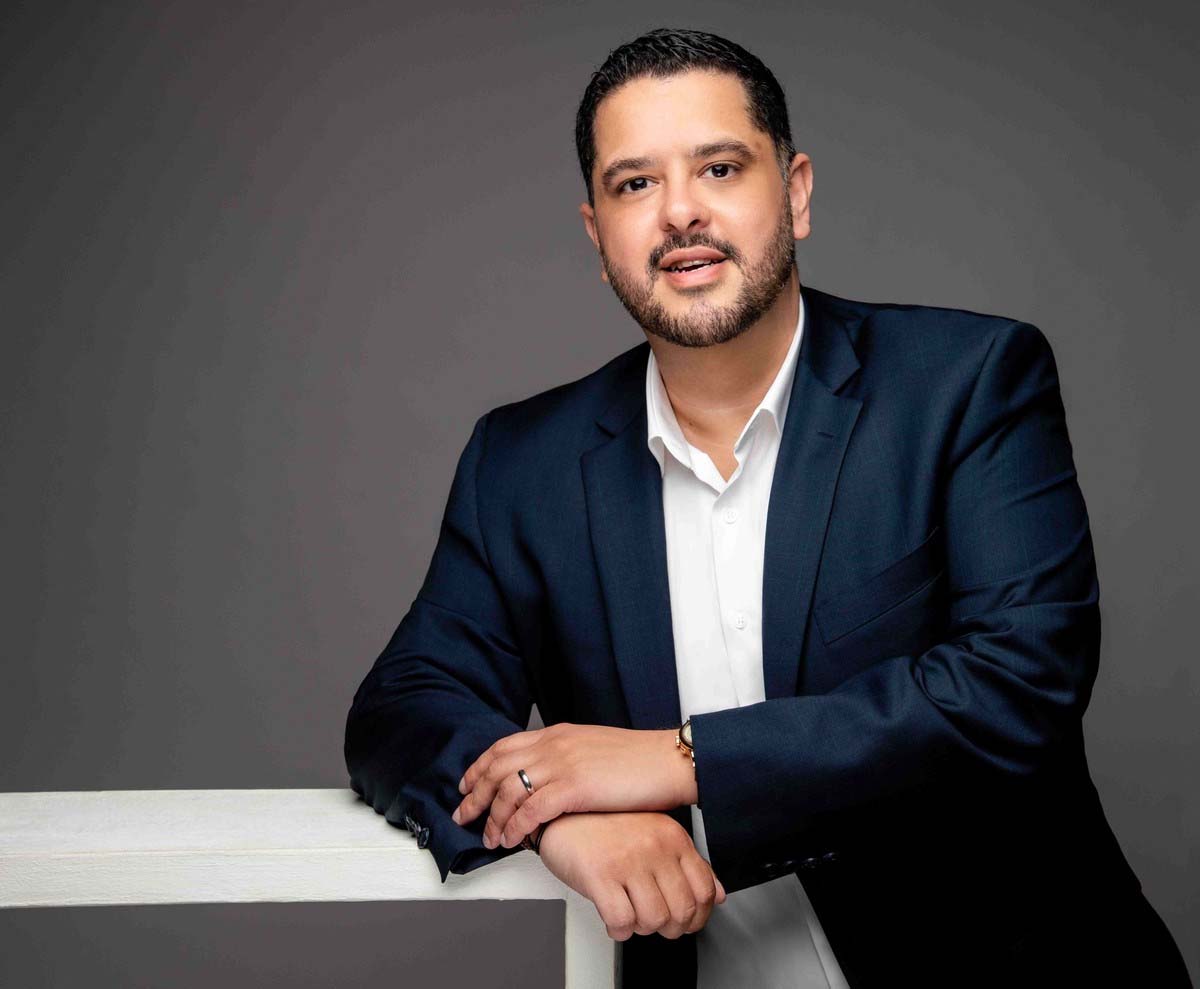
Armin Moradi, founder and CEO of Qashio, states that increased global scrutiny of capital flows has made trust and control essential elements in financial operations. He explains that companies need a comprehensive view of spending, full adherence to central bank instructions, and the benefit of real-time analytics to make accurate decisions.
Cashio, headquartered in Dubai, provides an integrated platform for managing corporate expenses and payments, allowing finance teams to monitor operations instantly, leveraging advanced automation and policy-based approval systems. It also offers unlimited cards and global rewards partnerships, helping institutions mitigate risks and maximize value from every financial transaction.
The year 2025 witnessed a remarkable expansion in the company's activities, as it opened a new office in Abu Dhabi and increased its workforce in the UAE to over 100 employees, enhancing its capabilities in product, engineering, and marketing. It also entered the Saudi market through the acquisition of "Sanad Cash," a move that reflects its strategy to build a unified expense management ecosystem in the GCC countries.
The company's achievements also included the development of its loyalty program, "Qashio Points," by adding more than ten airlines and luxury hotel groups, making it one of the most comprehensive rewards programs in the institutional expense management sector in the region. Additionally, it launched "Qashio Travel," a platform dedicated to travel agencies, travel platforms, and travel management companies, aiming to address industry challenges such as high foreign exchange costs, fraud risks, and inefficiencies resulting from manual operations.
The report concludes that the UAE is no longer merely a safe haven for capital but has transformed into an integrated financial ecosystem capable of supporting long-term growth in the finance, trade, technology, and digital assets sectors. As global companies reassess their investment locations and operational strategies, the country appears poised to continue strengthening its position as a global financial gateway that combines stability and innovation.
EMIR, the entity that prepared the report, is a consulting and research firm whose work methodology begins at the highest levels of decision-making. Its projects originate from government leaders and top executives, participating in the early stages of strategic decision-making before capital allocation or entering new markets. This gives it the ability to analyse major economic trends and provide insights based on accurate data and extensive institutional relationships.