


A fragile landscape
UAE denies role in Yemen tensions, stresses commitment to stability
The UAE has long played a critical role in Yemen as part of the Saudi-led coalition, combating extremist groups and supporting the Yemeni government.
Tuesday 30/12/2025
A fragile landscape
ABU DHABI –
The United Arab Emirates on Tuesday firmly rejected Saudi Arabia’s claims suggesting it played a role in escalating Yemen’s internal conflict, following Saudi airstrikes on vehicles belonging to Emirati forces in southern Yemen.
In an official statement, the UAE Ministry of Foreign Affairs expressed “deep regret” over Saudi statements, which it described as containing “fundamental inaccuracies” regarding its role in Yemen. The ministry categorically denied exerting influence over any Yemeni faction to conduct operations that could threaten Saudi security or destabilise the region.
“Since the outset of events in the governorates of Hadhramout and Mahra, our position has focused on containing the situation, supporting de-escalation efforts, and pushing towards understandings that contribute to preserving security and stability and protecting civilians, in coordination with Saudi Arabia,” the UAE statement read.
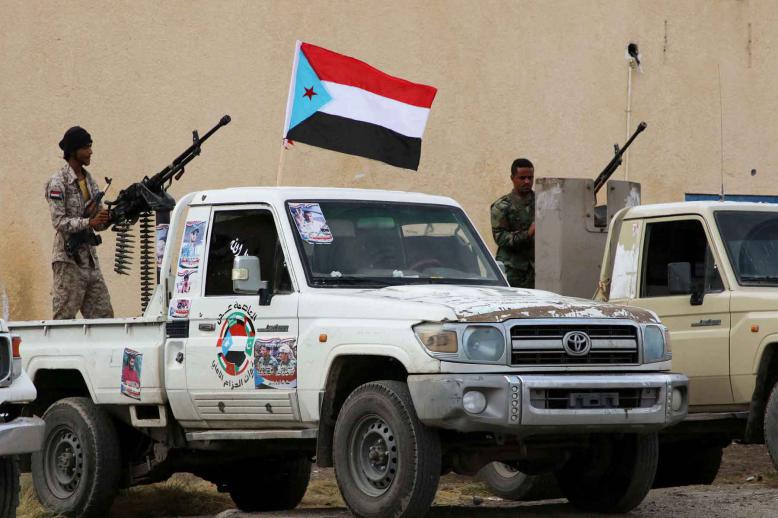
Saudi Arabia, which leads the coalition against the Iran-backed Houthi rebels, condemned the Southern Transitional Council’s (STC) recent takeover of Hadhramout and Mahra, accusing the UAE of having a hand in the move. The STC, which seeks to establish an independent southern state, justified the operation by citing the failure of other pro-government factions to confront the Houthis effectively in northern strongholds, including the capital, Sana’a.
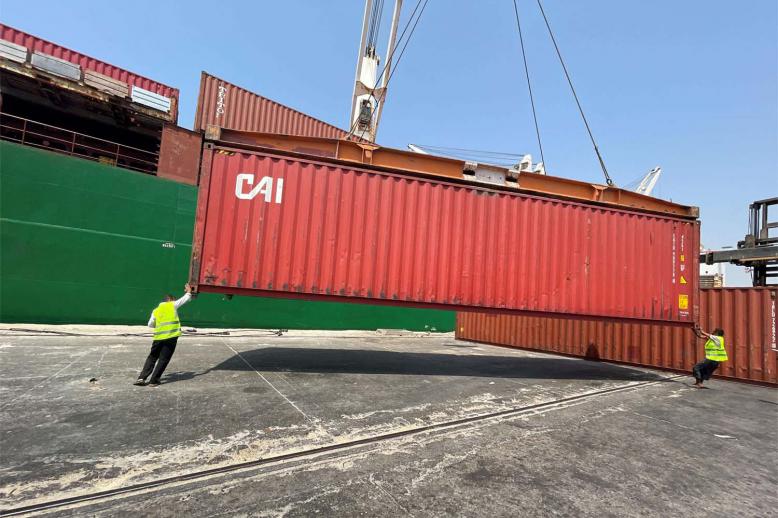
“The UAE strongly rejects any attempt to drag its name into tensions between Yemeni parties and condemns allegations it directed military operations,” the statement continued, affirming that the equipment targeted by Saudi airstrikes at the port of Mukalla was intended solely for Emirati forces and not for any Yemeni faction.
The UAE highlighted its long-standing commitment to Saudi security, stressing its “full respect for the kingdom’s sovereignty and national security” and the importance of “fraternal and historic relations” between the two Gulf powers. The ministry also pointed to the need for “restraint and wisdom” in addressing the unfolding situation to prevent escalation, protect civilians and maintain coordinated efforts against terrorist groups including Al-Qaeda, the Houthis and the Muslim Brotherhood.
The recent airstrikes involved weapons and combat vehicles unloaded from two vessels at Mukalla port, according to Saudi-led coalition forces. The UAE emphasised that these claims did not reflect the true nature of the shipments and noted that there had been prior coordination with Saudi authorities to ensure the vehicles would not leave the port.
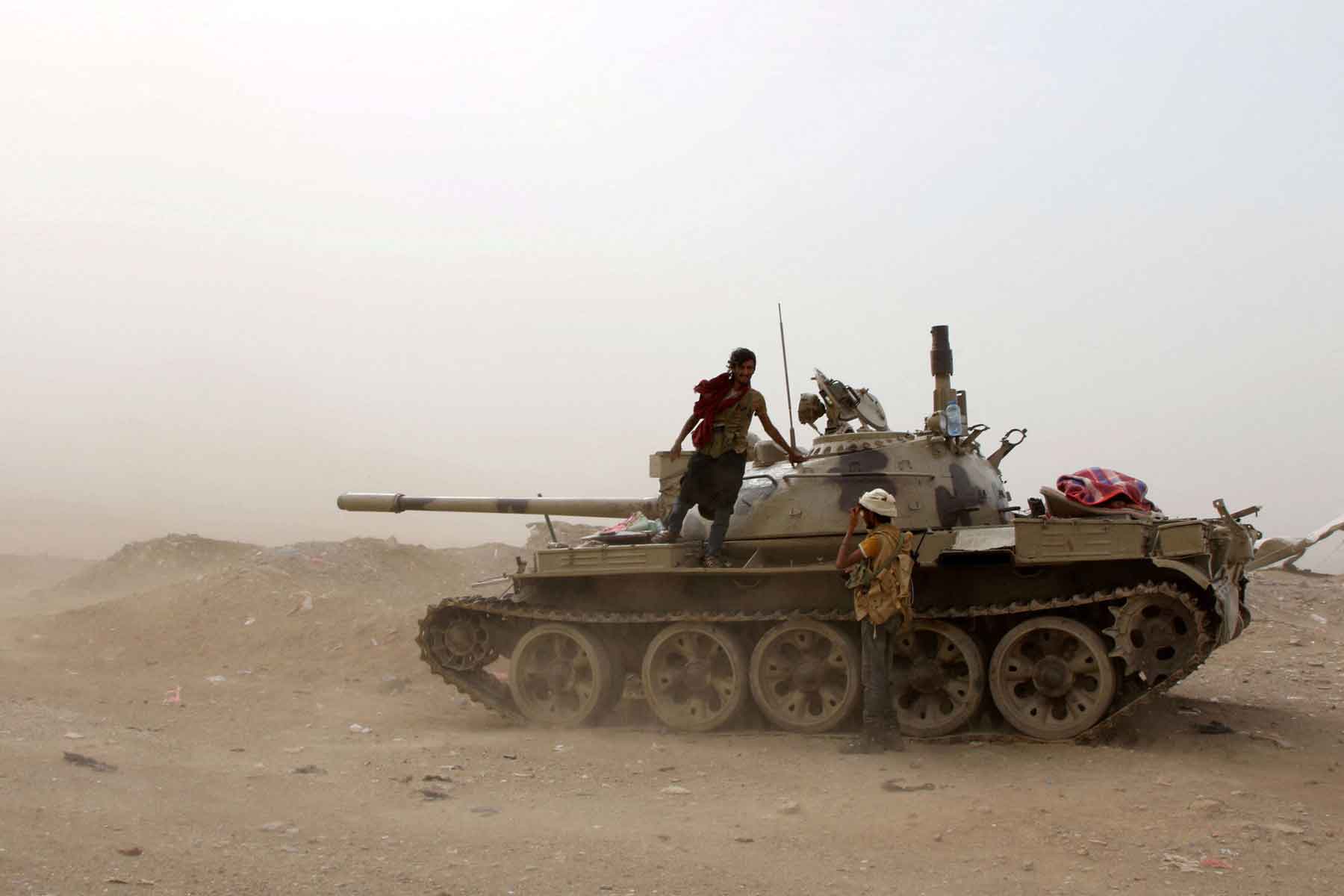
Analysts note that the dispute underscores the fragility of Yemen’s already fractured political landscape, where infighting among anti-Houthi factions risks undermining efforts to stabilise the war-torn country and counter Iran-backed rebel forces, who have controlled the north and the capital for more than a decade.
The UAE has long played a critical role in Yemen as part of the Saudi-led coalition, combating extremist groups and supporting the Yemeni government. Its statement reiterated that its presence in Yemen is at the invitation of the legitimate government and aligned with regional efforts to restore stability while respecting Yemeni sovereignty.