



Freedom of navigation, not domination
UAE warns against imposing ‘new geopolitical realities’ in Gulf
Abu Dhabi has consistently advocated management of the waterway according to international law and long-established principles governing freedom of navigation.
Thursday 25/06/2026
Freedom of navigation, not domination
ABU DHABI – The United Arab Emirates has delivered one of its clearest warnings yet against attempts to reshape the security architecture of the Gulf through coercion, rejecting any effort to impose what it described as new geopolitical realities in the Strait of Hormuz following the recent Iran war.
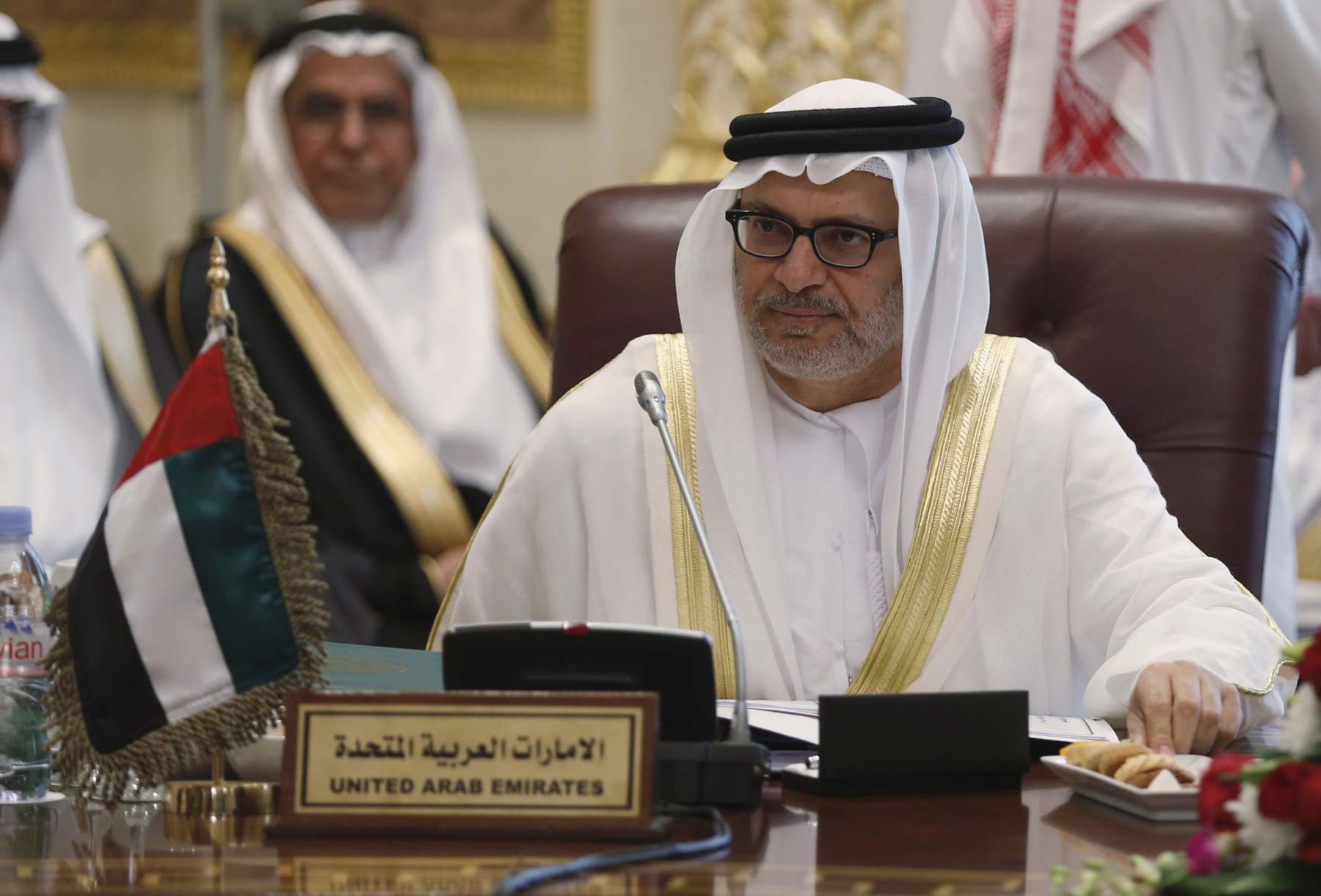
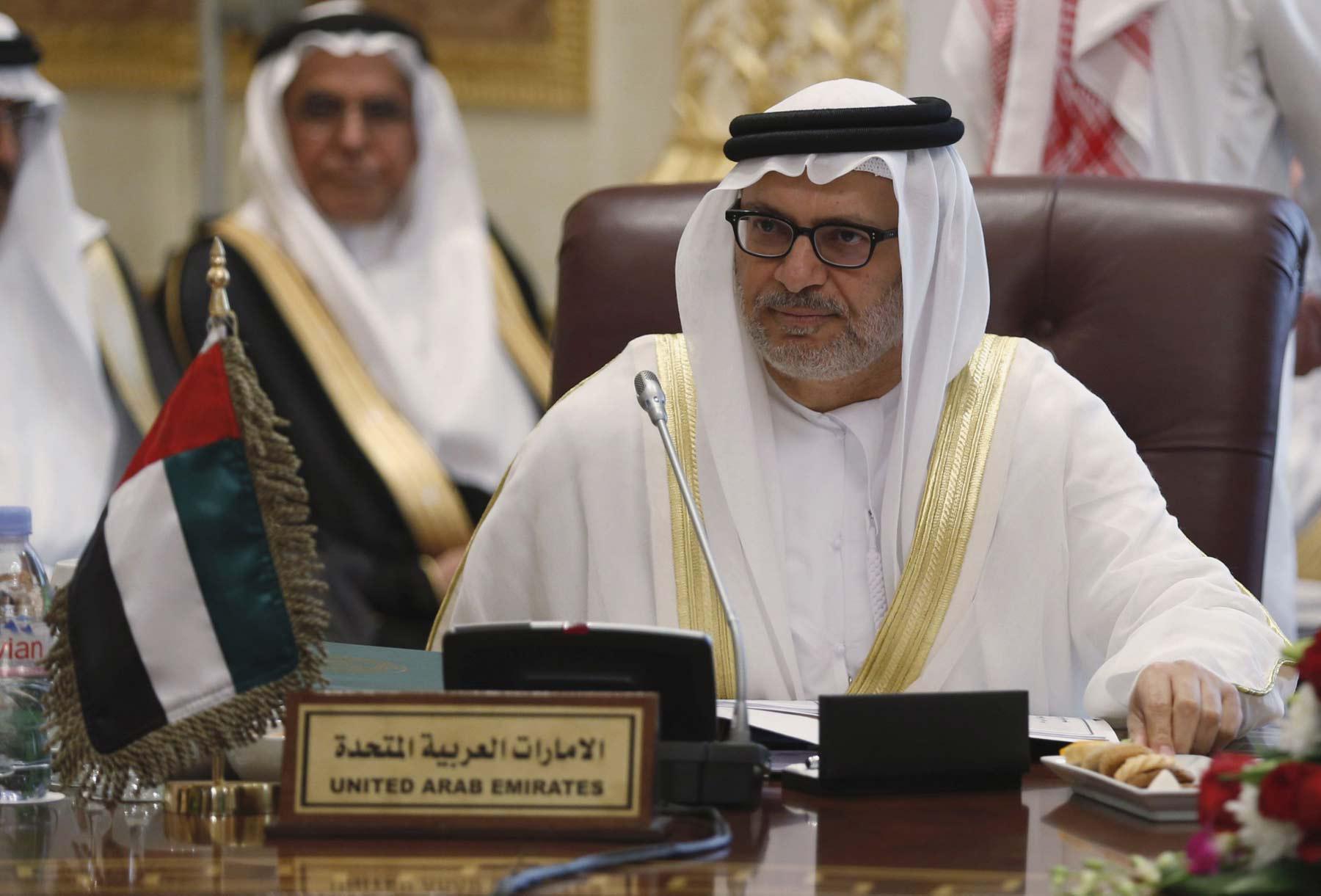
Anwar Gargash, diplomatic adviser to UAE President Sheikh Mohamed bin Zayed Al Nahyan, said attempts to create a new status quo in the Gulf as a result of military aggression would undermine regional stability and risk fuelling future conflict.
“New geopolitical realities cannot be imposed on the Arab Gulf states as a result of a treacherous act of aggression,” Gargash wrote on X on Thursday.
He added that “imposing a fait accompli born out of aggression does not create stability; rather, it plants new seeds of discord and conflict for the future,” stressing that the principle applied particularly to the Strait of Hormuz.
The remarks are widely seen as a response to Iranian efforts to secure a greater role in regulating maritime traffic through the strategic waterway after the recent conflict, including proposals advanced by figures linked to Iran’s Revolutionary Guards calling for shipping fees and tighter Iranian oversight of vessels transiting the strait.
For Gulf states, the debate extends far beyond commercial shipping charges. Officials and analysts view it as a test of whether temporary military leverage can be transformed into lasting political influence over one of the world's most critical energy corridors.
The Strait of Hormuz carries a significant share of global oil and liquefied natural gas exports and serves as a vital artery for Gulf economies, including the UAE, whose trade, logistics and energy sectors depend heavily on uninterrupted maritime traffic.
Abu Dhabi has consistently advocated management of the waterway according to international law and long-established principles governing freedom of navigation, opposing any arrangement that grants a single regional power unilateral authority over passage through the strait.
The UAE position reflects broader concerns among Gulf Cooperation Council states that allowing Tehran a special regulatory role could create a precedent enabling future political or economic pressure through control of maritime routes.
Those concerns have intensified after Iran's attacks on Gulf states during the war and its effective disruption of shipping through Hormuz, events that exposed the vulnerability of regional economies to instability in the waterway.
Gargash's comments also underline a broader Gulf message emerging as Washington and Tehran negotiate a permanent settlement: regional security arrangements cannot be built on outcomes achieved through force, and freedom of navigation must remain protected under internationally recognised rules.
The warning comes as Gulf governments closely monitor ongoing US-Iran negotiations and efforts by international actors to restore confidence in maritime security, amid fears that any compromise on navigation rights could alter the strategic balance in the Gulf for years to come.