

Diplomacy and tensions collide
US envoys press Israel on Rafah, Gaza’s future as ceasefire strains
According to Israeli news site Ynet, Witkoff pressed for the reopening of Rafah even before Hamas returns the remains of the last Israeli hostage believed to be held in Gaza.
Sunday 25/01/2026
Diplomacy and tensions collide
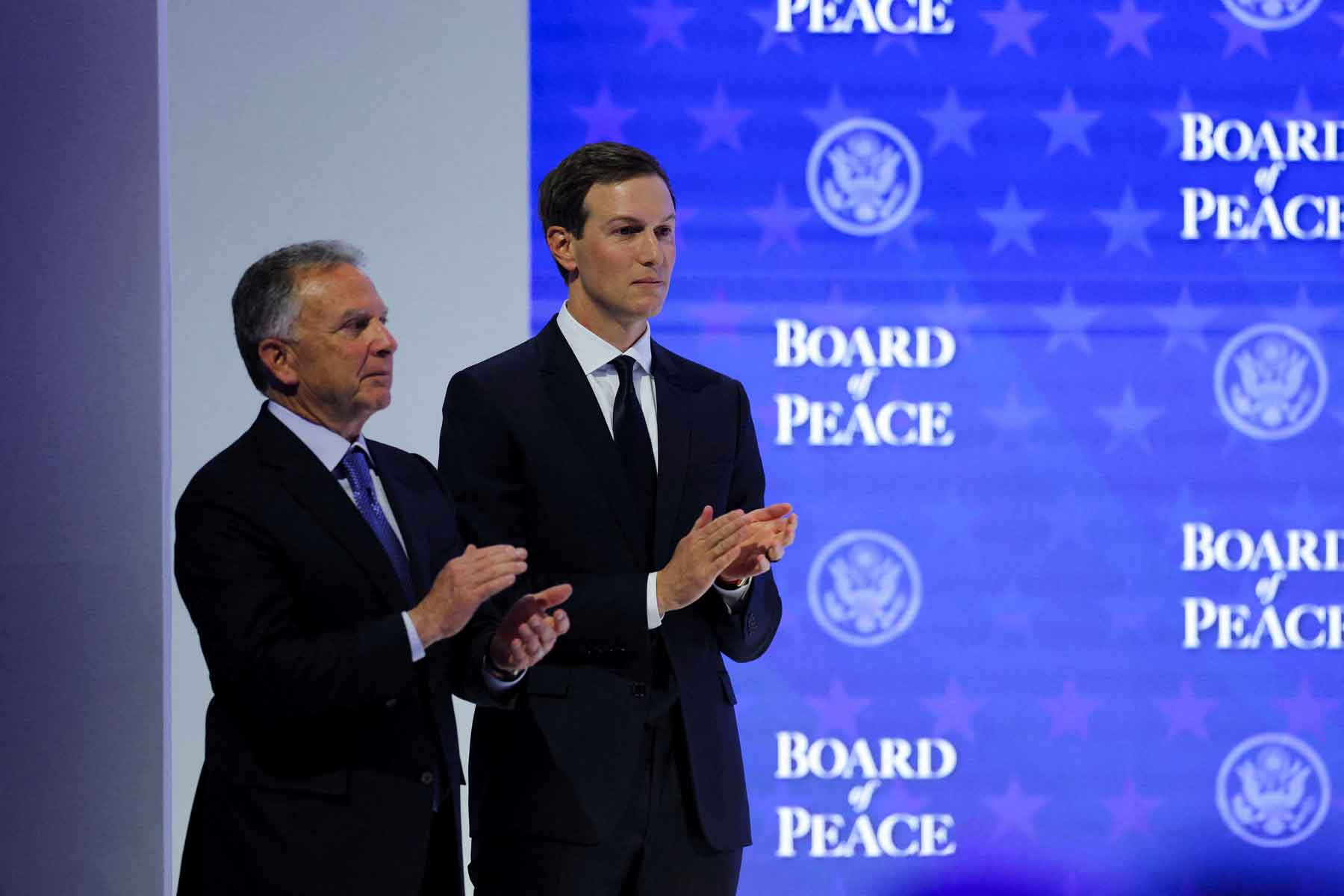
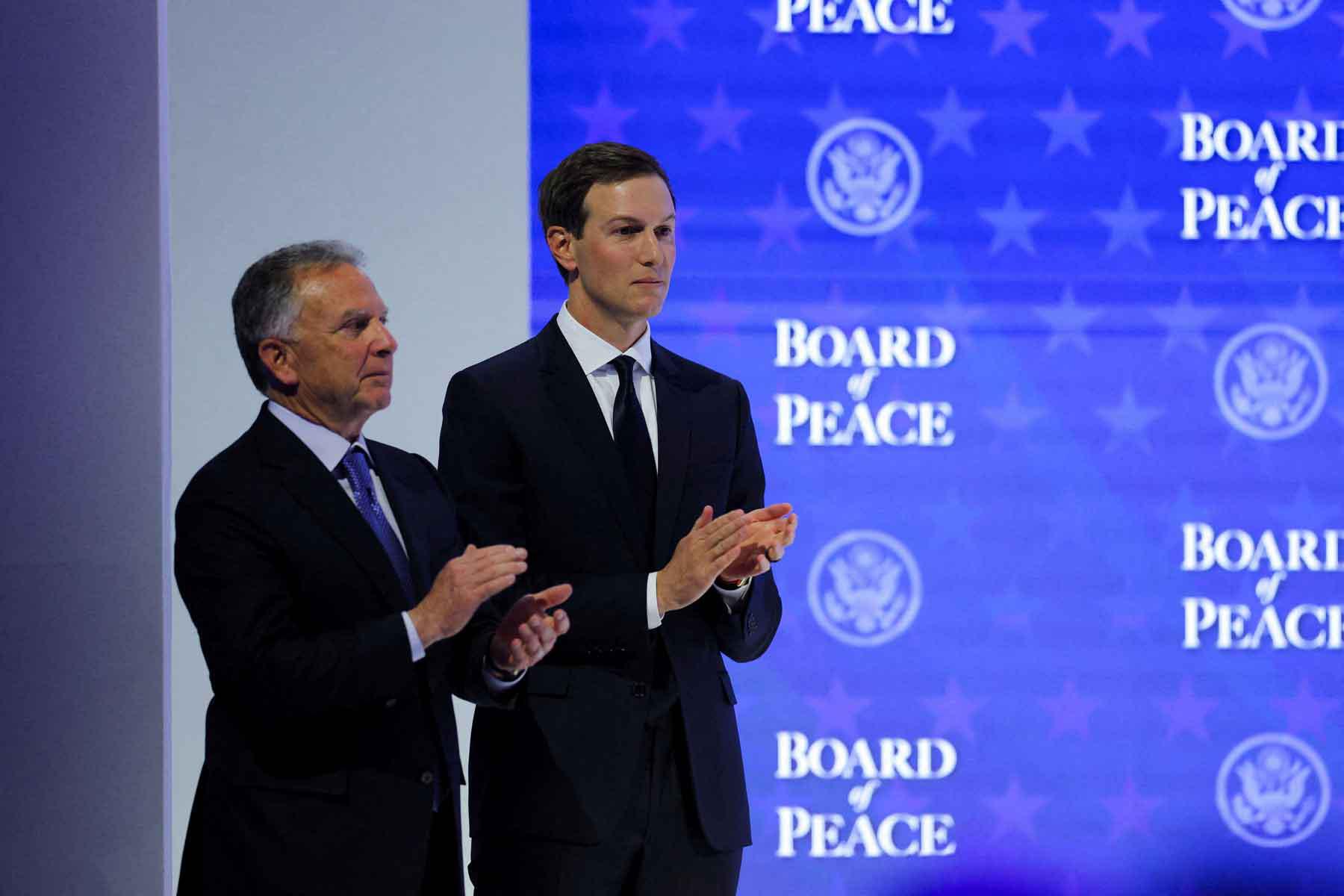
JERUSALEM – Senior US envoys Steve Witkoff and Jared Kushner held talks with Israeli Prime Minister Benjamin Netanyahu in Jerusalem on Saturday, with discussions centred on Gaza, the fragile ceasefire with Hamas and plans for the territory’s future, as fresh violence was reported in the enclave.
The visit came days after Washington unveiled plans for a “New Gaza”, a sweeping reconstruction vision featuring residential towers, data centres and seaside resorts. The proposal forms part of US President Donald Trump’s broader push to stabilise Gaza and advance an October ceasefire between Israel and Hamas, an agreement that has been repeatedly strained by alleged violations on both sides.
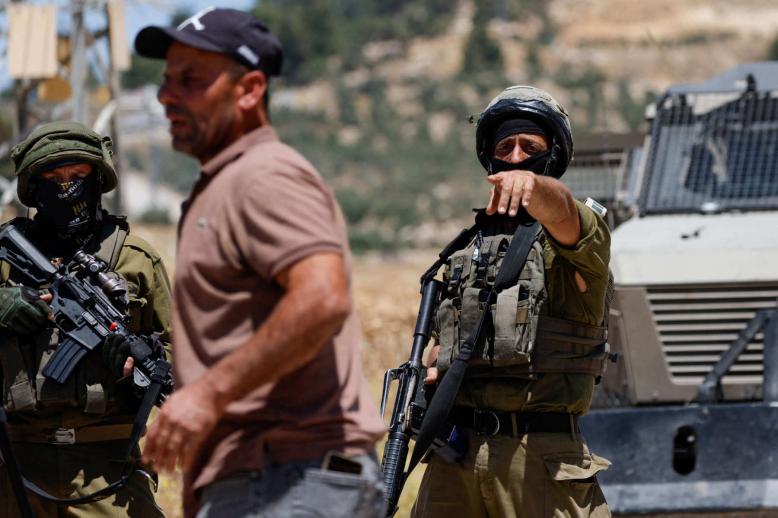
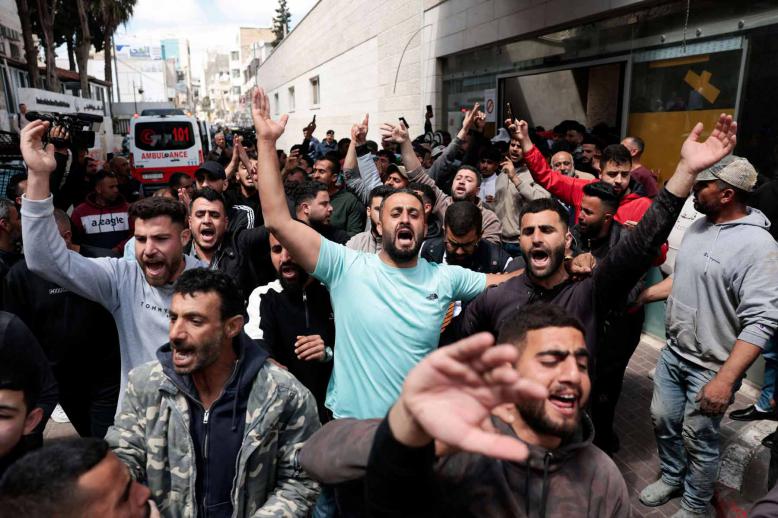
Palestinian health officials in Gaza said Israeli fire killed three people on Saturday, including two children, in two separate incidents in the northern Gaza Strip. The Israeli military said its troops identified militants who crossed the “Yellow Line”, planted an explosive device and approached soldiers, posing what it described as an immediate threat.
Under the ceasefire accord, Israeli forces were expected to withdraw to a yellow line marked on military maps running almost the full length of Gaza. An Israeli military source said only one incident had occurred on Saturday and denied that children were involved.
Since the start of the war, the Palestinian death toll in Gaza has reached 71,654, according to local health ministry figures, including 481 deaths since the ceasefire took effect in October. The conflict began after Hamas attacked southern Israel on October 7, 2023, killing 1,200 people, according to Israeli tallies.
A spokesperson for Netanyahu’s office confirmed that the meeting with the US envoys took place but declined to provide further details.
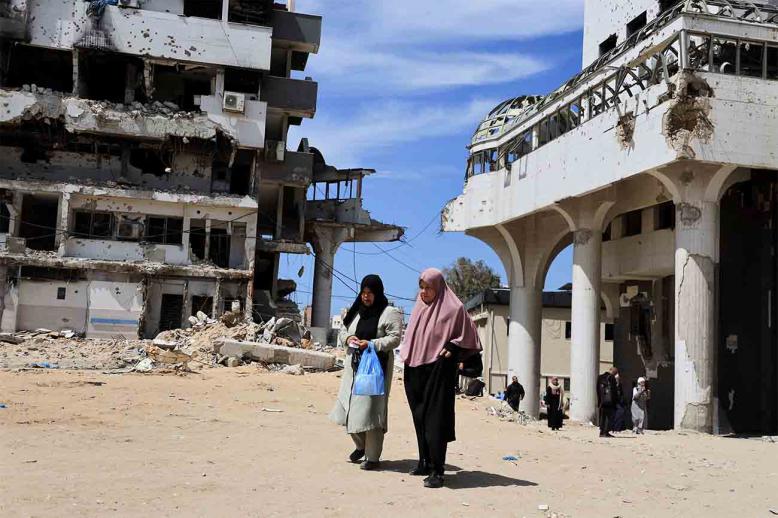
Washington has said the Gaza plan has now entered a second phase, under which Israel is expected to withdraw troops further from the enclave while Hamas yields control of Gaza’s administration. Large parts of the territory have been reduced to rubble during more than a year of fighting.
Pressure to reopen Rafah
Israeli media reported on Sunday that Witkoff and Kushner also urged Netanyahu to reopen the Rafah border crossing between Gaza and Egypt, a key gateway for humanitarian aid and civilian movement.
The reports followed comments by Ali Shaath, recently appointed to head a committee of 15 Palestinian technocrats tasked with running Gaza’s day-to-day affairs, who said at the World Economic Forum in Davos that the crossing would reopen in both directions next week.
According to Israeli news site Ynet, Witkoff pressed for the reopening of Rafah even before Hamas returns the remains of the last Israeli hostage believed to be held in Gaza. Of the 251 people seized during the October 7 attack, only the body of Ran Gvili is still believed to be in the enclave.
“For Palestinians in Gaza, Rafah is more than a gate, it is a lifeline and a symbol of opportunity,” Shaath said.
Families of Israeli hostages have urged Netanyahu to prioritise the return of the final remains before taking further steps on Gaza’s rehabilitation.
“We ask that the prime minister of Israel make clear to the respected American envoys that anyone who truly seeks to advance the rehabilitation of Gaza and peace in the Middle East must first and foremost bring Rani home,” Gvili’s family said in a statement.
Tensions over Turkey’s role
The talks reportedly exposed sharp differences over Gaza’s future governance. An unnamed Israeli official quoted by Ynet said the meeting was “positive” overall but claimed Witkoff raised the prospect of Turkey playing a role in post-war Gaza.
“Witkoff pushed to bring our greatest rival, Turkey, to our border,” the official was quoted as saying. “The clock is ticking toward a confrontation with Turkey, which would pose a real threat to our security.”
The official also accused Witkoff of acting on behalf of Doha, alleging he had “become a lobbyist for Qatari interests.”
Netanyahu has consistently rejected any Turkish involvement in Gaza, despite Trump having invited Turkish President Recep Tayyip Erdogan to join a proposed international “Board of Peace.” Relations between Israel and Turkey have sharply deteriorated since the Gaza war began.
Fragile truce under strain
The Rafah crossing was meant to reopen as part of the Gaza truce framework announced by Trump in October, but it has remained closed since Israeli forces seized control of it during the war. Its reopening is seen as a critical test of whether the ceasefire can hold and whether international efforts to stabilise Gaza can move beyond emergency aid toward reconstruction.
Although a ceasefire has been in place since October 10 and entered a second phase this month, Israel and Hamas continue to accuse each other of violations, underscoring the fragility of the agreement and the challenges facing US diplomacy in the region.