

For Washington, patience appears to be wearing thin
US presses Iraq to dismantle Iran-linked networks in PMF overhaul
Shiite leaders and militia commanders have reacted angrily to the US proposals, warning that any attempt to dismantle or forcibly integrate the PMF could destabilise Iraq.
Monday 25/05/2026
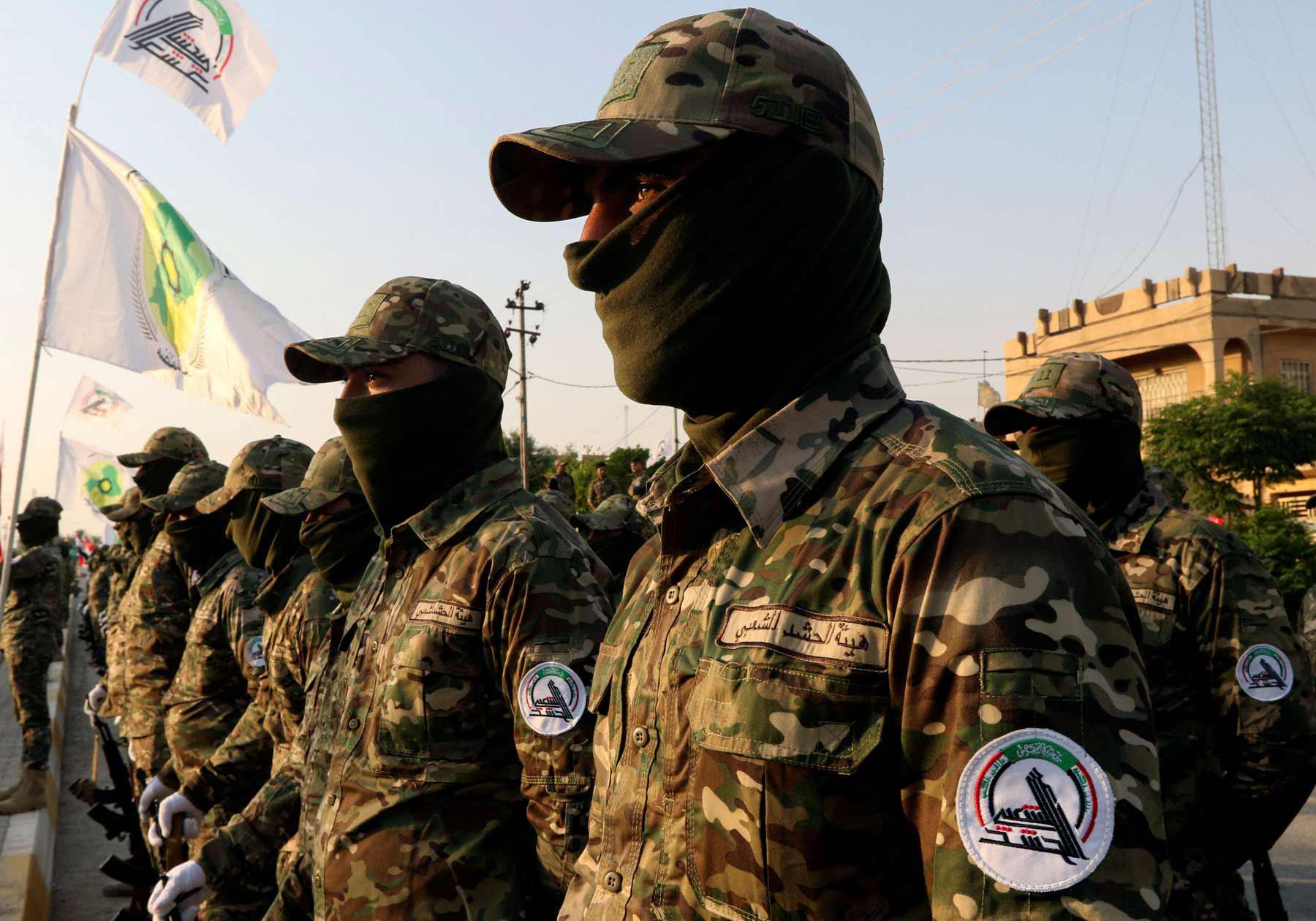
For Washington, patience appears to be wearing thin
BAGHDAD – The United States is pressing Iraq to undertake the most ambitious restructuring of its security apparatus since the defeat of Islamic State, seeking to curb the power of Iran-linked armed factions and bring the Popular Mobilisation Forces (PMF) firmly under state control, according to Iraqi officials, Western diplomats and political sources.
The proposals, discussed in recent talks between Washington and Baghdad, would require the gradual disarmament of powerful factions, the sidelining of militia commanders and the appointment of professional military officers to oversee the PMF’s infrastructure and chain of command.
Washington views the overhaul as essential to restoring Iraqi state sovereignty and limiting Tehran’s influence over Baghdad’s political and security institutions.
But the initiative has exposed deep divisions inside Iraq and risks triggering confrontation with powerful Shiite factions that see the PMF as both a cornerstone of national defence and a vital guarantor of Iranian influence in the region.
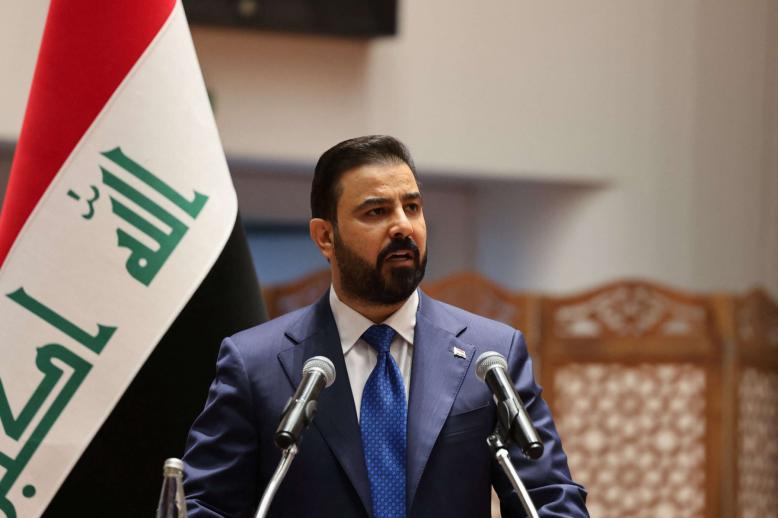
The issue gained urgency following a five-day visit to Baghdad last week by retired US General David Petraeus, who met Prime Minister Ali al-Zaidi, parliament speaker Haibat al-Halbousi, Chief Justice Faiq Zidan and senior security officials in what sources described as intensive discussions over the future of Iraq’s military institutions.
Although the US State Department described Petraeus as visiting “as a private citizen,” Iraqi and Western sources said he was acting in an advisory capacity and had been tasked with helping formulate an executive blueprint for restructuring the PMF.
After leaving Baghdad, Petraeus wrote on social media that Iraqi officials recognised “the importance of ensuring that the Iraqi Security Services have a monopoly on the use of force in Iraq,” though he added he remained “realistic about the dynamics with Iran.”
People familiar with the discussions said Petraeus listened carefully to Iraqi concerns about the political and security consequences of dismantling or integrating the PMF, but made clear that Washington’s objective was the elimination of what it sees as a major regional threat network operating outside state authority.
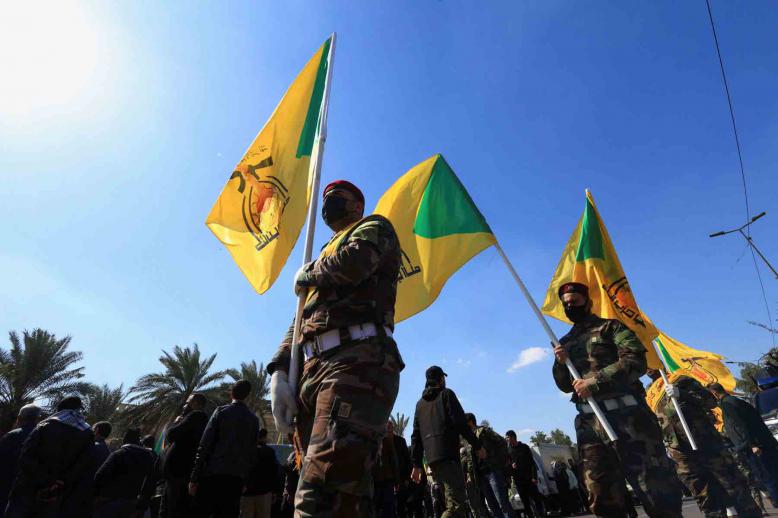
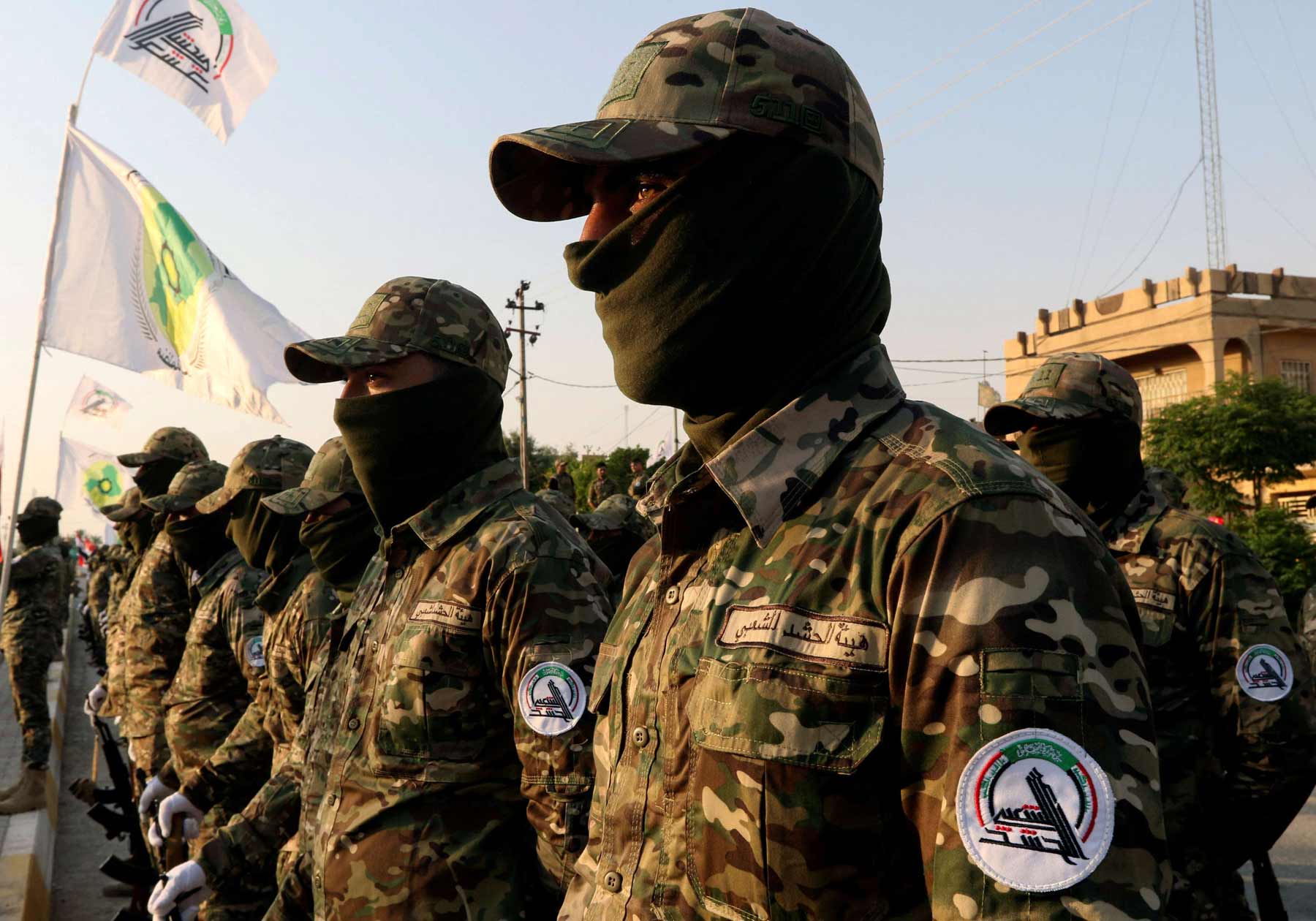
The PMF, formed in 2014 to fight Islamic State after a call to arms from Iraq’s top Shiite cleric, later evolved into a sprawling umbrella organisation encompassing dozens of armed factions, many with close ties to Iran’s Revolutionary Guards.
Although formally incorporated into Iraq’s security structure under a 2016 law, the PMF has retained significant operational autonomy and substantial political influence through allied parties in parliament.
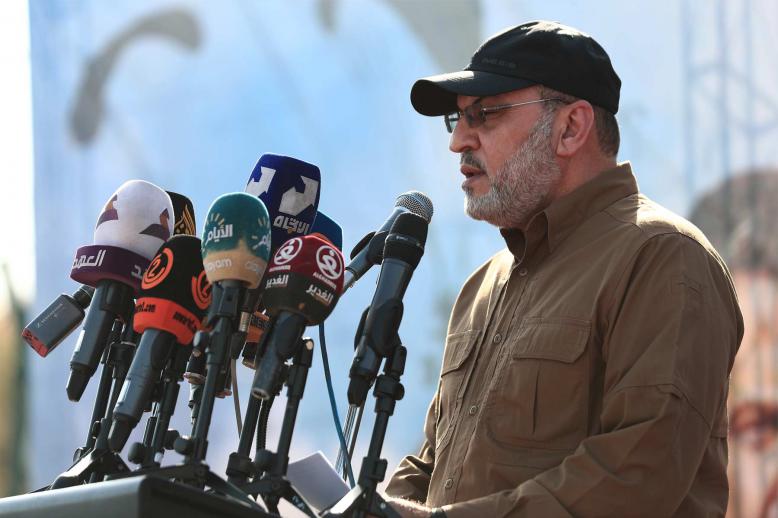
Shiite leaders and militia commanders have reacted angrily to the US proposals, warning that any attempt to dismantle or forcibly integrate the PMF could destabilise Iraq and ignite internal conflict.
Figures linked to armed factions have publicly threatened retaliation against any Iraqi officials involved in projects to dissolve or restructure the PMF.
The stakes are high for Prime Minister Ali al-Zaidi, whose government Washington hopes can distance itself from Iranian influence while preserving domestic stability.
According to Iraqi officials, Zaidi may travel to Washington after Eid al-Adha to discuss future security cooperation with US President Donald Trump, though the timing could depend on the trajectory of broader US-Iran negotiations.
Washington is increasingly linking future support for Iraq to progress on the PMF issue.
Western diplomats said US confidence in Baghdad weakened sharply during the final months of former Prime Minister Mohammed Shiaa al-Sudani’s government because of what American officials viewed as leniency toward attacks by Iran-backed factions during the regional conflict.
One Iraqi official described the PMF file as “a danger that must be dealt with, but when you get close to it, it could blow up in your face.”
Sources said Washington had rejected Iraqi proposals it viewed as cosmetic, including ideas floated by members of the ruling Coordination Framework to transform the PMF into a new “Federal Security Ministry” under the prime minister’s authority.
US officials instead insist on tangible measures, including transferring heavy and medium weapons from factions to trusted state security bodies and removing commanders involved in attacks against US and Gulf interests.
Despite the pressure, dismantling the PMF would be politically and legally complex.
The organisation is protected under Iraqi law and enjoys broad parliamentary backing through Shiite parties that control roughly 180 seats in the 329-member legislature.
Several Iraqi political figures said most Shiite leaders privately acknowledge the risks posed by armed factions, but believe any solution would require gradual national dialogue, religious backing from Najaf and extensive guarantees to avoid violent backlash.
For Washington, however, patience appears to be wearing thin.
Western advisers in Iraq said US officials now view repeated warnings about the dangers of dissolving the PMF as attempts to buy time while preserving the status quo.
The broader regional context has added to the urgency.
In Baghdad, many believe recent attacks against Saudi Arabia and the United Arab Emirates formed part of a wider Iranian strategy aimed both at projecting regional deterrence and protecting the PMF from efforts to reduce its power.
Against this backdrop, Iraq finds itself trapped between competing pressures: preserving strategic relations with the United States while avoiding a direct confrontation with Iran-backed factions deeply embedded within the state itself.
How Baghdad navigates the dispute could determine not only the future of the PMF, but also the broader balance of power inside Iraq and across the region.