

Can one plan bridge Libya's divide?
US pushes new Libya unity plan to end years of political deadlock
Speaking to the Financial Times, Boulos said the objective was clear: "Our plan is to have one unified government and to unify all the institutions."
Thursday 18/06/2026
Can one plan bridge Libya's divide?
TRIPOLI – Libya has once again moved to the forefront of international diplomacy as the United States launches a fresh effort to break years of political paralysis by pushing for the formation of a unified government and the reunification of the country’s divided institutions.
The initiative comes at a time when Libya’s prolonged crisis appears trapped in a cycle of political and economic stagnation, with previous international efforts failing to deliver a breakthrough capable of leading to national elections or restoring stable state institutions.
Washington is promoting a new political framework designed to bridge the divide between rival administrations in eastern and western Libya and create a single executive authority capable of governing the country. The effort reflects a broader attempt to revive momentum towards a comprehensive settlement after years of competing governments, fragmented institutions and stalled political processes.
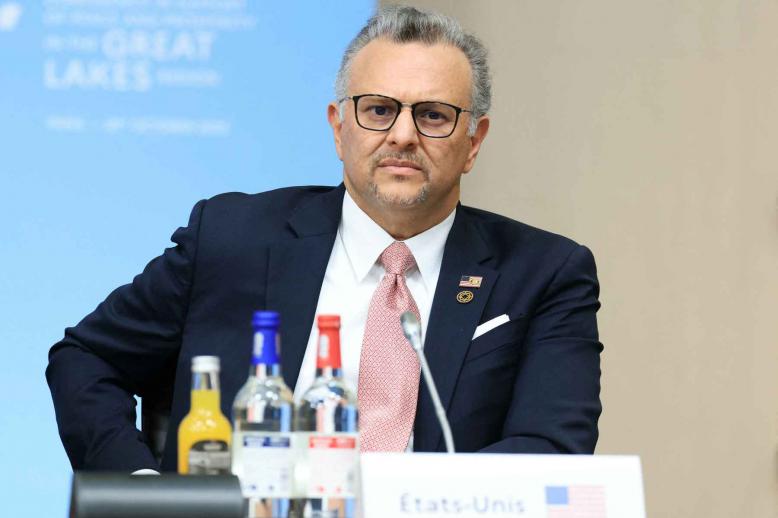
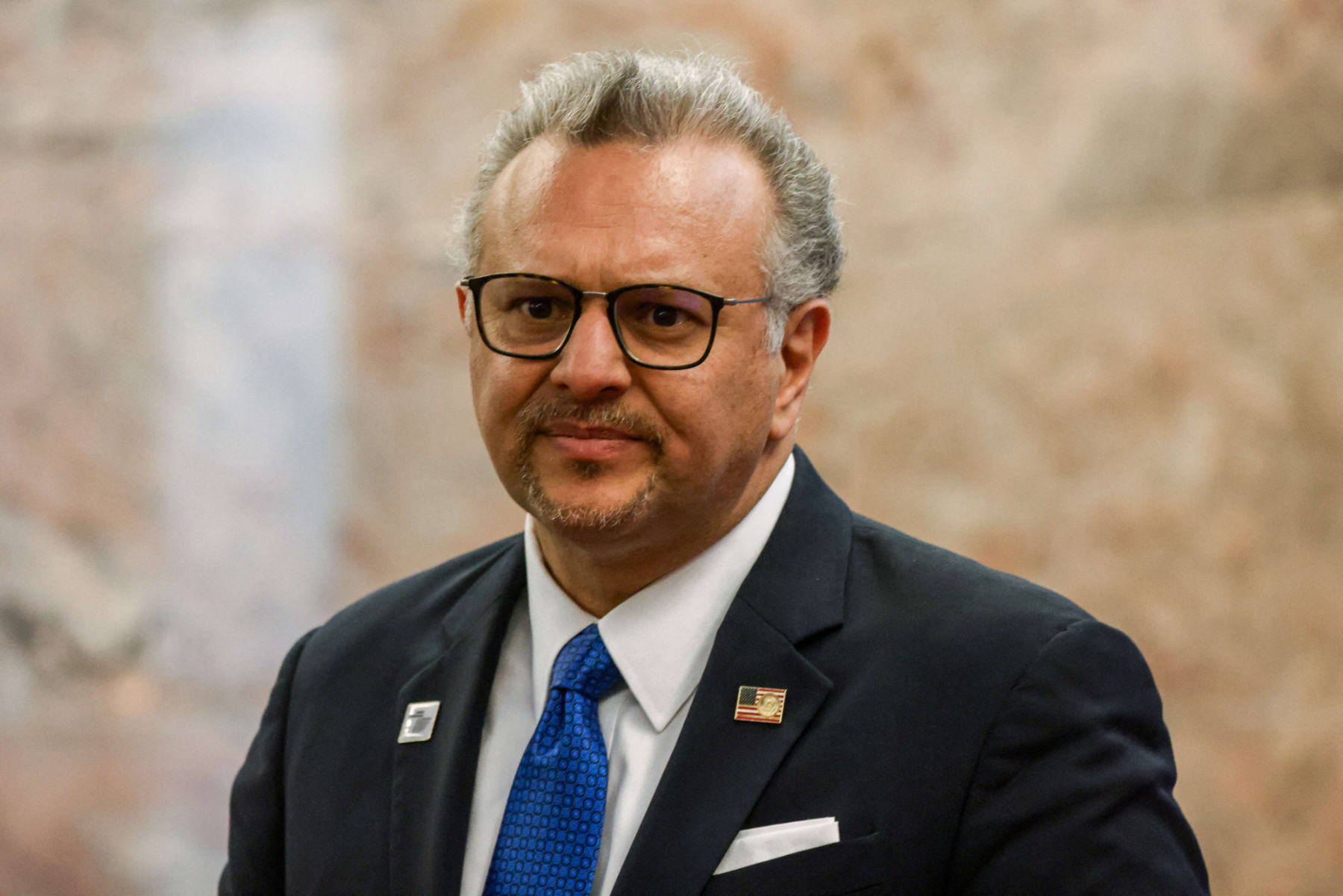
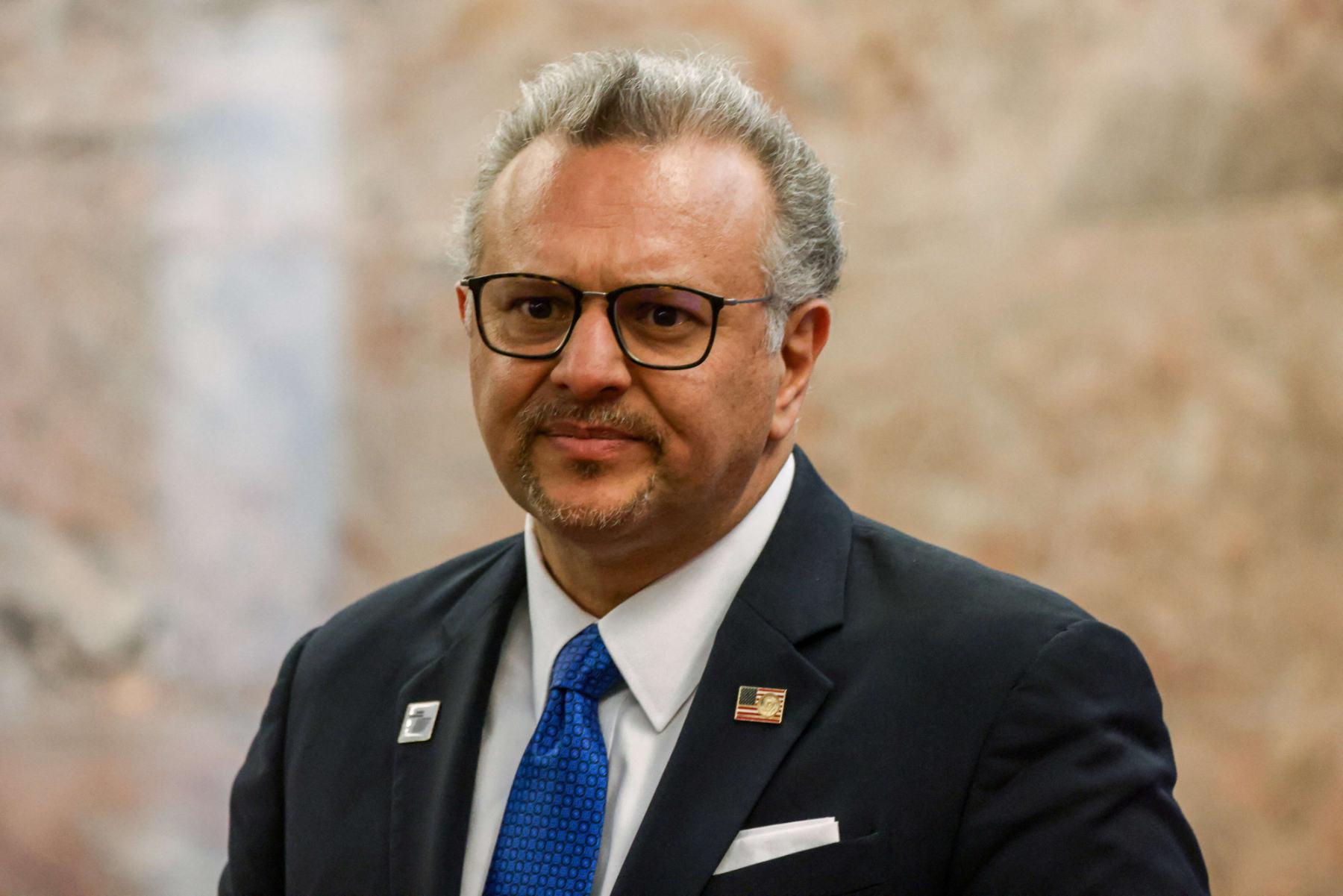
At the centre of the initiative is Massad Boulos, US President Donald Trump's adviser on Middle East and African affairs, who has emerged as a key figure in efforts to mediate between Libya's rival camps.
Speaking to the Financial Times, Boulos said the objective was clear: "Our plan is to have one unified government and to unify all the institutions."
The proposal would complement United Nations efforts aimed at eventually holding parliamentary and presidential elections, while also serving as a short-term arrangement designed to stabilise the country and overcome institutional fragmentation.
New political framework
According to the US vision, Libya's divided political architecture would be restructured around a unified governing framework that merges institutions currently split between competing authorities in the east and west.
The goal is to establish a single executive authority capable of centrally managing key sovereign portfolios, including security, economic policy and the oil sector.
US officials increasingly argue that Libya's crisis cannot be resolved through temporary fixes or limited agreements, but instead requires a broader restructuring of political and economic institutions to eliminate the parallel systems of governance that have emerged over the past decade.
The existence of rival governments has become one of the principal obstacles to national elections, while also fuelling disputes over legitimacy, state resources and control of strategic institutions.
The initiative marks a shift in Washington's approach to Libya. Rather than merely containing instability or managing security risks, the United States is now focusing on a more ambitious political settlement aimed at rebuilding unified state structures and reducing the influence of competing centres of power.
Proposed power-sharing arrangement
People familiar with discussions told the Financial Times that one version of the proposal would place Saddam Haftar, son of eastern military commander Khalifa Haftar, at the head of an executive presidential council while allowing Prime Minister Abdul Hamid Dbeibah to remain in office in Tripoli.
The reported arrangement would effectively formalise a power-sharing structure between Libya's dominant political and military factions.
However, diplomats and analysts have expressed scepticism about whether such a deal can overcome deep mistrust between the rival camps.
Tim Eaton, a senior research fellow at Chatham House, warned that figures aligned with Dbeibah may fear any arrangement involving Saddam Haftar could ultimately strengthen eastern ambitions to dominate the entire state apparatus.
"The fear from the Dbeibah camp would be that any deal with the Haftars, particularly if it placed Saddam in the presidential council, would be that he would use it as a springboard to then take over the rest of the government," Eaton told the Financial Times.
Economic dimension
The American initiative is closely tied to economic considerations, particularly Libya's vast energy resources.
Boulos has urged US oil companies to increase investment in Libya, arguing that political stability could unlock significant opportunities in a country that possesses Africa's largest proven oil reserves.
Washington believes economic development and political stability are mutually reinforcing. Creating shared economic interests among rival factions could provide incentives for compromise while attracting foreign investment and supporting long-term growth.
Boulos noted that US energy companies including ConocoPhillips and Chevron have already signed agreements in Libya this year and suggested that oil production could double to around three million barrels per day by the end of the decade.
"This will put Libya on the global map of major oil producers," he said.
Analysts say the emphasis on investment reflects the transactional style that has increasingly characterised the Trump administration's foreign policy.
Emadeddin Badi, a Libya analyst and co-founder of political risk consultancy Informmi, described the US approach as an attempt to create a political environment conducive to investment and business deals while avoiding renewed instability.
Renewed US engagement
The initiative also reflects Washington's desire to reassert influence in Libya amid growing regional and international competition.
Over recent years, the US role has often been overshadowed by more active involvement from regional and international powers seeking influence over Libya's political future, energy resources and strategic Mediterranean position.
The renewed push comes as Washington seeks to strengthen its presence across North Africa and the Middle East, particularly in countries with significant energy reserves and strategic geopolitical importance.
Boulos pointed to several recent developments that could support the unification effort, including agreement on development funding for both sides of the country and the adoption of a unified national budget earlier this year.
He also highlighted military cooperation initiatives supported by US Africa Command, including the Flintlock military exercise held in Libya in April, which involved participation from both eastern and western forces.
"Our colleagues at Africom have been and continue to work with the two sides on a military unification plan," Boulos said.
Major obstacles remain
Despite growing diplomatic activity, significant challenges remain.
Libya's divisions extend far beyond rival governments and encompass competing military, security and financial institutions, as well as multiple centres of power within each political camp.
The presence of armed groups remains one of the most difficult obstacles to any comprehensive settlement. Many militias have developed deep political and economic interests during years of conflict and retain substantial influence over state institutions and local governance.
Analysts caution that integrating these groups into unified national structures will require complex negotiations and extensive guarantees.
Claudia Gazzini, a senior analyst at the International Crisis Group, said many Libyans remain doubtful that the proposed arrangement can be successfully implemented.
"There is no public narrative here in Benghazi about reconciling with the other side or that it's time to move on," she said. "It is all about the achievements of the people now in power."
Others warn that institutionalising the authority of existing power brokers could further delay elections and reduce prospects for meaningful political change.
A test of political will
For Washington, the calculation is that years of political exhaustion, deteriorating public services and economic pressures may create incentives for compromise.
Many Libyans have grown frustrated with repeated transitional arrangements and the failure to hold long-promised elections, while economic challenges continue to weigh heavily on citizens and businesses alike.
Diplomats say the success of any US initiative will ultimately depend on securing broad Libyan buy-in alongside regional and international backing capable of preventing political disputes or external interference from derailing progress.
The central question remains whether Libya's competing factions are prepared to relinquish some of their authority and influence in favour of a unified state structure.
Between Washington's ambition to rebuild Libya's institutions and the complex realities on the ground, the latest initiative represents another attempt to reshape the country's political landscape while linking stability to economic opportunity. Whether it succeeds may depend less on international diplomacy than on the willingness of Libya's rival actors to transform external consensus into a sustainable national settlement.