

Building a post-war framework
US pushes to revive Syria-Israel talks in post-war regional reset
The American approach is rooted in the belief that greater stability along Syria's southern frontier could indirectly weaken Hezbollah's operational capabilities.
Friday 19/06/2026
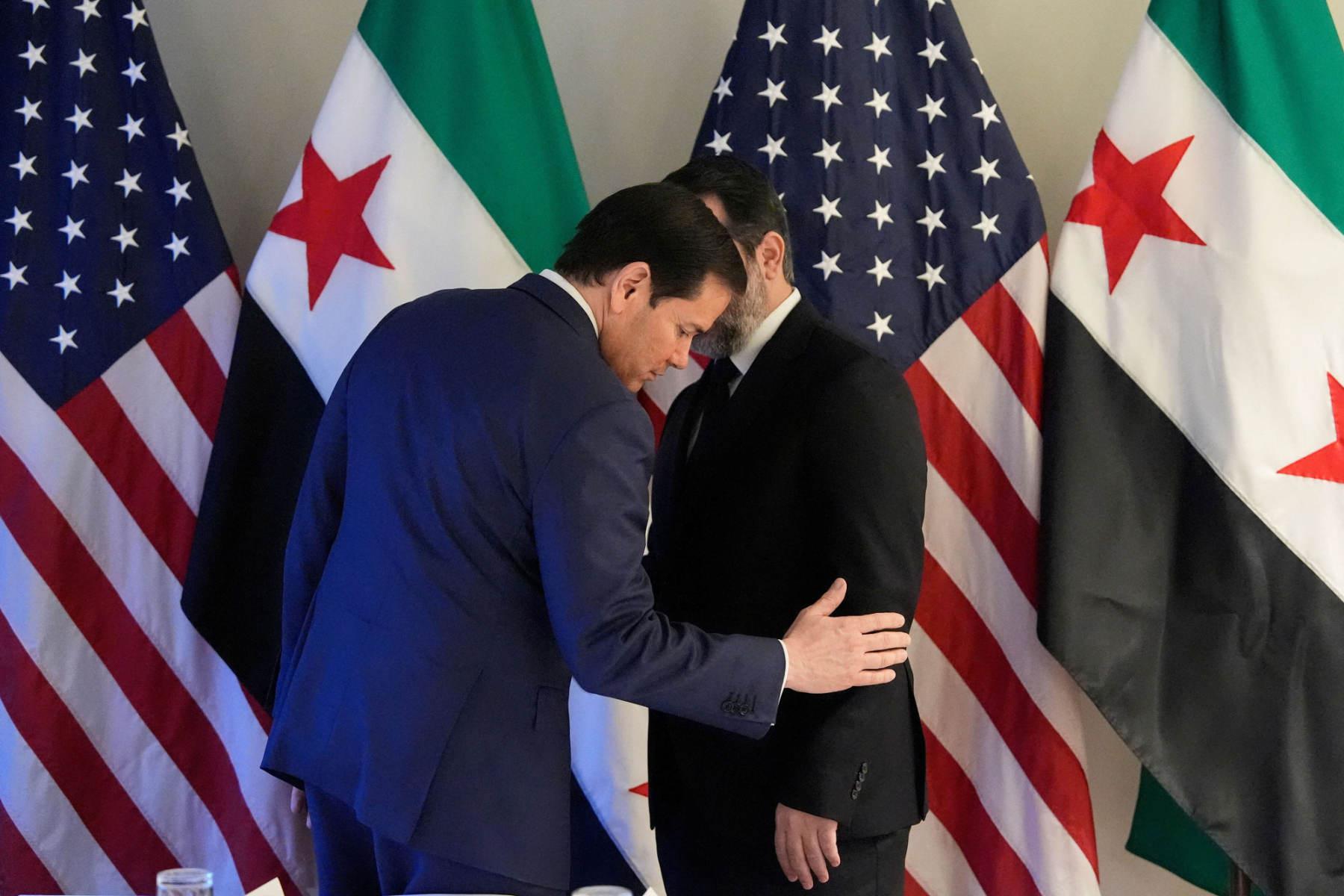
Building a post-war framework
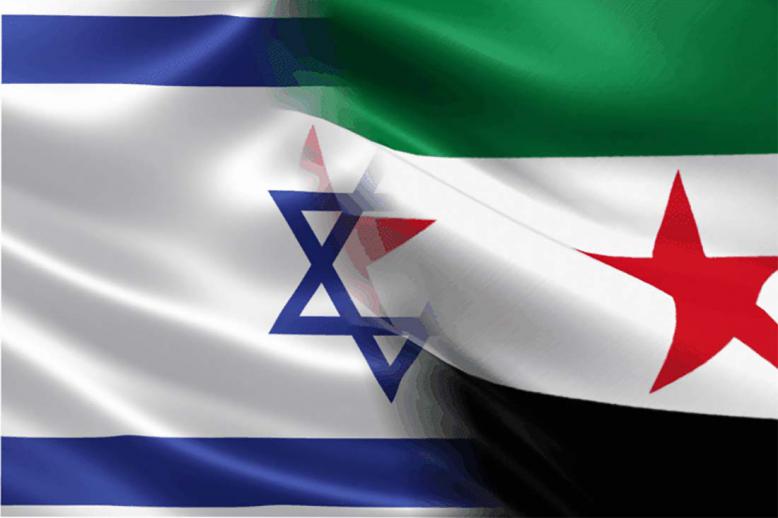
DAMASCUS — The United States is stepping up efforts to revive dialogue between Syria and Israel as part of a broader strategy to reshape regional security arrangements following the recent US-Iran war, according to regional reports and diplomatic sources.
The renewed diplomatic push reflects Washington's growing belief that stabilising the Syrian front could play a key role in containing Hezbollah's influence in neighbouring Lebanon and limiting Iran's ability to project power across the region.
Israeli public broadcaster Kan reported that Syrian-Israeli talks, dormant for several months, could resume soon under increasing pressure from Washington. The report cited unnamed sources familiar with the matter, although no details were provided regarding the timing, venue or level of representation expected in any future talks.
According to the broadcaster, the proposed dialogue would run on a separate track from ongoing contacts between Israel and Lebanon, underscoring what appears to be a broader US effort to tackle the region's interconnected crises through multiple parallel diplomatic channels rather than a single comprehensive agreement.
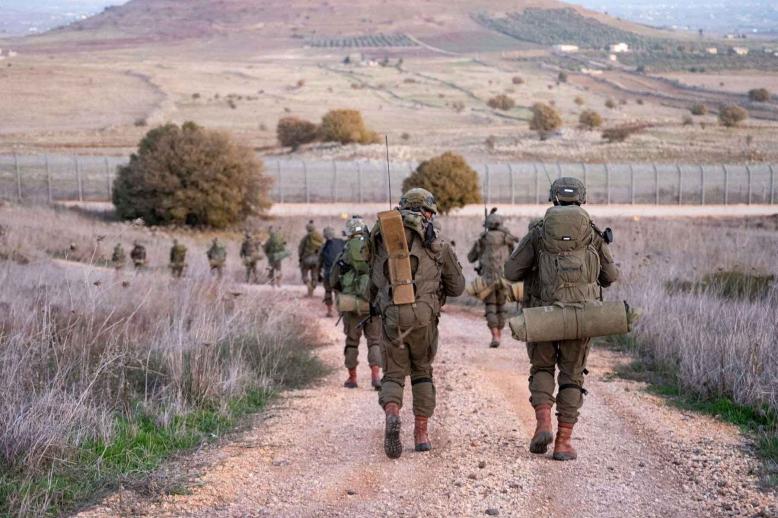
The initiative comes at a sensitive moment. Israel continues to conduct military operations and limited incursions in southern Syria, highlighting the tension between diplomatic efforts and realities on the ground.
Nevertheless, US officials appear to view renewed communication between Damascus and Tel Aviv as an important mechanism for reducing the risk of escalation and preventing Syrian territory from becoming a platform for Hezbollah or other Iran-aligned armed groups.
Hezbollah factor
The American approach is rooted in the belief that greater stability along Syria's southern frontier could indirectly weaken Hezbollah's operational capabilities in Lebanon by disrupting logistical routes and support networks that have historically passed through Syrian territory.
As a result, the Syrian-Israeli track is increasingly being viewed not merely as a bilateral issue but as part of a wider regional framework emerging in the aftermath of the US-Iran conflict.
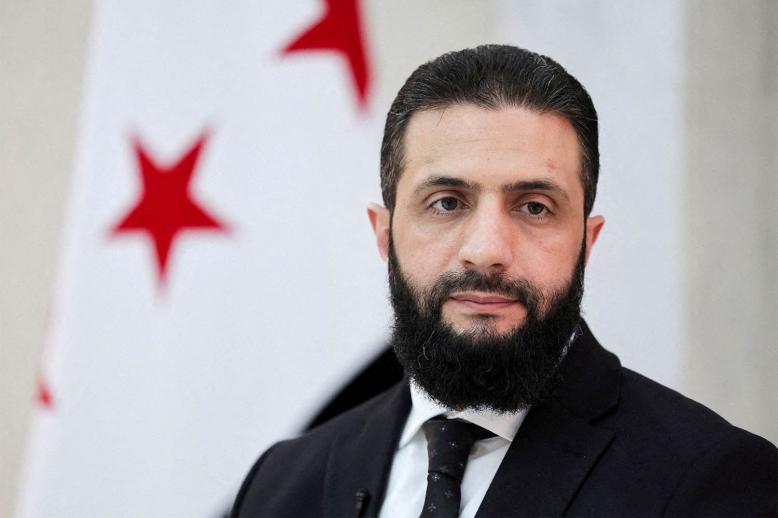
US President Donald Trump has openly linked Syria to broader efforts to contain Hezbollah, suggesting recently that the government of Syrian President Ahmed al-Sharaa could potentially play a role in addressing the group's influence in Lebanon.
Trump argued that Damascus, if willing to cooperate, could in some respects prove more effective than Israel in helping curb Hezbollah's activities — a notable shift in Washington's rhetoric towards Syria after years of political isolation and sanctions.
The comments have fuelled speculation that the United States is exploring ways to gradually reintegrate Syria into emerging regional security arrangements, while testing whether Damascus can become a constructive player in efforts to reduce tensions involving Hezbollah.
Obstacles remain
Despite the renewed diplomatic activity, significant obstacles remain.
Damascus has shown limited enthusiasm for any initiative that could be interpreted as direct involvement in Lebanon's internal affairs or confrontation with Hezbollah, a long-standing ally of the Syrian state.
Lebanese President Joseph Aoun has previously expressed confidence that Syria understands the complexities of Lebanon's political landscape, while warning that any direct Syrian intervention could risk undermining Lebanon's fragile stability.
Israel, meanwhile, continues to approach the issue primarily through a security lens. Israeli officials maintain that Iranian influence and allied armed groups operating in Syria pose a direct threat to national security and insist on preserving freedom of military action inside Syrian territory.
According to previous rounds of negotiations, the most contentious issues include Israel's presence in areas it entered following the collapse of Bashar al-Assad's government, demands for security guarantees along the border, military deployments in southern Syria, and the future of buffer-zone arrangements.
These disagreements contributed to the suspension of talks in late 2025 before negotiations resumed briefly earlier this year.
Parallel diplomacy
The latest reports suggest Washington is increasingly pursuing a strategy of parallel diplomacy across the region.
Following its success in securing a ceasefire and memorandum of understanding between Iran and Israel, the Trump administration appears eager to expand de-escalation efforts to Syria, viewing the country as a critical link connecting several regional flashpoints, including Lebanon and Hezbollah.
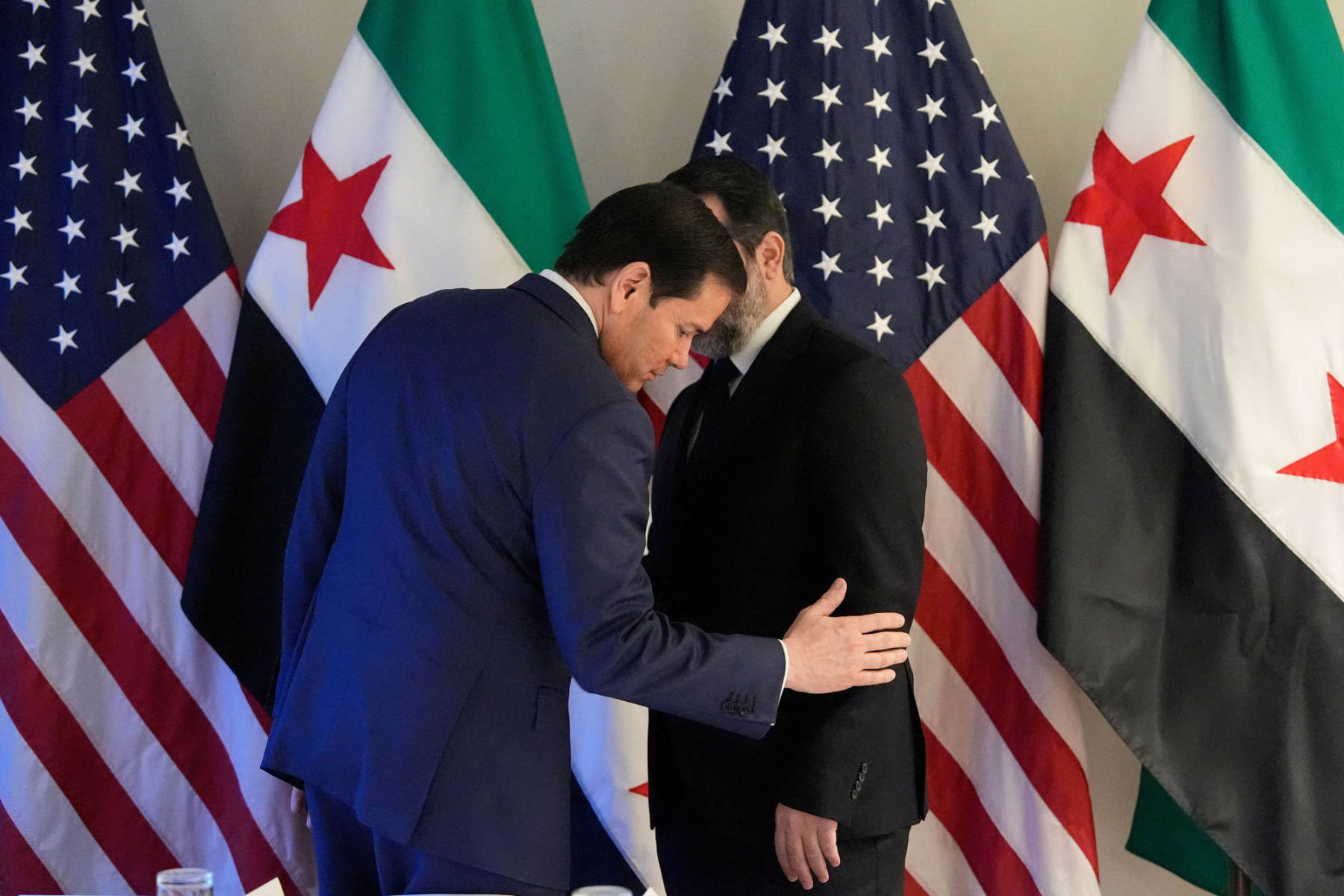
Earlier this year, Syrian and Israeli officials reportedly met in Paris under US sponsorship, with discussions focusing on a new security arrangement and possible mechanisms for managing border tensions. Diplomatic sources said those talks also explored reactivating aspects of the 1974 disengagement agreement between the two countries.
Some reports indicated that the two sides reached preliminary understandings on establishing communication channels and exchanging security information to prevent unintended escalation.
However, major political issues remain unresolved, including the status of territories occupied by Israel, military activity near the border, and the broader question of Syria's future role in regional security arrangements.
High-risk gamble
Analysts say the coming months will test whether Washington can translate diplomatic pressure into meaningful negotiations.
The United States hopes that progress on the Syrian track could help reshape regional power balances, reduce Iranian influence and strengthen stability along several fronts simultaneously.
Yet decades of hostility between Syria and Israel, combined with unresolved territorial disputes and deep mistrust among regional actors, continue to cast doubt over the prospects for a breakthrough.
For now, the proposed revival of Syrian-Israeli talks remains suspended between diplomatic opportunity and geopolitical reality, with its success likely to depend on whether all sides are prepared to convert strategic calculations into practical agreements on the ground.