

Tom Barrack: The progress achieved has been remarkable
US sees Syria as key to regional stability after dramatic policy reversal
US Central Command chief Brad Cooper told the Senate Armed Services Committee last week that Syria’s security was directly linked to US national security interests.
Monday 18/05/2026
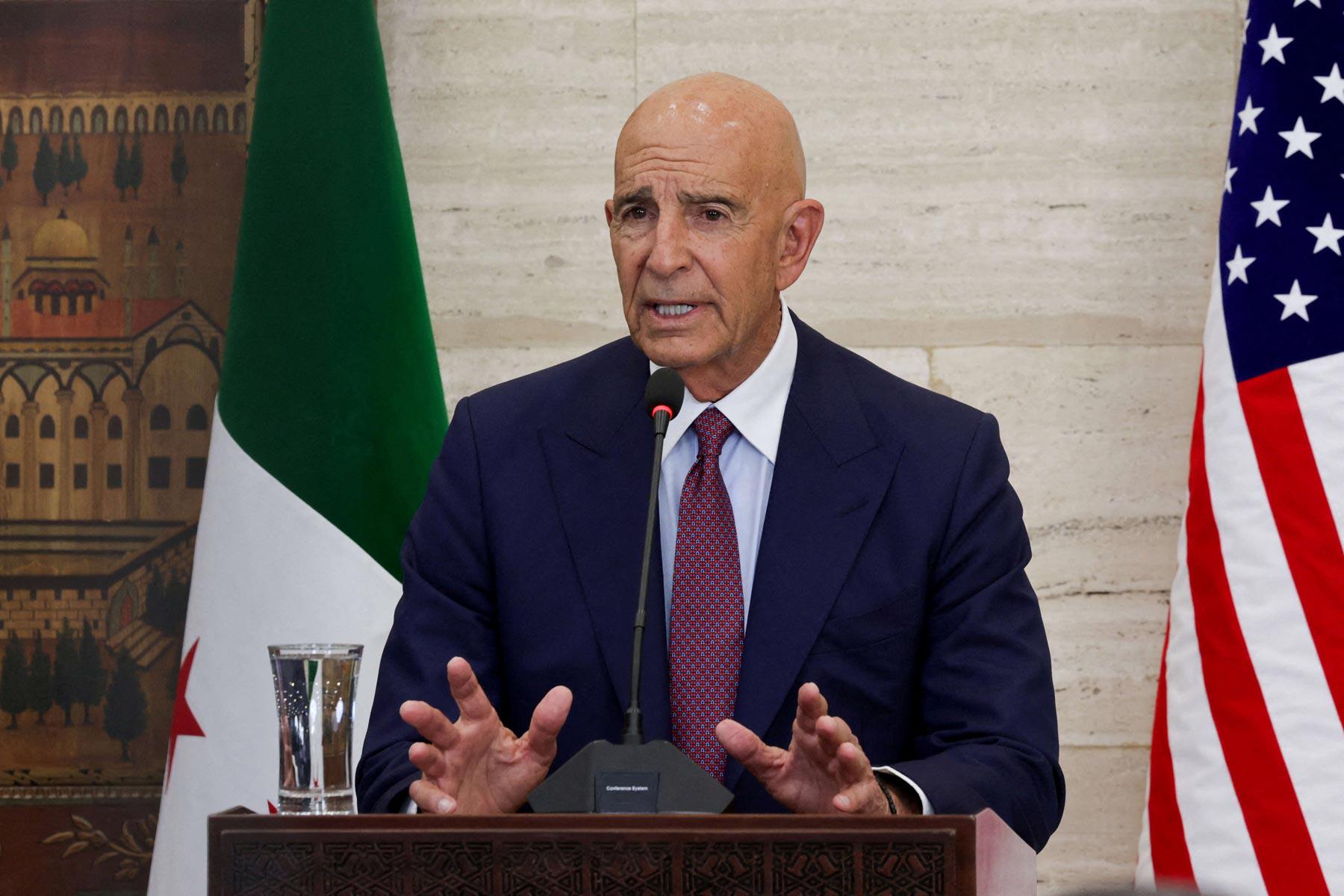
Tom Barrack: The progress achieved has been remarkable
DAMASCUS – The United States has sharply deepened its engagement with Syria’s new leadership, praising what it calls “remarkable” progress under President Ahmed al-Sharaa and signalling growing support for Damascus’ regional reintegration after years of isolation.
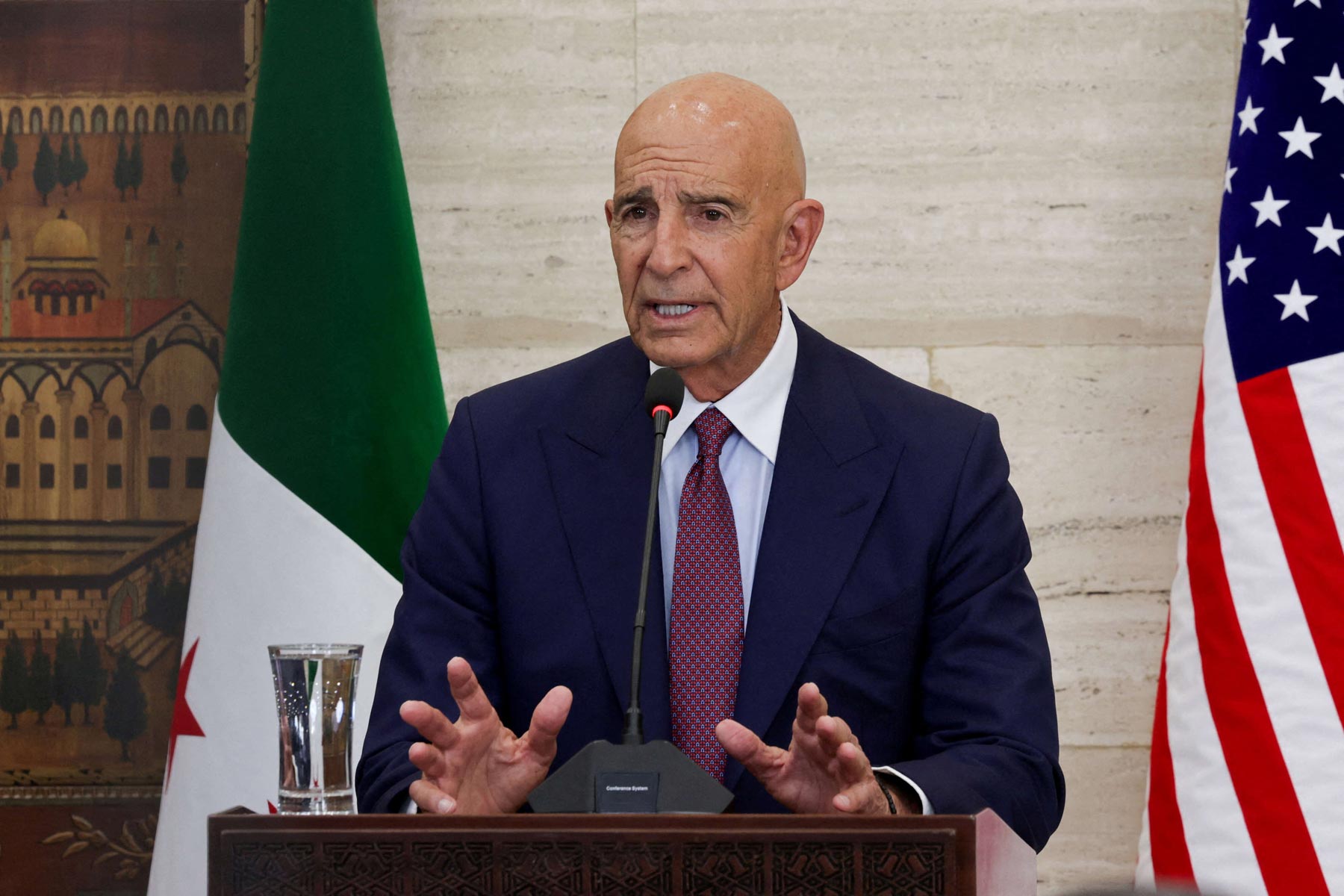
US special envoy Tom Barrack said on Sunday that Syria had become “a laboratory for a new regional alignment of diplomacy, integration and hope for the entire region”, in one of Washington’s strongest endorsements yet of the country’s post-war transition.
Barrack’s comments came after talks with Sharaa in Damascus on Saturday, where the two discussed regional developments and ways to boost economic cooperation between the two countries, according to the Syrian presidency.
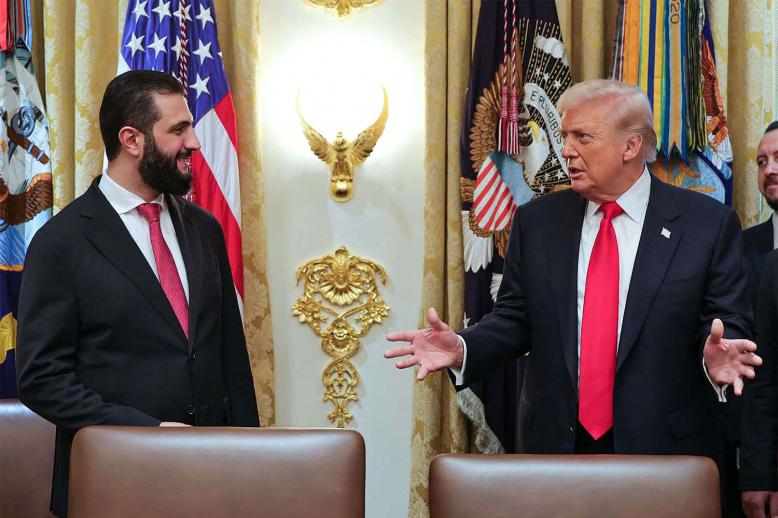
The remarks underscored the extent of the transformation in US policy towards Syria since President Donald Trump met Sharaa in Riyadh in May 2025 and announced the lifting of sanctions on Damascus.
“Just over a year ago, President Donald Trump’s visionary meeting with President Ahmed al-Sharaa in Saudi Arabia opened a new chapter,” Barrack wrote on X.
He said Trump had lifted sanctions “to give Syria a chance at greatness”, calling the decision “a bold and hopeful gesture for Syria and the region”.
“Under President al-Sharaa’s leadership and with the dedicated diplomacy of Foreign Minister Asaad al-Shaibani, the progress achieved has been remarkable,” Barrack added.
The comments amounted to a formal US endorsement of Syria’s trajectory under its new leadership after the overthrow of former president Bashar al-Assad, whose government had faced years of Western sanctions and diplomatic isolation during the country’s civil war.
The war, which began in 2011 after Assad’s violent suppression of anti-government protests, killed hundreds of thousands of people and displaced millions.
Analysts say Syria’s leadership has sought to reposition the country by strengthening ties with Arab states, improving relations with Western governments and presenting itself as a stabilising regional actor after years of conflict.
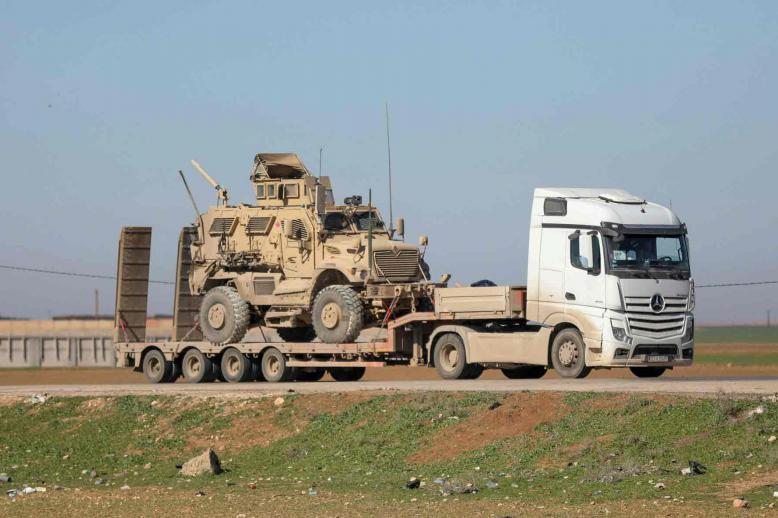
Washington’s policy shift has also included a gradual reduction of US military involvement in Syria and a scaling back of support for the Kurdish-led Syrian Democratic Forces, long a key American ally against Islamic State.
The move paved the way for Damascus to regain control over large areas in northern and eastern Syria and pushed Kurdish authorities towards a political settlement with the central government.
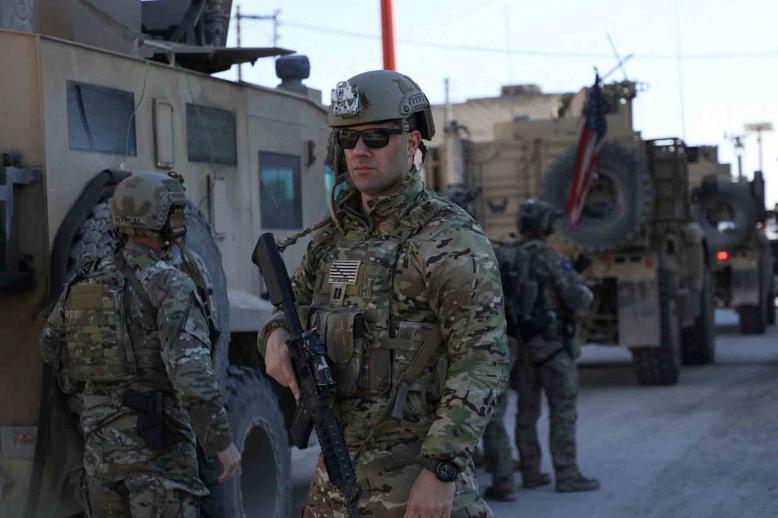
At the same time, the United States has maintained that security cooperation with Damascus remains essential to preventing an Islamic State resurgence.
US Central Command chief Brad Cooper told the Senate Armed Services Committee last week that Syria’s security was directly linked to US national security interests.
“The enduring defeat of ISIS is a core US national interest, for which Syria is our center of gravity,” Cooper said.
“We continue to pragmatically engage the Syrian government to advance a dignified settlement in the post-Assad era and a peaceful fresh start for Syria,” he added.
Cooper said CENTCOM was continuing operations against Islamic State while expanding practical coordination with the Syrian government, although he warned that “large parts of Syria remain under marginal state control”.
“A stable security environment there is essential to maintain pressure on ISIS,” he said, warning that renewed instability or a return to civil war could allow the group to regroup.
The evolving US position has encouraged broader international re-engagement with Damascus, with Western and regional powers increasingly viewing Syria’s stabilisation as central to wider Middle East security.
At the UN Security Council on Saturday, the US representative said Washington supported transitional justice and accountability efforts in Syria, including the detention of former Assad-era figures accused of abuses against civilians.
Britain also reiterated support for Syria’s transitional authorities and said it would continue working with Damascus and the United Nations to strengthen the rule of law and support long-term stability.
Regional analysts say Washington’s new approach reflects a broader calculation that reintegrating Syria into regional diplomacy and economic networks may offer a more sustainable path to stability than continued isolation after more than 13 years of conflict.