

Pressure and a security alert
US urges citizens to leave Iraq, pressures Baghdad over armed groups
A senior US State Department official said the United States is seeking “concrete actions” from prime minister-designate Ali al-Zaidi to distance the state from pro-Iran armed factions.
Wednesday 06/05/2026
Pressure and a security alert
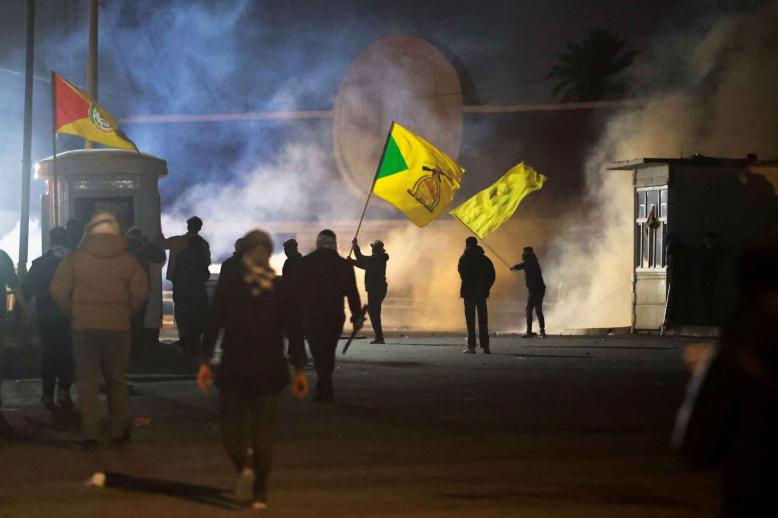
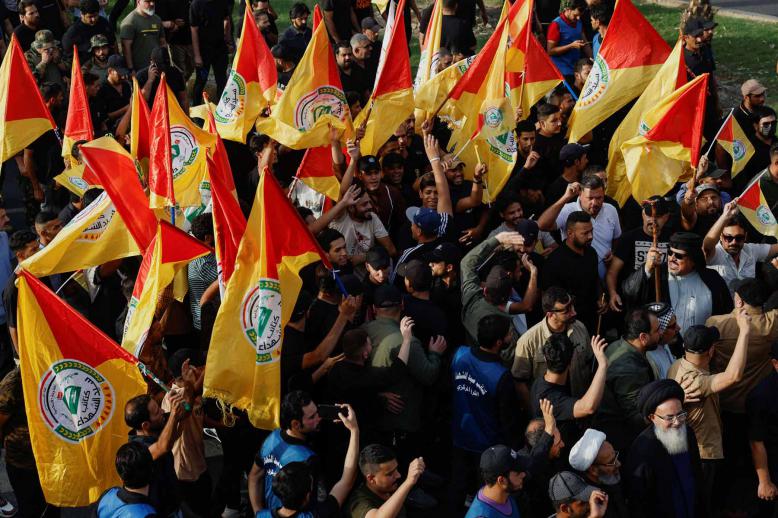
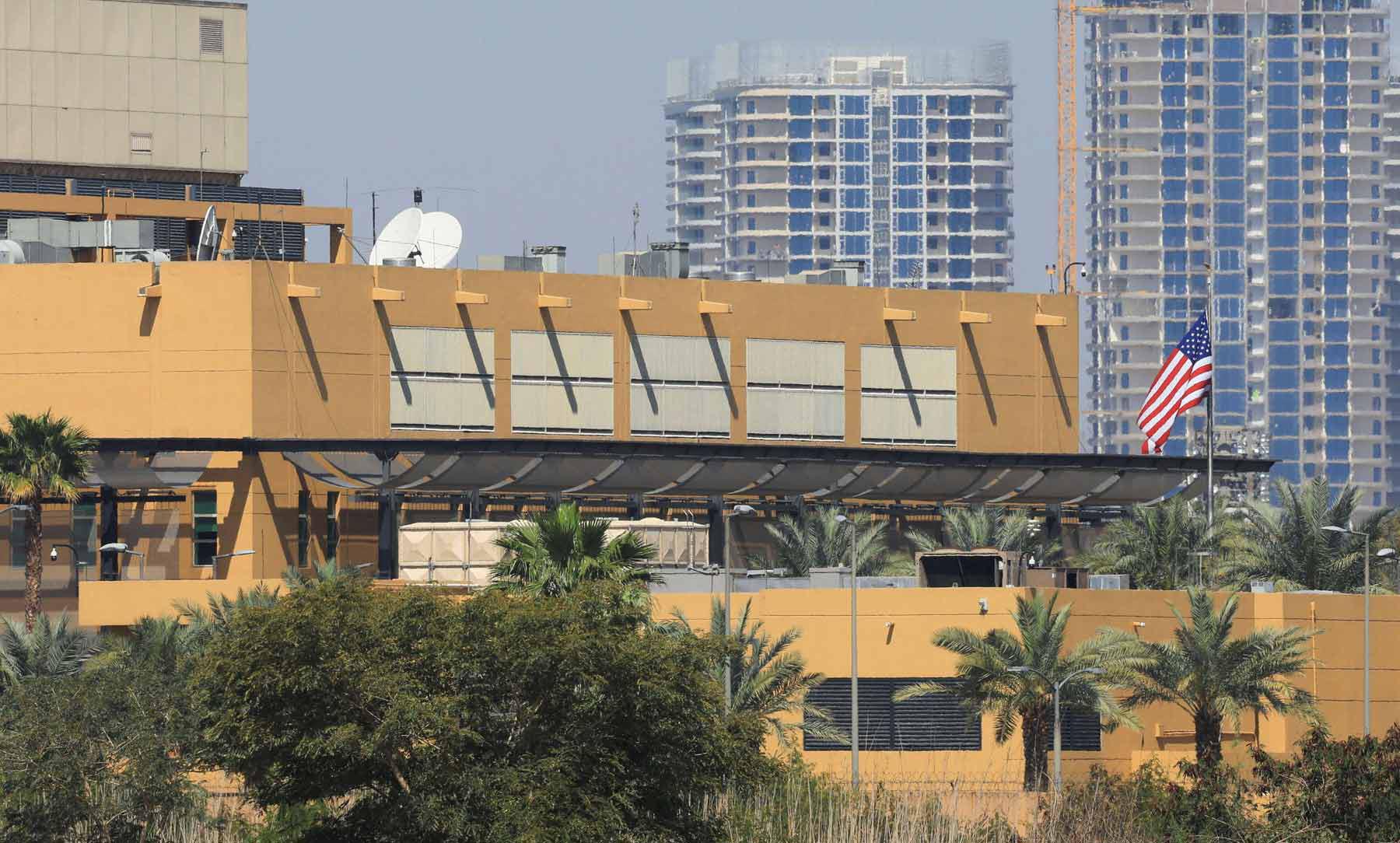
BAGHDAD – The United States warned on Tuesday that Iran-aligned militias are continuing to plan attacks against American citizens and interests in Iraq, urging its nationals to leave the country immediately while increasing pressure on Baghdad to curb armed groups’ influence.
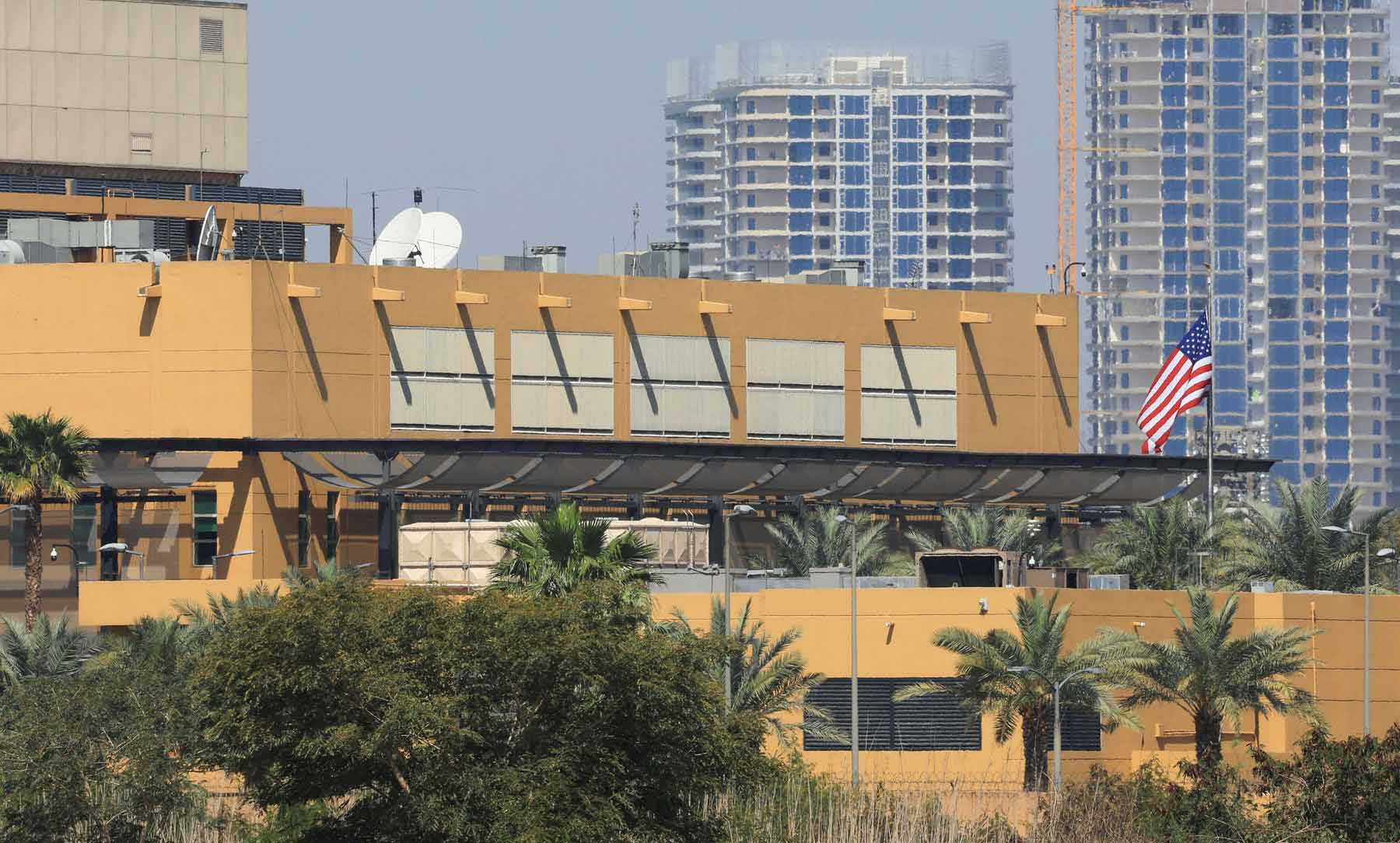
In a security alert, the US embassy said threats from missiles, drones and rocket fire persist despite the reopening of Iraqi airspace and the partial resumption of commercial flights.
“Do not travel to Iraq for any reason. Leave now if you are there,” the embassy said, reiterating its highest-level advisory.
It added that militias aligned with Iran were planning further attacks across Iraq, including the semi-autonomous Kurdistan region, and warned that some actors linked to Iraqi state institutions continue to provide “political, financial and operational cover” for these groups.
The warning comes amid heightened regional tensions linked to a standoff between Washington and Tehran over shipping in the Strait of Hormuz, raising concerns that a fragile April 8 ceasefire could unravel.
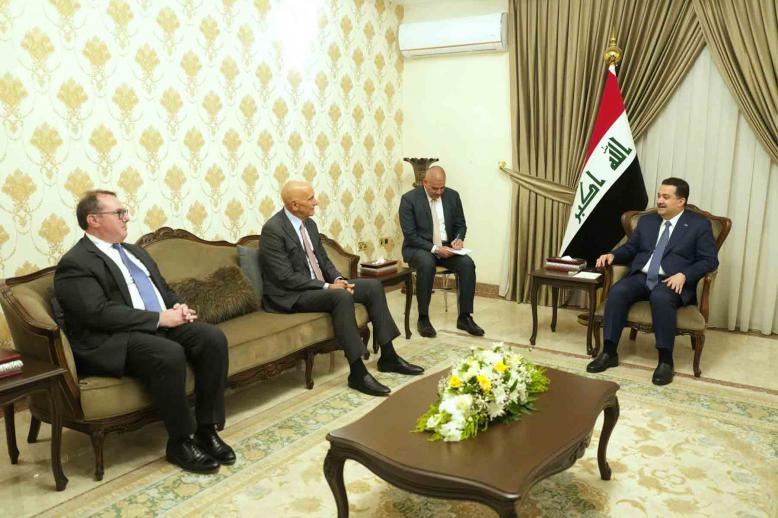
At the same time, Washington is intensifying political pressure on Iraq’s leadership. A senior US State Department official said the United States is seeking “concrete actions” from prime minister-designate Ali al-Zaidi to distance the state from pro-Iran armed factions before resuming financial transfers and security assistance.
Those steps would include “expelling terrorist militias from any state institution, cutting off their support from the Iraqi budget and denying salary payments to these militia fighters,” the official said.
The United States suspended cash shipments tied to Iraq’s oil revenues, historically handled via the Federal Reserve Bank of New York, as well as security support following a surge in attacks on US facilities. More than 600 such attacks were recorded after February 28, when the United States and Israel launched their war on Iran, the official said.
Although attacks have largely subsided since the ceasefire, tensions remain high, particularly following Iranian strikes in Iraqi Kurdistan.
Zaidi, who has received backing from both domestic and regional actors, faces mounting challenges as he seeks to form a government. US President Donald Trump has said he wants a new Iraqi administration “free of terrorism,” widely interpreted as opposition to the inclusion of Iran-aligned factions designated by Washington as terrorist organisations.
However, powerful political blocs linked to armed groups are pressing for cabinet positions. Among them is Asaib Ahl al-Haq, whose political wing has sought senior roles, including a deputy prime minister post.
Analysts say Zaidi faces a delicate balancing act between US demands and internal political realities. Political scientist Ihsan al-Shammari said efforts to form an inclusive government could clash with Washington’s conditions, while Firas Elias of the University of Mosul said excluding such factions entirely is unrealistic given their entrenched role in Iraq’s political system.
“The most likely scenario is not a government free of factions, but a more disciplined administration that contains these forces within the framework of the state,” Elias said.
The escalating warnings and political pressure underscore the fragile security environment in Iraq, where attacks on US diplomatic facilities, military sites and energy infrastructure have highlighted the persistent influence of armed groups.
With regional tensions rising and domestic divisions unresolved, Iraq faces growing uncertainty as it navigates both internal power struggles and external geopolitical pressures.