
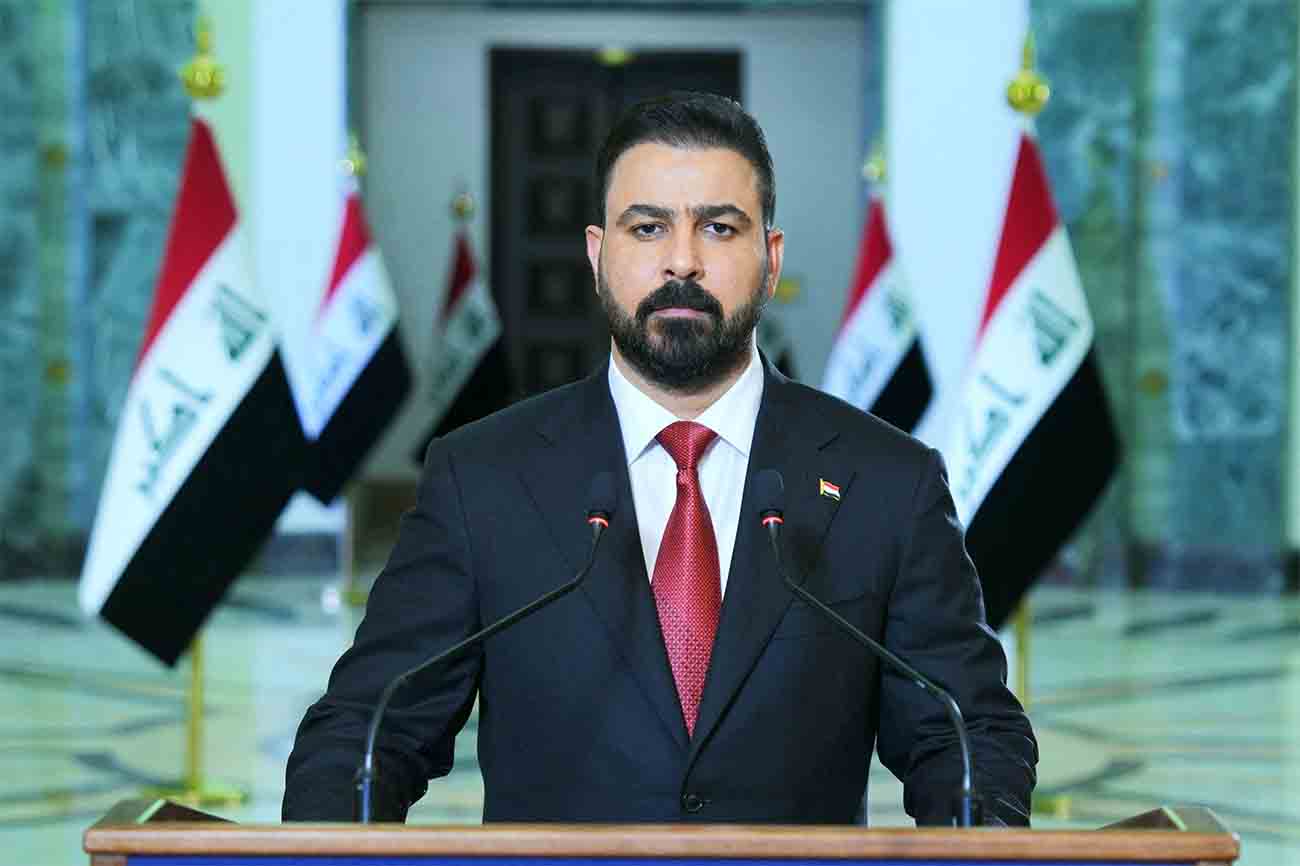
Iraqi Prime Minister Ali al-Zaidi
When the state thanks those who challenge Its monopoly on arms
The Iraqi people do not need more statements as much as they need practical measures that demonstrate that the law applies equally to all.
Friday 05/06/2026
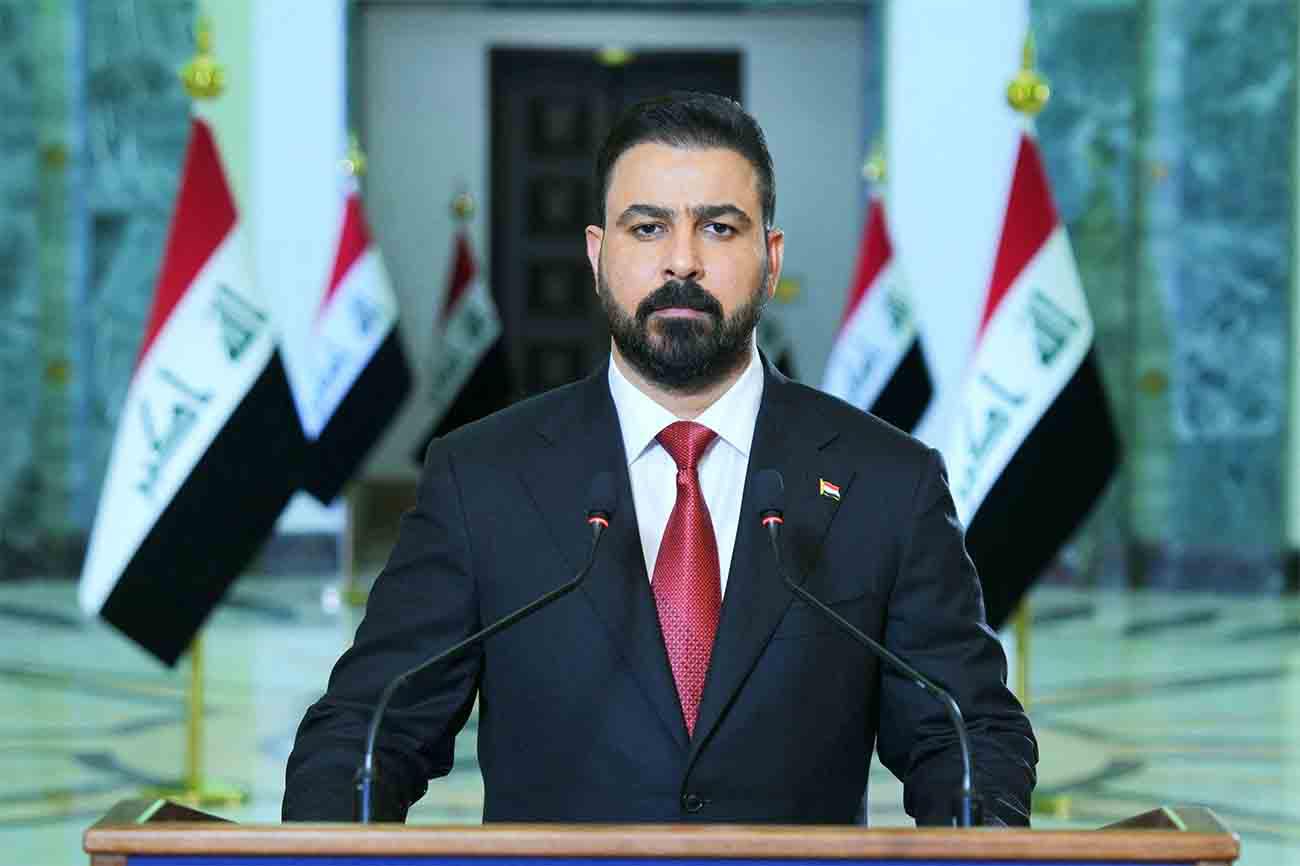
Iraqi Prime Minister Ali al-Zaidi
The statement issued by the Iraqi Prime Minister, in which he welcomed the acceptance by a leader of an armed faction to place weapons exclusively under state control, has raised many questions—not because of the substance of the step itself, but because of the political implications embedded in such a gesture of appreciation.
In principle, no state can object to any measure that strengthens its authority, promotes stability, and reinforces the rule of law. Yet the question that naturally arises is this: Why does such a step appear to be an exceptional achievement worthy of gratitude when the state’s monopoly on arms is one of the most basic foundations of its existence?
In stable states, legitimate weapons are not a matter for negotiation or understanding between the state and other actors. Rather, they constitute a sovereign right exercised by the state under the constitution and the law. When this right becomes subject to discussion, acceptance, or rejection, it reveals the scale of the challenges the state has faced in asserting its authority over the past years.
Welcoming any step that strengthens state authority is entirely legitimate. The paradox, however, lies in the fact that the state finds itself thanking those who agree to abide by a principle that should already be binding on all without exception. This is not about a specific faction or political figure; it is about a long process that has transformed constitutional fundamentals into contentious issues requiring negotiations and compromises.
Political positions and alliances may be negotiated, but state sovereignty cannot be. Political partnership is one thing; the state’s exclusive possession of legitimate arms is a sovereign principle that should never be subject to bargaining or dependent on the approval of any party. Legitimate arms are not a privilege granted to the state by political forces; they are at the very core of its functions and legitimacy.
The essence of the problem does not lie in the statement of appreciation itself, but in the reality that made such a statement necessary. A strong state does not need to reclaim its sovereign rights through understandings and arrangements, nor does it wait for others to approve the exercise of its constitutional powers. When compliance with the law becomes an extraordinary event, an old yet enduring question inevitably resurfaces: Has the state truly succeeded in establishing its full sovereignty, or is it still striving to recover it?
The Iraqi people do not need more statements as much as they need practical measures that demonstrate that the law applies equally to all and that arms remain exclusively in the hands of constitutionally authorized state institutions. There is a profound difference between proclaiming sovereignty and exercising it, and between welcoming a principle and transforming it into a lasting reality.