

At risk
Yemenis outraged as Khat users abuse ancient Marib temple
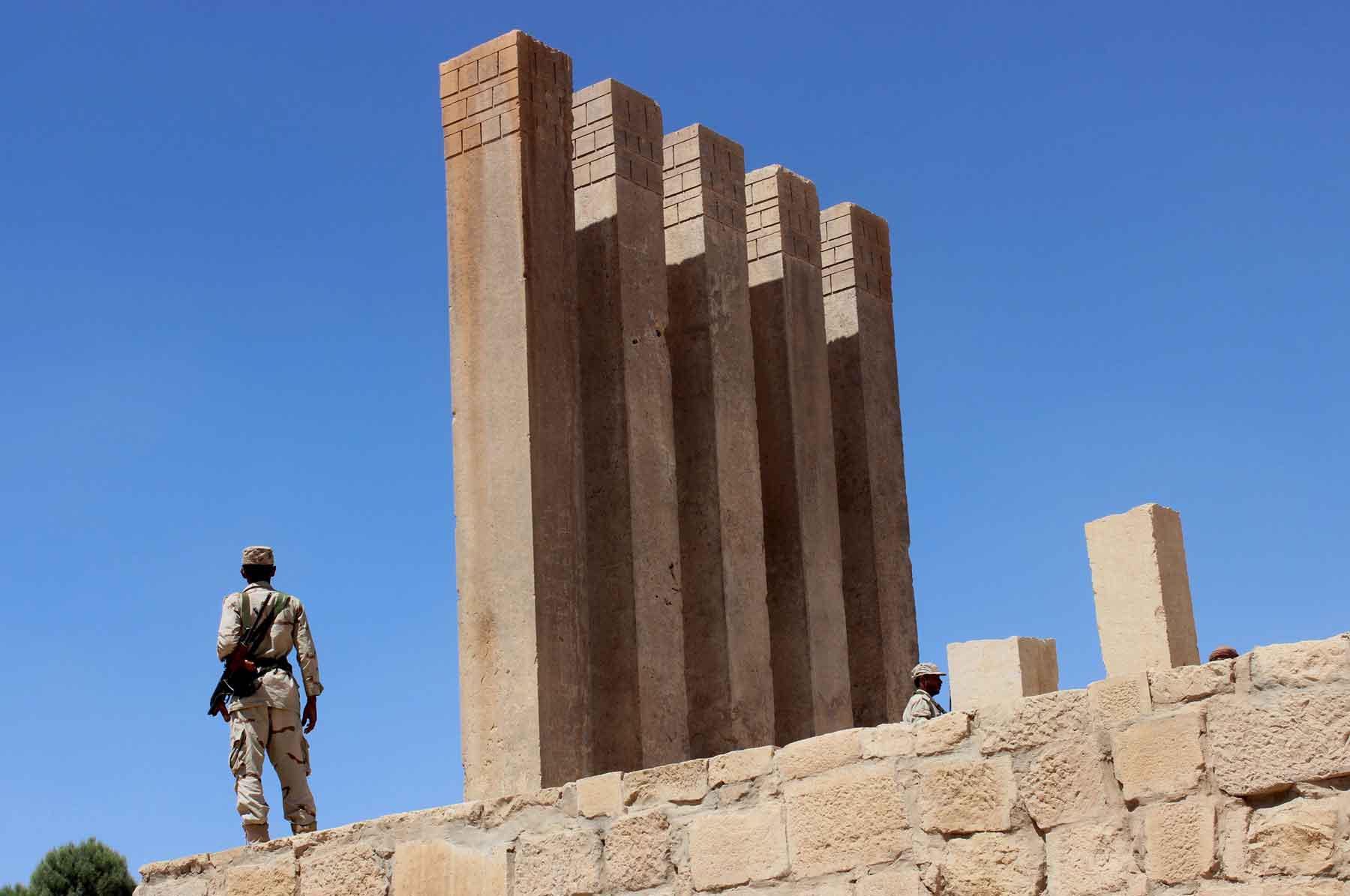
The Awwam Temple was inscribed on UNESCO’s List of World Heritage in Danger in January 2023, alongside other key Sabaean monuments in Marib.
Friday 26/12/2025
At risk
ADEN –
Yemenis expressed outrage and disbelief after a video circulated on social media on Thursday showing an ancient artifact at the Awwam Temple in Marib Province being used as a seat by people chewing khat, a locally grown stimulant.
The clip, shared by Yemeni intellectuals, sparked condemnation, with experts describing it as part of a broader pattern of neglect, looting and vandalism affecting Yemen’s cultural heritage.
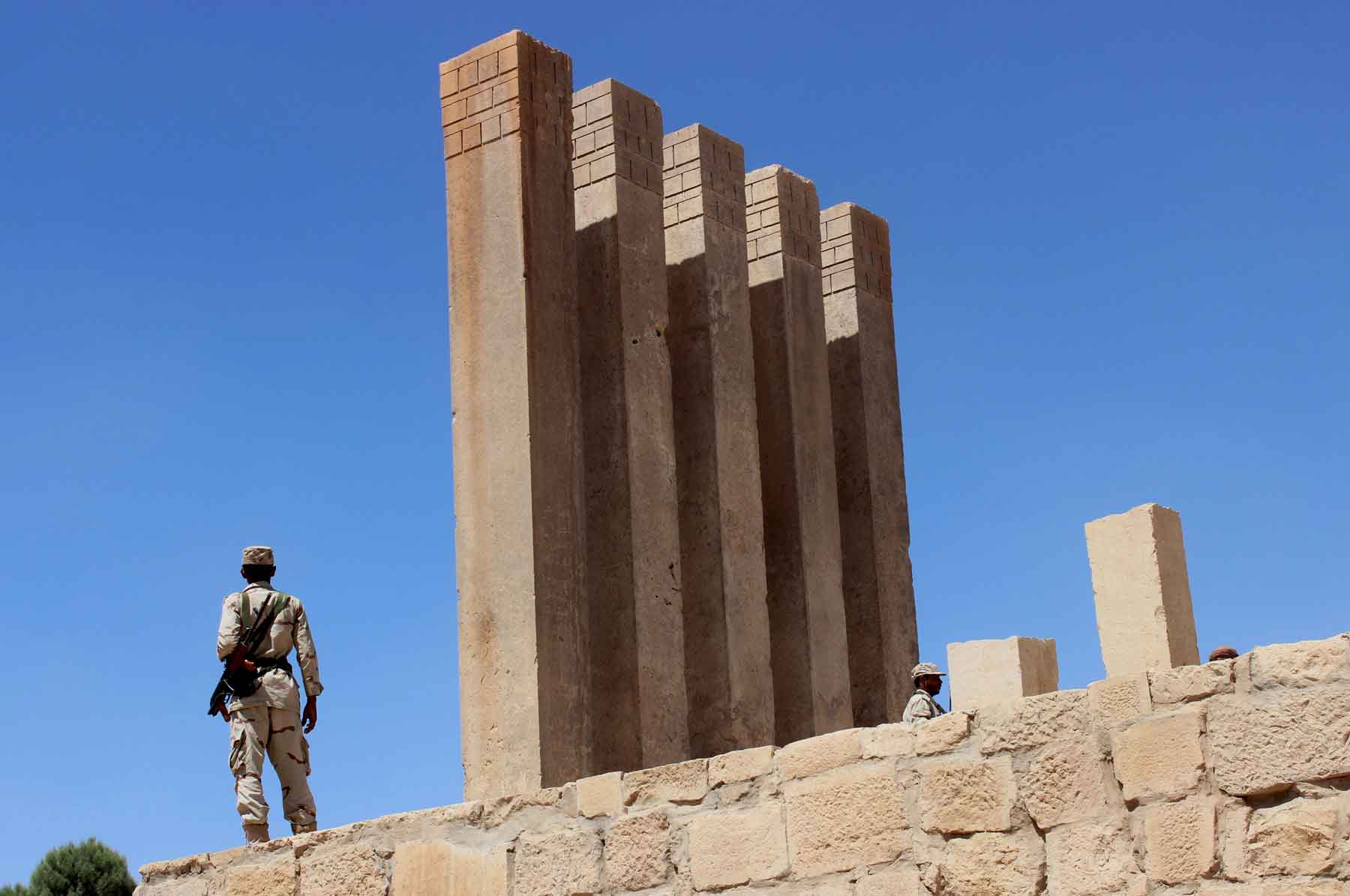
The Awwam Temple, also known as the “Sanctuary of Bilqis,” is among the most significant monuments of the ancient Sabaean kingdom and the largest temple in the Arabian Peninsula. Believed to have been constructed around 3,000 years ago, it has been the focus of archaeological research since American teams began excavations there in 1951. Roughly 300 stone carvings, documenting the Sabaean language and depicting wars, trade agreements, peace treaties and foreign relations, have been studied and preserved.
Yemenis view the temple as a crucial historical site and the apparent misuse of its artifacts has provoked widespread indignation.
Mohammed Jumeh, Yemen’s envoy to UNESCO, highlighted the gravity of the situation, saying that “no registered World Heritage sites should be subjected to neglect, abuse or humiliation as is happening in Yemen.”
He noted that the incident at Awwam Temple, involving people chewing khat on historic stones, should never have occurred, stressing that the Sabaean sites, listed as UNESCO World Heritage sites in early 2023, remain largely unmonitored and unprotected.
Located 120 kilometres from the capital, Sana’a, the temple has not suffered damage from conflict, but chronic looting, vandalism and neglect persist due to the absence of security measures. Jumeh called on authorities to safeguard these sites, noting that UNESCO listing obliges the Yemeni state to prevent such incidents.
The Awwam Temple was inscribed on UNESCO’s List of World Heritage in Danger in January 2023, alongside other key Sabaean monuments in Marib. Yemen’s historic cities, including Shibam, Old Sana’a and Zabid, were added to the endangered list over the last decade due to ongoing threats to their preservation.
Abdullah Mohsen, a Yemeni archaeology expert, said he was not surprised by the behaviour captured in the video, citing previous instances where visitors used the temple stones for sitting or photo sessions, including university graduation shoots.
Journalist and cultural historian Ahmed al-Aghbari said that the incident reflects a “lack of societal awareness of the cultural and historical value of Yemen’s artifacts, which serve as crucial evidence documenting the nation’s history.” He emphasised that the government, starting with local authorities, cultural offices, and security agencies, bears primary responsibility for protecting these heritage sites.
Local resident Abdulhamid Saleh described the episode as emblematic of Yemen’s “tragic situation” regarding ancient sites, which suffer from neglect, vandalism, and looting.
Khat, a plant native to Yemen’s highlands, is commonly consumed by chewing its fresh leaves in sessions called maqil or mafraj. Rural farmers often chew khat while working to maintain energy and suppress hunger.
The General Authority for Antiquities and Museums previously warned of ongoing destruction and theft at the Sanctuary of Bilqis, highlighting the removal and smuggling of many Sabaean inscriptions due to deliberate neglect.
The authority called on the people of Marib and local officials to protect the site and reinstate its protective iron fence, while urging UNESCO to intervene following the temple’s listing as a World Heritage site.