

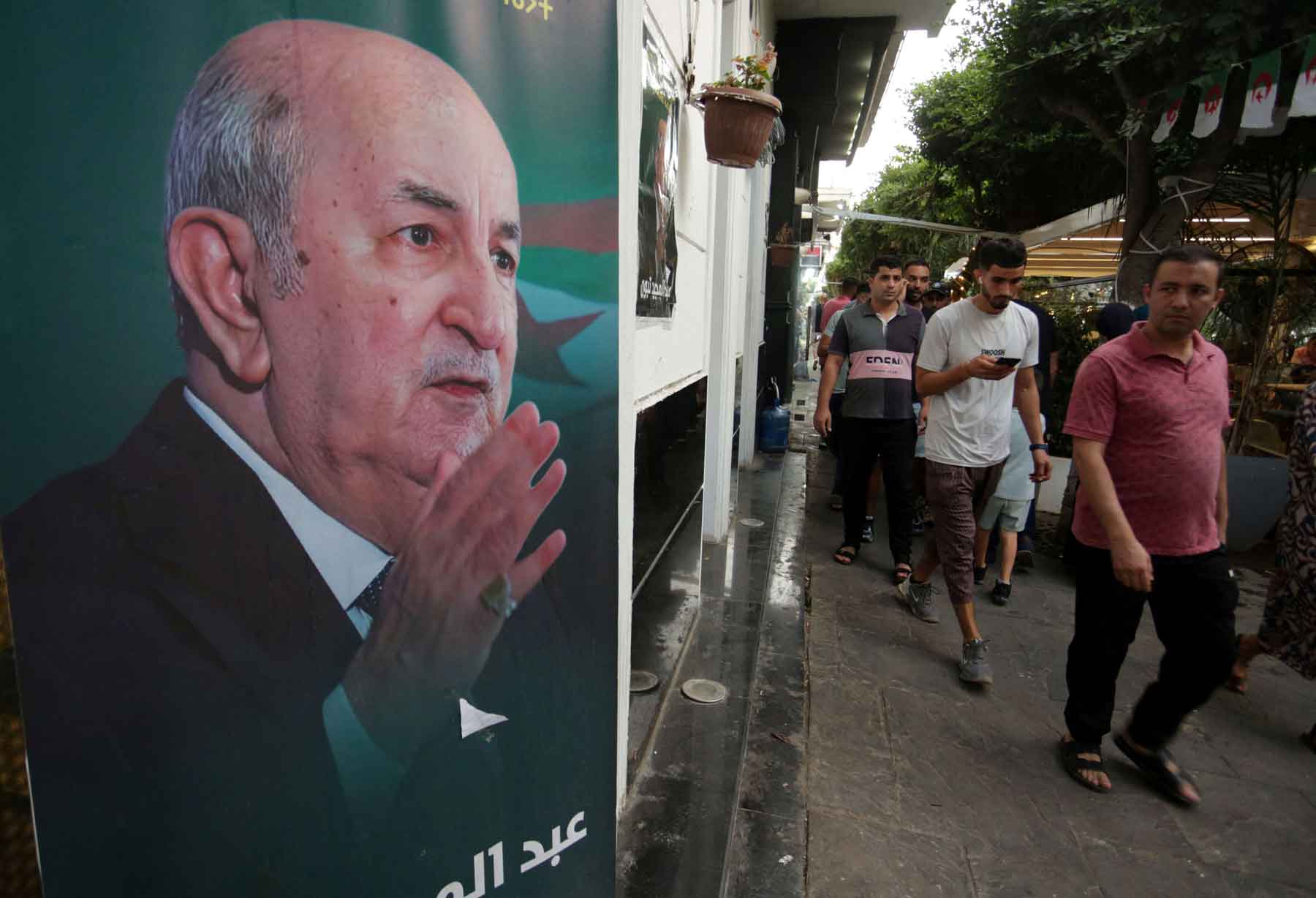
A country that has been facing growing isolation within its African neighbourhood
Algeria restores ambassador to Niger, ending 10-month diplomatic rift
Political pragmatism appears to have prevailed, with Algiers opting to move beyond last year’s disagreements in favour of safeguarding shared strategic interests.
Friday 13/02/2026
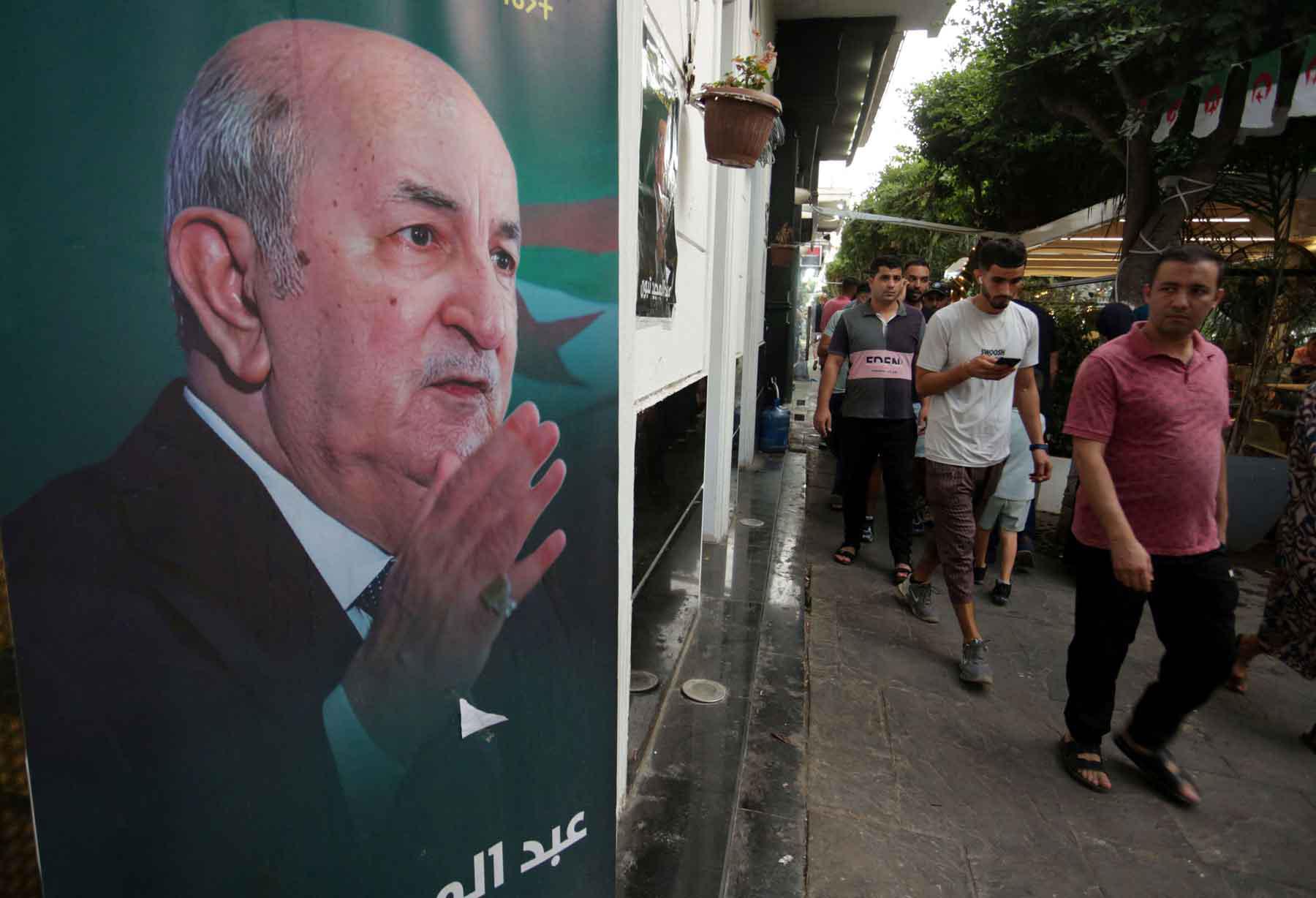
A country that has been facing growing isolation within its African neighbourhood
ALGIERS/NIAMEY – In a calculated move aimed at reshaping the balance of influence in the Sahel, Algeria announced on Thursday the immediate return of its ambassador to the Nigerien capital, Niamey, formally ending a diplomatic rupture that had lasted nearly ten months.
The decision signals a cautious thaw in relations between the two neighbours after months of strained ties that saw diplomatic representation downgraded amid regional tensions.
Algeria’s Ministry of Foreign Affairs said the move followed the return to Algiers of Niger’s ambassador, who also resumed his duties on Thursday. While the reinstatement of ambassadors does not necessarily resolve all outstanding disputes, it places bilateral relations back on a constructive footing.
For Algeria, which has faced growing isolation within its African neighbourhood, leaving a diplomatic vacuum in Niamey risked allowing rival regional or international powers to expand their footprint. Political pragmatism appears to have prevailed, with Algiers opting to move beyond last year’s disagreements in favour of safeguarding shared strategic interests.
Algerian officials view Niger as the most flexible entry point for rebuilding influence in the Sahel. Relations with Mali remain more complex, but reopening dialogue with Niamey sends a message to neighbouring states that Algerian diplomacy is not driven by dictates or confrontation.
The foreign ministry underlined that the ambassador’s return reflects “the great importance President Abdelmadjid Tebboune attaches to strengthening fraternal relations, cooperation and good neighbourliness with Niger.” It added that the resumption of duties by both ambassadors would “undoubtedly contribute to reviving the tradition of high-level bilateral political dialogue and restoring multifaceted cooperation initiated by the two brotherly countries, as well as advancing strategic projects serving regional and continental integration.”
The announcement comes only days after President Tebboune extended an official invitation to Niger’s leader, General Abdourahamane Tiani, to visit Algeria? a further sign that both sides are keen to move beyond the diplomatic freeze.
The rift dates back to April 7, 2025, when Niger, Burkina Faso and Mali, grouped under the Alliance of Sahel States, recalled their ambassadors from Algiers for consultations after Mali accused the Algerian army of downing one of its drones.
Algerian authorities said at the time that an armed drone had violated its airspace in the far south on what it described as an “offensive trajectory,” marking the third such incursion. In response to the recall by the three Sahel states, Algeria withdrew its own ambassadors from those countries on the basis of reciprocity.
Algiers maintained that Niger’s decision to recall its envoy was an act of solidarity with Mali within the framework of the new Sahel alliance, rather than the result of bilateral grievances.
The first signs of rapprochement emerged in November 2025, when Niger’s president sent a congratulatory message to his Algerian counterpart on the anniversary of Algeria’s revolution, a gesture widely interpreted as diplomatic overture.
Momentum continued on January 26 this year, when Algeria’s Minister of Hydrocarbons and Mines Mohamed Arkab travelled to Niger to review progress on joint petroleum projects. It marked the first visit by a senior Algerian official to Niamey since the diplomatic downgrade.
Algeria and Niger share nearly 950 kilometres of land border and are linked by several strategic initiatives, including the Trans-Saharan Highway connecting Algeria, Tunisia, Niger, Chad, Mali and Nigeria, a project seen as vital for trade, energy cooperation and regional integration.
The restoration of ambassadorial ties may not erase underlying tensions within the volatile Sahel, but it underscores Algeria’s determination to reassert its diplomatic weight and prevent further erosion of its regional influence.