

Better ties with the EU offer a pathway to greater economic support
Mauritania seeks deeper strategic partnership with EU
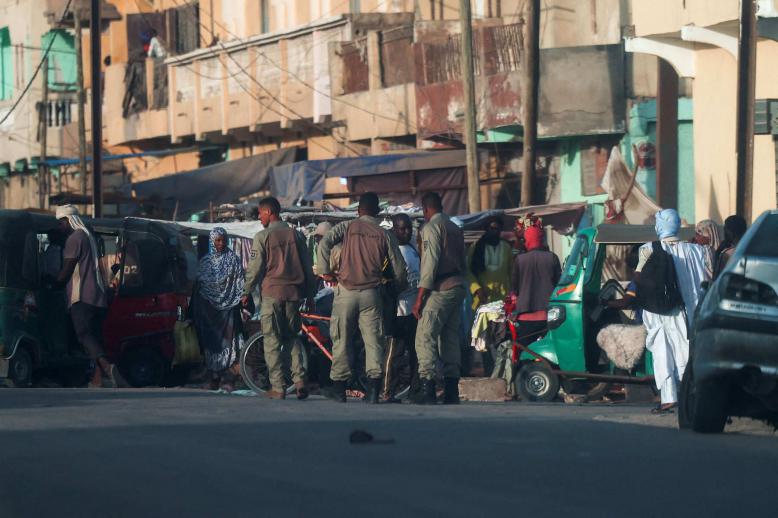
Migration has emerged as one of the most urgent issues on the agenda, with Mauritania increasingly becoming both a transit and destination country for migrants seeking to reach Europe.
Friday 13/02/2026
Better ties with the EU offer a pathway to greater economic support
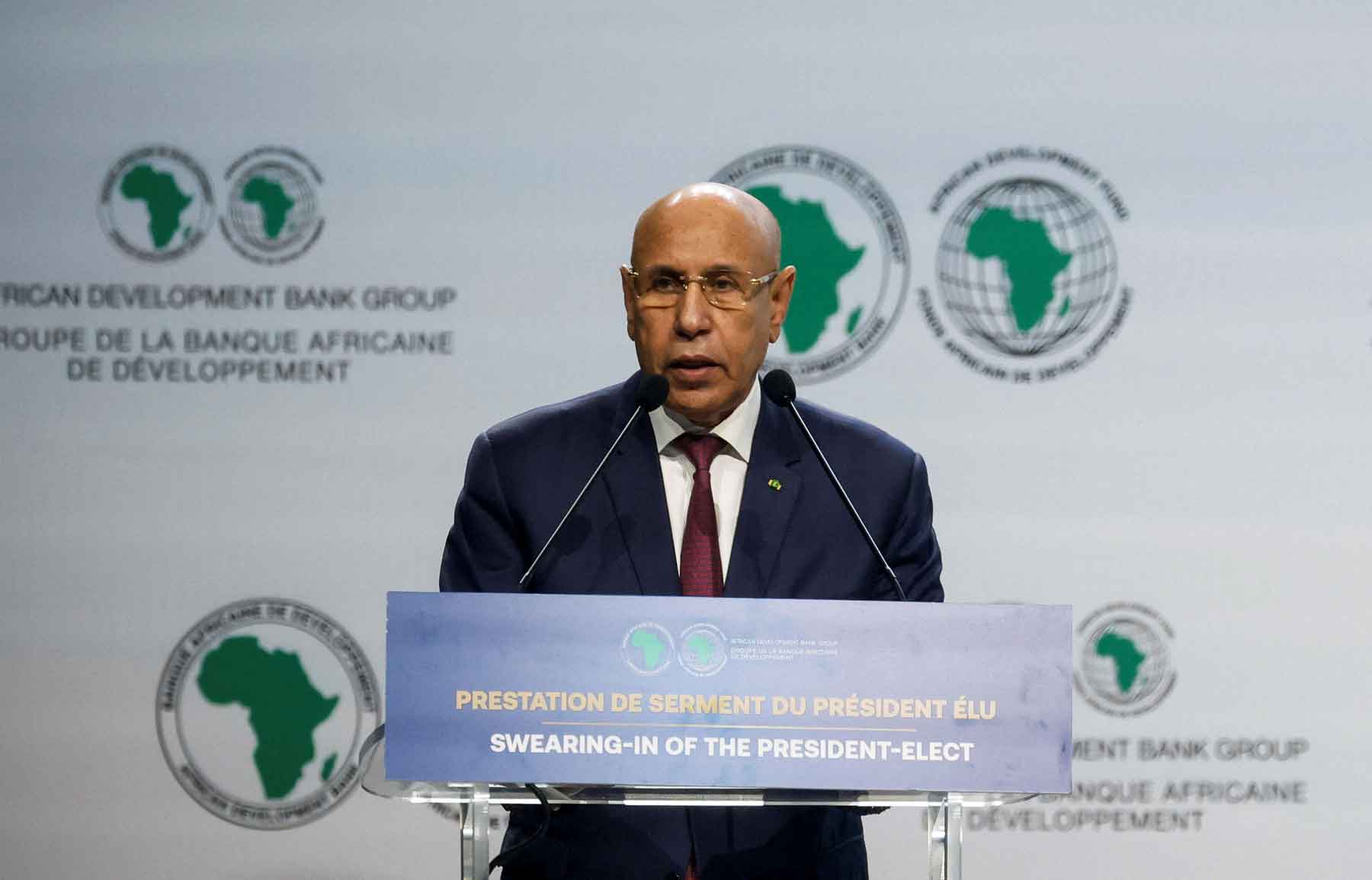
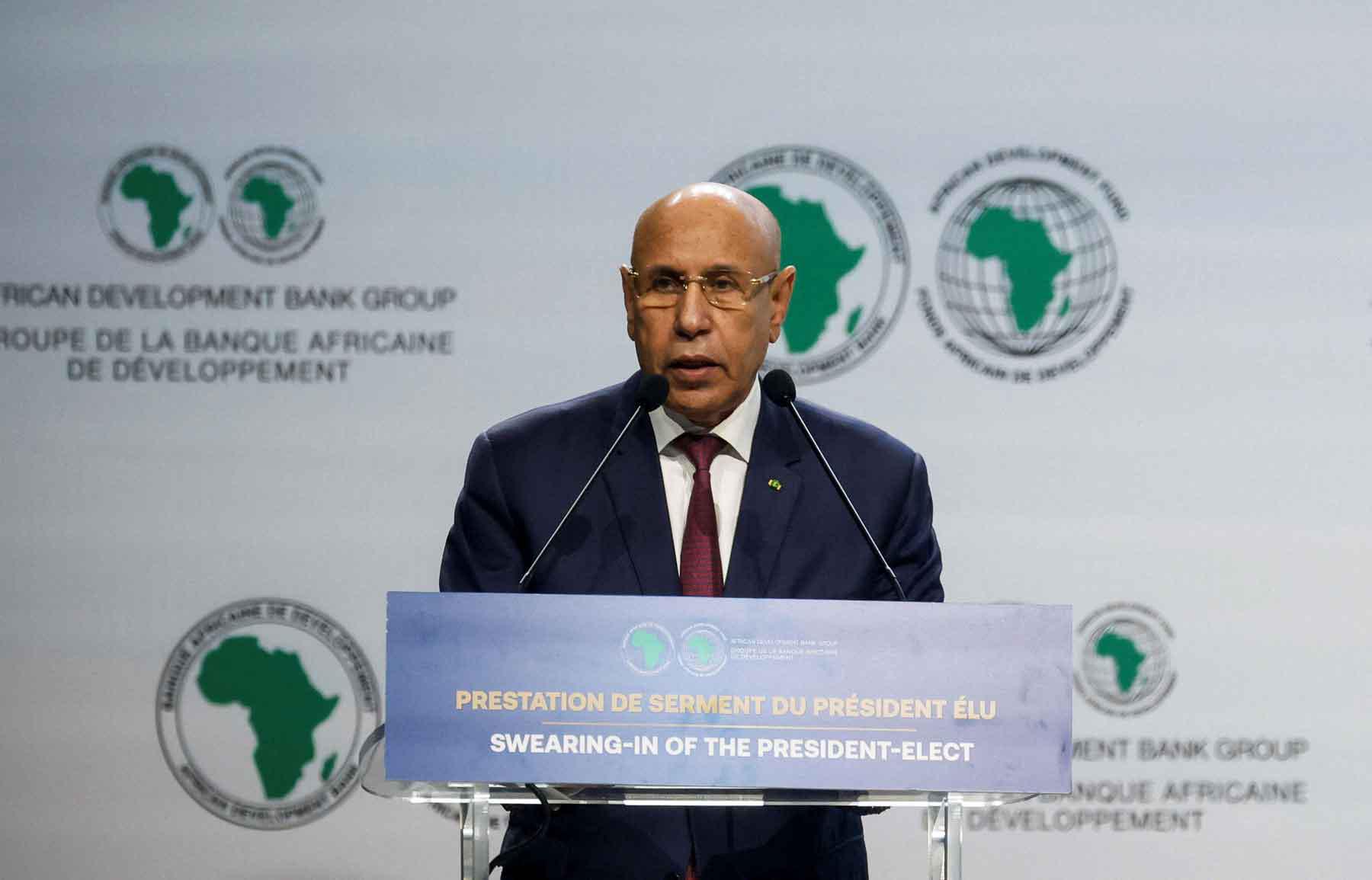
NOUAKCHOTT – Mauritanian Prime Minister Mokhtar Ould Djay said his country is looking to elevate its political dialogue with the European Union towards a “deeper strategic partnership” based on shared responsibility and aligned development priorities, as both sides confront mounting migration pressures, regional insecurity and economic challenges.
Speaking at the opening of the latest round of the Mauritania-EU Political Dialogue in Nouakchott on Thursday, Ould Djay described the mechanism as a “central pillar” of bilateral cooperation and a reflection of strong and enduring ties grounded in mutual trust and regular consultation.
He stressed that the talks represent more than routine diplomacy, calling them an essential framework for strengthening coordination on political, economic, humanitarian and security issues at a time of growing instability across the Sahel and beyond.
“The political dialogue remains a fundamental pillar of cooperation between the two sides, reflecting the solidity and continuity of relations built on mutual trust and regular consultation, serving stability and sustainable development,” Ould Djay said, according to a statement from the Mauritanian Prime Minister’s Office.
Migration has emerged as one of the most urgent issues on the agenda, with Mauritania increasingly becoming both a transit and destination country for migrants seeking to reach Europe via Atlantic routes.
Ould Djay said the rising number of migrants arriving in Mauritania has placed additional strain on public services and resources, underscoring the need for greater international support. He reaffirmed Nouakchott’s commitment to managing migration in a “coordinated, responsible and humane” manner, based on respect for migrants’ rights and fair burden-sharing.
The issue has taken on heightened importance as migration routes shift westward through the Sahel amid tightening controls elsewhere. European support has included funding for border management, coastguard capacity building and development initiatives aimed at addressing the root causes of migration, particularly in vulnerable regions.
Migration cooperation is also closely tied to broader EU efforts to reduce irregular crossings while promoting stability and economic opportunity in transit countries such as Mauritania.
Security concerns are another central focus of the dialogue, reflecting Mauritania’s strategic position in the volatile Sahel region, where jihadist violence, organised crime and political instability continue to threaten regional stability.
Ould Djay emphasised Mauritania’s role as an active partner in promoting peace and stability in the Sahel, highlighting the importance of continued cooperation with the EU in combating terrorism, violent extremism and cross-border organised crime.
The European Union has long supported Mauritania through training programmes, technical assistance and capacity-building initiatives aimed at strengthening national security institutions and enhancing preventive strategies against radicalisation.
This cooperation aligns with broader EU priorities to stabilise the Sahel, curb extremist threats and reinforce regional resilience through long-term institutional support.
Economic cooperation remains a cornerstone of the relationship, with fisheries and trade among the most important drivers. Under longstanding agreements, European fishing fleets are granted access to Mauritanian waters in exchange for financial contributions that support the national budget and sector development.
The EU also represents a major export destination for Mauritanian products, particularly fish and iron ore, reinforcing the bloc’s role as one of Nouakchott’s most significant economic partners.
European assistance programmes have further supported economic diversification efforts, including initiatives aimed at building local value chains, creating jobs and strengthening economic resilience.
Renewable energy is emerging as a key area of expanding collaboration, with Mauritania attracting growing European interest in green hydrogen, solar and wind energy projects.
These initiatives form part of broader efforts to support energy transition and reduce carbon emissions while helping Mauritania harness its vast renewable energy potential.
EU-funded programmes also target social development, education, healthcare and climate resilience, particularly for vulnerable populations facing the impacts of environmental change.
The Mauritania-EU political dialogue underscores the evolving nature of a partnership increasingly shaped by intertwined economic, humanitarian and security considerations.
As migration flows intensify and geopolitical competition deepens in the Sahel, both sides are seeking to strengthen cooperation in ways that address immediate challenges while supporting long-term stability and development.
For Mauritania, deepening ties with the EU offers a pathway to greater economic support, enhanced security capacity and expanded investment in critical sectors such as energy and infrastructure.
For Europe, the partnership provides a strategic anchor in a fragile region that plays a crucial role in managing migration flows, countering extremism and supporting regional stability.