



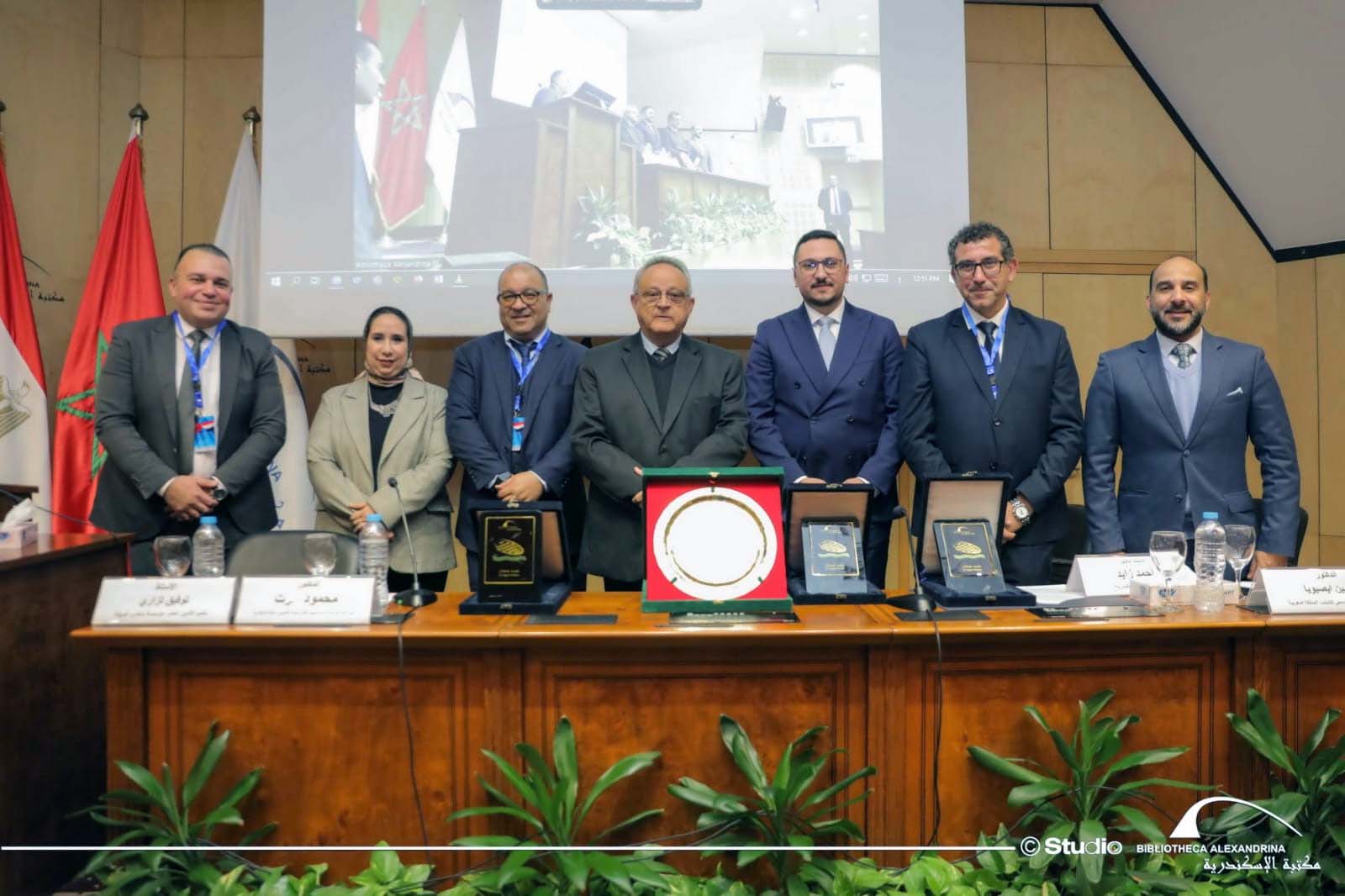
The event was organized by the Center for Strategic Studies and the Center for Islamic Civilization Studies
Egyptian-Moroccan Cultural Forum kickstarts at Bibliotheca Alexandrina
Deputy Secretary-General of the Assilah Forum Foundation says the Asilah Forum Foundation, as an NGO, has made intercultural dialogue and youth care the core of its mission under the slogan "Culture for Development."
Thursday 29/01/2026
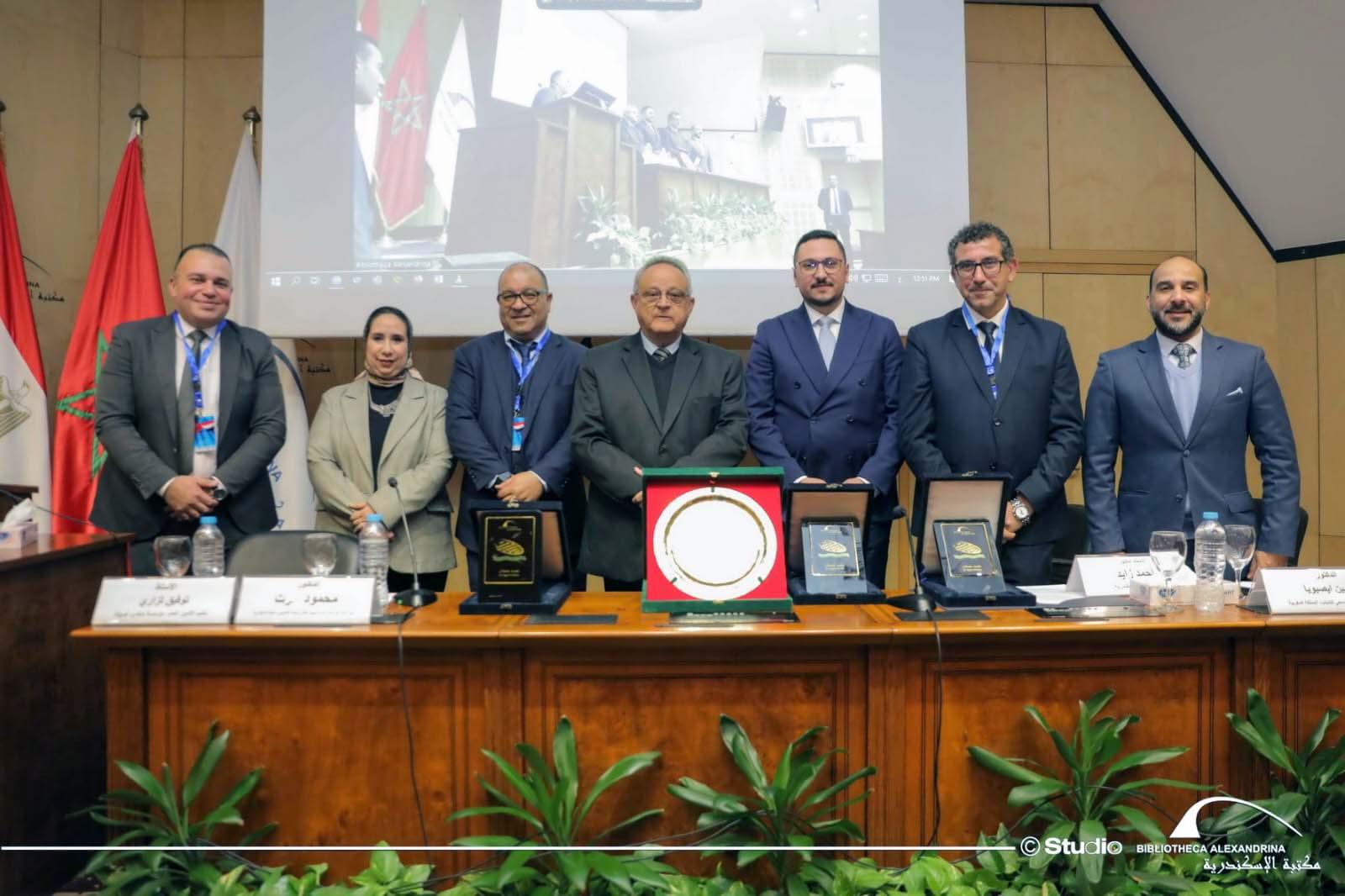
The event was organized by the Center for Strategic Studies and the Center for Islamic Civilization Studies
ALEXANDRIA – The Bibliotheca Alexandrina inaugurated Wednesday the activities of the "Egyptian-Moroccan Cultural Forum" in the Egyptian city of Alexandria.
The event was organized by the Center for Strategic Studies and the Center for Islamic Civilization Studies - both part of the Library’s Academic Research Sector - in partnership with the Mediterranean Youth Forum in Assilah.
The three-day forum is being held at the Delegates Hall in the Bibliotheca Alexandrina Conference Centre.
The forum was opened by Prof. Ahmed Zayed, Director of the Bibliotheca Alexandrina; Mohamed Ait Ouali, Ambassador of the Kingdom of Morocco to Egypt (via recorded message); Ahmed Nihad Abdel Latif, Egypt’s Ambassador to Morocco (via Zoom); Taoufik Louzari, Deputy Secretary-General of the Assilah Forum Foundation; and Yassine Isbouia, President of the Mediterranean Forum for Youth in Morocco.
They were joined by an elite group of academics, researchers, and intellectuals from both nations. The session was introduced by Mahmoud Ezzat, Director of the Centre for Strategic Studies at the Bibliotheca Alexandrina.
Culture as a Strategic Necessity
In his opening remarks, Zayed emphasized the importance of this event, which embodies a close cultural partnership. He noted that the Library was built to be a "minaret for the mind" and a meeting point for civilizations.
He described the Moroccan city of Assilah as a unique Arab and international model of how culture can transform into a developmental project and a way of life.
Zayed paid tribute to the late Mohamed Benaissa, former Foreign Minister and founder of the Assilah Forum Foundation, who served as a member of the Library’s Board of Trustees and believed in culture as a tool for human development.
"We are living in a historic moment of grave challenges," Zayed stated, "making cultural dialogue a 'strategic necessity' rather than an intellectual luxury."
Diplomacy and Civil Society
In a recorded message, Ambassador Ait Ouali expressed his regret for not attending in person and honored the memory of Mohamed Benaissa for his lifelong dedication to building bridges between cultures.
He highlighted the tripartite cooperation (cultural, intellectual, and economic) between Morocco and Egypt, nurtured by the leadership of both countries.
Ait Ouali noted that civil society initiatives, such as the Assilah Forum, serve as a vital supplement to official cultural diplomacy.
Ambassador Ahmed Nihad Abdel Latif, speaking from Morocco, praised the Library's international role and noted the "cultural vibrancy" currently seen in Morocco through its numerous festivals and museums.
He highlighted successful youth exchange programs between the two countries and proposed three future areas of focus:
AI and the Digital Environment: Their impact on cultural work and youth exchange.
Direct Creative Exchange: Facilitating projects between Egyptian and Moroccan creators.
Traditional Crafts: Protecting heritage and reproducing it innovatively through young talent.
Culture for Development
Louzari discussed how the Asilah Forum Foundation, as an NGO, has made intercultural dialogue and youth care the core of its mission under the slogan "Culture for Development." He emphasized that the partnership between the Bibliotheca Alexandrina and Assilah is a successful model for sustainable cultural policies.
Isbouia stated that culture is a "human bridge" that transcends geography and politics. He noted that the forum’s theme - balancing official and civil cultural work - reflects the importance of integrating institutions with civil society. He highlighted the "Royal Vision" of King Mohammed VI, which positions culture as a lever for comprehensive development and youth as central actors in building the future.
He called for the promotion of digital citizenship and the rejection of hate speech in favour of dialogue and tolerance.
Closing Remarks
The session was moderated by Ezzat, who explained that the forum aims to spark intellectual discussion on the role of culture in building bridges and invoking shared memory. He expressed hope that this cooperation would continue to grow, utilizing the combined expertise of these prestigious Egyptian and Moroccan institutions.