

For many migrants, the journey stops here
How Mauritania turned into the front line of Europe's migration battle
Mauritania has intensified document inspections, deportation operations, coastal surveillance and anti-smuggling efforts since signing a migration pact with the EU in 2024.
Tuesday 16/06/2026
For many migrants, the journey stops here
NOUADHIBOU, Mauritania – Mauritania has emerged as one of the clearest examples of Europe's strategy of outsourcing migration control, dramatically reducing departures towards Spain's Canary Islands while drawing criticism from human rights groups over the treatment of migrants.
The West African nation has become a crucial partner in the European Union's efforts to curb irregular migration across the Atlantic route, a journey that claimed thousands of lives in recent years.
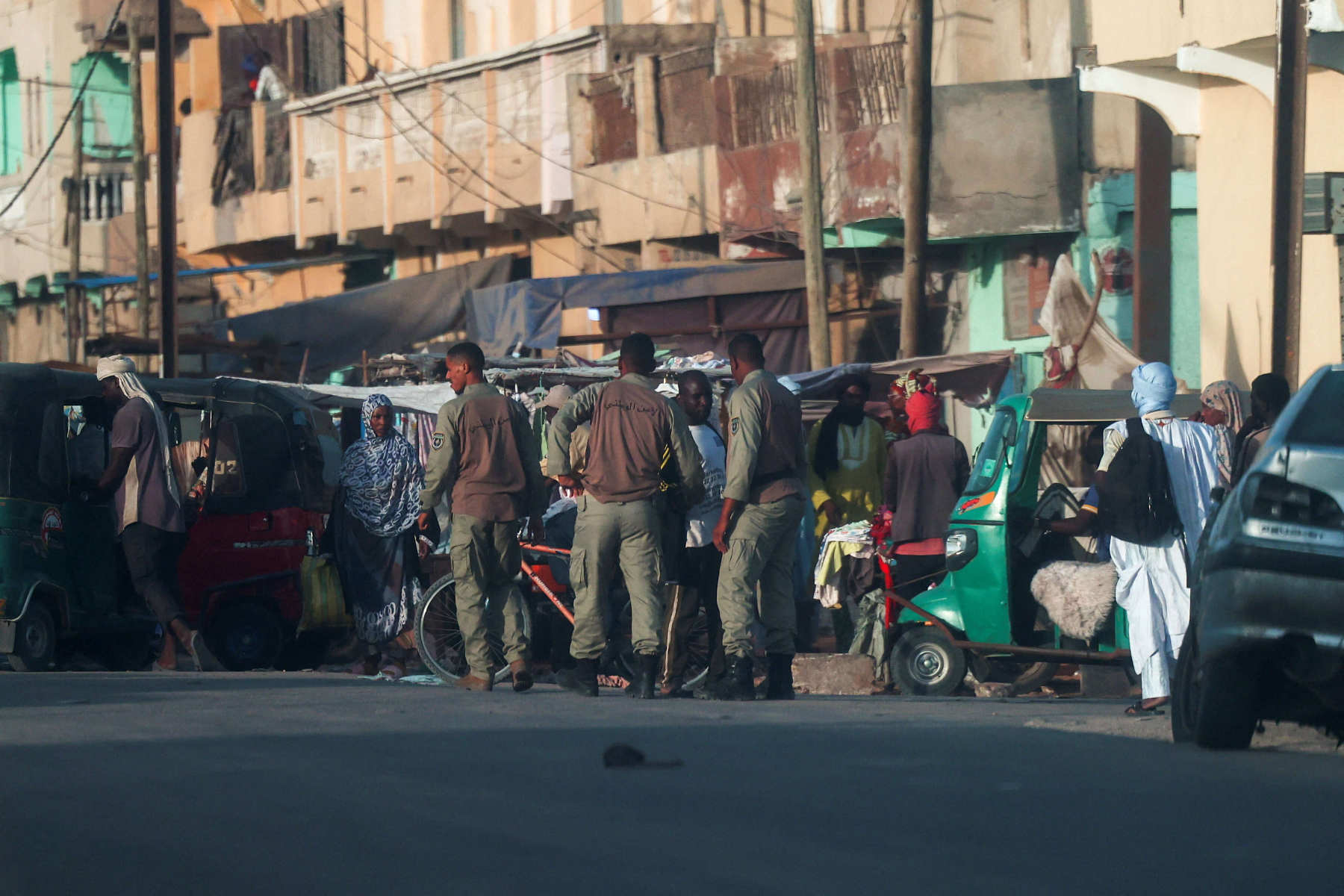
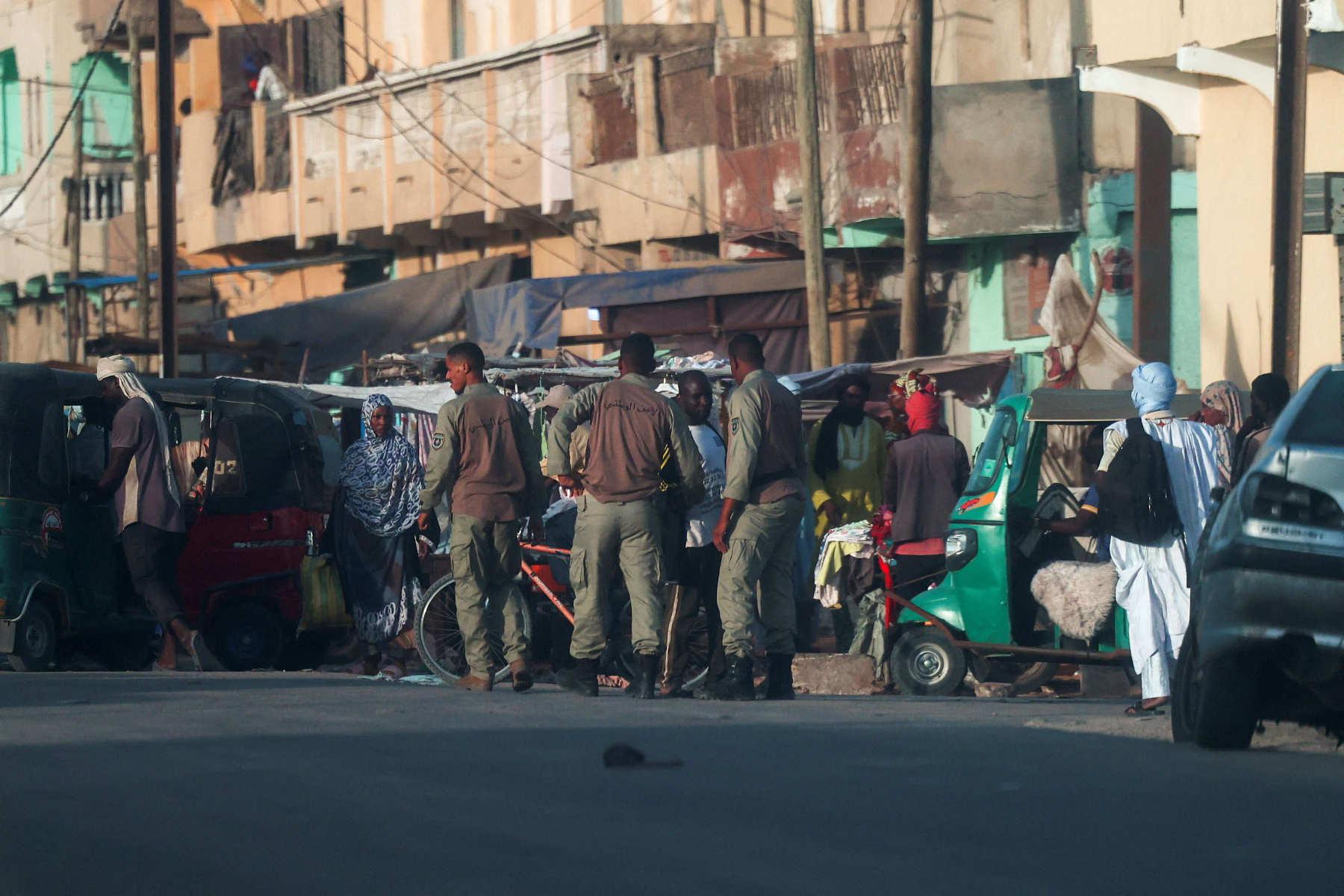
For migrants gathered in the coastal city of Nouadhibou, once one of the busiest launching points for boats heading to Europe, the crackdown has transformed a well-established route into a near impassable barrier.
"Everyone wants to leave," said Ahmed, a 34-year-old Senegalese migrant who lives in constant fear of police checks.
"Since security was stepped up, no one can get through," he said.
Mauritanian authorities have intensified document inspections, deportation operations, coastal surveillance and anti-smuggling efforts since signing a migration partnership agreement with the European Union in 2024.
The agreement, backed by €210 million in European funding, supports border monitoring, maritime rescue operations, anti-smuggling initiatives and development programmes.
Brussels has increasingly pursued similar arrangements with transit countries such as Tunisia and Egypt, seeking to prevent migrant departures before they reach European shores.
The strategy appears to have produced results. Coast Guard officials say departures from Mauritania have fallen sharply following the arrest of smugglers and the closure of departure points.
At the height of the crisis, bodies frequently washed up on Mauritanian beaches. In 2024, around 10,000 people died attempting the Atlantic crossing from Mauritania, Senegal, Gambia and Guinea.
Yet the crackdown has come at a cost.
Human Rights Watch and other organisations have accused Mauritanian authorities of abuses including arbitrary detention, extortion, physical mistreatment and mass deportations.
According to local media reports, tens of thousands of migrants were expelled during 2025.
Even refugees and long-term residents have reportedly been affected.
"You can't go out or go to the market because if you're on the street, they pick you up and expel you," said Ramatoulaye, a Senegalese woman who has lived in Mauritania for years.
EU officials reject suggestions that Brussels encouraged abuses.
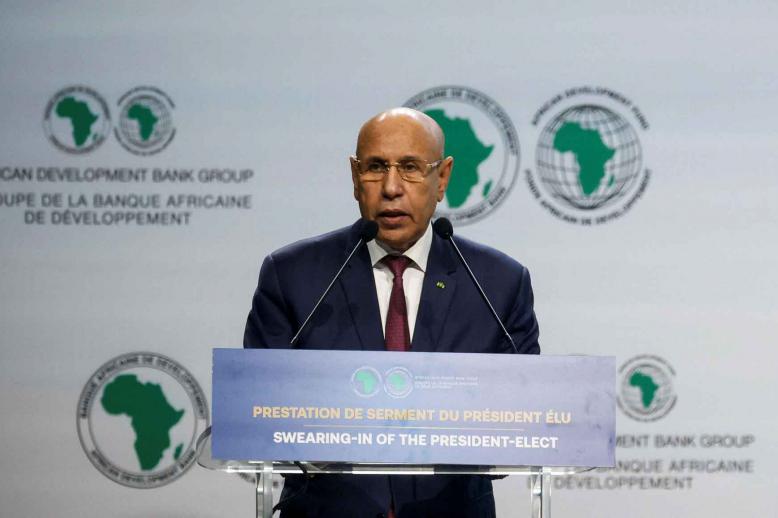
"We did not request this, either directly or indirectly," said EU Ambassador Joaquin Tasso Vilallonga.
"What we asked for was proper migration management and a crackdown on smuggling networks."
The European Union also funds temporary reception centres in Nouakchott and Nouadhibou, operated by the Mauritanian Red Crescent, where migrants rescued at sea receive food, medical assistance and temporary shelter.
Those found eligible for protection can seek asylum, while others are deported.
For many migrants, however, the central issue remains the lack of legal pathways to Europe.
Laylay, a Senegalese migrant who has attempted the crossing three times, said poverty left him feeling he had no alternative.
"Death was better than the life I had in Senegal," he said.
He argued that expanding access to visas would reduce dangerous sea journeys.
"We would go work abroad and then come back home," he said.
Meanwhile, Europe is moving in the opposite direction.
The EU recently outlined a tougher migration framework that includes establishing centres outside its borders for rejected asylum seekers.
European Commissioner Magnus Brunner made the bloc's objective clear: "The priority is clear: reducing the number of illegal arrivals."
As Europe hardens its migration stance, Mauritania increasingly finds itself at the heart of a policy that has reduced departures but also placed the country on the front line of one of the world's most contentious humanitarian and political challenges.