

Under strain
Iranian president calls for dialogue after Tehran shopkeeper protests
In a post on social media, the Iranian president said he had instructed the interior minister to open dialogue with representatives of the protesters.
Tuesday 30/12/2025
Under strain
TEHRAN –
Iran’s President Masoud Pezeshkian urged officials to engage with protesters and address what he described as their “legitimate demands,” following demonstrations by shopkeepers in Tehran over mounting economic pressures.
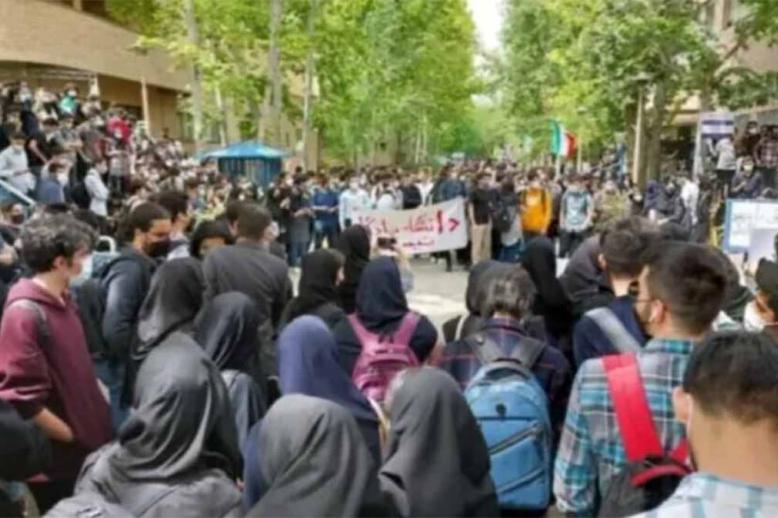
The protests, which took place on Monday, were concentrated in central commercial districts of the capital, where traders voiced frustration at soaring prices, a collapsing currency and a lack of government support.
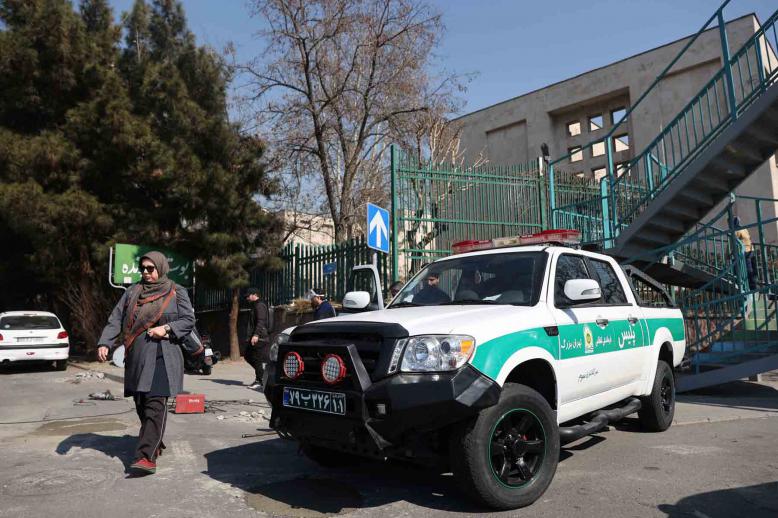
By Tuesday morning, most shops and cafés along Tehran’s main thoroughfares, including the 18-kilometre Vali-asr Avenue, had reopened, though a visible security presence remained. Riot police were deployed around key squares in the city centre, while authorities appeared keen to prevent further unrest.
The demonstrations came against the backdrop of a rapidly weakening rial. When protests began on Sunday, the US dollar was trading at roughly 1.42 million rials, compared with around 820,000 rials a year earlier. The currency recovered only marginally in the following days.
In a post on social media, Pezeshkian said he had instructed the interior minister to open dialogue with representatives of the protesters. “The government must listen to their legitimate demands and act responsibly to resolve the problems within its capacity,” he said.
Although president, Pezeshkian holds limited power within Iran’s political system, where ultimate authority rests with Supreme Leader Ayatollah Ali Khamenei. Nonetheless, his remarks were echoed by senior figures, including parliamentary speaker Mohammad Bagher Ghalibaf, who called for urgent steps to boost household purchasing power.
“Public concerns and protests related to livelihoods must be addressed with responsibility and dialogue,” Ghalibaf said, according to state television.
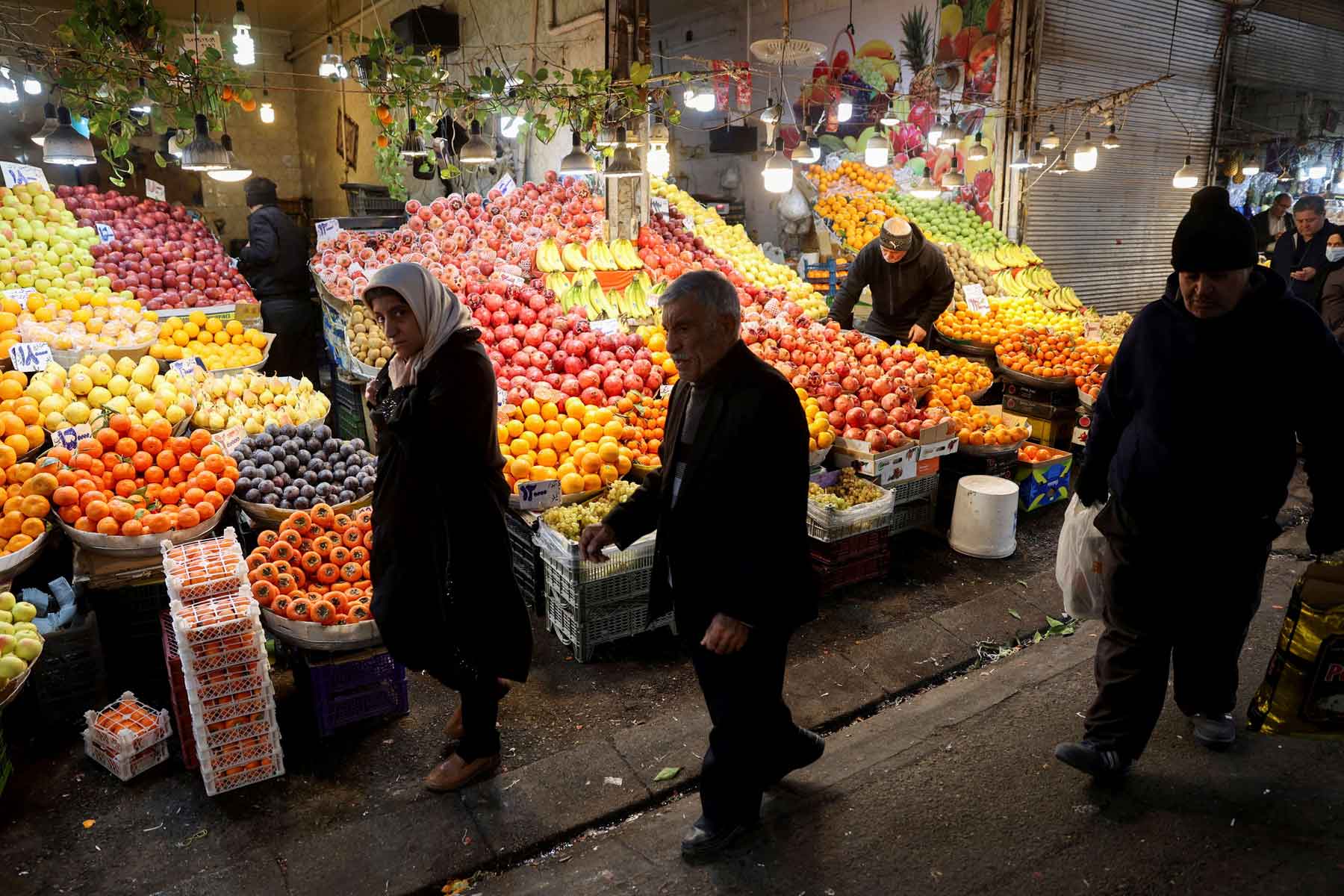
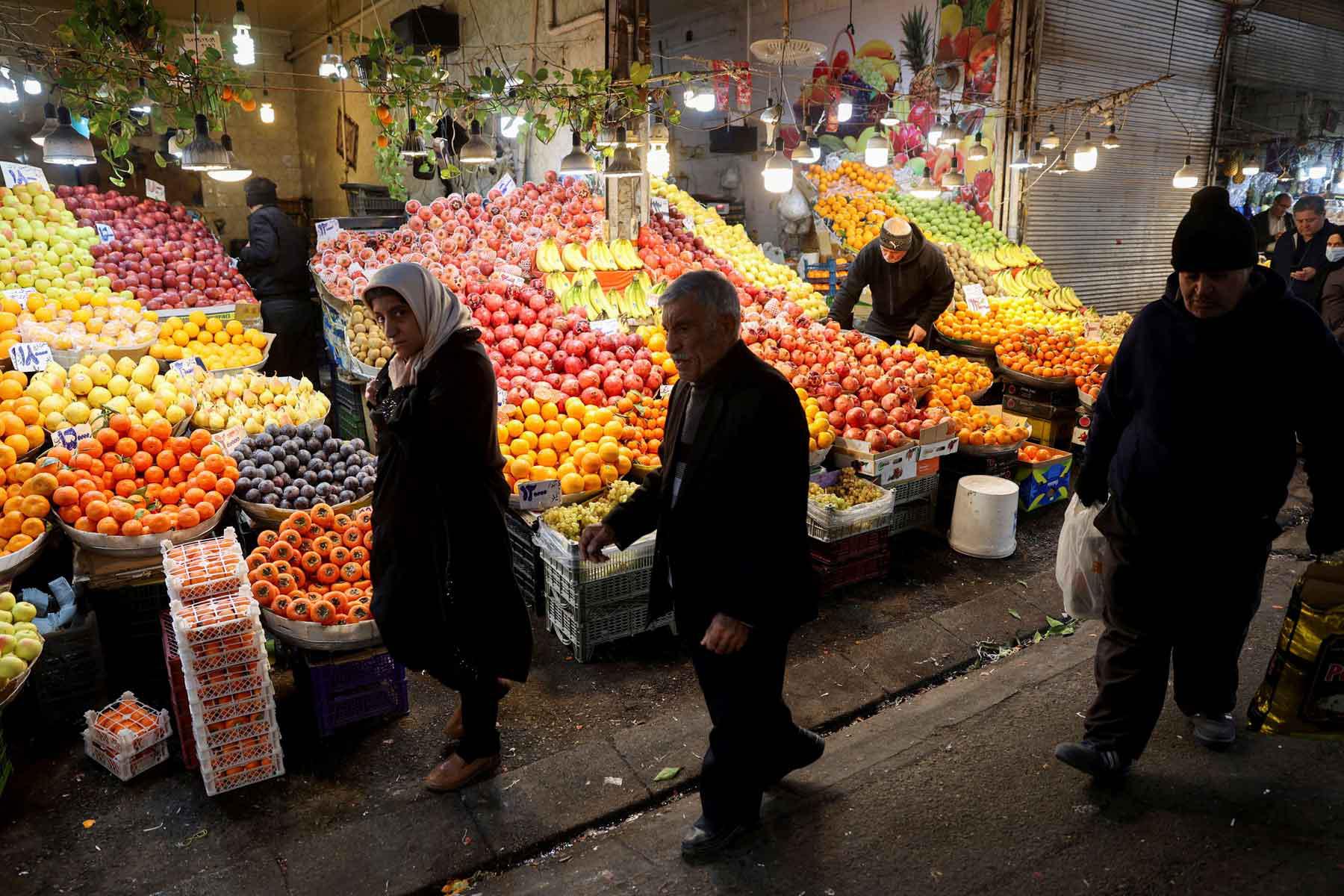
Economic instability has disrupted daily commerce across Tehran. Volatile exchange rates have paralysed sales of imported goods, with both buyers and sellers opting to delay transactions amid uncertainty. Traders say the rising cost of imports has left many struggling to stay afloat.
One shopkeeper, quoted anonymously by the reformist Etemad newspaper, complained that officials had failed to grasp how currency fluctuations were affecting small businesses. “With this dollar price, we can barely sell even basic phone accessories,” he said, adding that traders felt ignored despite relying on daily sales to survive.
The government has moved to signal action. Iran’s chief justice, Gholamhossein Mohseni Ejei, called for swift punishment of those deemed responsible for currency instability. Meanwhile, the president announced a change at the top of the central bank, appointing Abdolnasser Hemmati as governor.
Hemmati previously served as economy and finance minister but was dismissed by parliament in March following the rial’s sharp decline. His return underscores the depth of concern over Iran’s financial management.
Official figures put annual inflation at 52 percent in December, though many Iranians say price rises for food, fuel and other essentials far exceed that level. The economy, already weakened by years of Western sanctions, has come under further strain since the United Nations reinstated nuclear-related sanctions in late September, reversing measures lifted a decade ago.
Western governments and Israel accuse Tehran of seeking nuclear weapons, a claim Iran continues to deny. As economic pressure intensifies, the leadership now faces renewed public anger over living costs, an issue that has repeatedly triggered protests across the country in recent years.