

Behind-the-scenes understandings?
Iraq takes first step toward new government with speaker election
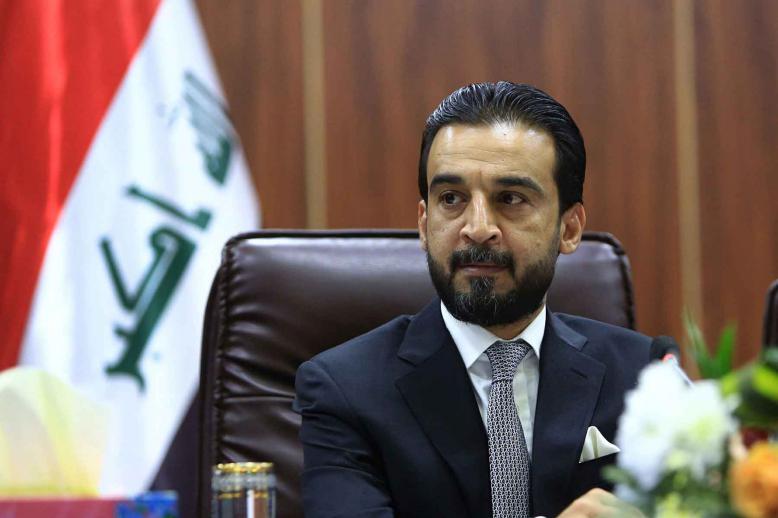
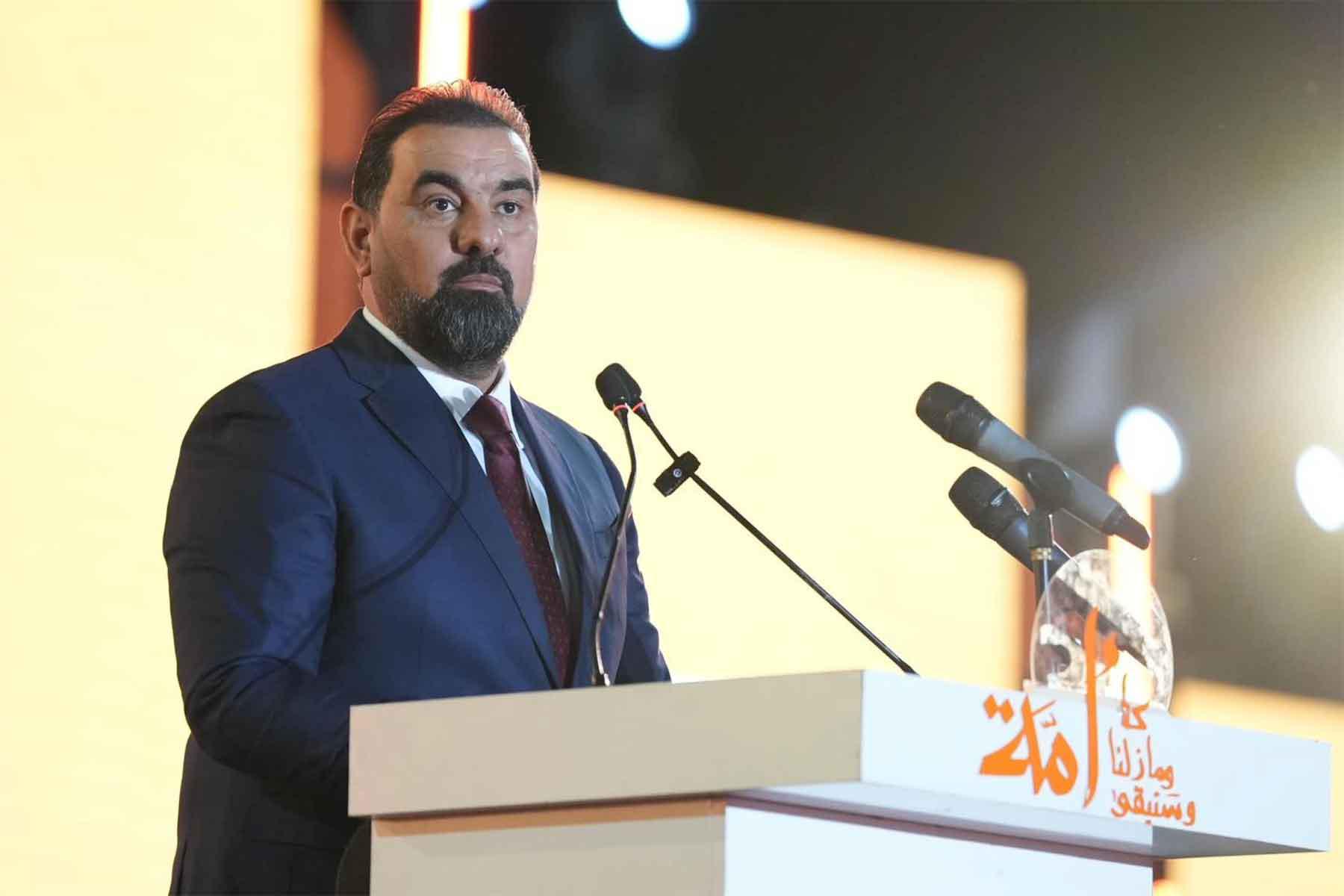
Haibat al-Halbousi is a founding figure in the Taqaddum (Progress) Party, led by former parliamentary speaker Mohammed al-Halbousi
Monday 29/12/2025
Behind-the-scenes understandings?
BAGHDAD –
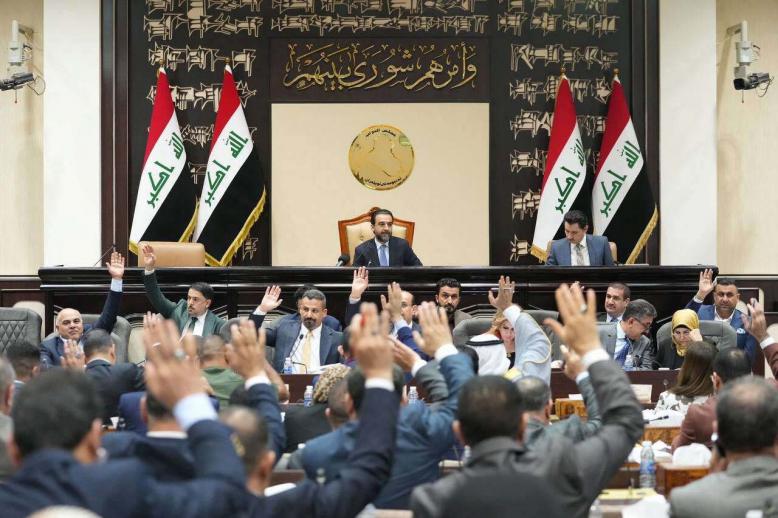
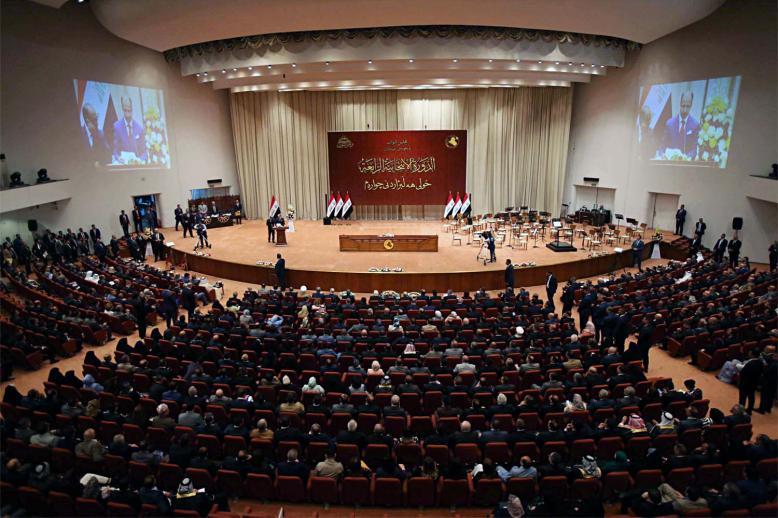
Iraq’s newly-elected parliament on Monday chose Sunni lawmaker Haibat al-Halbousi as speaker at its inaugural session, marking the formal start of a government formation process that is widely expected to take months amid deep political fragmentation and competing regional influences.
According to a parliamentary statement, Halbousi secured 208 votes out of 283, a strong majority that reflected last-minute political manoeuvring aimed at avoiding divisions within the Sunni bloc and securing broader acceptance from Shiite and Kurdish parties.
The speaker of parliament plays a pivotal role in Iraq’s political system, which is shaped by sectarian power-sharing arrangements. Beyond presiding over legislative sessions, the speaker acts as a key mediator between rival factions and is central to maintaining parliamentary stability in a legislature frequently paralysed by political disputes.
Under Iraq’s constitution, parliament must elect a speaker and two deputies at its opening session, followed within days by the election of a new president. The president will then ask the largest parliamentary bloc to nominate a prime minister and form a government. Prime Minister Mohammed Shiaa al-Sudani’s bloc emerged as the largest in November’s election, positioning it to lead coalition talks.
The incoming government will face a complex landscape marked by economic pressures, public frustration, and a delicate balancing act between US and Iranian influence, with dozens of Iran-aligned armed groups continuing to complicate Iraq’s security and political environment.
Halbousi is a founding figure in the Taqaddum (Progress) Party, led by former parliamentary speaker Mohammed al-Halbousi, and previously served as head of the party’s parliamentary bloc. His election followed the withdrawal earlier on Monday of Muthanna al-Samarrai, leader of the Azm Alliance, from the race for the speakership.
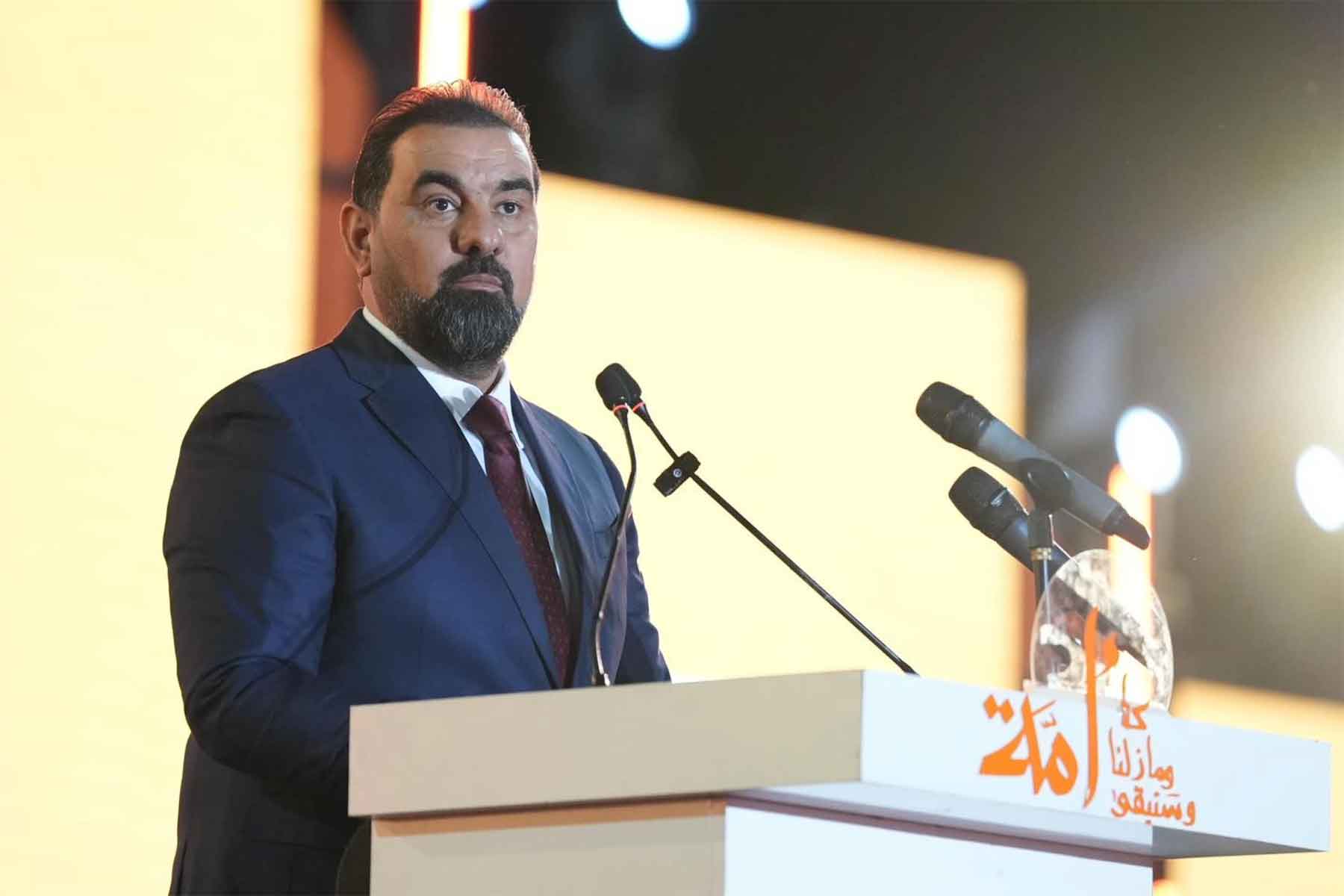
In a statement, Samarrai said his decision was taken “in response to the supreme national interest and a desire to strengthen political consensus,” stressing that the stability of the legislative institution must take precedence over personal or partisan ambitions.
While Samarrai’s statement adopted a conciliatory tone, political observers say his withdrawal likely reflected behind-the-scenes understandings aimed at ending fragmentation within the Sunni political camp. Analysts suggest the move was part of a broader deal to push through a “consensus candidate” acceptable to major Shiite and Kurdish blocs, thereby reducing the risk of prolonged deadlock.
Reports from local media also indicated that MP Salem al-Issawi had announced his candidacy for the post within what he described as a “national framework,” highlighting the extent of competition before last-minute alignments reshaped the contest.
The issue of the parliamentary speakership dominated discussions at a recent meeting of the National Political Council, an umbrella body representing Sunni forces, which focused on resolving divisions over rival candidates, notably Samarrai and former speaker Mohammed al-Halbousi.
The opening session followed a decree issued by Iraqi President Abdul Latif Rashid, setting December 29 as the date for the first sitting of parliament in its sixth legislative term. Two days earlier, Iraq’s Federal Supreme Court ratified the results of the November 11 parliamentary election, which recorded a voter turnout of 56.11 percent.
Members of parliament are responsible for electing the president and granting confidence to the government. In line with Iraq’s long-standing power-sharing convention, the prime minister is typically Shia, the president Kurdish, and the parliamentary speaker Sunni, a system designed to preserve balance among the country’s main political forces but often criticised for entrenching sectarian politics.
With the speaker now in place, attention turns to whether Iraq’s political blocs can sustain the fragile consensus achieved on Monday, or whether familiar rivalries will once again slow the path toward a fully-formed government.