مقالات ذات صلة
Related Articles
Wednesday 05/11/2025


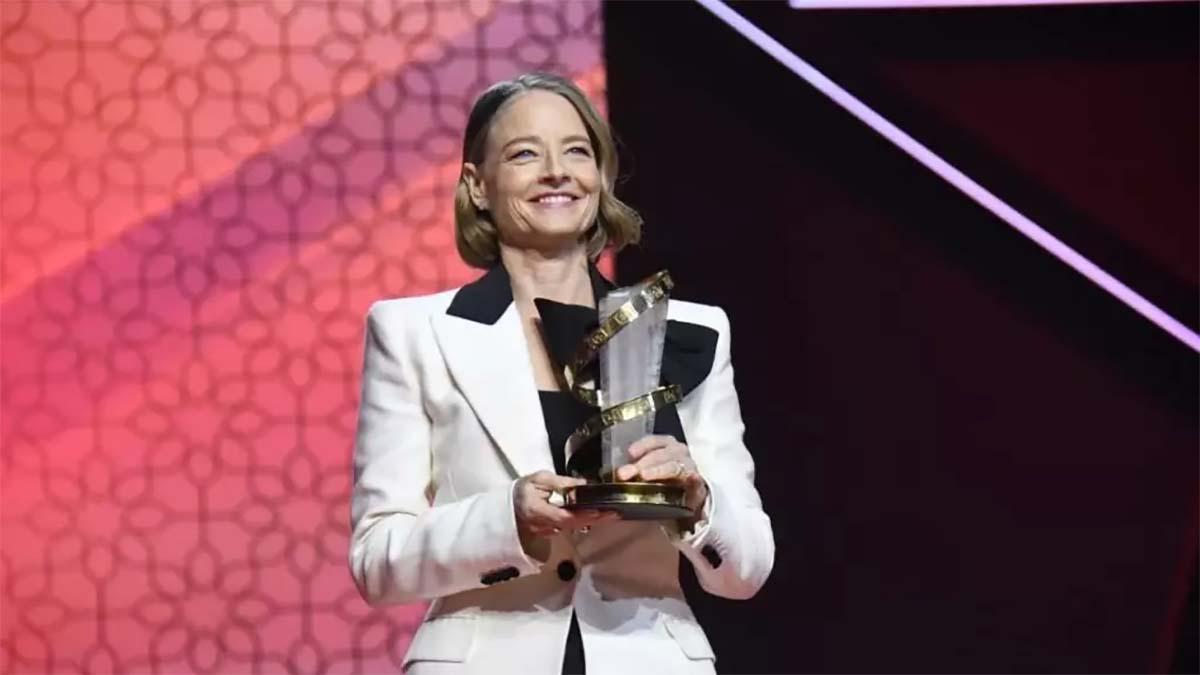
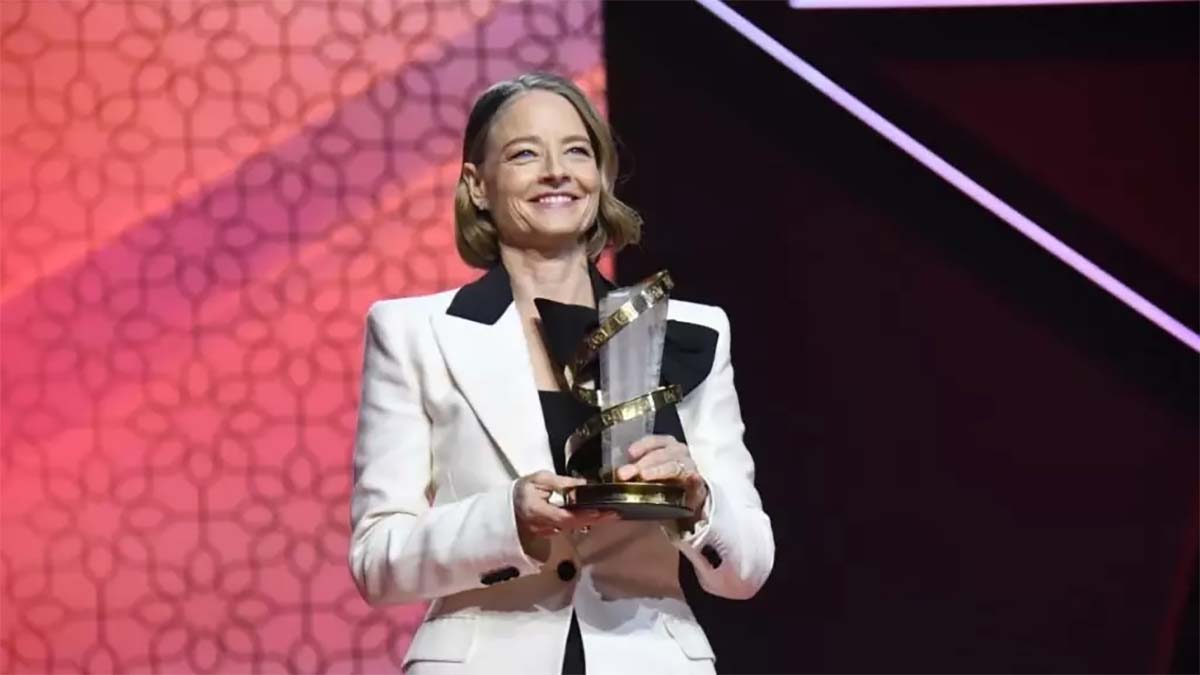
MARRAKECH - American actress and two-time Oscar winner Jodie Foster received on Saturday a deeply moving tribute award at the Palais des Congrès in Marrakech capping a weekend that celebrated her six-decade odyssey through the world of film.
It was a moment not just of acclaim at the 22nd Marrakech International Film Festival (FIFM), but of reflection - a rare glimpse into the mind of a woman who has redefined resilience, artistry, and the very essence of storytelling on screen and behind it.
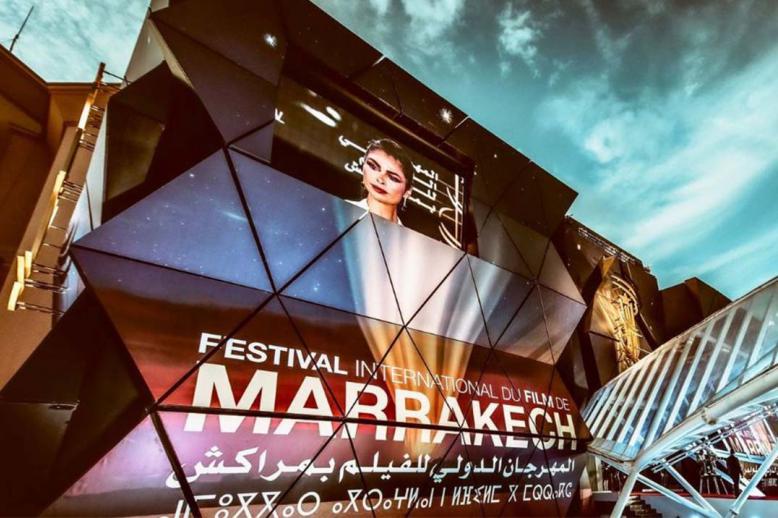
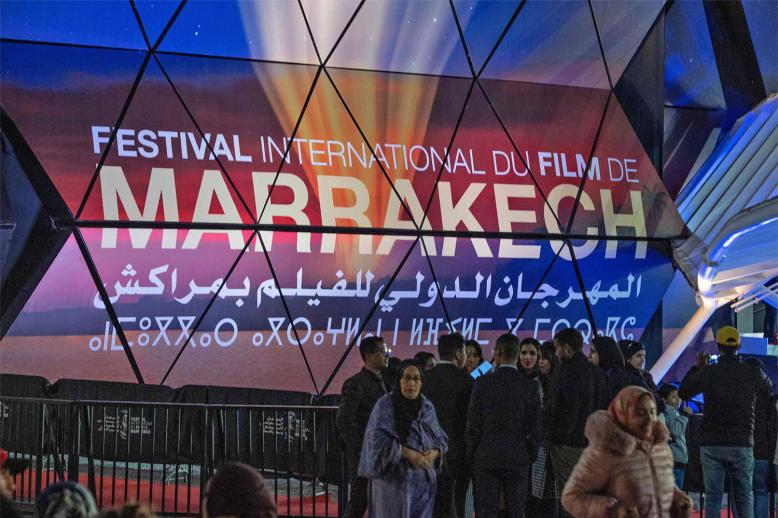
In the heart of Morocco's ochre city, where the Atlas Mountains meet the vibrant chaos of souks and the silver screen flickers under starlit skies, the 22nd Marrakech International Film Festival (FIFM) unfolded like a cinematic dream. Amidst a constellation of global stars and emerging talents, one icon stood illuminated: Jodie Foster. On Saturday night, the two-time Oscar winner received a deeply moving tribute award at the Palais des Congrès, capping a weekend that celebrated her six-decade odyssey through the world of film.
A starlit arrival in Marrakech
The festival, which kicked off on November 28 under the presidency of South Korean auteur Bong Joon-ho, has long been a beacon for bridging Eastern and Western cinema. This year's edition, running through December 6, pulses with energy: Gus Van Sant's satirical dark comedy Dead Man's Wire opened the gala, while Guillermo del Toro's gothic reimagining of Frankenstein—starring Oscar Isaac, Jacob Elordi, and Christoph Waltz—looms as a midnight highlight.
Yet, it was Foster's presence that infused the event with a profound sense of continuity, honoring not only her past triumphs but her bold forays into new territory.
Foster, 62, glided onto the red carpet in an impeccably tailored Gabriela Hearst ensemble—a soft-edged suit that blended unfussy elegance with the sharp lines she's mastered over decades.
Festival director Melita Toscan du Plantier, speaking to Variety, revealed the actress's quiet enthusiasm: "She’s very shy and she’s not much of a red carpet person, but she’s thrilled to be here... She loves Morocco and wants to come back on vacation."
For Foster, whose first visit to Marrakech unfolded amid the festival's whirlwind, the city proved an instant muse. "It’s my first time in Marrakech but not my last," she confided during a masterclass at Théâtre Meydane.
The Tribute: Echoes of a legendary career
The ceremony's emotional pinnacle arrived as a montage reel rolled - clips from Foster's child prodigy days in Taxi Driver to her chilling portrayal of Clarice Starling in The Silence of the Lambs, and onward to her directorial triumphs like Little Man Tate and Money Monster. Bong Joon-ho, the festival's jury president, presented the award, his Parasite-honed wit giving way to sincere admiration for a peer whose work has spanned eras and genres.
In a surprise twist, Martin Scorsese beamed in via video from afar. The Taxi Driver director, who launched Foster's career at age 12, offered words that bridged generations: "I want to congratulate you on this honor tonight in Marrakech. I only wish I could be there. You’re such an important part of my work and my career."
Foster, ever the poised professional, accepted the tribute with a speech that wove humor, humility, and hard-won wisdom. She reminisced about the "cruel" realities of child stardom—"uninteresting lunches with Robert De Niro," she quipped—and the fierce battles she waged for women directors in a male-dominated industry.
"Cinema has enormous power to show us who we are as human beings, the worst and the best," she said, spotlighting The Accused as a turning point in sparking national conversations on violence and consent.
Her words resonated deeply in a room filled with aspiring filmmakers from across the Global South, underscoring FIFM's mission to foster dialogue beyond Hollywood's glare. Screenings of her seminal films peppered the schedule, inviting audiences to trace the arc of a career marked by psychological depth and moral complexity—from the vulnerability of Contact to the taut suspense of Panic Room.