

A profoundly divisive figure
Killing of Gathafi's son throws Libya's fractured politics into deeper turmoil
The murder of Seif al-Islam Gathafi cuts short the complex political trajectory of a figure who long symbolised both the potential for reform and the legacy of the old regime.
Tuesday 03/02/2026
A profoundly divisive figure
TRIPOLI – Seif al-Islam Gathafi, the controversial son and one-time heir apparent of Libya’s former ruler Muammar Gaddafi, has been assassinated, his adviser and relatives confirmed on Tuesday. The killing of the prominent, if elusive, political figure threatens to destabilise further a nation already fractured by conflict.
Gathafi, 53, was executed by unidentified gunmen who stormed his residence, according to his adviser Abdullah Othman Abdurrahim. Speaking to the Al-Ahrar TV channel, Abdurrahim stated that a group of four armed men disabled surveillance cameras before entering the property and carrying out the killing.
While official details remain scarce, multiple Libyan media outlets reported that the assassination took place in the northwestern city of Zintan, where Gathafi’s whereabouts had been shrouded in secrecy for years.
His cousin, Hamid Gathafi, also told Al-Ahrar TV that he had “fallen as a martyr.”
The murder cuts short the complex political trajectory of a figure who long symbolised both the potential for reform and the legacy of the old regime. Prior to the 2011 Arab Spring uprising, Seif al-Islam was cultivated internationally as a modernising reformer and the de facto prime minister of Libya. Educated in London, he was credited with brokering pivotal deals, including the resolution of the Lockerbie case and the dismantling of Libya’s nuclear programme.
This carefully managed image shattered during the 2011 uprising when he delivered a televised address promising “rivers of blood” to crush dissent. The International Criminal Court (ICC) later issued a warrant for his arrest on charges of crimes against humanity.
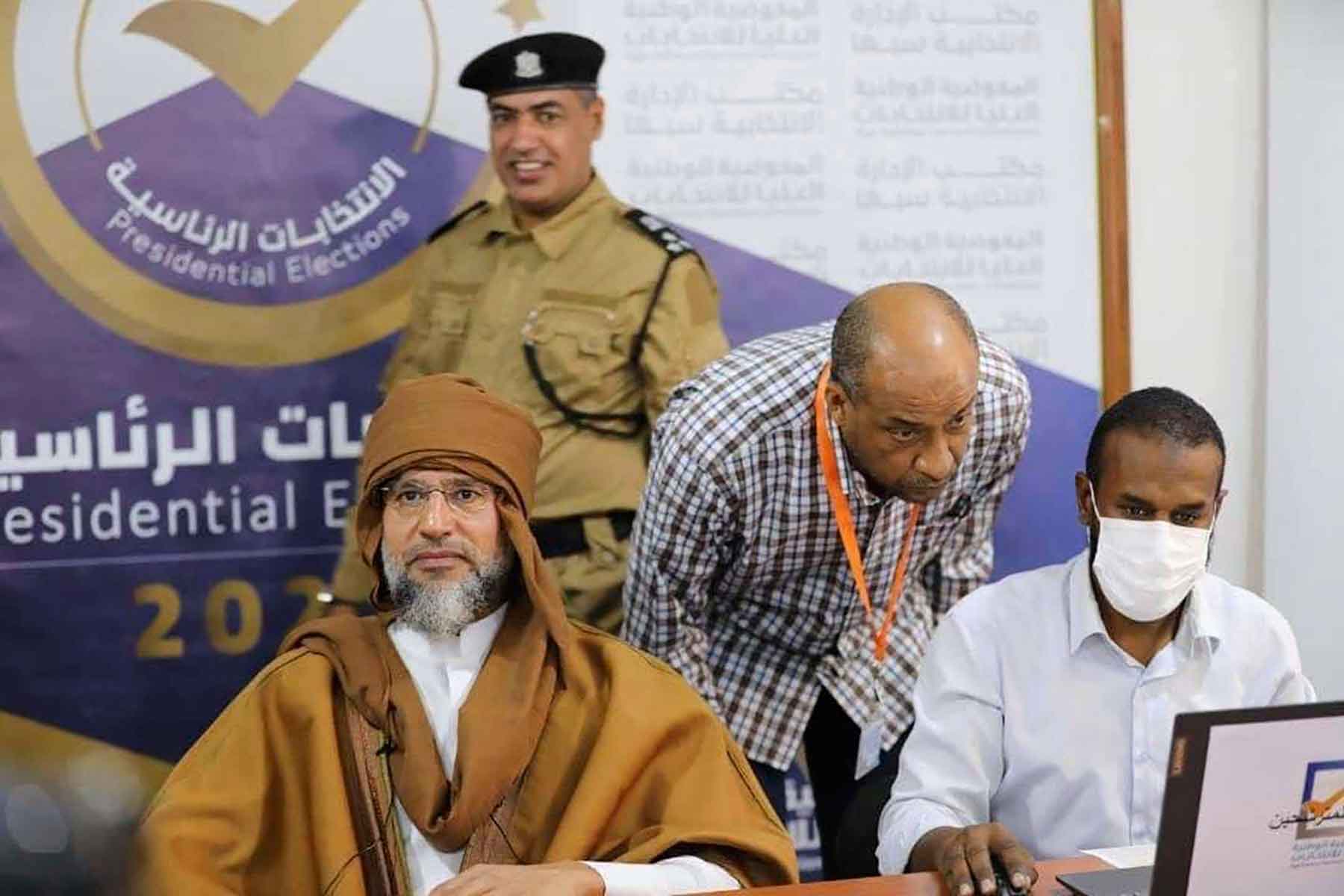
Captured in the Libyan desert in November 2011, he was held by a militia in Zintan. A Tripoli court sentenced him to death in absentia in 2015, though he was later granted amnesty under a controversial national law. Since his release, he operated in a shadowy manner, moving between Zintan and southern Libya, before re-emerging to submit his candidacy for the postponed 2021 presidential elections in the city of Sabha.
His death removes a profoundly divisive candidate from Libya’s stalled electoral process. Analyst Emadeddin Badi noted on social media that the killing is “likely to cast him as a martyr for a significant segment of the population, while also shifting electoral dynamics by removing a major obstacle to presidential elections.”
The assassination occurs amid heightened local tensions in Zintan, a city experiencing simmering security crises and military mobilisations. Local armed factions are deeply divided, with some groups supporting Gathafi's political return and others vehemently opposing his presence in the region.
Moussa Ibrahim, the last spokesman for Muammar Gaddafi, mourned his death online, writing: “They killed him treacherously. He wanted a united, sovereign Libya, safe for all its people.” He added that he had spoken with Gathafi just two days prior, claiming he “spoke of nothing but a peaceful Libya.”
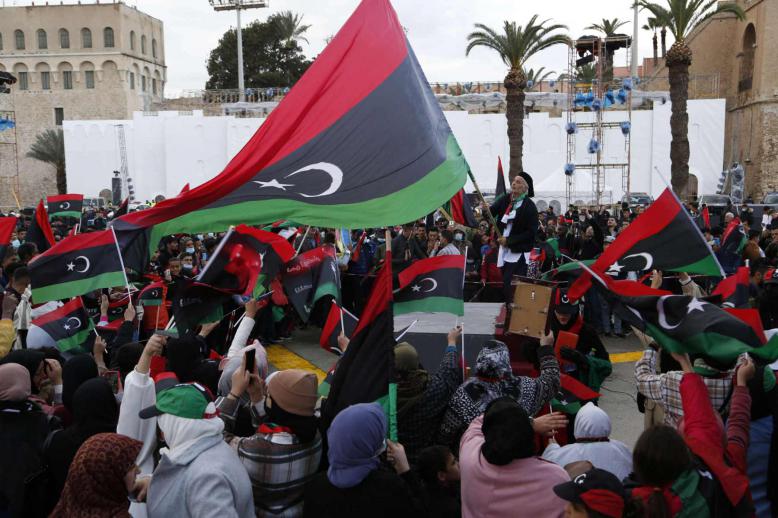
Libya has remained in a state of protracted instability since the NATO-backed uprising that overthrew Muammar Gaddafi in 2011. The country is split between a UN-backed government in Tripoli and a rival eastern administration led by Khalifa Haftar. The assassination of Seif al-Islam Gathafi injects a volatile new element into this enduring conflict, risking both an escalation in local violence and a destabilising recalibration of the nation’s fractured political alliances.