

Deeper ties between Morocco and Senegal
Morocco, Senegal sign 17 cooperation agreements across priority sectors
The two sides renew their commitment to elevating cooperation to "multidimensional levels," with emphasis on implementing ambitious projects aligned with the visions of their respective heads of state.
Tuesday 27/01/2026
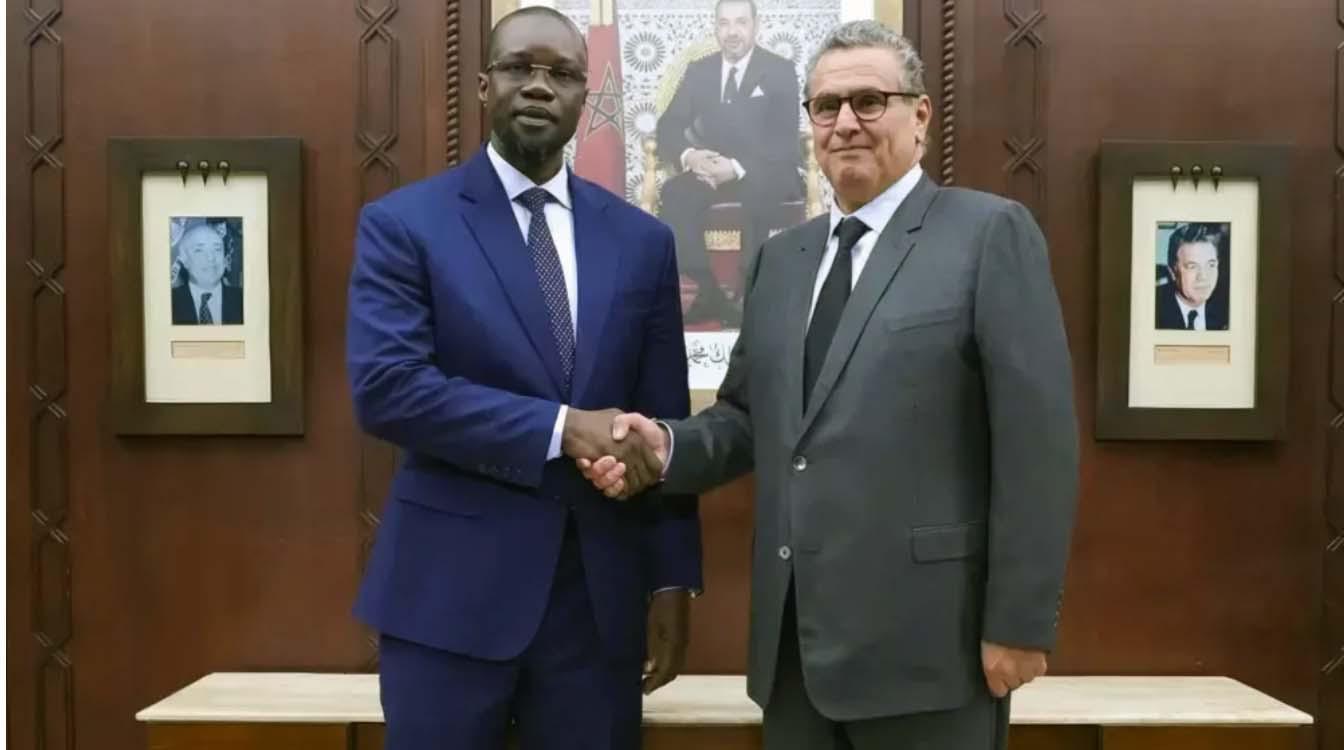
Deeper ties between Morocco and Senegal
RABAT - The 15th Morocco-Senegal High Joint Partnership Commission marked a significant milestone in the longstanding strategic relationship between Morocco and Senegal.
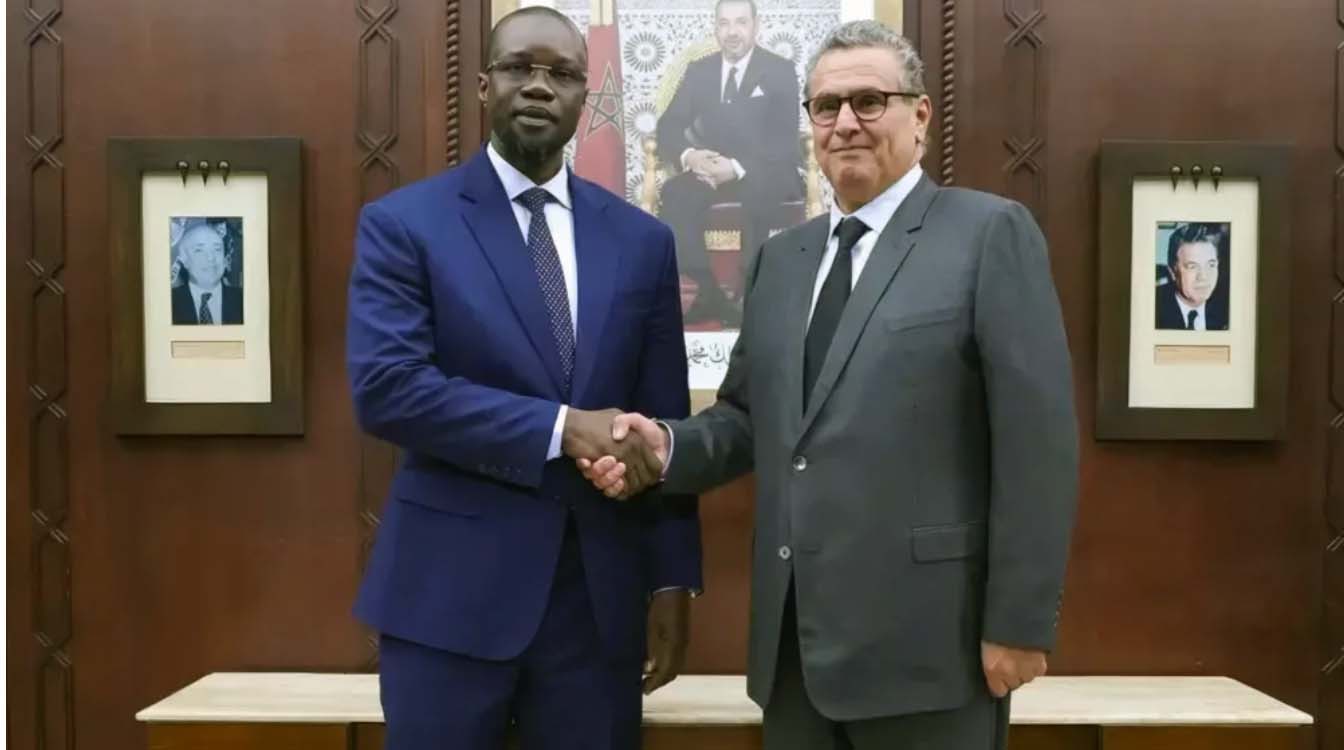
Held in Rabat on Monday, this session represented the first high-level joint commission in over a decade since the previous one in Dakar in 2013. Co-chaired by Moroccan Prime Minister Aziz Akhannouch and Senegalese Prime Minister Ousmane Sonko, the meeting underscored the deep fraternal ties, mutual trust, and shared vision for multidimensional cooperation between the two nations.
Historical context and strategic importance
Morocco and Senegal share a profound historical bond rooted in solidarity, cultural affinities, religious connections, and economic interdependence.
Under the leadership of King Mohammed VI and Senegalese President Bassirou Diomaye Faye, bilateral relations have reached new heights.
The partnership is anchored in over 140 cooperation agreements covering diverse sectors, including trade, investment, infrastructure, energy, agriculture, education, security, and culture.
The Moroccan community in Senegal and the Senegalese community in Morocco play vital roles in enriching these ties.
The commission's convening came shortly after the 2025 Africa Cup of Nations (AFCON) final hosted by Morocco, where Senegal defeated the host nation 1-0. While the match was marred by regrettable incidents - including Senegalese fans’ pitch invasions, and post-match controversies - the leaders emphasized that such sporting emotions should not overshadow the enduring political and economic partnership.
Both Prime Ministers described the incidents as "deplorable excesses" confined to the sports arena, reaffirming that bilateral relations remain robust and focused on common challenges and opportunities.
Key outcomes and agreements
The session provided an opportunity to review progress since the last commission, consolidate the legal framework, and launch new initiatives.
A major highlight was the signing of 17 cooperation agreements across priority sectors, including agriculture, energy, trade and digital economy.
The two sides renewed their commitment to elevating cooperation to "multidimensional levels," with emphasis on implementing ambitious projects aligned with the visions of their respective heads of state.
They also agreed to hold a Joint Consular Commission to improve coordination on mobility, consular protection, and community support, building on the 1964 Convention on Establishment.
Additionally, plans were announced for Morocco-Senegal Economic Days in Dakar later in 2026 to foster private-sector investments and partnerships.
In parallel, a Moroccan-Senegalese economic forum was organized to facilitate business linkages and joint ventures.
Broader regional and continental implications
The commission reflected a shared aspiration for South-South cooperation and African integration. Morocco and Senegal highlighted their alignment on continental issues, including support for Morocco's autonomy plan for the Sahara and Senegal's backing of the Royal Initiative for Atlantic Africa.
This initiative promotes access to Atlantic ports and airports for landlocked African countries, embodying values of solidarity and shared prosperity.
Trade dynamics remain positive. In 2024, Senegalese exports to Morocco reached approximately 24.7 billion CFA francs (up 26.2%), while imports from Morocco stood at 147 billion CFA francs (up 19.2%). The partnership serves as a model for intra-African collaboration, encouraging wealth creation and economic resilience.
Looking ahead
The 15th High Joint Partnership Commission demonstrated the resilience of Morocco-Senegal relations amid external events and their determination to prioritize development over division.
By signing new agreements, planning future forums, and committing to regular high-level consultations, both countries aim to diversify their partnership and contribute to Africa's progress.
As Akhannouch noted, sports should unite rather than divide, and this session reinforced that the true strength of the bilateral bond lies in shared goals for prosperity, stability, and continental solidarity. The outcomes pave the way for even deeper integration in the years to come.