Authentic spirit and energy
Morocco's World Cup rise is built on vision, not fortune
As the Atlas Lions prepare to play the Netherlands, it is evident that Morocco no longer fears facing any opponent, regardless of reputation.
Friday 26/06/2026
Authentic spirit and energy
BERLIN – The Moroccan national football team's impressive progress to the Round of 32 at the 2026 World Cup was neither a fleeting breakthrough nor the product of chance driven by emotion or coincidence. Rather, it was the living embodiment of a culture of sustainable strategic planning and the cumulative results of years of methodical grassroots work, quiet institution-building and intelligent investment in human capital and infrastructure.
The historic qualification, secured after an emphatic 4-2 victory over Haiti, represents another chapter in Morocco's remarkable sporting rise. It is also a natural extension of a comprehensive national vision that has transformed sport into a vehicle for development and international distinction.
At its core, this success demonstrates how foresight combined with sustained effort can turn ambition into unprecedented achievements at both Arab and African levels, firmly establishing Moroccan football at the forefront of the regional game.
When the Atlas Lions' performances at this World Cup are examined and compared with those of the other Arab teams in the tournament, the vast difference in mental and technical preparedness becomes unmistakably clear. While established Arab sides such as Tunisia have struggled, finishing bottom of their group without a single point before the final round and appearing to suffer from clear shortcomings in technical preparation and administrative stability, Morocco has emerged as a cohesive and well-balanced unit with a clearly defined attacking identity and the strength of character required to impose its style on the biggest international stages.
This stark contrast confirms that the real difference between the Moroccan experience and those of other Arab nations lies in the continuity of the project itself. Morocco no longer participates simply to earn respectable results. It enters major tournaments with the mentality of a champion, equipped with the tactical sophistication and physical qualities needed to compete with the world's elite. Other Arab teams have yet to develop that same long-term vision or the ability to manage decisive matches with comparable efficiency.
The statistics from Morocco's victory over Haiti provide compelling evidence of the technical transformation that Moroccan football has undergone. The national team has evolved from a cautious, defence-oriented approach into one based on domination of possession and purposeful attacking initiative. That evolution was reflected in a record 69 percent share of possession, the highest percentage ever recorded by Morocco at a World Cup, highlighting a clear determination to control matches and create opportunities through sustained, carefully constructed play.
The transformation was not limited to sterile possession. It translated into unprecedented attacking efficiency, with Morocco scoring four goals in a single World Cup match for the first time since making its tournament debut in 1970. That victory also raised the country's all-time World Cup tally to 26 goals, making Morocco the highest-scoring African nation in the history of the competition, surpassing traditional continental powers such as Nigeria, Ghana and Cameroon. At the same time, Morocco has become Africa's most successful team in terms of World Cup victories, recording seven wins.
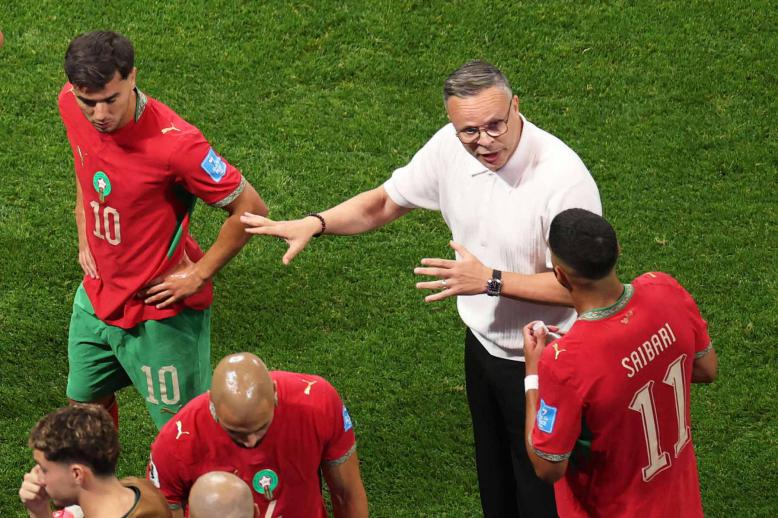
At both individual and collective levels, this professional environment has produced exceptional players capable of rewriting the record books and securing their places in football history. Ismael Saibari has emerged as one of the tournament's brightest stars after scoring three goals in a single World Cup, equalling the Moroccan record previously held by Youssef En-Nesyri. In doing so, he became only the fourth African footballer to achieve the feat after legends such as Roger Milla, Asamoah Gyan and Papa Bouba Diop. More remarkably still, he became the first African player ever to score in every group-stage match at a single World Cup.
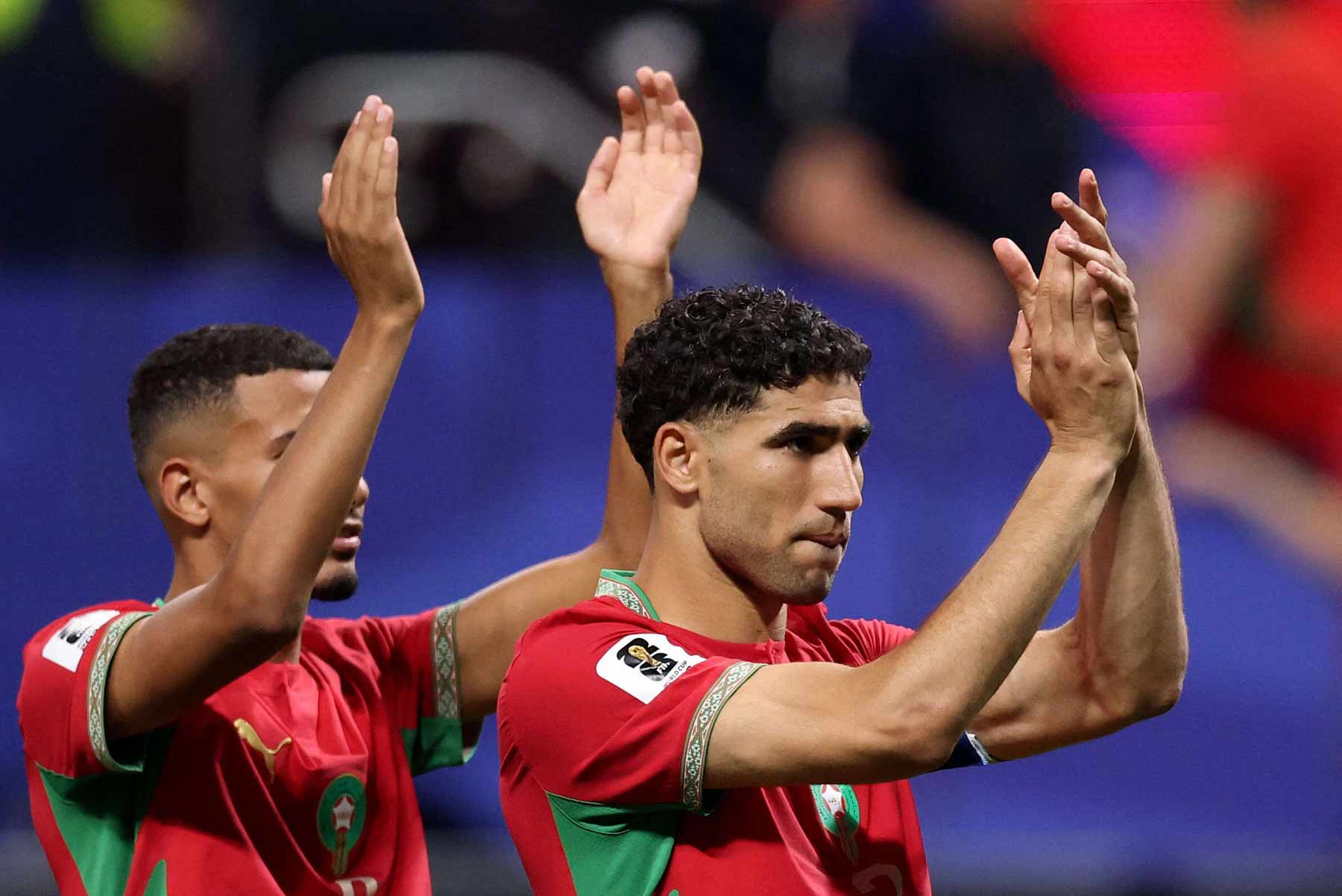
Captain Achraf Hakimi has continued to cement his legendary status by becoming the first Moroccan footballer to score in every major international competition he has played with the national team, combining success at the Africa Cup of Nations, the Olympic Games and the World Cup. Together with Soufiane Rahimi, he has formed a highly-effective partnership that combines creativity and finishing in the same match, recalling the finest moments of Morocco's celebrated 1998 generation.
The outstanding level that Morocco has reached today is, above all, the product of an integrated system established through a confident and far-sighted royal vision. That vision prioritised the creation of modern football academies, the development of world-class stadiums, the recruitment of highly qualified technical staff and the strengthening of ties between Moroccan professionals in Europe and their national roots in an organised and enduring manner.
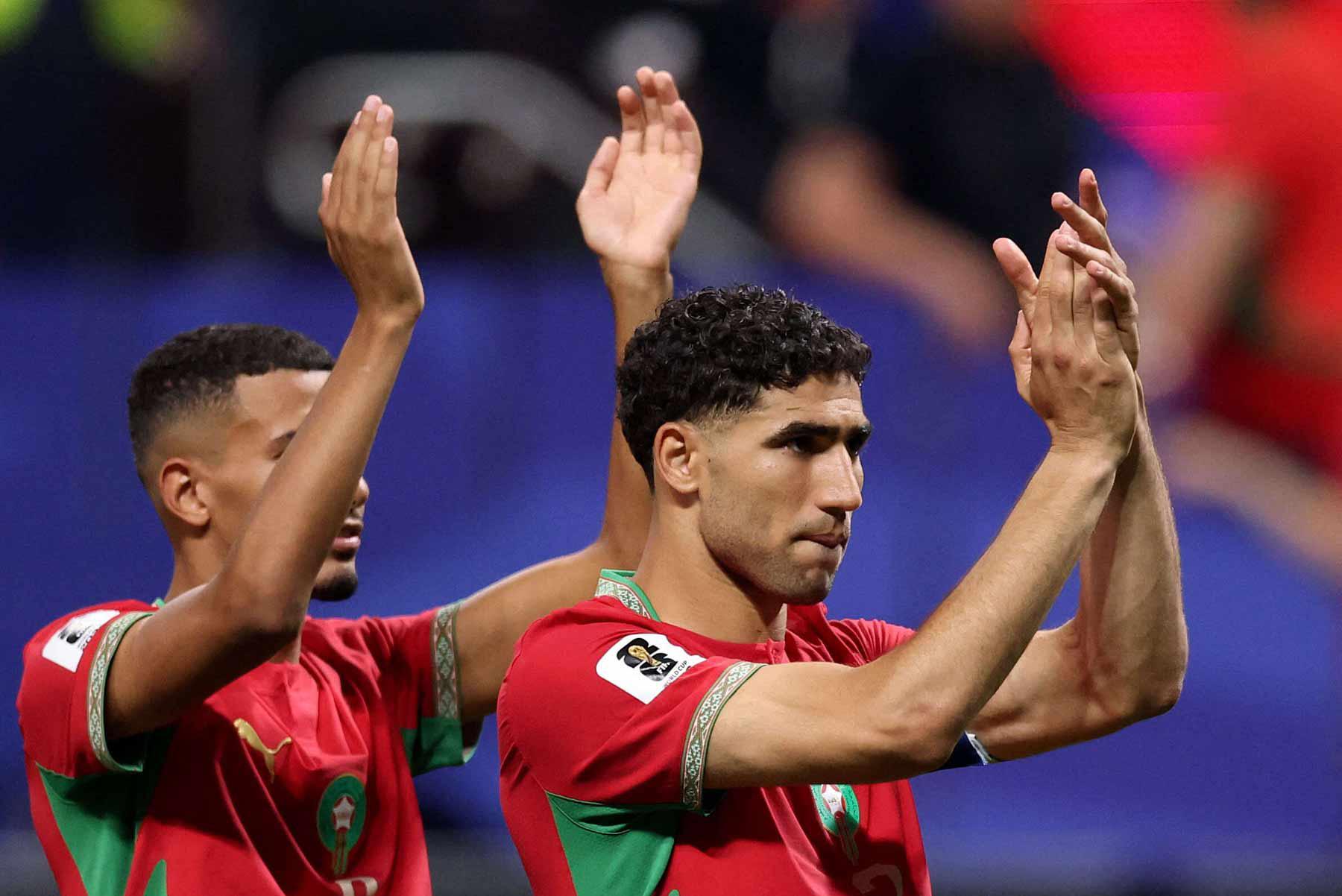
The result has been the creation of a footballing blend that combines European tactical discipline with the authentic Moroccan spirit and energy, a formula that many Arab football schools in the region currently lack.
As the Atlas Lions prepare to play the Netherlands, it is evident that Morocco no longer fears facing any opponent, regardless of reputation.
The team now possesses the tactical maturity, squad depth and mental resilience required to progress deep into the tournament, repeat the achievements of previous generations and perhaps even surpass them. In doing so, it continues to demonstrate to the world that lasting success is the natural reward for ambitious strategies and persistent hard work.
Yet despite all the momentum and record-breaking achievements, the true essence of the Atlas Lions' World Cup campaign lies in the extraordinary fighting spirit and courage displayed by the players on the pitch. Even if circumstances and the unpredictable nature of football were ultimately to prevent Morocco from reaching the latter stages of the tournament, the immense sacrifices and exceptional energy that have characterised their performances would remain a source of pride sufficient to spare them any criticism or reproach.
What the Atlas Lions have displayed is a footballing philosophy that turns every player into a warrior who fights relentlessly to raise the national flag and defend his country's colours. This generation has shown that it does not withhold a single drop of sweat or spare any effort in its determination to bring joy to its supporters, proving that total commitment and genuine passion are the greatest achievements of all, qualities that secure Morocco's place in the hearts and minds of football lovers long before they are recorded in the pages of history.