Culture as a lever of development, not as symbolic luxury


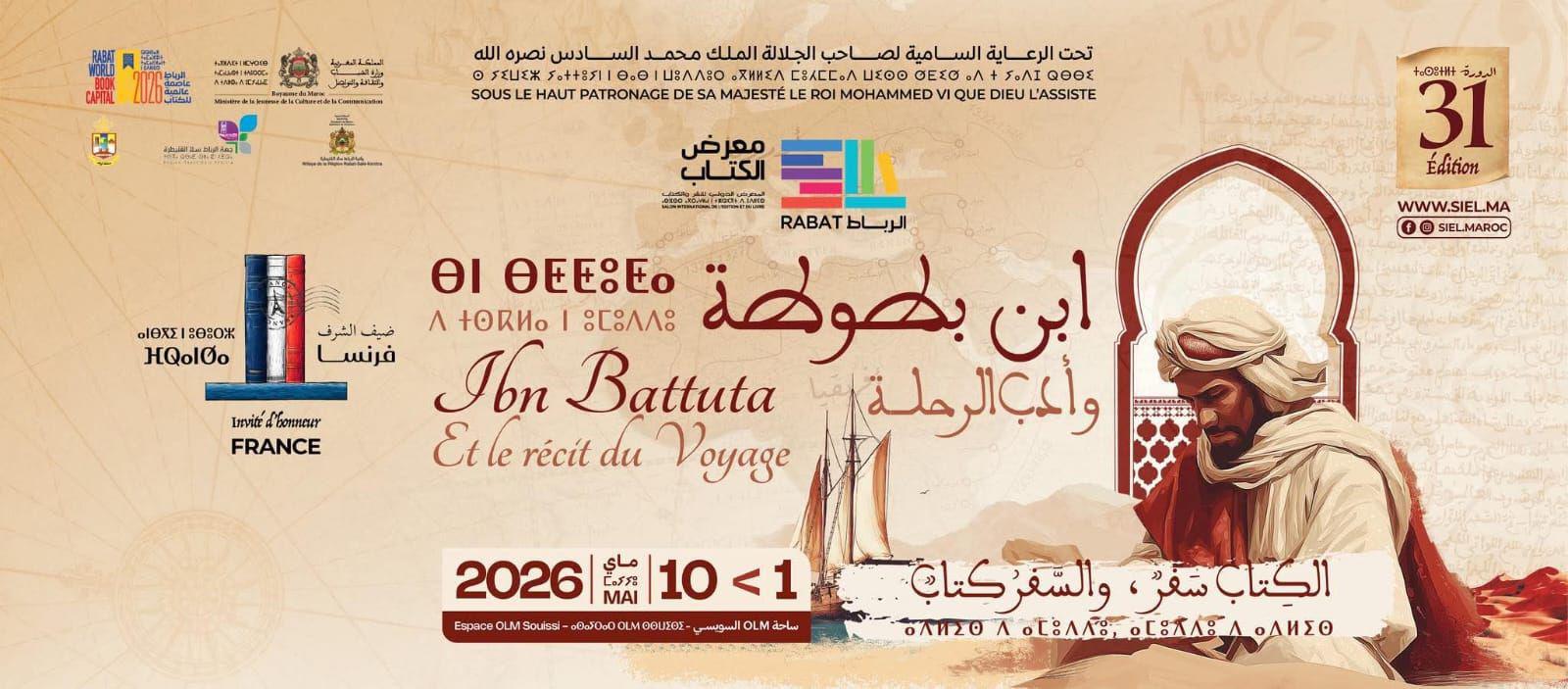
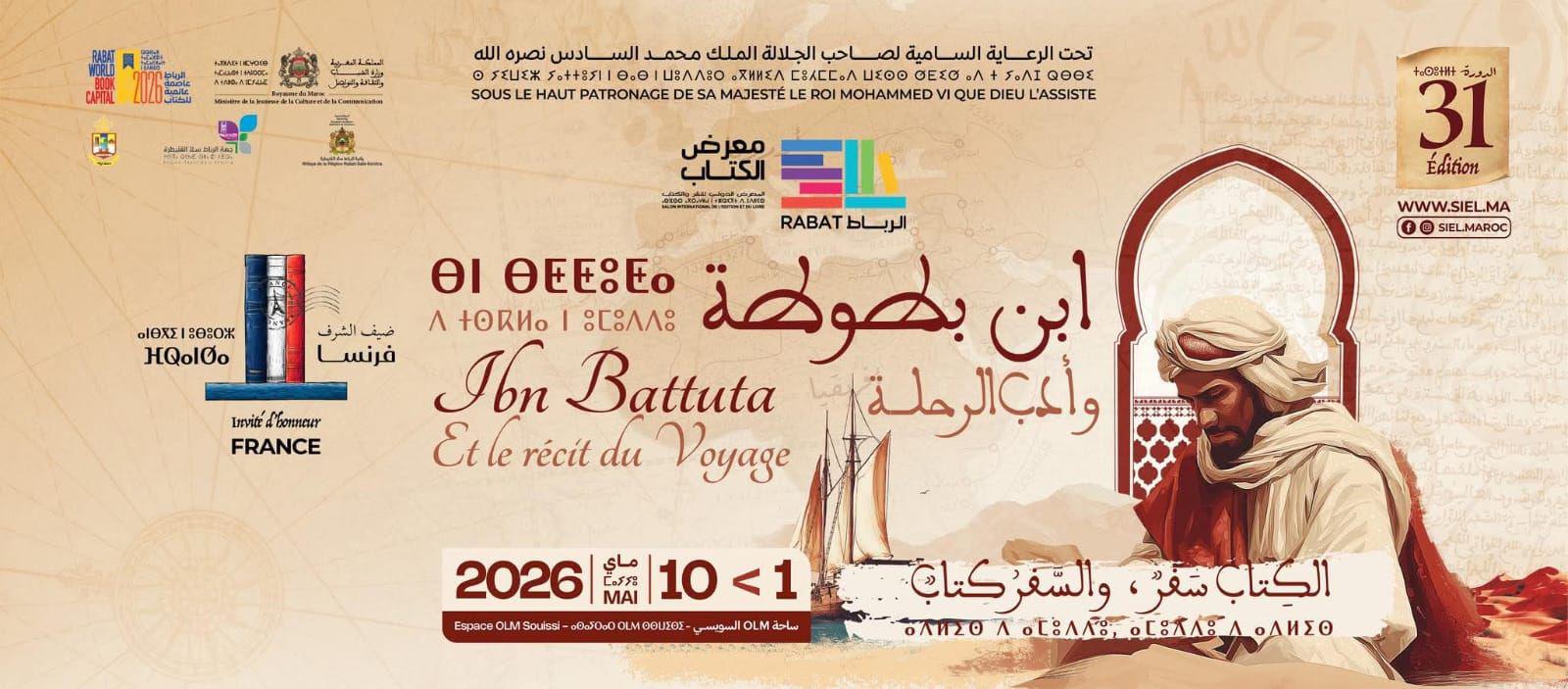
RABAT – In Rabat, spring this year does not resemble any season that has passed. The city, which is accustomed to its elegant calm, appears as if it has entered an exceptional state of cultural alertness. Here, where times intersect and symbols intertwine, the International Publishing and Book Fair is not held as a passing event, but as a new chapter in a Moroccan narrative that is written carefully, told with confidence, and read in more than one language.
From the very first moment, it was clear that the thirty-first edition is not merely a cultural event, but an implicit declaration of a deep transformation: culture is no longer a margin, but has become at the heart of the vision.
An opening carrying more than one meaning
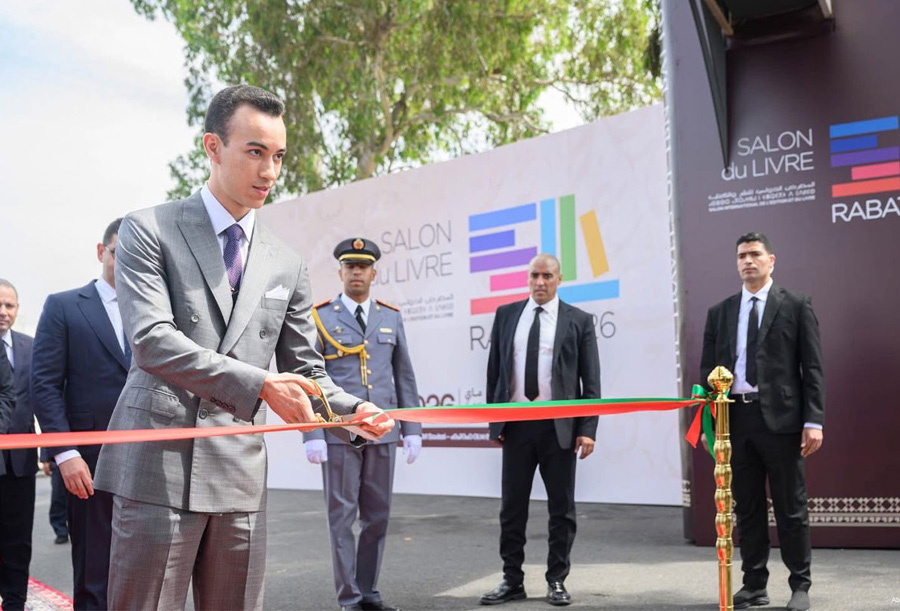
When Crown Prince Prince Moulay El Hassan presided over the opening of the fair, the scene was not as much protocol as it was loaded with precise messages. In his movement between the halls, in his stopping at books, and in his listening to exhibitors, it appeared as if the state itself is rediscovering its relationship with knowledge.
This presence reflects a direction led by the Moroccan King Mohammed VI, where culture is understood as a lever of development, not as symbolic luxury. This is reflected in the details of the fair: the diversity of participants, its openness to the world, and its presence as a platform for cultural and diplomatic dialogue at the same time.
From Casablanca to Rabat… a shift of vision
The transfer of the fair from Casablanca to Rabat was not merely a geographical change, but a shift in philosophy. The capital today is no longer only an administrative centre, but has become a fully integrated cultural space, especially after its selection as World Book Capital for 2026.
In Rabat, culture is not only held inside halls, but breathes in the streets and squares. The fair here is not a separate event, but an extension of a continuous cultural life, which makes the city an open text written every day.
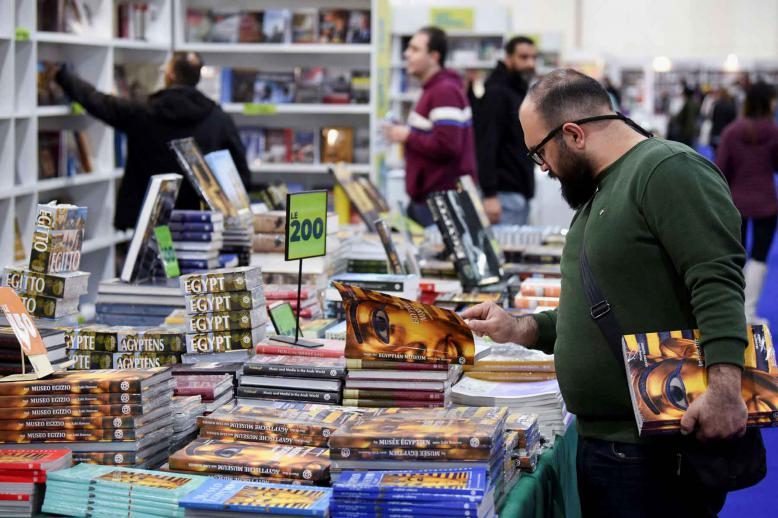
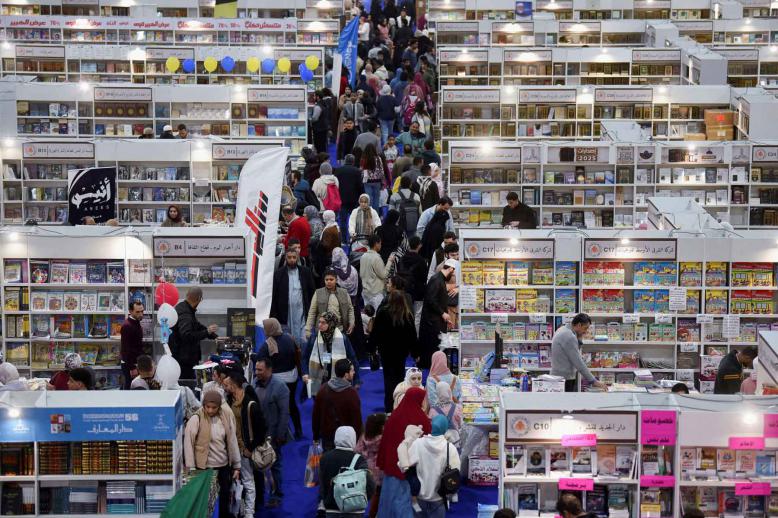
Inside the fair’s corridors, the definition of the book changes. It is no longer just a product on display, but an idea discussed, a project built, and a path drawn. Publishers, writers, readers, and decision-makers… all move within one system, which reshapes the relationship between culture and economy.
The heavy presence of children and youth, interactive workshops, and digital initiatives all reflect a new awareness: reading is no longer a silent individual activity, but a living social experience, confronting the challenges of the digital age with a new language.
The Tazi Foundation: when memory becomes a living experience
Amid this momentum, the role of the Abdelhadi Tazi Foundation stood out as one of the most prominent actors that succeeded in linking past and present in an intelligent and impactful way.
The foundation, which bears the name of the late Moroccan historian and diplomat Abdelhadi Tazi, did not limit itself to displaying books, but presented a complete cultural experience that revived the spirit of travel and knowledge. Through presenting the book “In the footsteps of Ibn Battuta,” and displaying rare manuscripts and maps, it succeeded in turning the visit into a real journey through time.
Inside its pavilion, the visitor was not merely a reader, but an explorer. The maps were not rigid documents, but gateways to distant worlds, and the manuscripts were not only a historical trace, but evidence of the depth of Morocco’s contribution to the production of human knowledge.
This role reflects a deeper philosophy: culture is not only what we read, but what we live. The Tazi Foundation succeeded in making history a sensory experience, touching the visitor’s imagination and pushing them to rethink the meaning of travel, just as Ibn Battuta experienced it centuries ago.
Evoking Ibn Battuta in this edition was not a traditional celebration, but a re-presentation of him as a contemporary symbol. The traveller who roamed the world is no longer just a historical figure, but has become a metaphor for an open Morocco, which sees knowledge as permanent travel, and discovery as a way of life.
Rabat: an open cultural laboratory
What is happening in Rabat today goes beyond the fair itself. The city is gradually transforming into a living cultural laboratory, in which society’s relationship with knowledge is tested.
Extended cultural programmes, diverse events, integration of technology, and openness to different categories … all elements confirm that culture has become part of daily life, and not just a seasonal event.
This transformation reflects a comprehensive vision that seeks to build a sustainable cultural industry, creating economic opportunities, enhancing social justice, and opening new horizons for young people.
Culture as soft power
In this context, culture emerges as an effective tool of soft diplomacy. The fair, with its international diversity, becomes a space for dialogue between cultures, where bridges are built away from direct politics.
Morocco, through this model, does not only export cultural products, but presents a vision: that knowledge can be a common language, and that culture is capable of bringing peoples closer together.
Rabat: a narrative being written in the present
In the end, Rabat today cannot be seen as a city hosting a fair, but as a story being written before our eyes. Every hall is a sentence, every book an idea, and every visitor a witness to a calm but profound transformation.
And between a princely presence that gives meaning, cultural institutions such as the Tazi Foundation that revive memory, and historical symbols such as Ibn Battuta being reborn with a new spirit, the features of a Morocco writing its future in the language of knowledge are taking shape.
Rabat today does not only settle for being read… it authors itself, page by page, as a city that has chosen to make culture its destiny, knowledge its path, and the human being its greatest purpose.