Israel, born from the ashes of the Holocaust, has lost its moral compass
The Netanyahu government’s insatiable thirst for blood
The Netanyahu government persists in making ruthless claims that massive civilian harm is an acceptable cost of “permanent security superiority” in Gaza.
Thursday 05/02/2026
Israel, born from the ashes of the Holocaust, has lost its moral compass
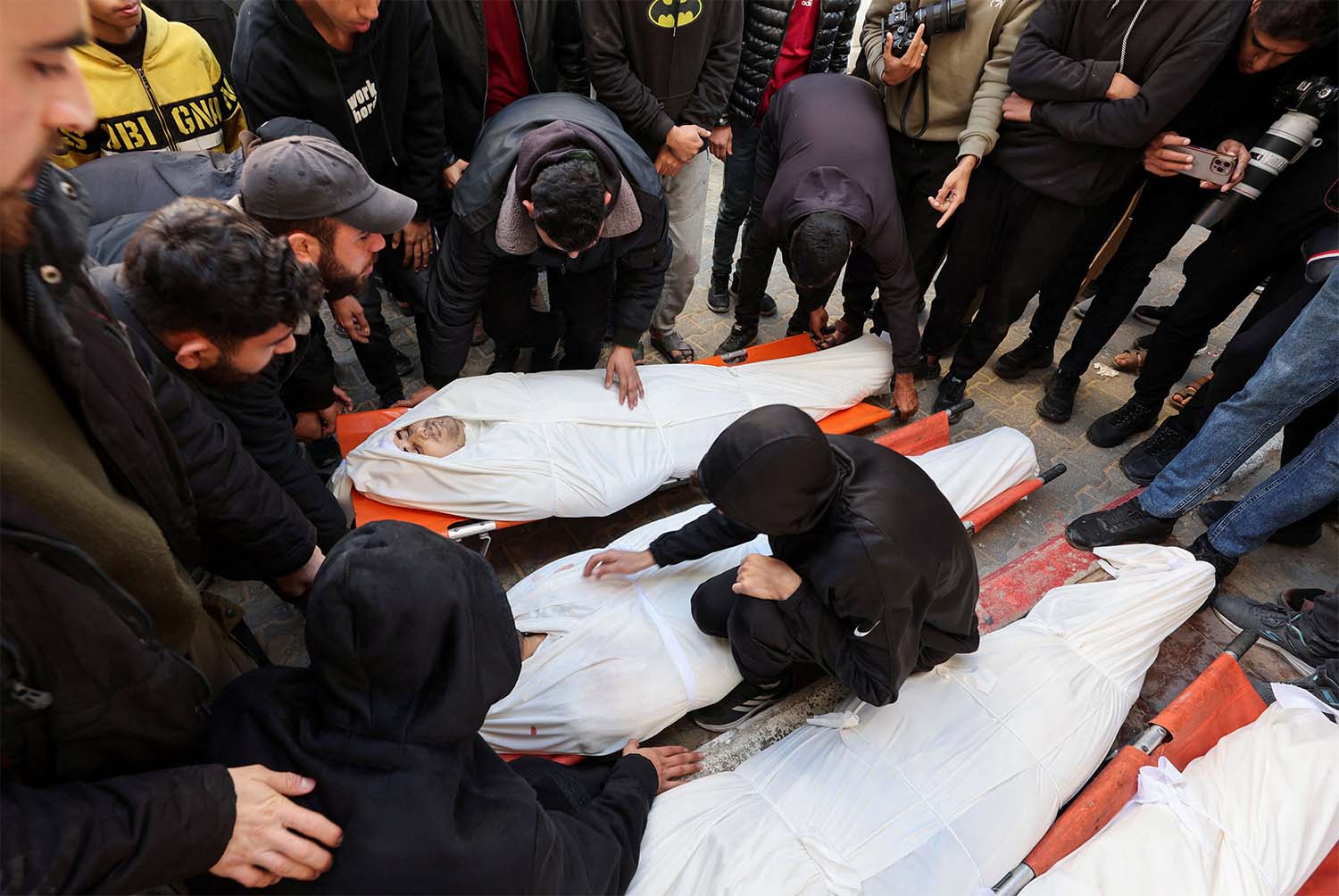
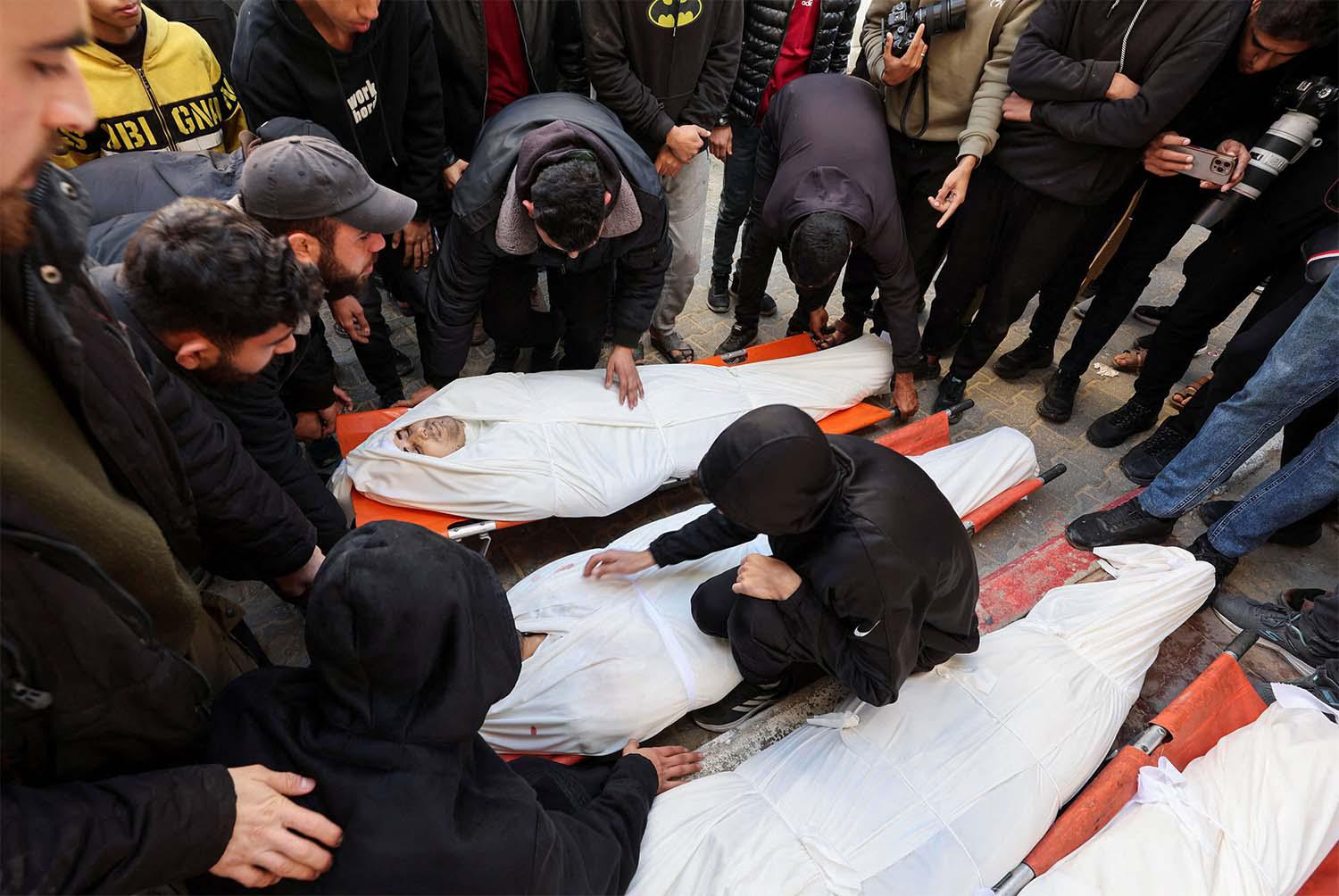
It was hoped that the ceasefire between Israel and Hamas, agreed upon on October 10, 2025, after months of grueling negotiations, would bring an end to the horrific death and destruction that had been inflicted on Gaza by Israel for two years. But tragically, our hopes were shattered, as the killing of Palestinian women and children continues inexorably. The Netanyahu government persists in making ruthless claims that massive civilian harm is an acceptable cost of “permanent security superiority” in Gaza. Here, the shameless Israeli government plunges to a new low. “Acceptable cost” to whom? Ask a Palestinian mother who sees her little boy grasping for his last breath as his head was crushed by an Israeli bomb exploding near the tent they are living in.
To understand the magnitude of Netanyahu and his gang's cruelty, I cite below a few soul-crushing incidents that only a government whose thirst for blood seems to be insatiable could possibly instigate.
On January 31, 2026, hospitals in Gaza reported at least 30 Palestinians were killed in one day of Israeli strikes, including several children, in one of the deadliest days since the ceasefire. One of these airstrikes tore open an apartment building in Gaza City; another a tent camp in Khan Younis, killing two women and six children from two families. The blasts that killed sleeping little girls launched their bodies onto the streets, leaving behind only bloodstained mattresses as a sign they were there.
The same round of attacks hit a police station in Gaza City, killing at least 14 people, among them four policewomen, civilians, and inmates. The building’s cells collapsed inward; witnesses described charred, handcuffed bodies pressed against bent iron bars, with relatives searching by flashlight along corridors slick with blood and sewage.
In early January 2026, Israeli strikes in Khan Younis killed at least three Palestinians, including a 15-year-old boy. In November, two small boys – just 9 and 10 years old, excited about their imminent return to school, out collecting firewood – were struck by a drone. Their mother ran to them only to find their upturned cart laying next to their two tiny bodies, streaked with blood. “How could they kill them,” their devastated father asks, “when we were supposed to be living in peace after two years of war?”
UN humanitarian updates describe ongoing detonations of residential buildings and bulldozing near an unmarked “Yellow Line,” beyond which Israel severely restricts access. Even after fighting subsides, bulldozers methodically grind houses into low mounds of concrete and twisted rebar, erasing streets so thoroughly that displaced families returning under the ceasefire can no longer even locate where their front doors once stood.
Reporting from northern Gaza notes continued demolitions in Tuffah, Beit Lahiya, Shuja’iyya and Zeitoun, justified as eliminating “terrorist infrastructure above and below ground.” Drone dropped explosives and engineering teams destroyed homes one by one, turning entire blocks into a grey, jagged plain—no landmarks, no mosques or schools, only shattered water tanks and children’s toys peeking from dust where families had hoped to rebuild.
UNICEF calculates that roughly two children a day, a total of nearly 200, have been killed since the ceasefire began on October 10, 2025. These are often single shots at children gathering water or playing near rubble; their bodies arrive at clinics with one or two neat entry wounds. leaving parents washing small blood-soaked shirts in basins already cloudy with dust and ash.
Parents speak of a truce that means fewer mass barrages but constant dread: the ominous hum of drones, a sudden blast on the edge of a camp, a daughter’s body brought back on a door panel because there are no stretchers left.
Netanyahu’s sick motivations
Netanyahu’s government frames post-ceasefire strikes and demolitions as necessary to prevent Hamas’s reconstitution—hence the focus on tunnels, “terrorist infrastructure,” and wide buffer zones that inherently destroy civilian housing. Legal and human rights analyses argue that the pattern of demolitions, forced evacuations, and permanent security perimeters amounts to de facto territorial re-engineering that makes large-scale return and reconstruction extremely difficult, if not impossible.
This aligns with long-standing hard-right Netanyahu government efforts to reduce the Palestinian presence along Israel’s borders and shift Gaza’s population onto Egypt and the wider region.
Trump does nothing to stop it
Trump has touted the October 10 Gaza ceasefire as a signature achievement of his second term and has consistently aligned himself with Netanyahu in public rhetoric, emphasizing Hamas’s violations and Israel’s “right to finish the job.” Even as phase two of the deal proceeds, with the opening of the Rafah crossing, which remains tenuous, and Israeli strikes kill civilians, Trump speaks in terms of enforcing the truce on Hamas, which makes him complicit in Israeli atrocities, instead of constraining Israel’s military choices.
US policy under Trump focuses on demilitarizing Gaza, securing Arab state involvement, and maintaining a close strategic partnership with Israel. The combination of a strong backing for Israel, threats mainly aimed at Hamas, and no real penalties for continued strikes and demolitions creates a permissive environment in which Netanyahu can continue operations that kill women and children and erase neighborhoods, with no fear of US restraint, if not encouragement.
Yes, Hamas has violated the ceasefire a few times, and three Israeli soldiers were reportedly killed. But then, by any measurement, can one compare that to Israel’s killing of more than 520 Palestinians since the October 10, 2025, ceasefire agreement, as was reported by the Gaza Health Ministry?
Where are the Israelis who care about their country’s future and its moral standing in the eyes of the international community? Why aren’t they pouring into the streets and demanding an end to the carnage of innocent Palestinians that their government is committing, not just with impunity but with pleasure?
How tragic. Israel, born from the ashes of the Holocaust, has lost its moral compass—now, risking inflicting a spiritual and moral holocaust upon the very spirit and soul of the nation.
Dr. Alon Ben-Meir is a retired professor of international relations, most recently at the Center for Global Affairs at NYU. He taught courses on international negotiation and Middle Eastern studies.