

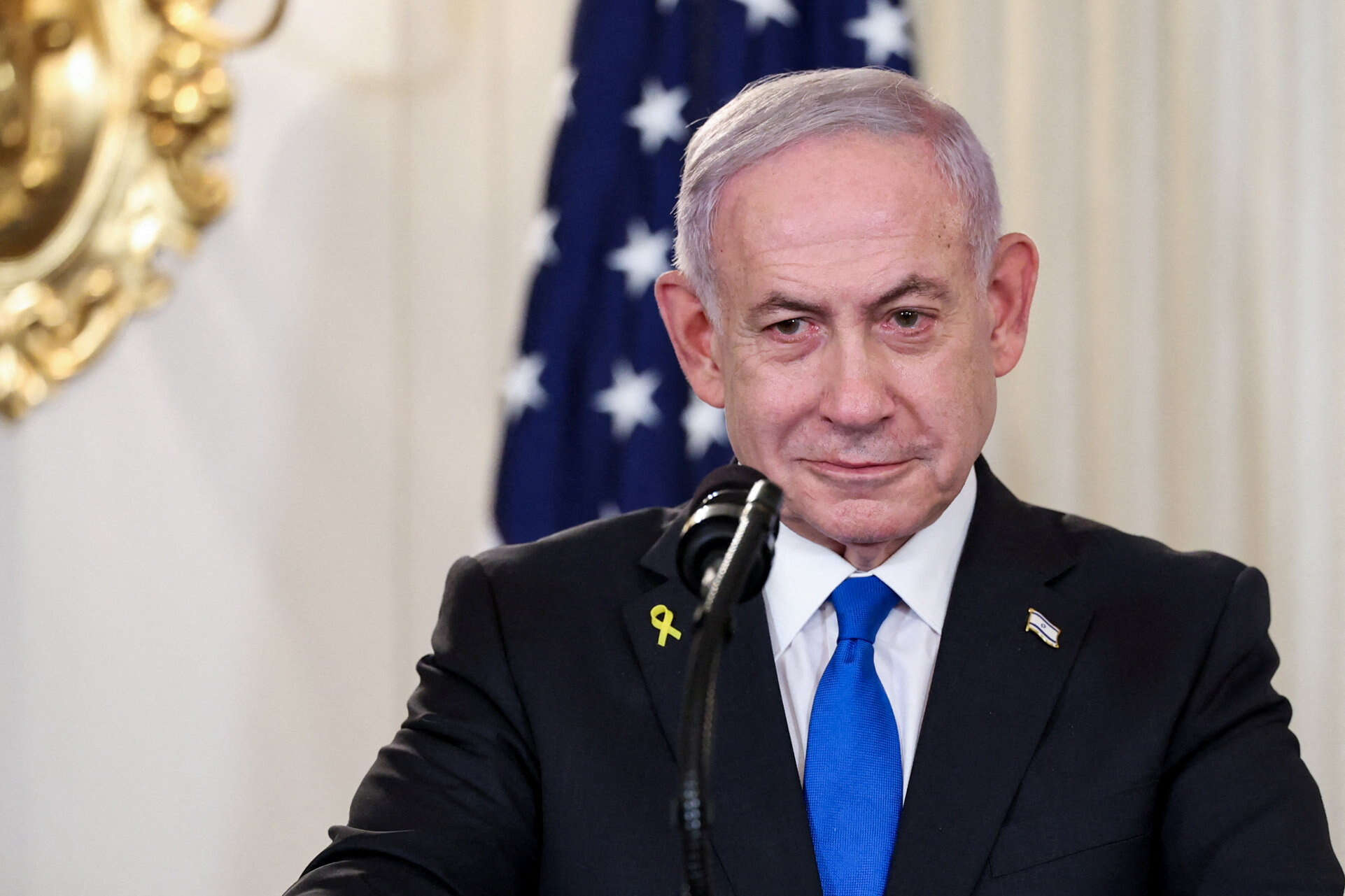
Israeli Prime Minister Binyamin Netanyahu attends a news conference in the State Dining Room at the White House in Washington, September 29, 2025.
Netanyahu set to press Trump over Iran missiles amid rebuilding fears
Israeli officials now fear that rebuilding missile defences, combined with mass missile production, would allow Tehran to shield nuclear sites more effectively.
Sunday 21/12/2025
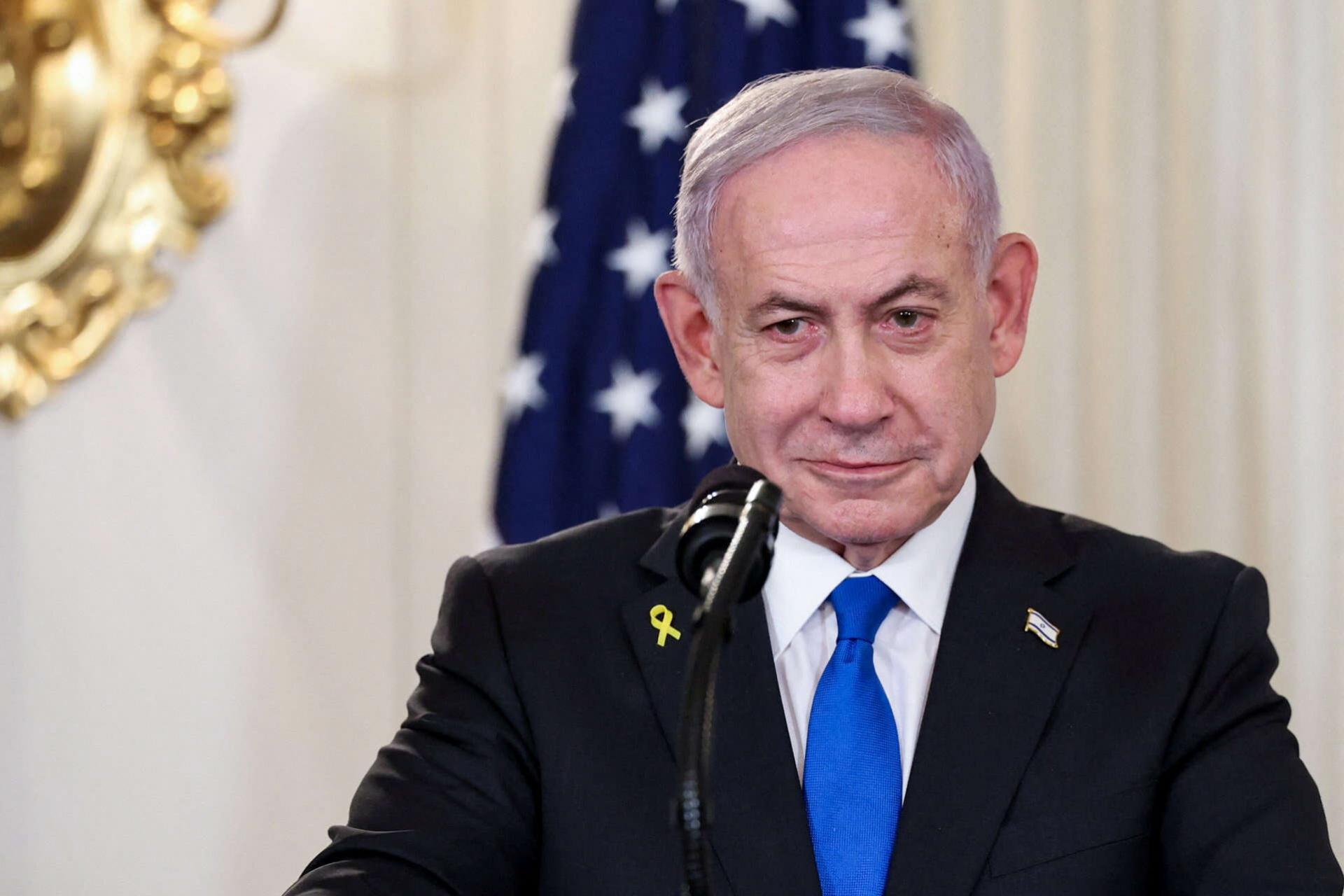
Israeli Prime Minister Binyamin Netanyahu attends a news conference in the State Dining Room at the White House in Washington, September 29, 2025.
WASHINGTON
Israeli Prime Minister Benjamin Netanyahu is expected to press US President Donald Trump to take swift action against Iran’s expanding ballistic missile programme when the two leaders meet later this month, amid Israeli concerns that Tehran is rebuilding both missile and nuclear capabilities, NBC News reported on Saturday.
According to the report, Israeli officials believe Iran’s efforts to restore facilities producing ballistic missiles and repair its damaged air defence systems pose a more immediate threat than its attempts to reconstitute nuclear enrichment sites hit by US strikes in June.
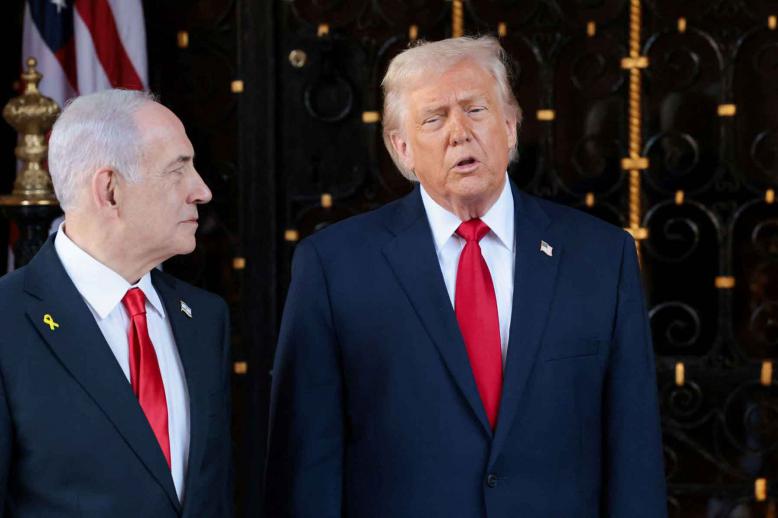
Trump and Netanyahu are expected to meet on December 29 at Trump’s Mar-a-Lago estate in Florida, Israeli officials have announced, although the White House has yet to formally confirm the meeting. Asked earlier this week about the visit, Trump told reporters: “We haven’t set it up formally, but he’d like to see me.”
At the meeting, Netanyahu is expected to argue that Iran’s missile expansion threatens not only Israel but wider regional stability and US interests, and could require rapid military action. Israeli officials are preparing to present Trump with options for the United States to join or assist in potential new strikes on Iran, the report said.
“They said part of his argument is expected to be that Iran’s actions present perils not only to Israel but also to the broader region, including US interests,” NBC reported, citing sources familiar with Israel’s plans.
Israeli concerns persist despite Trump’s assertion that US strikes under Operation Midnight Hammer had destroyed Iran’s nuclear programme.
“The International Atomic Energy Agency and Iranian government corroborated the United States government’s assessment that Operation Midnight Hammer totally obliterated Iran’s nuclear capabilities,” White House spokesperson Anna Kelly said.
“As President Trump has said, if Iran pursued a nuclear weapon, that site would be attacked and would be wiped out before they even got close.”
The June operation involved more than 100 aircraft, a submarine and seven B‑2 bombers, with US officials saying American bunker‑busting bombs were required to inflict serious damage on Iran’s deeply buried nuclear sites. Israeli forces simultaneously struck several Iranian ballistic missile facilities.
However, early assessments questioned whether the nuclear damage was as extensive as Trump claimed, while Israeli officials believe Iran is already moving to rebuild. One person with direct knowledge of Israel’s plans said: “The nuclear weapons program is very concerning. There’s an attempt to reconstitute. It’s not that immediate.”
By contrast, Israeli officials see missile production as the more urgent danger. Left unchecked, Iran could produce as many as 3,000 ballistic missiles a year, according to sources briefed on the plans. “The threat of ballistic missiles, and the number of them that the Iranians could use in an attack, is Israel’s most immediate concern,” said a former Israeli official.
“There is no real question after the last conflict that we can gain aerial superiority and can do far more damage to Iran than Iran can do to Israel,” the official added. “But the threat of the missiles is very real, and we weren’t able to prevent them all last time.”
Israeli strikes in April and October 2024 severely damaged Iran’s S‑300 air defence systems, enabling manned flights over Iranian airspace months later. Israeli officials now fear that rebuilding missile defences, combined with mass missile production, would allow Tehran to shield nuclear sites more effectively and accelerate a renewed nuclear programme.
Netanyahu’s pitch to Trump comes as Tehran has signalled interest in resuming diplomatic talks with Washington, potentially complicating Israeli efforts to secure approval for further military action. Trump has recently hinted at openness to renewed talks, while also issuing stark warnings.
He said Iran “can try” to rebuild its missile programme, but “it’s going to take them a long time to come back.” He added: “But if they do want to come back without a deal, then we’re going to obliterate that one, too. You know, we can knock out their missiles very quickly, we have great power.”
Israeli officials are also focused on Iran’s continued funding and arming of regional proxy groups, which they see as part of Tehran’s broader strategy to rebuild deterrence following the June strikes.
The meeting will also address the fragile Israel‑Hamas ceasefire, with concerns mounting that both sides are failing to implement the next phase of the agreement. Under the deal, Israel is expected to withdraw from Gaza, an interim governing body is to replace Hamas, and an international stabilisation force is to deploy.
Former Israeli officials warned that continued friction over Gaza could make Trump less receptive to new military operations against Iran, particularly as the president weighs other potential military actions abroad and promotes his record on Middle East peace.
In a recent address, Trump told Americans he had “destroyed the Iran nuclear threat and ended the war in Gaza, bringing for the first time in 3,000 years, peace to the Middle East.”